Do Palm Trees Survive Hurricanes: Truths That Will Surprise You
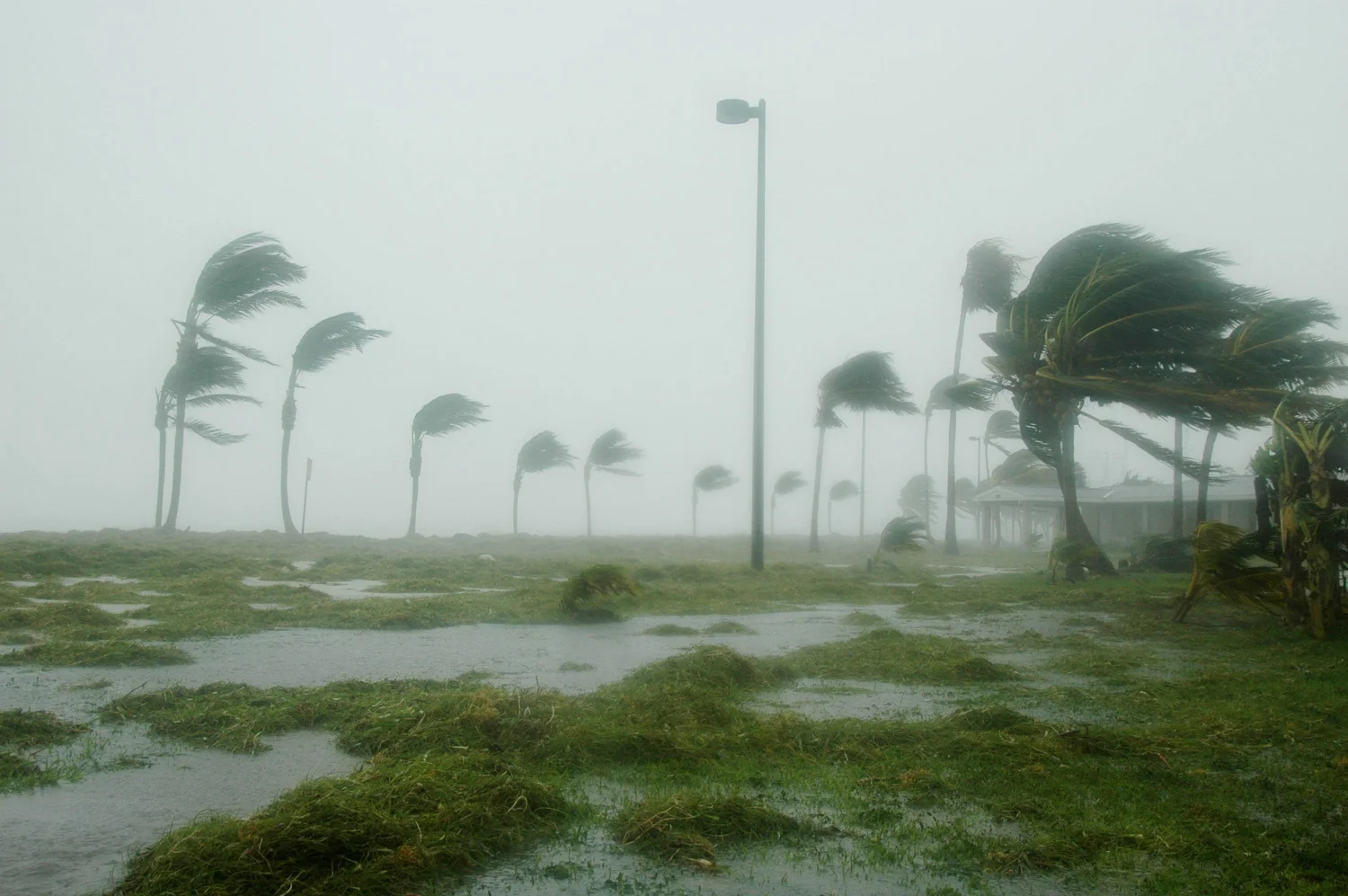
Ever wondered if those iconic palm trees, often seen swaying gracefully in coastal regions, can withstand the fury of a hurricane? When stormy skies gather and winds howl, it’s natural to worry about the fate of these tropical sentinels.
You might picture them bending and bowing, but do they break? Understanding how palm trees react to hurricanes can change how you see them and even how you prepare your own landscape for severe weather. Discover the surprising resilience of palm trees and find out how they manage to stand tall against nature’s most formidable forces.
Curious to learn more? Let’s uncover the secrets behind their survival and what it means for you.
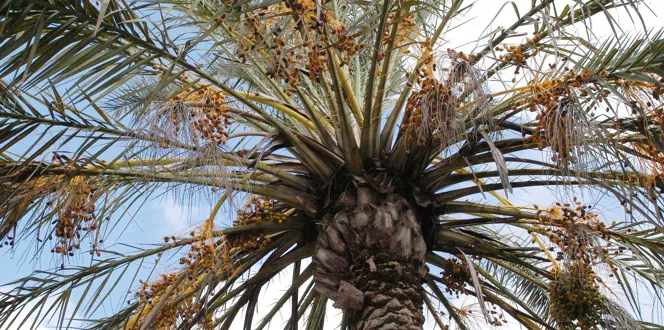
Credit: blog.davey.com
Palm Trees And Hurricanes
Palm trees are common in places that often face hurricanes. Many people wonder if these trees survive strong storms. The answer depends on how palm trees handle wind and rain.
These trees have special features that help them stay standing during hurricanes. Understanding these features shows why palm trees can survive harsh weather better than some other trees.
How Palm Trees Withstand Strong Winds
Palm trees survive strong winds because of their shape and structure. Their long, thin leaves bend easily without breaking. This reduces wind resistance.
The trunks of palm trees are smooth and flexible. This helps them sway with the wind instead of snapping. The roots grow deep and wide, holding the tree firmly in the ground.
- Leaves bend to reduce wind force
- Flexible trunks sway instead of breaking
- Strong root systems hold the tree in place
Flexibility Vs. Rigidity In Tree Structures
Flexibility helps palm trees survive hurricanes better than rigid trees. Rigid trees resist bending and often break in strong winds. Palm trees bend with the wind and stay intact.
Rigid trees have hard wood and thick branches. These features can cause them to snap under pressure. Palm trees have softer wood and fewer branches, which makes them more flexible.
- Flexible trees bend and survive strong winds
- Rigid trees resist bending and may break
- Soft wood helps palm trees flex easily
- Few branches reduce wind resistance
Damage Palm Trees Can Face
Palm trees often grow in areas hit by hurricanes. These storms bring strong winds and heavy rain. Palm trees can get hurt in many ways during a storm.
Knowing the types of damage helps us understand how palm trees survive or fail after hurricanes.
Common Injuries After A Storm
Strong winds can break palm fronds or snap the trunk. Heavy rain may cause root damage. Flying debris can cut or bruise the tree.
Flooding can drown the roots, making the tree weak. Saltwater from storm surges can also hurt palm trees.
- Broken or torn fronds
- Snapped or bent trunks
- Damaged roots from flooding
- Injuries from flying debris
- Saltwater exposure harm
Factors Influencing Palm Tree Survival
Some palm trees survive hurricanes better than others. Size, species, and health affect their chances. Older trees may be weaker and break more easily.
Soil type and drainage also matter. Well-drained soil helps roots stay strong. Trees planted in poor soil may fall during storms.
- Tree species and flexibility
- Tree height and trunk thickness
- Health before the storm
- Soil type and drainage quality
- Storm strength and duration
Species That Handle Hurricanes Best
Palm trees are common in coastal areas where hurricanes occur. Some species survive strong winds better than others. These palms bend instead of breaking.
Understanding which palm species resist hurricanes helps with planting in risky zones. Their shape and strength play key roles in survival.
Top Resilient Palm Varieties
The Sabal palm is one of the toughest palms. It grows thick trunks and wide leaves that let wind pass through. It often survives category 4 hurricanes.
The Coconut palm is flexible and tall. It sways with strong winds and rarely breaks. This palm also regrows quickly after storms.
- Sabal Palm (Sabal palmetto)
- Coconut Palm (Cocos nucifera)
- Royal Palm (Roystonea regia)
- Washington Palm (Washingtonia robusta)
- Florida Thatch Palm (Thrinax morrisii)
Characteristics That Aid Survival
Strong palms have flexible trunks that bend in the wind. This stops them from snapping during storms. Their leaves are narrow or split to reduce wind pressure.
Deep roots help palms stay anchored in loose soil. A smooth trunk also lets wind slide around the tree easily. These features increase the chance of survival.
- Flexible trunks that bend without breaking
- Narrow or divided leaves to let wind pass
- Deep, strong root systems
- Smooth trunks to reduce wind resistance
- Ability to quickly regrow damaged parts
Credit: medium.com
Post-hurricane Palm Care
Palm trees can survive hurricanes, but they need care afterward. Strong winds and rain can damage palms.
Proper care helps palms recover faster and stay healthy. Follow these tips to help your palm tree heal.
Steps To Help Recovery
First, remove broken or hanging fronds carefully. This prevents more damage and helps the tree heal.
Water the palm deeply but avoid overwatering. Good soil moisture supports root recovery.
- Clear debris around the base
- Prune only damaged fronds
- Use mulch to keep soil moist
- Apply fertilizer after a few weeks
- Watch for pests or diseases
When To Remove A Damaged Palm
Some palms cannot recover after a hurricane. Remove them if they are a danger or very damaged.
Look for these signs to decide if removal is needed:
- Trunk is split or cracked deeply
- More than half the fronds are dead
- Tree leans dangerously
- New growth does not appear after months
Myths About Palm Trees And Storms
Palm trees are often seen as strong against storms. Many people believe they survive hurricanes easily. This idea is common but not always true.
This article looks at myths about palm trees and hurricanes. It explains what is true and what is not.
Misconceptions About Their Strength
Many think palm trees do not break in storms. People say their flexible trunks help them survive. This is partly true but not the full story.
Some palm types are weaker than others. Strong winds can still damage or uproot them. The size and health of the tree also matter a lot.
- Not all palms bend without breaking.
- Old or sick palms are more likely to fall.
- Strong hurricanes can destroy many palms.
Surprising Facts You Didn’t Know
Palm trees have deep roots that help them stay in place. Their shape reduces wind resistance. These traits improve their chance to survive storms.
Some palms can lose their leaves but still live. They can regrow leaves after the storm passes. This ability helps them recover quickly.
- Palms can survive winds over 100 mph.
- They often lose fronds but keep the trunk intact.
- Regrowth after storms can take weeks or months.
Credit: medium.com
Frequently Asked Questions
Can Palm Trees Survive Strong Hurricane Winds?
Yes, palm trees can survive strong hurricane winds due to their flexible trunks and deep root systems. Their structure allows them to bend without breaking, helping them withstand storm forces better than many other trees.
Why Do Palm Trees Resist Hurricane Damage Better?
Palm trees resist hurricane damage because of their flexible trunks and aerodynamic shape. Their leaves reduce wind resistance, and their roots anchor them firmly, increasing their chances of survival during storms.
How Quickly Do Palm Trees Recover After Hurricanes?
Palm trees often recover quickly after hurricanes, sometimes within weeks. They can regrow damaged fronds and heal trunk injuries, making them resilient in post-storm environments.
Are All Palm Tree Species Equally Hurricane-resistant?
No, not all palm species are equally hurricane-resistant. Some species like coconut palms are more flexible and hardy, while others may be more susceptible to wind damage.
Conclusion
Palm trees show strong resilience against hurricanes. Their flexible trunks bend with strong winds. Deep roots keep them stable during storms. Not all palm trees survive, but many do. Choosing the right type helps protect your landscape. Regular care also boosts their strength.
These trees add beauty and withstand harsh weather. They remain a common sight after hurricanes pass. Understanding their traits helps in planning gardens better. Palm trees prove nature’s ability to adapt and endure.