How Does Wildlife Survive Hurricanes: Incredible Adaptations Unveiled
Have you ever wondered how wildlife manages to survive the chaos of a hurricane? It’s a remarkable feat of nature, one that sparks curiosity and amazement.
As you picture the roaring winds and torrential rains, it’s hard to imagine how animals endure these fierce storms. Yet, they do. Animals have developed incredible strategies and instincts to withstand such harsh conditions. You’ll discover how birds, mammals, and even tiny insects prepare for the worst, and how their survival techniques can sometimes surpass human ingenuity.
Stick with us as we unravel the mysteries of nature’s resilience, and you might just find yourself inspired by the remarkable adaptability of wildlife.
Wildlife And Hurricane Challenges
Hurricanes are powerful storms that cause big problems for animals. Wildlife faces many dangers during these events. Strong winds and flooding change their homes.
Animals must find ways to survive. Some hide, some move, and others adapt to the new conditions. Understanding these challenges helps us protect nature better.
Impact Of Hurricanes On Ecosystems
Hurricanes damage forests, wetlands, and coral reefs. Trees fall and plants wash away. This changes where animals live and find food.
- Flooding can drown plants and small animals.
- Saltwater from the sea can harm freshwater habitats.
- Strong winds break tree branches and destroy nests.
- Soil erosion removes topsoil needed for plants.
Immediate Threats To Animals
Animals face risks like injury, starvation, and loss of shelter. Some get trapped or separated from their groups. Many must find new places to live quickly.
| Threat | Effect on Wildlife |
| Strong Winds | Injury or death, loss of nests |
| Flooding | Drowning, loss of shelter |
| Food Shortage | Starvation, weakened health |
| Habitat Loss | Forced migration, increased competition |
Credit: environmentamerica.org
Behavioral Adaptations
Wildlife uses special behaviors to survive dangerous hurricanes. These behaviors help animals avoid harm. They change how they act before and during storms.
Animals have learned ways to stay safe by changing their habits. They find places to hide, move to safer areas, or stay together for protection.
Seeking Shelter
Many animals look for safe shelters before a hurricane hits. They hide in caves, burrows, or thick plants. These places protect them from strong winds and rain.
Some animals use natural shelters like tree hollows or rock crevices. Others dig underground to avoid the storm. Finding shelter helps them stay dry and safe.
Migration Patterns
Some animals move away from hurricane paths. They travel to safer areas before the storm arrives. This movement helps them avoid the worst weather.
Birds and marine animals often use migration to escape storms. They follow seasonal routes that keep them out of danger. This behavior increases their chances to survive.
Huddling And Grouping
Many animals gather in groups during hurricanes. Huddling helps them stay warm and share protection from the wind. Groups can warn each other of danger.
Grouping also helps animals find food and water after the storm. Staying together makes survival easier. This behavior is common in mammals and birds.
Physical Adaptations
Wildlife has special body features to survive hurricanes. These features help protect animals from strong winds and heavy rain.
Animals use these adaptations to stay safe during storms. They can reduce injury and increase chances of survival.
Body Structures For Protection
Some animals have tough shells or thick skin to protect their bodies. These parts shield them from flying debris and water damage.
Strong claws and sturdy legs help animals hold on to branches or dig burrows. This stops them from being blown away by wind.
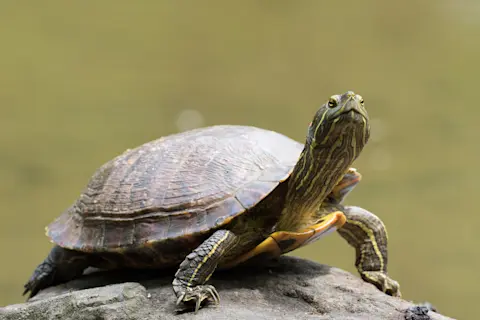
- Turtles have hard shells to block injuries.
- Armadillos roll into a ball to protect soft parts.
- Burrowing animals dig deep holes for shelter.
- Birds use strong claws to grip tree branches.
Camouflage And Concealment
Many animals blend into their surroundings to hide from danger. Their colors and patterns look like leaves, bark, or dirt.
Hiding in plain sight helps animals avoid predators and find shelter during storms. It also helps them stay calm and still.
- Leaf insects look like real leaves to stay hidden.
- Owls have feathers that match tree bark colors.
- Frogs have skin colors that blend with wet ground.
- Snakes use patterns to disappear in tall grass.

Credit: www.birdsandblooms.com
Survival Strategies In Different Habitats
Hurricanes bring strong winds and heavy rains that threaten many animals. Wildlife uses special ways to survive in these storms. Each habitat offers different challenges and shelters.
Animals adapt based on where they live. Forest, ocean, and wetlands have unique survival strategies. These help wildlife stay safe until the hurricane passes.
Forest Dwellers
Animals in forests find shelter in trees or underground. Many birds hide in thick branches or tree hollows. Small mammals use burrows or dense bushes to avoid the wind.
Some animals slow down and stay still to save energy. They wait quietly until the storm ends. Trees with strong roots help protect many creatures from falling debris.
- Birds nest in deep tree holes
- Mammals hide in burrows or thick shrubs
- Slow movement to save energy
- Strong-rooted trees provide shelter
Marine Life
Marine animals sense changes in water and currents. Fish swim to deeper waters to avoid rough waves. Larger sea creatures move away from the coast before the storm hits.
Coral reefs offer protection for smaller fish and invertebrates. They hide inside the reef crevices to stay safe. Some sea animals reduce activity to conserve energy during the storm.
- Fish swim to deep, calm waters
- Sea creatures move offshore
- Reefs provide hiding spots
- Energy conservation by reducing movement
Wetland Species
Wetland animals use water and plants for shelter. Frogs and turtles hide under mud or thick plant cover. Birds fly to nearby safe areas or hold onto strong branches.
Some animals float or swim to avoid floodwaters. They can stay afloat or move quickly to safer spots. Wetlands’ tall grasses and reeds help block wind and water force.
- Hide under mud or dense plants
- Birds fly to safe nearby places
- Float or swim away from floods
- Grasses shield from wind and water
Role Of Sensory Abilities
Wildlife uses senses to survive hurricanes. Animals can sense changes in the weather. This helps them prepare and stay safe.
Sensory abilities guide animals during storms. They help find shelter and avoid danger. These skills are key to survival.
Detecting Weather Changes
Many animals detect weather changes through their senses. They feel shifts in air pressure, hear distant thunder, or smell rain coming. This alerts them to an approaching storm.
- Birds sense air pressure drops and stop flying.
- Fish swim deeper to avoid rough waters.
- Insects hide before heavy rain starts.
- Mammals hear wind changes and seek shelter.
Navigating During Storms
During hurricanes, animals use their senses to move safely. They rely on touch, sight, and hearing to find safe places. Some animals also use Earth’s magnetic field to guide them.
| Animal | Navigation Method |
| Sea turtles | Magnetic field sensing |
| Birds | Visual landmarks and sound |
| Salmon | Smell and water currents |
| Bats | Echo-location and hearing |
Post-hurricane Recovery
Wildlife faces many challenges after a hurricane. The storm can destroy homes and food sources. Animals must find ways to survive and recover.
This section looks at how animals rebuild habitats, adapt food sources, and recover their population.
Rebuilding Habitats
After a hurricane, many animals lose their homes. Trees fall and shelters wash away. Wildlife works to find or create new places to live.
Some animals use fallen branches to build nests. Others move to safer areas nearby. Nature slowly repairs itself as plants grow back.
Food Source Adaptations
Food can become scarce after a hurricane. Animals must change their diets or hunting habits to survive. Many look for new types of food.
- Birds may eat seeds instead of insects.
- Fish move to calmer waters to find food.
- Mammals search wider areas for plants or prey.
- Insects feed on decaying plants and animals.
Reproduction And Population Recovery
After a hurricane, animal numbers often drop. Reproduction helps populations grow again. Many species increase breeding to recover quickly.
| Animal Type | Recovery Strategy | Breeding Rate Change |
|---|---|---|
| Birds | Build new nests fast | Higher in spring |
| Amphibians | Lay eggs in new water pools | Increase after rains |
| Mammals | Find new shelter and mates | Moderate increase |
| Insects | Use decaying matter for larvae | Rapid growth |
Human Impact And Conservation Efforts
Hurricanes cause big damage to nature and wildlife. People can make this worse by cutting trees and building in wild areas.
Conservation efforts help animals survive storms. People work to protect species and restore their homes.
Protecting Vulnerable Species
Some animals struggle more than others during hurricanes. These species need special care to survive.
Conservationists watch these animals closely and create safe places for them. They also help injured wildlife after storms.
- Setting up wildlife shelters
- Breeding programs for endangered species
- Tracking animal movements before storms
- Rescuing and treating injured animals
Restoring Natural Habitats
Hurricanes can destroy forests, wetlands, and coral reefs. These habitats are homes for many animals.
People plant trees, clean wetlands, and rebuild reefs to help nature heal. This gives animals a place to live again.
- Replanting native trees and plants
- Removing debris from wetlands
- Restoring coral reefs with new coral
- Protecting areas from future damage

Credit: www.birdsandblooms.com
Frequently Asked Questions
How Do Animals Prepare For Hurricanes?
Wildlife senses changes in weather and seeks shelter early. Many animals store food or migrate to safer areas. This natural instinct helps them survive intense storms and flooding.
What Habitats Protect Wildlife During Hurricanes?
Dense forests, burrows, and wetlands provide crucial shelter for wildlife. These habitats shield animals from strong winds and rising waters. They serve as safe refuges during and after hurricanes.
How Do Marine Animals Survive Hurricane Storms?
Marine animals swim to deeper waters to avoid turbulent surfaces. Coral reefs and underwater structures offer protection from strong currents. This behavior reduces injury and helps marine life endure hurricanes.
Do Hurricanes Affect Wildlife Migration Patterns?
Yes, hurricanes can alter migration routes temporarily. Animals may delay travel or change paths to avoid storm impact. These adaptations ensure better survival chances during extreme weather.
Conclusion
Wildlife shows great strength during hurricanes. Animals find shelter or move to safer places. They use natural instincts to survive tough times. Many species adapt quickly to changing conditions. This resilience helps ecosystems recover after storms. Nature’s power and survival skills go hand in hand.
Understanding these processes helps us protect wildlife better. Storms are harsh, but life finds a way. Watching animals survive teaches us about hope and strength.