Can Feral House Cats Survive Cold Weather? Essential Facts Revealed
As the temperatures start to drop, you might find yourself wrapped in layers, sipping hot cocoa, and cozying up by the fire. But have you ever paused to wonder how feral house cats manage to cope with the biting cold?
These independent felines, often seen prowling the streets or hiding in alleyways, face a unique set of challenges when winter arrives. Can they really endure the harsh conditions, or do they need a helping hand? You’ll uncover the fascinating truths about how these resilient creatures navigate freezing temperatures and what you can do to make a difference in their lives.
You’ll be surprised by what you learn, and it might just change the way you see these mysterious, untamed cats.

Credit: www.reddit.com
Feral Cats And Cold Climates
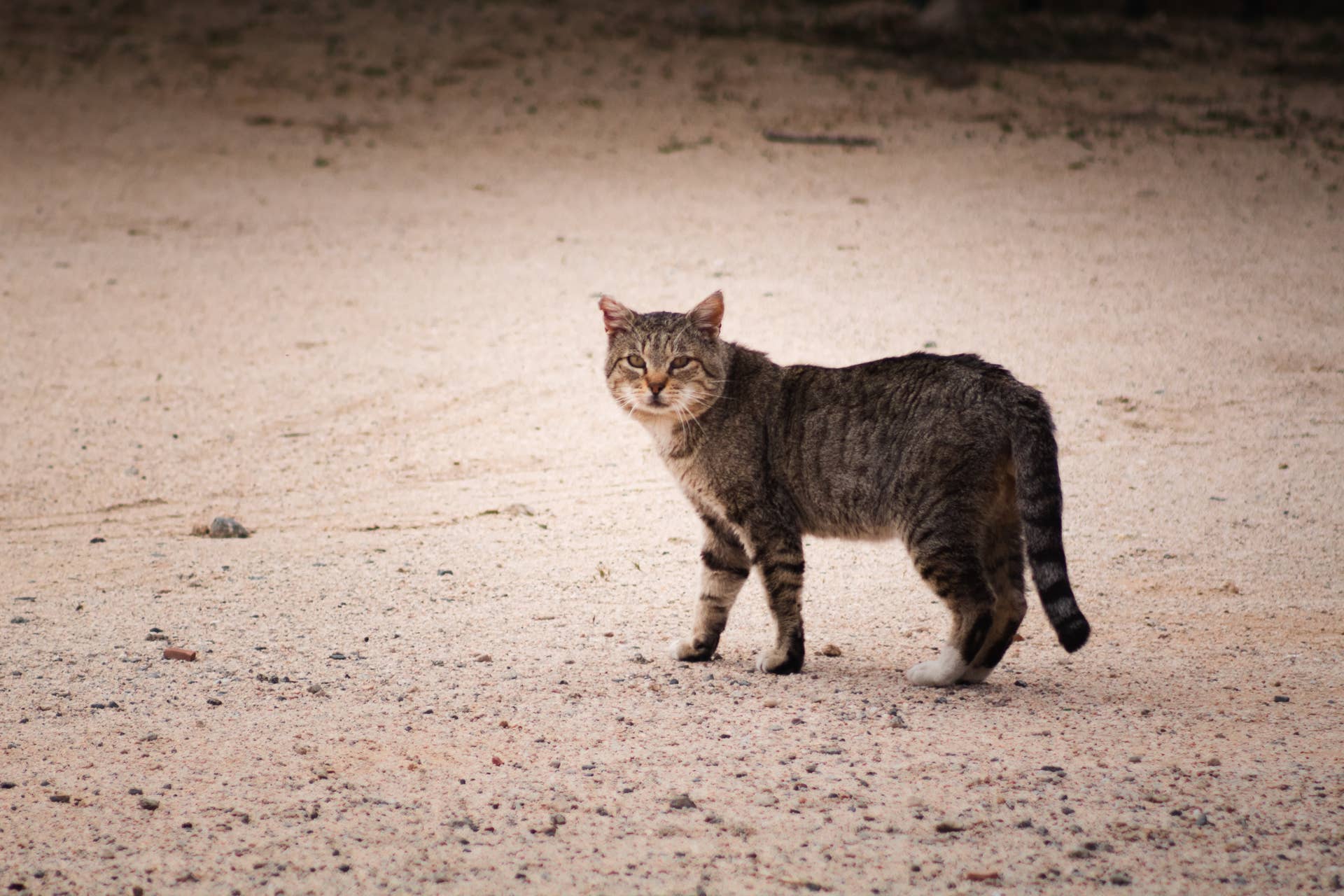
Feral house cats live outside without owners. They must survive cold weather in many places.
Cold climates can be very hard for feral cats. They use natural skills and habits to stay warm.
Natural Adaptations
Feral cats have thick fur that helps keep them warm. Their fur grows denser in winter.
They have a layer of fat under their skin. This fat acts like insulation against the cold.
- Thick winter fur traps heat
- Fat layer provides extra warmth
- Small body parts reduce heat loss
- Sharp claws help find shelter
Behavioral Changes In Winter
In cold weather, feral cats change how they act. They look for safe places to stay warm.
They sleep more to save energy. Feral cats also group together to share body heat.
- Find shelter in sheds or under cars
- Sleep during the coldest parts of the day
- Stay close to other cats for warmth
- Hunt more during daylight when it’s warmer
Challenges Faced In Cold Weather
Feral house cats face many problems during cold weather. The drop in temperature makes survival harder for them. They must find ways to stay warm and safe.
Cold weather also limits their access to food and water. This creates serious risks to their health and well-being.
Finding Shelter
Cold weather forces feral cats to seek shelter from wind and snow. They look for hidden and dry places to stay warm. Common shelters include old buildings, garages, and dense bushes.
Without good shelter, cats can suffer from frostbite or hypothermia. They need to find spots that block cold air and keep their body heat inside.
Accessing Food And Water
Food and water are harder to find in cold weather. Snow covers the ground, hiding prey and water sources. Cats must be more active to find enough food.
- Prey animals become scarce in winter
- Water may freeze, making drinking difficult
- Human garbage is less available due to closures
- Cats may need to travel far to find food
Health Risks
Cold weather brings many health risks for feral cats. Their immune systems weaken without good food and shelter. Illnesses can spread faster in harsh conditions.
| Risk | Description |
| Frostbite | Freezing of skin on ears, tail, and paws |
| Hypothermia | Dangerous drop in body temperature |
| Respiratory infections | Common due to cold and damp conditions |
| Malnutrition | Weakness from lack of food |
Survival Strategies
Feral house cats face many challenges during cold weather. They use different ways to survive the low temperatures. Their survival depends on finding warmth, catching food, and working together.
These cats are tough and smart. They adapt their behavior to live through winter days and nights outside.
Seeking Warmth
Feral cats look for places that protect them from wind and cold. They hide in small spaces like sheds, under cars, or thick bushes. These spots keep heat close to their bodies.
They also curl up tightly to save body heat. Their fur grows thicker in cold months to keep them warm.
Hunting Adjustments
Cold weather changes how easy it is for cats to find food. Feral cats hunt more at dawn and dusk when animals are active. They may also expand their hunting areas.
They rely on smaller prey that stays active in winter. Their sharp senses help them catch mice, birds, and insects even in snow.
- Hunt during warmer parts of the day
- Focus on small, active prey
- Use patience and stealth to catch food
Group Living Benefits
Living in groups helps feral cats stay warm and safe. They share body heat by sleeping close together. This behavior reduces heat loss for each cat.
Groups also protect each other from threats. Cats watch out for danger and share hunting spots, making survival easier in cold weather.
- Sleep close to keep warm
- Share safe hiding spots
- Help find food and protect each other
Credit: pethelpful.com
Human Role In Supporting Feral Cats
Feral house cats face many challenges in cold weather. They need extra help from people to survive. Humans can provide shelter, food, and medical care to keep them safe and healthy.
Supporting feral cats is a kind act that improves their chances of living through harsh winters. It also helps control their population and keeps the community safe.
Providing Shelter Options
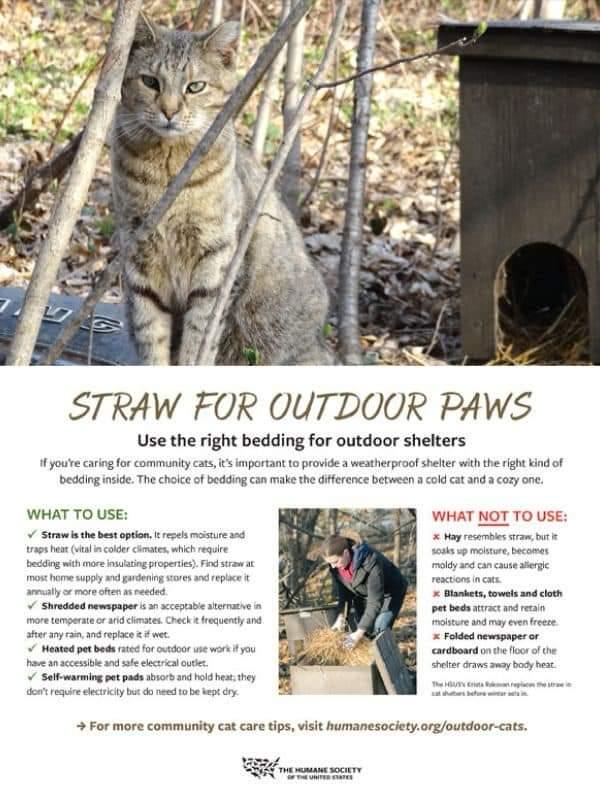
Feral cats need warm and dry places to hide from the cold. People can build or provide shelters that block wind and keep heat inside.
- Use insulated boxes with straw for bedding
- Place shelters in quiet, safe areas away from traffic
- Ensure shelters have small entrances to keep out bigger animals
- Check shelters regularly and replace wet bedding
Supplying Food And Water
Cold weather makes it harder for feral cats to find food. People can help by giving fresh food and water daily.
| Food Type | Why It Helps |
| Dry kibble | Lasts longer outside, easy to store |
| Wet canned food | Provides extra moisture and calories |
| Fresh water | Prevents dehydration, especially if water freezes |
Medical Care And Monitoring
Health checks are important to spot illness or injury in feral cats. People can watch for signs and help arrange care.
- Observe cats for limping, sneezing, or eye discharge
- Trap cats humanely for vaccination and spaying/neutering
- Contact local vets or animal groups for treatment help
- Keep records of cat health and feeding schedules
Signs Of Cold Stress In Feral Cats
Feral cats face tough challenges in cold weather. They cannot always find warm shelter or enough food.
Recognizing signs of cold stress helps people understand their needs and risks during winter.
Physical Symptoms
Cold stress causes clear physical changes in feral cats. Watch for these symptoms to identify if a cat is suffering.
- Shivering or trembling
- Pale or cold ears and paws
- Thin or patchy fur
- Slow movements or stiffness
- Hunched body posture to conserve heat
- Visible weight loss
- Lethargy or weakness
Behavioral Indicators
Feral cats also show behavior changes when cold. These signs help spot cold stress beyond physical symptoms.
| Behavior | What It Means |
| Seeking shelter in tight spaces | Trying to stay warm and protected |
| Reduced activity | Saving energy to keep body heat |
| Aggression or irritability | Stress and discomfort from cold |
| Huddling with other cats | Sharing body heat for warmth |
| Less grooming | Low energy or illness |

Credit: www.reddit.com
Frequently Asked Questions
Can Feral Cats Survive Harsh Winter Conditions?
Yes, feral cats can survive harsh winters by seeking shelter and using their thick fur for insulation. They adapt by finding warm places like sheds or under porches. However, extreme cold can still pose serious risks to their health and survival.
How Do Feral Cats Keep Warm In Cold Weather?
Feral cats keep warm by curling up tightly to conserve body heat. They also fluff their fur to trap warm air close to their bodies. Additionally, they seek sheltered spots protected from wind, rain, and snow to stay as warm as possible.
Do Feral Cats Need Extra Food In Winter?
Yes, feral cats need extra food in winter as they burn more calories to stay warm. Providing high-calorie food helps them maintain energy and body heat. Consistent feeding during cold months supports their survival and overall health.
Can Feral Cats Get Frostbite Or Hypothermia?
Yes, feral cats are vulnerable to frostbite and hypothermia in extreme cold. Prolonged exposure to freezing temperatures can damage their ears, paws, and tails. Providing shelter and food reduces these risks and helps them survive winter safely.
Conclusion
Feral house cats face real challenges in cold weather. They use thick fur and find shelter to stay warm. Food and water become harder to find outside. Many cats struggle without help during harsh winters. People can help by providing safe places and food.
Survival depends on the cat’s health and environment. Cold weather is tough but not impossible for them. Watching and caring for these cats makes a big difference. Their strength and instincts help them face cold days.