Can Cows Survive Cold Weather: Essential Tips for Their Survival
Ever wondered how cows manage during those chilly winter months? If you’ve ever been concerned about the welfare of these gentle giants when temperatures drop, you’re not alone.
As someone who cares about animals or perhaps someone who relies on them for livelihood, understanding their winter survival is crucial. Imagine waking up to see your cows content and healthy, even when the frost blankets the ground. This isn’t just about their survival; it’s about ensuring your peace of mind.
Discover how cows cope with cold weather and what you can do to support them. Are you ready to uncover the secrets to keeping your herd thriving through the cold? Let’s dive in and explore the fascinating resilience of cows in winter.

Credit: onpasture.com
Cow Adaptations To Cold
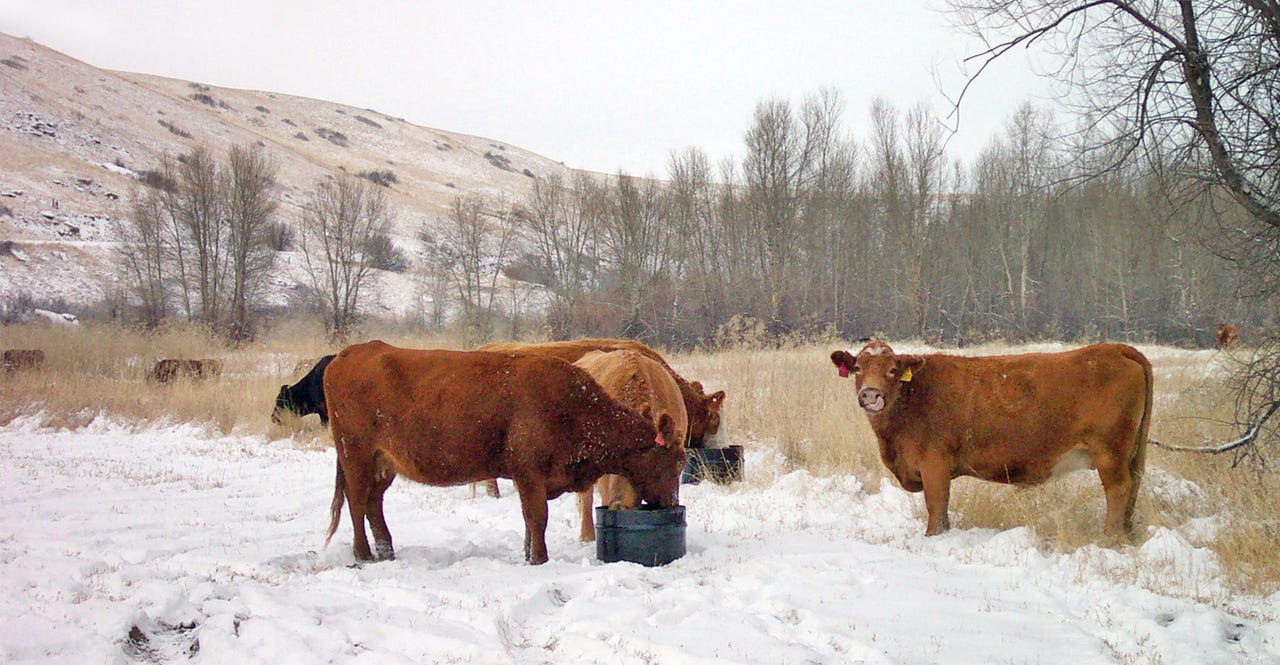
Cows live in many parts of the world, including cold places. They have special ways to stay warm in winter. Their bodies and habits help them survive cold weather.
Understanding how cows adapt helps farmers care for them better. These adaptations keep cows healthy and comfortable when it is cold outside.
Natural Insulation Features
Cows have thick fur that acts like a warm coat. This fur traps heat close to their skin. Their skin also helps reduce heat loss.
Under the fur, cows have a layer of fat. This fat works like insulation to keep their body heat inside. It helps them stay warm during cold days.
- Thick winter fur grows in cold seasons
- Dense undercoat traps warm air
- Fat layer stores energy and insulates
Behavioral Changes In Winter
Cows change their behavior to stay warm. They huddle together to share body heat. This group behavior helps them reduce heat loss.
They also eat more food in winter. Extra food gives them energy to keep warm. Cows may rest more to save energy during very cold times.
- Huddle together for warmth
- Eat extra food to generate heat
- Rest more to conserve energy
Breed Differences In Cold Tolerance
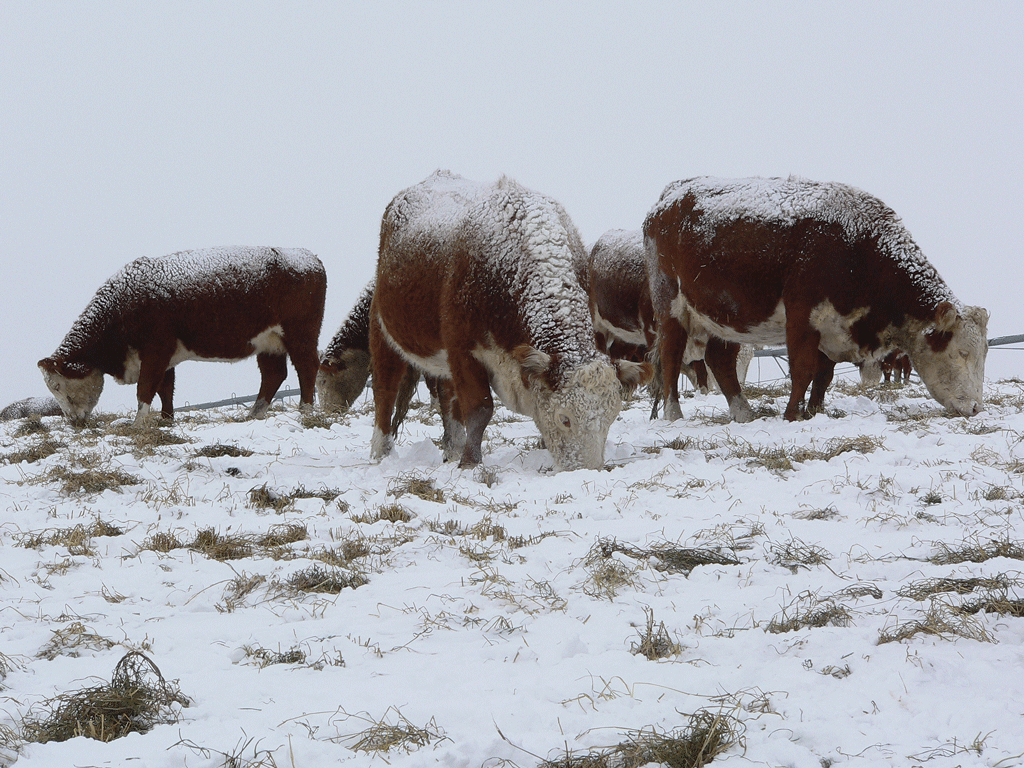
Some cow breeds handle cold better than others. Breeds from cold regions have thicker fur and more fat. They are naturally built to survive harsh winters.
Other breeds from warm areas may struggle in cold weather. Farmers choose breeds based on the climate. This helps cows stay healthy all year round.
| Breed | Cold Tolerance | Key Feature |
|---|---|---|
| Scottish Highland | High | Long thick coat |
| Hereford | Medium | Dense fur and fat |
| Holstein | Low | Thin coat, better in mild climates |
Shelter Needs For Cold Weather
Cows need proper shelter to stay safe in cold weather. Cold and wet conditions can make them sick.
Good shelter helps cows keep warm and dry. It protects them from wind, snow, and rain.
Types Of Effective Shelters
There are different shelters farmers use to keep cows warm. Barns and sheds are common. These buildings block cold air and keep heat inside.
- Barns with solid walls and roofs
- Open-sided sheds with wind protection
- Natural shelters like thick tree lines
- Portable shelters for small herds
Windbreaks And Their Importance
Wind can chill cows quickly and lower their body temperature. Windbreaks stop cold winds and keep animals calm.
| Type of Windbreak | Material | Benefit |
| Natural | Trees, bushes | Blocks wind and snow |
| Artificial | Fences, walls | Creates calm area |
| Combination | Trees + fence | Best protection |
Maintaining Dry And Warm Conditions
Dry cows stay warm better than wet cows. Wet fur loses heat fast. Good shelters keep cows dry and warm all day.
- Use bedding like straw or wood shavings
- Fix leaks in roofs and walls
- Remove wet bedding regularly
- Ensure proper ventilation without drafts
Nutrition For Cold Survival
Cows need extra nutrition to survive cold weather. Their bodies burn more energy to stay warm. Farmers must adjust feeding plans in winter.
Good nutrition helps cows keep weight and stay healthy. This guide covers energy needs, feeding tips, and water care for cold months.
Increased Energy Requirements
Cold weather raises cows’ energy needs. They burn calories faster to keep their body heat. Extra energy comes from more feed or higher quality food.
- Cows need up to 20% more energy in winter.
- Feed more grains and high-energy forages.
- Keep feed fresh and easy to eat.
- Monitor body condition regularly.
Feeding Strategies In Winter
Feeding cows well in winter means giving balanced nutrition. Farmers use different feeds and schedules to meet needs. Consistency is important to avoid stress.
| Feed Type | Purpose | Notes |
| Hay | Fiber and energy | Provide good quality, dry hay |
| Grain | Extra calories | Feed in small amounts to avoid digestive upset |
| Silage | Moisture and nutrients | Keep covered to prevent spoilage |
| Supplements | Vitamins and minerals | Use as directed by a vet |
Water Access And Prevention Of Freezing
Water is vital for cows in cold weather. Frozen water can cause dehydration and health problems. Keep water sources thawed and clean.
- Use heated water troughs or buckets.
- Check water supply several times a day.
- Break ice if it forms on ponds or tanks.
- Provide fresh water to encourage drinking.
Health Monitoring During Cold
Cows can live in cold weather if they are well cared for. Watching their health is very important.
Cold can make cows sick fast. Farmers need to check cows often to keep them safe.
Signs Of Cold Stress
Cows show signs when cold harms them. Look for these signs to help them early.
- Shivering or trembling
- Hunched back or standing still
- Slow or weak movements
- Less eating or drinking
- Labored breathing or coughing
Preventing Frostbite And Hypothermia
Frostbite and hypothermia are serious cold injuries. Prevent them by keeping cows warm and dry.
Use shelters that block wind and give dry bedding. Make sure cows have enough food for energy.
- Provide windbreaks or barns
- Use dry straw or hay for bedding
- Feed extra high-energy food
- Check cows daily for cold injuries
- Keep water unfrozen and clean
Regular Health Checks
Check cows often during cold weather. Early care helps stop illness and injury.
Look at their body, eyes, and breathing. Note any changes in behavior or appetite.
- Examine skin for sores or frostbite
- Watch for unusual breathing or coughing
- Check for weight loss or weakness
- Keep records of health observations
- Call a vet if signs get worse
Managing Bedding And Comfort
Cows need warm and dry bedding to stay comfortable in cold weather. Proper bedding helps keep their body heat and prevents illness.
Good bedding also supports cow health by reducing stress and injury. It is important to choose the right materials and keep the bedding clean.
Best Bedding Materials
Choose bedding that insulates well and absorbs moisture. This keeps cows warm and dry during cold days and nights.
- Straw: Soft and good for insulation, but needs frequent changing.
- Wood shavings: Absorbent and easy to clean, safe for cows.
- Sand: Drains well and stays dry, but can be hard on cow joints.
- Rubber mats: Provide comfort and reduce cold floors but need bedding on top.
Maintaining Clean And Dry Bedding
Wet bedding causes cold and sickness. Check bedding daily to remove wet spots and manure. Good ventilation helps keep bedding dry.
Here are tips to keep bedding clean and dry:
- Remove manure and wet areas every day.
- Use a blower or rake to loosen compacted bedding.
- Keep water sources away from bedding areas.
- Ensure barn airflow is steady and avoids drafts.
Bedding Replacement Frequency
| Type of Bedding | Replacement Frequency | Notes |
|---|---|---|
| Straw | Every 1-3 days | Change often to prevent moisture buildup |
| Wood shavings | Every 3-7 days | Depends on moisture levels and cow traffic |
| Sand | Weekly or as needed | Rake regularly to remove waste |
| Rubber mats with bedding | Change bedding daily | Keep mats clean under bedding |
Credit: www.beefmagazine.com
Exercise And Movement
Cows need regular movement to stay healthy, even in cold weather. Moving helps keep their muscles strong and supports good blood flow.
Exercise also helps cows stay warm by generating body heat. Keeping cows active reduces stress and improves their overall well-being.
Importance Of Mobility In Cold
Cold weather can make cows less active. But they still need to move to keep their joints flexible and muscles working well. Movement helps cows avoid stiffness and injury.
Regular walking and gentle exercise keep cows healthy. It also helps them produce more milk and maintain body weight during winter.
Safe Areas For Outdoor Access
Cows need safe places outside where they can walk and exercise. These areas must have good footing and protection from strong winds.
- Dry ground or well-drained pasture
- Flat or gently sloping land
- Windbreaks such as trees or fences
- Clear of ice patches and obstacles
- Access to fresh water and shelter
Preventing Slips And Falls
Slips and falls can hurt cows and reduce their mobility. It is important to keep walking paths safe and reduce icy surfaces.
| Risk Factor | Prevention Method |
| Ice on paths | Spread sand or gravel |
| Muddy ground | Improve drainage |
| Uneven surfaces | Level the ground |
| Snow buildup | Clear snow regularly |
| Poor lighting | Use outdoor lights |

Credit: ktvo.com
Frequently Asked Questions
Can Cows Naturally Survive Cold Weather Conditions?
Yes, cows can survive cold weather naturally. They grow thicker coats and increase their metabolism to stay warm. Proper shelter and nutrition help them endure harsh winters effectively.
What Shelter Is Best For Cows In Cold Weather?
A well-ventilated, dry barn with wind protection is ideal. It prevents cold stress and keeps cows comfortable during freezing temperatures. Bedding like straw also adds warmth.
How Does Cold Weather Affect Cow Health And Productivity?
Cold weather can reduce milk production if cows are stressed. It may increase energy needs and risk of illness. Proper care minimizes negative impacts on health and output.
Do Cows Need Extra Feed In Winter?
Yes, cows require more feed in winter to maintain body heat. High-energy and fiber-rich diets help meet their increased energy demands in cold weather.
Conclusion
Cows can survive cold weather with proper care. They grow thick fur to keep warm. Farmers must provide shelter and enough food. Water should not freeze, so cows stay healthy. Strong wind and wet conditions cause stress. Keeping cows dry helps them stay comfortable.
Cold weather is tough, but cows adapt well. With good management, cows stay safe and productive. Understanding their needs helps farmers protect them. Cold weather is manageable for cows with right steps.