What are 10 Things You Need to Survive a Hurricane: Essential Gear Guide
When the winds howl and the skies darken, are you ready to face a hurricane head-on? Your preparation can make all the difference between safety and chaos.
Imagine having everything you need right at your fingertips, ensuring the protection and well-being of you and your loved ones. In this blog post, we will uncover the 10 essential things you must have to survive a hurricane. These aren’t just suggestions; they’re your lifeline in the storm.
As you read through, picture the peace of mind that comes from being fully prepared, and discover how each item on this list can play a crucial role in keeping you safe. Are you ready to transform uncertainty into confidence? Let’s dive in and make sure you’re equipped for whatever nature throws your way.
Emergency Water Supply
Water is one of the most important things to have during a hurricane. You may lose access to clean water. Having a safe water supply helps keep you healthy.
Prepare enough water for drinking, cooking, and cleaning. Plan for at least one gallon per person each day.
Recommended Water Storage
Store water in clean, food-grade containers. Avoid containers that held chemicals or non-food items. Use bottles or jugs with tight lids.
Keep stored water in a cool, dark place. Replace your water every six months to keep it fresh.
- Use plastic containers labeled “food grade”
- Store at least three days’ supply per person
- Keep water away from heat and sunlight
- Label containers with storage date
- Seal containers tightly to prevent contamination
Purification Methods
You may need to purify water if the supply is unsafe. Boiling water is the easiest way to kill germs. Boil for at least one minute.
Water purification tablets and filters also work well. Follow product instructions carefully for best results.
- Boil water for 1 minute to kill bacteria and viruses
- Use water purification tablets as directed
- Use portable water filters for large amounts
- Store purified water in clean containers
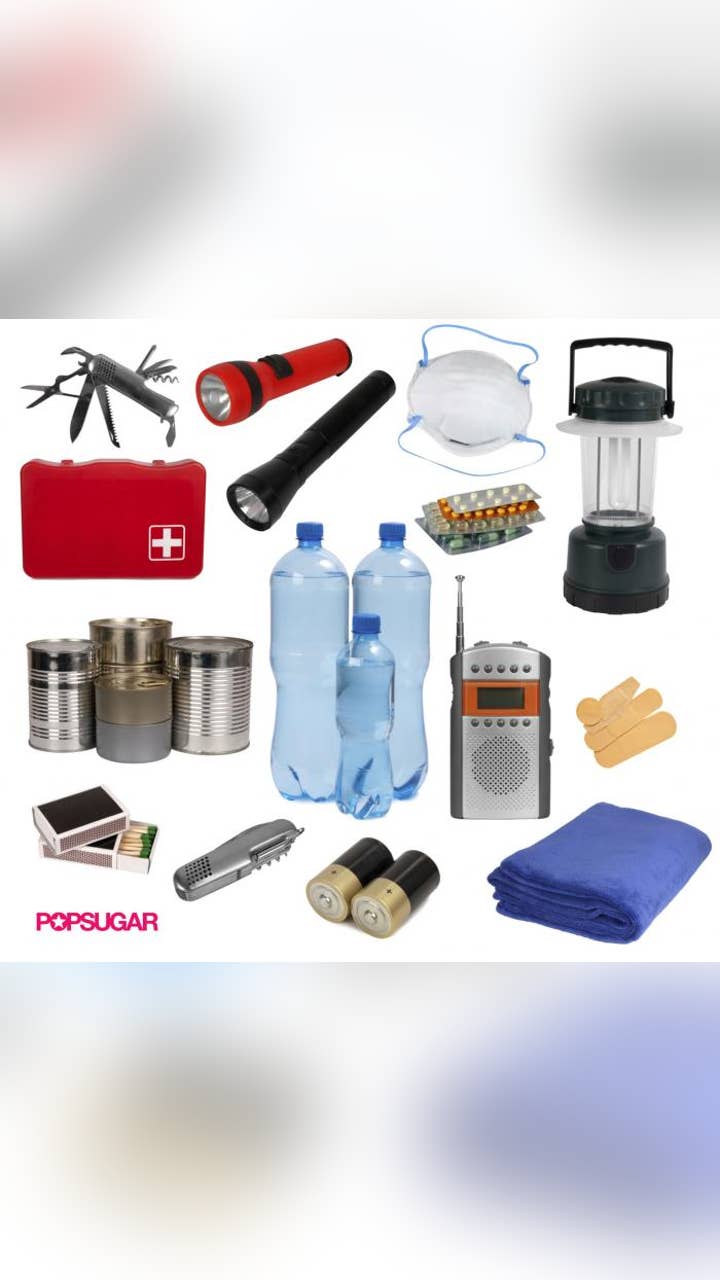
Credit: www.foxnews.com
Non-perishable Food Items
Non-perishable food items are key to surviving a hurricane. These foods last long without refrigeration. They keep you nourished when fresh food is unavailable.
Choosing the right foods helps you stay healthy and strong. Focus on items that store well and provide good energy.
Best Long-lasting Foods
Pick foods that stay good for months or years. Canned goods, dried foods, and sealed packages work well. These items resist spoilage and keep their nutrients.
- Canned beans and vegetables
- Peanut butter in sealed jars
- Dried pasta and rice
- Instant oatmeal packets
- Canned tuna or chicken
- Powdered milk or shelf-stable milk
- Granola bars and trail mix
- Canned soups and stews
- Dehydrated fruits
- Instant coffee or tea bags
Meal Planning Tips
Plan meals to use your stored food well. Balance proteins, carbs, and fats. Rotate your stock to keep food fresh. Prepare simple recipes needing little water or heat.
| Meal Component | Example Food | Storage Tip |
| Protein | Canned tuna, peanut butter | Store in cool, dry place |
| Carbohydrates | Rice, pasta, instant oatmeal | Keep sealed to avoid moisture |
| Fruits and Vegetables | Canned vegetables, dried fruits | Check cans for dents before use |
| Fats | Peanut butter, nuts | Use airtight containers |
| Beverages | Powdered milk, coffee | Store away from light |
First Aid Kit Essentials
A first aid kit is key for staying safe during a hurricane. It helps you treat injuries quickly. You must have the right supplies to handle common emergencies.
Keep your first aid kit ready and easy to find. Check it often and replace used or expired items. This kit can make a big difference in a crisis.
Basic Medical Supplies
Basic medical supplies help you manage small cuts, burns, or bruises. These items are simple but very useful when medical help is far away.
- Adhesive bandages of different sizes
- Antiseptic wipes and antibiotic ointment
- Sterile gauze pads and adhesive tape
- Elastic bandages for sprains
- Disposable gloves to keep clean
- Scissors and tweezers
- Pain relievers like ibuprofen or acetaminophen
- Thermometer to check for fever
Specialized Items
Specialized items cover more serious needs. They help with wounds, allergies, or breathing problems. Add these if you or your family have special health issues.
- Burn cream or aloe vera gel
- Hydrocortisone cream for itching or rashes
- Allergy medicine and an epinephrine injector (if needed)
- CPR face shield for rescue breathing
- Instant cold packs to reduce swelling
- Medical tape for securing dressings
- Splint materials to support broken bones
- Any prescription medicines you need
Reliable Flashlights And Batteries
Flashlights are essential tools during a hurricane. Power outages make it hard to see and stay safe. Good flashlights help you move around and find what you need.
Batteries keep your flashlights working. Without fresh batteries, your flashlight is useless. It is important to choose the right types and store them well.
Types Of Flashlights
There are several types of flashlights you can use during a hurricane. Each has its own benefits and uses. Knowing which one to pick helps you stay prepared.
- LED Flashlights:Bright and use less battery power. They last longer in emergencies.
- Hand-Crank Flashlights:Do not need batteries. You crank a handle to make light.
- Solar Flashlights:Charge in sunlight. Good for long-term use when power is out.
- Headlamps:Free your hands. Useful when you need to do tasks in the dark.
- Compact Flashlights:Small and easy to carry. Good for quick light when moving around.
Battery Storage Tips
Proper battery storage keeps them ready for use. Batteries lose power if not stored well. Follow these tips to keep your batteries fresh.
| Tip | Description |
| Keep Cool | Store batteries in a cool, dry place away from heat. |
| Use Original Packaging | Keep batteries in original packs to avoid short circuits. |
| Separate Old and New | Do not mix old and new batteries in devices. |
| Check Expiry Dates | Use batteries before their expiration date for best power. |
| Remove Batteries | Take out batteries from flashlights if not used for a long time. |
Portable Radio Options
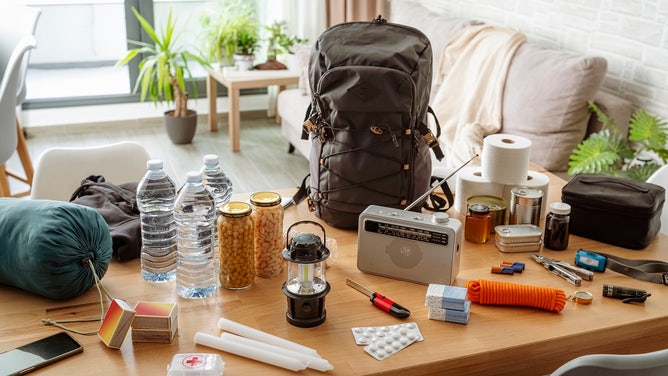
Having a reliable portable radio is very important during a hurricane. It helps you get news and weather updates. Radios work even when power is out.
There are different types of portable radios. Some use batteries, and others use hand-crank or solar power. Each has its own benefits.
Battery-powered Radios
Battery-powered radios are easy to use. You just insert fresh batteries and turn it on. They can last for many hours with good batteries.
It is smart to keep extra batteries in your emergency kit. Choose radios that use common battery sizes. This way, you can find batteries easily.
- Uses AA, AAA, or D batteries
- Simple to operate
- Good sound quality
- Needs battery replacements
Hand-crank And Solar Radios
Hand-crank radios do not need batteries. You turn a handle to create power. This makes them useful when batteries run out.
Solar radios use sunlight to charge. They work well during the day. Some models combine hand-crank and solar power for more options.
- No need for batteries
- Can charge using sunlight
- Hand crank creates power anytime
- Good for long emergencies
Credit: www.foxweather.com
Sturdy Shelter Materials
Having strong shelter materials is key to surviving a hurricane. They protect you from heavy rain and fierce winds.
Choosing the right materials can keep your family safe and reduce damage to your home.
Tarps And Tents
Tarps and tents offer quick and flexible shelter options. Tarps can cover damaged roofs or windows, while tents provide a temporary safe space.
- Use heavy-duty waterproof tarps to block rain and wind.
- Secure tarps with strong ropes and stakes to avoid flying debris.
- Choose tents made from thick, wind-resistant fabric.
- Set tents on flat ground away from trees and flood zones.
Reinforcing Your Home
Strengthening your home before a hurricane can save it from severe damage. Reinforcements make your shelter sturdier against storms.
| Reinforcement Method | Purpose | Materials Needed |
| Window Shutters | Protect glass from breaking | Wood or metal panels, screws |
| Door Bracing | Keep doors from blowing open | Wooden boards, nails |
| Roof Strapping | Hold roof securely to walls | Metal straps, bolts |
| Garage Door Strengthening | Prevent door collapse | Reinforcement kits |
Essential Clothing And Bedding
When a hurricane hits, having the right clothes and bedding is very important. They keep you safe and comfortable.
This guide tells you what clothing and bedding you need to survive a hurricane.
Weather-appropriate Clothing
Wear clothes that protect you from rain, wind, and cold. Choose items that dry fast and keep you warm.
Layer your clothes to adjust to changing weather. Waterproof jackets and sturdy shoes are a must.
- Waterproof rain jacket or poncho
- Long-sleeve shirts and pants for protection
- Quick-dry fabrics like polyester or nylon
- Sturdy, waterproof shoes or boots
- Hat or cap to shield from rain and sun
- Extra socks to keep feet dry
Warm Blankets And Sleeping Bags
Warm blankets and sleeping bags help keep your body heat. They are important if the power goes out.
Choose blankets made from wool or fleece. Sleeping bags should be rated for low temperatures.
- Wool or fleece blankets for warmth
- Sleeping bags rated for cold weather
- Extra blankets for sharing or layering
- Compact and easy to carry bedding
Tools And Multi-use Gear
Having the right tools is vital to survive a hurricane. Tools help you fix, build, and stay safe.
Multi-use gear saves space and gives you many functions in one item. This is helpful in emergencies.
Knives And Multi-tools
Knives are important for cutting rope, food, or materials. A strong, sharp knife can help in many ways.
Multi-tools combine knives, screwdrivers, scissors, and more. They are compact and easy to carry.
- Use knives to open cans and packages
- Multi-tools help fix broken gear
- Carry tools in a safe sheath or case
- Choose rust-resistant materials for wet conditions
Duct Tape And Rope
Duct tape is strong and sticks to many surfaces. It can fix leaks, hold broken items, or seal windows.
Rope is useful for tying down items, making shelters, or climbing. Strong rope is a must-have in storms.
- Use duct tape for quick repairs
- Keep rope to secure tents or tarps
- Rope helps create emergency clotheslines
- Wrap rope carefully to avoid tangles
Personal Hygiene Supplies
During a hurricane, staying clean helps keep you healthy. Personal hygiene is important when water might be limited.
Having the right supplies for hygiene helps stop sickness and keeps you comfortable.
Sanitation Products
Sanitation products keep your hands and body clean. They reduce germs that cause illness.
Pack items like soap, towels, and disinfectant wipes. These help keep germs away when water is scarce.
- Bar soap or liquid soap for washing hands
- Hand sanitizer with at least 60% alcohol
- Disinfectant wipes to clean surfaces
- Paper towels or clean cloths
- Toilet paper and moist wipes
Waterless Cleaners
Waterless cleaners help clean your skin without water. They are easy to use and save water.
Use waterless hand gels or foam to kill germs. These are good when you cannot wash your hands.
- Alcohol-based hand sanitizers
- Waterless cleansing wipes
- Foam cleansers for hands and face
- Dry shampoo for hair cleaning
Important Documents And Cash
Surviving a hurricane means preparing more than just food and water. Important documents and cash are essential for recovery and safety.
Keep these items safe and accessible to avoid problems during an emergency.
Protecting Vital Papers
Vital papers include IDs, insurance policies, medical records, and property deeds. These documents help prove your identity and claim aid.
- Store documents in waterproof and fireproof containers.
- Make digital copies and save them on a secure cloud service.
- Keep a folder with all important papers in an easy-to-carry bag.
- Share copies with a trusted family member or friend.
Emergency Cash Handling
Power outages may stop card payments. Having cash ready helps you buy essentials without delay.
| Cash Handling Tips | Why It Matters |
| Keep small bills and coins | Easier for quick purchases and vending machines |
| Store cash in a waterproof pouch | Protects money from water damage |
| Hide cash in multiple secure spots | Reduces risk of losing all money at once |
| Do not carry all cash with you | Limits loss if you are separated from belongings |
Credit: www.redcross.org
Frequently Asked Questions
What Are The Essential Items To Survive A Hurricane?
Essential items include water, non-perishable food, flashlight, batteries, first aid kit, and important documents. These supplies ensure safety and comfort during power outages and emergencies.
How Much Water Do You Need For Hurricane Survival?
You need at least one gallon of water per person daily. Plan for at least three days to stay hydrated during the hurricane.
Why Is A First Aid Kit Important During Hurricanes?
A first aid kit helps treat minor injuries quickly. It prevents infections and manages health issues when medical help is delayed.
Should I Have A Communication Plan During A Hurricane?
Yes, a communication plan keeps you connected with family. It ensures you can share your status and receive emergency updates.
Conclusion
Preparing these 10 things can keep you safe during a hurricane. Stay calm and act quickly. Keep your supplies ready and check them often. Remember, being ready helps you protect your family and home. Don’t wait until the storm hits.
Small steps now make a big difference later. Stay informed and follow safety rules. Your safety depends on good planning. Stay strong, stay safe.