Can Mice Survive Cold Weather? Surprising Facts Revealed!
Have you ever wondered how mice manage to survive when the cold weather rolls in? As the temperatures drop, these tiny creatures face a tough challenge.
You might think that their small size and delicate bodies make them vulnerable to the cold. But in reality, mice are surprisingly resilient and resourceful. Understanding how they cope with chilly conditions can offer insights into their survival tactics. It might even help you better protect your home from unexpected rodent guests during the winter months.
Stay with us as we uncover the fascinating strategies mice use to endure the cold, and discover what it means for your home.

Credit: www.jcehrlich.com
Mouse Adaptations To Cold
Mice face many challenges during cold weather. They have special ways to stay warm and survive. Their bodies and actions help them live through winter.
This article looks at how mice use physical traits and behavior to handle cold conditions. Understanding these helps us know how small animals cope with winter.
Physical Traits For Warmth
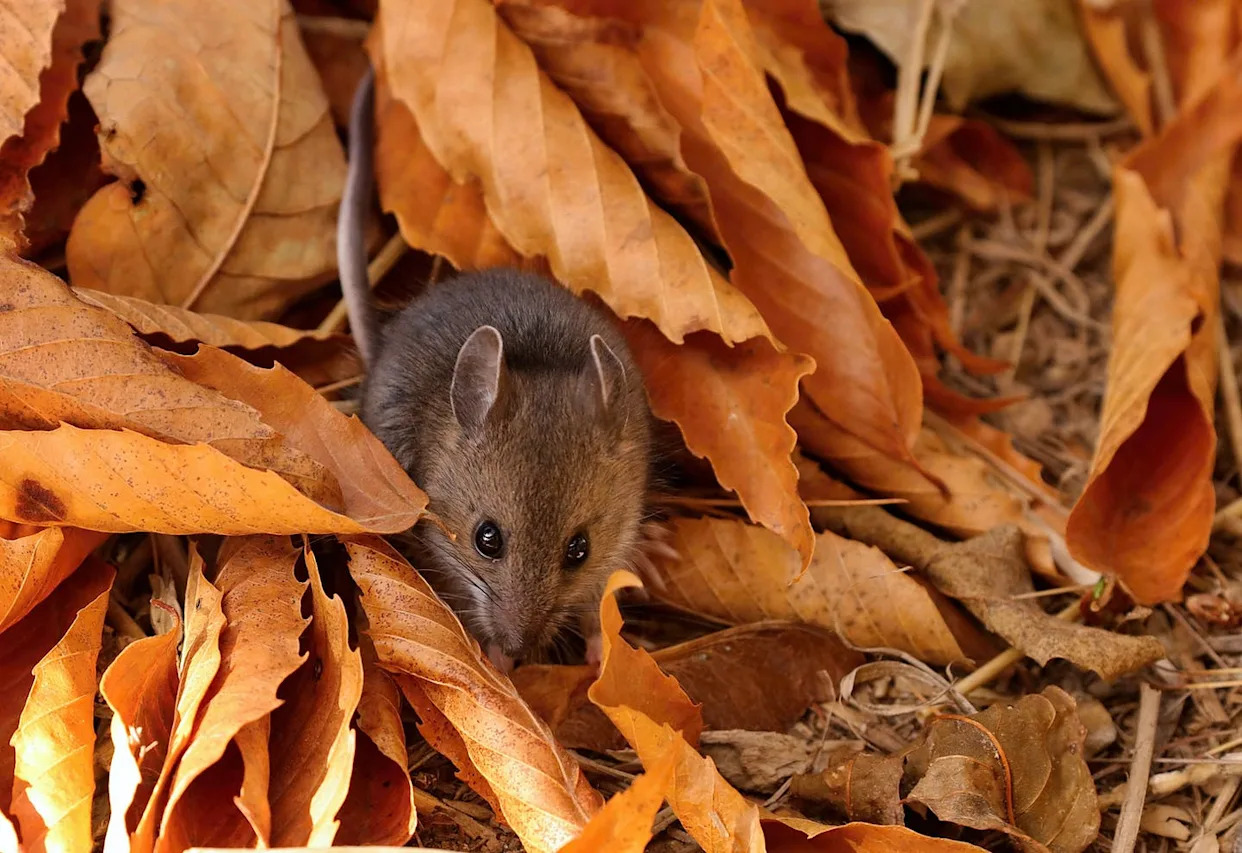
Mice grow thicker fur in cold months. This fur keeps their body heat inside. Their small size helps them hide in warm places.
- Thicker fur to trap heat
- Shorter tails to reduce heat loss
- Compact body shape to keep warmth
- Fat layers under the skin
Behavioral Changes In Winter
Mice change how they act when it is cold. They look for warm places and stay close to others. They also eat more to keep their energy up.
| Behavior | Purpose |
| Building nests | Creates warm shelter |
| Huddling together | Shares body heat |
| Eating more food | Increases energy reserves |
| Reducing activity | Saves energy |
How Mice Stay Warm
Mice face many challenges in cold weather. They must find ways to keep their bodies warm. Without warmth, mice can become weak and sick.
To survive the cold, mice use natural behaviors and skills. These help them keep heat and stay safe during winter.
Nest Building Techniques
Mice build nests to protect themselves from the cold. They use soft materials like leaves, grass, and shredded paper. These materials trap heat inside the nest.
Mice often build nests in hidden places. These include inside walls, under floors, or in piles of debris. The nests block cold air and keep the mice warm.
- Use soft materials for insulation
- Choose hidden, sheltered locations
- Build tight nests to reduce heat loss
Huddling And Social Behavior
Mice stay warm by huddling together in groups. This behavior helps share body heat. Many mice in one nest create a warmer space.
Social behavior also helps mice find food and protect each other. Group living increases their chances to survive cold weather.
- Huddle close to share body heat
- Live in groups for better warmth
- Work together to find food and safety
Diet Shifts In Cold Weather
Mice face harsh conditions in cold weather. Their food sources change as seasons shift.
They adapt their diet to survive the winter months. This helps them keep warm and alive.
Food Sources In Winter
Mice find fewer plants and seeds in winter. They eat what is still available and easy to find.
They often eat stored food in homes or nests. Small insects and leftover grains also help them survive.
- Seeds from evergreen plants
- Stored grains in barns or homes
- Small insects hiding under leaves or snow
- Leftover human food scraps
Energy Conservation Strategies
Mice save energy by eating high-calorie foods. This helps them keep their body heat in cold weather.
They also reduce their activity to use less energy. Staying in warm nests helps keep them safe and warm.
- Eat fatty seeds and grains for more energy
- Limit movement to save body heat
- Stay in insulated nests or burrows
- Huddle with other mice to share warmth

Credit: moxieservices.com
Mice Survival Challenges
Mice face many dangers when cold weather arrives. They must find ways to stay warm and safe. This is hard because their small bodies lose heat fast.
Besides the cold, mice must watch out for predators. These threats make survival even tougher during winter months.
Predators And Threats
Many animals hunt mice, especially in cold seasons when food is scarce. Predators include cats, owls, and snakes. Mice must hide well to avoid being caught.
- Domestic and wild cats
- Owls and hawks
- Foxes and coyotes
- Snakes and weasels
- Other larger rodents
Impact Of Harsh Weather Conditions
Cold weather challenges mice in many ways. They need warmth, food, and shelter to survive. Lack of these can cause death or illness.
| Challenge | Effect on Mice |
|---|---|
| Low temperatures | Frostbite, hypothermia |
| Snow and ice | Hard to find food and shelter |
| Food scarcity | Weakness and starvation |
| Wet conditions | Increased risk of illness |
Human Influence On Mouse Survival
Mice face cold weather that can be hard to survive. Humans affect how well mice live during winter. Our cities and homes change mouse habitats.
Understanding human impact helps us see why mice survive or struggle. Shelter and warmth from people play big roles.
Shelter In Urban Areas
Urban areas give mice many places to hide and stay warm. Buildings, trash, and pipes create safe shelters. These spots protect mice from cold winds and snow.
Humans build cities that offer mice food and shelter. Mice use cracks in walls and spaces under floors to stay safe.
- Basements and garages provide dry shelter
- Heaps of trash offer hiding places
- Warm spots near pipes help keep mice warm
Effects Of Heating Systems
Heating systems inside homes help mice survive cold weather. Warm air and heated pipes give extra heat. This warmth helps mice stay active in winter.
Mice often live near heaters or warm water lines. This warmth lowers their need to find food all the time. It also reduces their risk of freezing.
- Heated homes create warm spots for mice
- Warm pipes help mice keep body heat
- Heating reduces energy mice use to stay warm

Credit: www.earthkind.com
Comparing Species And Regions
Mice live in many different places around the world. Some live in cold areas, while others live where the weather is mild. Their ability to survive depends on their species and the region they live in.
This article looks at how cold-adapted mice differ from temperate mice. It also explores how survival rates change in different parts of the world.
Cold-adapted Vs. Temperate Mice
Cold-adapted mice have special traits to live in freezing weather. They have thicker fur and store more fat to stay warm. Temperate mice live where winters are milder and do not need such heavy insulation.
- Cold-adapted mice grow dense fur to keep heat.
- Temperate mice shed fur in winter to stay cool.
- Cold-adapted mice hibernate or reduce activity in deep cold.
- Temperate mice remain active year-round with some shelter.
Global Variations In Survival
Mice survival changes by region because of climate and food. Some species thrive in snowy places, while others do better in warm zones. The table below shows survival traits of mice in different regions.
| Region | Mouse Species | Survival Trait | Winter Strategy |
|---|---|---|---|
| Arctic | Collared Lemming | Thick fur, fat reserves | Burrows under snow |
| Temperate Forest | White-footed Mouse | Seasonal fur change | Stores food in nests |
| Desert | Deer Mouse | Light fur, water conservation | Active at night |
| Mountain | Mountain Vole | Compact body, thick fur | Hibernates during winter |
Frequently Asked Questions
Can Mice Survive In Freezing Temperatures?
Yes, mice can survive freezing temperatures by seeking shelter and reducing activity. They use nests and burrows to stay warm and conserve energy during cold weather.
How Do Mice Keep Warm In Winter?
Mice keep warm by huddling together and using insulated nests. They also increase food intake to generate body heat and maintain their survival in cold conditions.
Do Mice Change Behavior In Cold Weather?
Mice become less active and focus on finding food and shelter. They build thicker nests and stay indoors more often to protect themselves from the cold.
Can Cold Weather Kill Mice?
Extreme cold can kill mice if they lack shelter or food. However, their adaptability and survival strategies usually help them endure harsh winters.
Conclusion
Mice can survive cold weather by finding warm places to hide. They build nests with soft materials to stay warm. Their small size helps them hide from the cold wind. Food is harder to find, but they store some for winter.
Mice stay active during cold days, but they move less. Nature has given them ways to live through winter. Understanding this helps us handle mice problems better. Cold weather is tough, but mice adapt and survive.