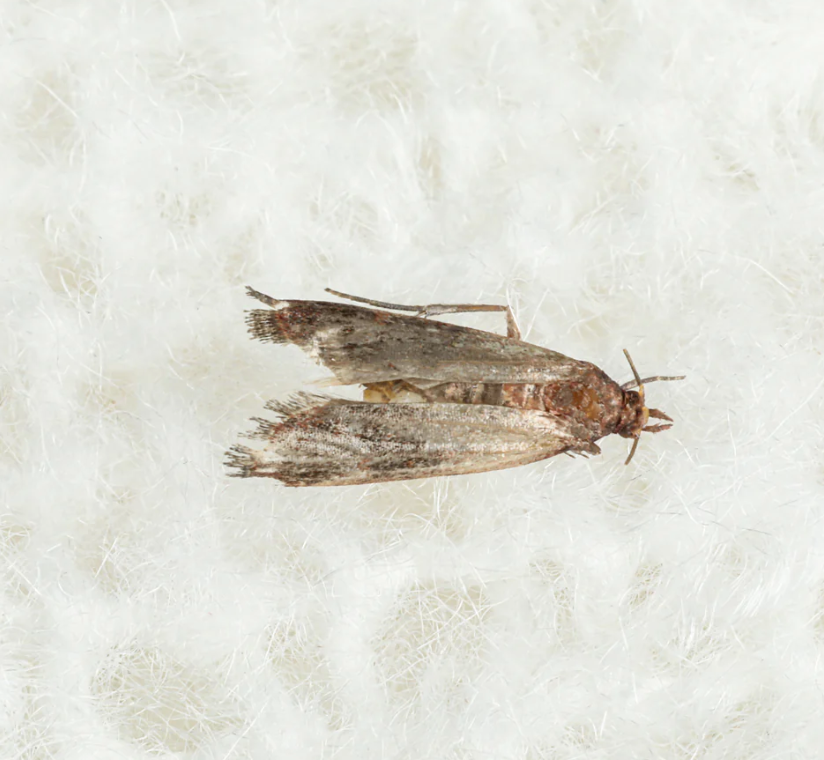
Can Moths Survive in Cold Weather: Shocking Truth Revealed
Have you ever wondered what happens to moths when temperatures drop? These delicate creatures flutter around during warm months, but what about when the chill of winter sets in?
Can moths survive in cold weather, or do they vanish entirely? Understanding the resilience of moths can help you appreciate the marvels of nature even more. You’ll discover surprising facts about how moths adapt to cold environments. Get ready to uncover secrets that might change the way you see these fascinating insects.
Don’t miss out on learning how moths, often underestimated, have developed incredible survival strategies that could leave you in awe. Curious? Let’s dive deeper into the world of moths and their chilly adventures.

Credit: www.wildlifenomads.com
Moth Adaptations To Cold
Moths face many challenges during cold weather. Their survival depends on special adaptations. These changes help them live through winter.
Some moths have physical traits that protect them from the cold. Others change their behavior to stay safe and warm.
Physical Traits For Survival
Moths have thick scales on their wings that act like insulation. These scales keep their bodies warm in low temperatures.
Some species produce special chemicals called antifreeze proteins. These proteins stop ice from forming in their bodies.
- Thick wing scales trap heat
- Antifreeze proteins prevent ice damage
- Dark colors absorb sunlight for warmth
- Small body size reduces heat loss
Behavioral Changes In Winter
Moths change their behavior to avoid cold harm. Many find safe places like tree bark or leaf litter to hide.
Some moths enter a state called diapause. This is like deep sleep that lowers their body functions to save energy.
- Seek shelter under bark or leaves
- Enter diapause to reduce energy use
- Limit movement to conserve heat
- Delay development until spring

Credit: www.wildlifenomads.com
Cold Weather Challenges
Moths face many problems when the temperature drops. Cold weather can affect their survival and behavior.
Understanding these challenges helps us learn how moths cope with harsh winter conditions.
Impact Of Low Temperatures
Low temperatures slow down moths’ body functions. Many moths enter a state called diapause. This helps them survive by lowering their metabolism.
- Cold can freeze moths’ body fluids, causing damage.
- Some moths produce antifreeze proteins to avoid ice formation.
- Ice crystals inside the body can be deadly.
- Low temperatures reduce moth activity and feeding.
Predators And Environmental Risks
Cold weather also changes the risks moths face from predators and the environment. Some predators are less active, but others may still hunt moths during winter.
| Risk Type | Effect on Moths |
| Birds | Hunt moths during warm spells |
| Spiders | Trap moths in webs even in cold |
| Frost | Damages moth eggs and larvae |
| Snow | Can bury moths, limiting oxygen |
Survival Strategies
Moths face cold weather with special survival methods. These strategies help them stay alive through winter.
They use different ways to avoid freezing and conserve energy until warm days return.
Hibernation And Dormancy
Many moth species enter hibernation or dormancy during cold months. Their bodies slow down to save energy.
They hide in protected spots and pause their growth until temperatures rise again.
- Lower metabolism reduces energy use
- Stop eating and movement to conserve strength
- Pause development stages like pupae or larvae
Seeking Shelter
Moths look for safe places to survive cold weather. Shelter protects them from freezing and predators.
They hide under tree bark, inside leaves, or in human buildings to stay warm.
- Crevices in trees or rocks
- Under fallen leaves or plant debris
- In cracks of walls or attics
Credit: www.theguardian.com
Species That Thrive In Cold
Moths are often seen as creatures of warm weather. Some species, though, live well in cold places. These moths have special traits that help them survive freezing temperatures.
Cold-hardy moths can be found in icy regions and high mountains. They use unique ways to stay alive during winter. Let’s look at some examples and their adaptations.
Examples Of Cold-hardy Moths
One well-known cold-loving moth is the Arctic woolly bear moth. It lives in the Arctic tundra and endures very low temperatures. Another is the spruce budworm moth, found in northern forests with harsh winters.
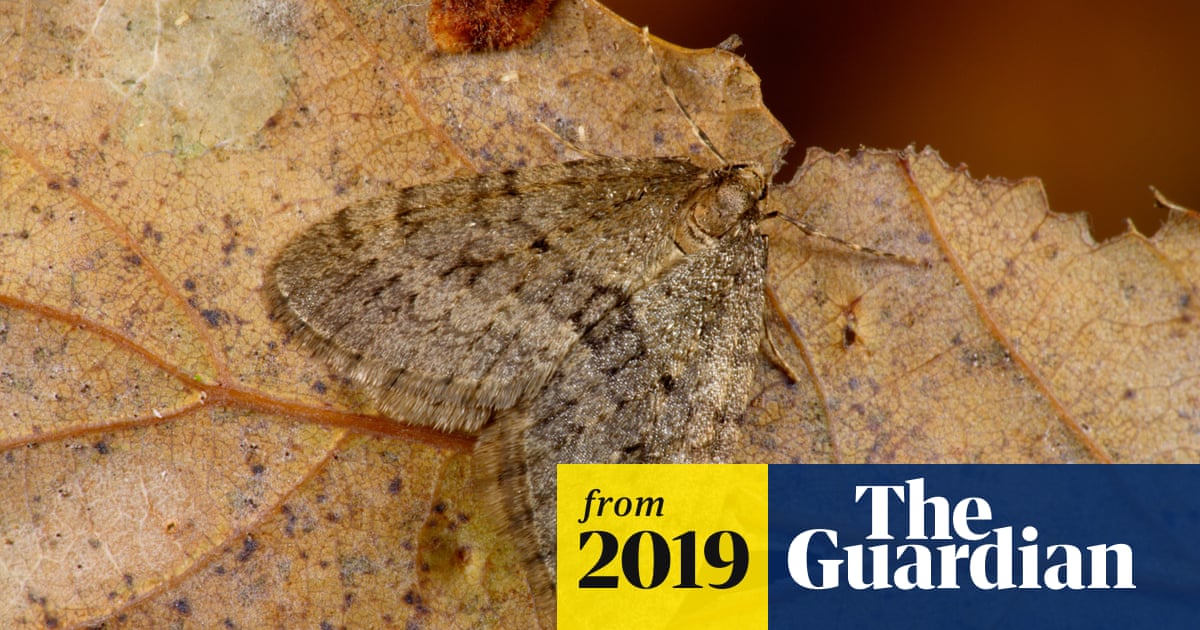
The winter moth is common in cold parts of Europe and North America. It flies late in the year when the weather is cold. These moths have life cycles that match cold seasons.
- Arctic woolly bear moth (Gynaephora groenlandica)
- Spruce budworm moth (Choristoneura fumiferana)
- Winter moth (Operophtera brumata)
Unique Adaptations In These Species
Cold-hardy moths have special ways to survive freezing weather. The Arctic woolly bear moth can freeze solid and thaw safely. It produces natural antifreeze chemicals in its body.
Spruce budworm moths grow thick scales on their wings. These scales help keep heat inside their bodies. Winter moths lay eggs that stay frozen until spring. This protects the young from the cold.
- Freeze tolerance with antifreeze proteins
- Thick wing scales for insulation
- Eggs that remain dormant in ice
- Timing life cycles to avoid the coldest times
Effects Of Climate Change
Moths face many challenges as the weather changes. Cold weather affects how they survive. Climate change makes winters warmer or colder in different places.
These changes impact moth populations and their habitats. Scientists study how moths adapt to new conditions caused by climate change.
Shifts In Moth Populations
Moth numbers change as climate shifts. Some moth species move to new areas to find better weather. Cold-tolerant moths may grow in number, while others shrink.
Warmer winters can cause moths to hatch earlier. This can affect their life cycle and the plants they depend on.
- Population moves to cooler or warmer zones
- Changes in moth breeding times
- Some species become more common, others rare
Changing Habitats And Behaviors
Moths change where they live due to climate shifts. Habitats may become unsuitable if temperatures rise or fall too much. Moths must find new places to survive.
Behavior changes include when moths are active and how they feed. They may fly at different times or eat new plants if old ones disappear.
- Habitat loss or gain in certain regions
- Altered feeding habits and food sources
- Shift in daily and seasonal activity
Frequently Asked Questions
Can Moths Survive Freezing Winter Temperatures?
Moths have adapted to survive cold weather by entering diapause, a dormant state. They produce antifreeze proteins to prevent ice formation in their cells, allowing them to endure freezing temperatures safely until warmer conditions return.
How Do Moths Protect Themselves From Cold?
Moths seek shelter in bark, leaf litter, or human structures during cold weather. Their bodies produce cryoprotectants that lower freezing points, helping them avoid damage from frost and survive harsh winter months effectively.
Do Moth Larvae Survive Cold Weather Too?
Yes, many moth larvae survive cold by burrowing into soil or plant stems. They enter diapause, slowing metabolism to conserve energy, and produce antifreeze compounds to withstand freezing temperatures until spring arrives.
What Happens To Moth Populations In Cold Climates?
Cold weather slows moth activity and reproduction rates. Populations decline temporarily but rebound in spring. Adaptations like diapause and antifreeze proteins help moths maintain stable populations despite seasonal cold.
Conclusion
Moths have unique ways to survive cold weather. Some slow down their body functions to save energy. Others find warm places to hide during winter. Not all moths can handle freezing temperatures well. Their survival depends on species and environment.
Nature equips them with tools to endure tough times. Understanding moths helps us appreciate their resilience. They show how life adapts to harsh conditions. Cold weather challenges moths, but many still thrive. This balance between struggle and survival is fascinating.