Can a Carrier Survive a Hurricane: Essential Survival Insights
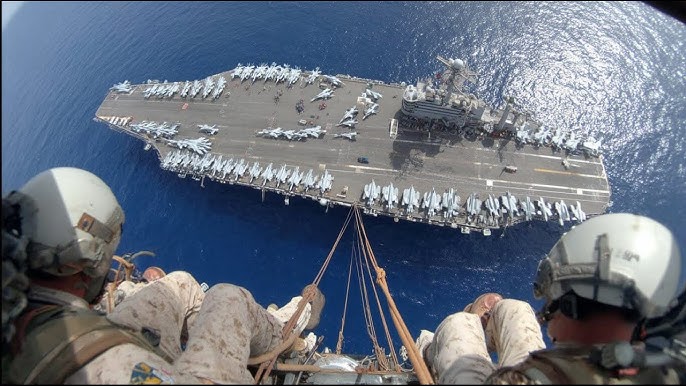
Imagine the immense power of a hurricane, with its howling winds and crashing waves, bearing down on the ocean. Now, picture a massive aircraft carrier caught in its path.
The question arises: can this colossal ship survive such a ferocious storm? As you ponder this, you’re likely curious about the strength and resilience required to withstand nature’s fury. You’ll uncover the hidden details and engineering marvels that enable carriers to face these daunting challenges.
You’ll explore the strategies and technologies that could mean the difference between survival and disaster. Stay with us as we dive deep into this captivating topic, unraveling the secrets behind a carrier’s battle against the elements.

Credit: www.youtube.com
Hurricane Impact On Carriers
Hurricanes bring strong winds and heavy rain. These forces can harm many types of carriers. Understanding the risks helps prepare better for storms.
Carriers are vital in many industries. Their survival during hurricanes affects service and safety for many people.
Types Of Carriers At Risk
Many carriers face damage in hurricanes. These include:
- Shipping carriers like boats and cargo ships
- Telecommunication carriers such as cell towers and cables
- Energy carriers including fuel pipelines and power lines
- Transportation carriers like trucks and buses
Common Damage Patterns
Carriers often suffer similar damage during hurricanes. Damage types include:
- Wind damage causing broken parts or toppled structures
- Flooding that leads to water damage or corrosion
- Power loss affecting operation and communication
- Debris impact damaging outer surfaces
Case Studies Of Past Hurricanes
Looking at past hurricanes shows how carriers were affected. The table below shows examples from three major storms.
| Hurricane | Carrier Type | Damage | Recovery Time |
|---|---|---|---|
| Hurricane Katrina (2005) | Energy pipelines | Severe flooding and breakage | 6 months |
| Hurricane Sandy (2012) | Telecommunication towers | Wind toppled many towers | 3 months |
| Hurricane Harvey (2017) | Shipping carriers | Dock damage and vessel delays | 4 months |
Preparation Strategies
Carriers face serious risks during hurricanes. Proper preparation helps protect them. Planning ahead can reduce damage and keep operations running.
Preparation involves checking structures, strengthening them, and gathering needed supplies. Each step is important to survive the storm.
Pre-hurricane Inspections
Inspect carriers well before the hurricane arrives. Look for weak spots and potential hazards. Early checks prevent last-minute problems.
Check roofs, walls, and foundations. Find leaks, cracks, or rust. Make a list of repairs to do quickly.
- Examine all carrier structures for damage
- Test electrical and communication systems
- Clear debris around the carrier area
- Inspect doors and windows for tight seals
Reinforcing Carrier Structures
Strengthen the carrier buildings to resist strong winds. Add supports to roofs and walls. Secure loose parts that could fall off.
Use hurricane straps or clips to hold roofs better. Install storm shutters or impact-resistant windows to stop flying debris damage.
- Install metal hurricane straps on roofs
- Reinforce doors with heavy-duty locks
- Use storm shutters on all windows
- Secure antennas and external equipment
Emergency Supplies And Equipment
Gather supplies that carriers need during and after the hurricane. This ensures quick response and safety for all involved.
Keep flashlights, batteries, fuel, and first aid kits ready. Have backup generators and communication tools available in case power fails.
- Stockpile fresh water and non-perishable food
- Keep portable generators and fuel ready
- Prepare first aid and emergency medical kits
- Have extra batteries and flashlights available
- Keep communication devices charged and accessible
During The Hurricane
Hurricanes bring strong winds and heavy rain. Carriers must act fast and smart to stay safe. This time is critical for protecting people and equipment.
Teams follow clear rules and use technology to watch the storm. Good communication helps keep everyone informed and ready.
Safety Protocols For Personnel
Safety is the top priority for all staff during a hurricane. Everyone must know their role and follow safety rules exactly.
- Wear protective gear like helmets and gloves
- Stay indoors or in designated safe zones
- Avoid using elevators during the storm
- Have emergency supplies ready, such as water and first aid kits
- Report any hazards or injuries immediately
Real-time Monitoring Techniques
Carriers use tools to track the hurricane’s path and strength. This helps them make fast decisions to protect assets.
| Monitoring Tool | Purpose | Example |
| Weather Radar | Track storm location and movement | NOAA Radar |
| Satellite Imagery | View cloud patterns and wind speed | GOES Satellites |
| Wind Sensors | Measure real-time wind speed | Anemometers |
| Flood Sensors | Detect rising water levels | River gauges |
Communication And Coordination
Clear communication keeps everyone on the same page. Teams use radios and phones to share updates and alerts.
- Hold regular check-ins with all teams
- Send updates about weather and safety
- Confirm all personnel are accounted for
- Coordinate emergency responses quickly
Post-hurricane Recovery
After a hurricane, carriers face many challenges. Recovery is key to getting back on track.
Quick and careful actions help carriers recover safely and restore services.
Damage Assessment Methods
Assessing damage helps carriers know what repairs are needed. This step sets the recovery plan.
- Visual inspections of buildings and equipment
- Using drones to check hard-to-reach areas
- Testing network signals and connections
- Reviewing safety hazards for workers
Repair And Restoration Processes
Repairs must start quickly to restore services. Teams focus on fixing the most damaged parts first.
| Repair Task | Priority | Estimated Time |
| Power line repair | High | 1-3 days |
| Equipment replacement | Medium | 3-7 days |
| Network testing | High | 1-2 days |
| Building cleanup | Low | 7+ days |
Resuming Operations Safely
Safety checks must be complete before operations resume. This protects workers and customers.
- Confirm all repairs meet safety standards
- Test systems thoroughly under normal loads
- Train staff on emergency procedures
- Communicate clearly with customers about service status
- Monitor operations closely for issues
Technological Advances
Carriers face many risks during hurricanes. Technology helps protect them and keep operations running. Advances in design and systems reduce damage and improve safety.
This article looks at three key areas. These are improved carrier designs, weather prediction tools, and remote management systems. Each plays a role in carrier survival during storms.
Improved Carrier Designs
Modern carriers are built stronger to resist hurricane forces. Engineers use new materials and shapes to reduce damage from wind and water.
- Reinforced hulls with impact-resistant layers
- Waterproof compartments to prevent flooding
- Streamlined shapes to lower wind pressure
- Anti-corrosion coatings to extend lifespan
Weather Prediction Tools
Advanced weather tools help carriers prepare better for hurricanes. These tools give early warnings and track storm paths with more accuracy.
| Tool | Purpose |
| Satellite Imaging | Monitors storm development |
| Radar Systems | Tracks rain and wind speed |
| Computer Models | Predicts hurricane paths |
| Mobile Alerts | Notifies crews of updates |
Remote Management Systems
Remote systems allow control and monitoring of carriers from safe locations. These systems reduce the need for crew presence during storms.
- Automatic engine shutdown in emergencies
- Remote power and lighting control
- Real-time status reports sent to shore
- Emergency communication links with crews

Credit: www.youtube.com
Insurance And Legal Considerations
Carriers face many risks during hurricanes. Insurance and legal steps help them survive.
Knowing insurance coverage and legal rules is key for carriers. This protects their business.
Coverage Options
Carriers need insurance that covers hurricane damage. This includes property and cargo.
Some insurance types to consider are:
- Property insurance for buildings and equipment
- Cargo insurance for goods in transit
- Business interruption insurance for lost income
- Liability insurance for damage to others
Claim Procedures
After a hurricane, carriers must file claims quickly. This speeds up recovery.
Important steps include:
- Documenting all damage with photos and notes
- Contacting the insurance company as soon as possible
- Filling out claim forms accurately and completely
- Keeping copies of all communications and receipts
Regulatory Requirements
Carriers must follow laws after a hurricane. These rules protect safety and fairness.
Rules include:
- Reporting damages to government agencies
- Maintaining records for audits
- Following safety standards during cleanup
- Complying with insurance claim timelines

Credit: www.msn.com
Frequently Asked Questions
Can A Carrier Withstand Hurricane-force Winds?
Yes, many carriers are designed with reinforced materials and secure structures to endure hurricane-force winds, reducing damage risks.
How Do Carriers Prepare For Hurricanes?
Carriers often secure cargo, reinforce structures, and follow emergency protocols to minimize damage and ensure safety during hurricanes.
What Damages Can Hurricanes Cause To Carriers?
Hurricanes can cause water damage, structural harm, and cargo loss, impacting carriers’ operations and requiring costly repairs.
Are Carriers Insured Against Hurricane Damage?
Most carriers have insurance policies covering hurricane damage, protecting them financially against losses and repair costs.
Conclusion
A hurricane puts carriers to a tough test. Many factors decide if a carrier can survive. Strong design and quick action help a lot. Still, nature’s power can cause serious damage. Carriers with good preparation stand a better chance. Safety plans and sturdy materials matter most.
No carrier is completely safe from every storm. Knowing the risks helps people stay ready. In the end, survival depends on both strength and smart choices. Stay informed and respect the storm’s force.