Can a Large Ship Survive a Hurricane: Shocking Truth Revealed
Imagine you’re on a massive ship, surrounded by the endless blue of the ocean. The sky darkens and the waves grow taller, more menacing.
A hurricane is approaching, and you can’t help but wonder: Can a large ship really withstand such a mighty force of nature? This question isn’t just for seasoned sailors or maritime enthusiasts; it’s for anyone curious about the power of the sea and the marvels of human engineering.
You’ll discover the surprising answers and insights that could change the way you think about ships and storms. Get ready to uncover the truth about the resilience of these ocean giants and what it means for your safety and peace of mind. Stay with us as we navigate the stormy seas of curiosity and knowledge.
Hurricane Power And Ship Design
Hurricanes are strong storms with high winds and big waves. These powerful forces can test the strength of large ships at sea.
Ship designers build vessels to handle rough weather. They use special shapes and materials to help ships survive hurricanes.
How Hurricanes Form And Intensify
Hurricanes start as warm, moist air rises over the ocean. This air cools and forms clouds and storms.
As the storm moves, it gains strength from warm ocean water. Winds grow stronger and waves get higher.
- Warm ocean water fuels the storm
- Low air pressure pulls winds inward
- Strong winds create huge waves
- Storms spin faster as they grow
Key Features Of Large Ship Construction
Large ships have strong hulls made of steel or other tough materials. This helps them resist big waves and wind pressure.
Ships are designed with shapes that cut through water. This reduces the force of waves and keeps the ship stable.
- Reinforced steel hulls for strength
- Rounded bow to reduce wave impact
- Heavy ballast to keep balance
- Watertight compartments to prevent flooding
- Advanced navigation systems for storm avoidance

Credit: cruise-arabia.com
Challenges Faced By Ships In Hurricanes
Large ships face many dangers during hurricanes. The strong winds and high waves test their strength. Navigating through these storms is very risky for ships and crews.
Understanding these challenges helps explain how ships try to survive such fierce weather. Two main problems are the impact of high winds and waves, and the many navigational hazards at sea.
Impact Of High Winds And Waves
Hurricanes bring very strong winds that push hard against a ship. These winds can damage the ship’s structure and make it hard to keep steady. Huge waves hit the ship from all sides, causing it to rock and roll.
- High winds can break antennas and damage the ship’s bridge.
- Strong waves may flood decks and damage equipment.
- The ship can be pushed off its planned course by wind and waves.
- Rough seas increase the risk of cargo shifting and causing imbalance.
Ships must be built very strong to resist these forces. Crew members also need to secure all loose items and prepare the ship for heavy motion.
Navigational Hazards At Sea
Storms create many dangers that make navigation hard. Visibility falls as rain and spray cover the windows. Electronic systems may lose signal or give false readings.
| Hazard | Effect on Ship |
|---|---|
| Low Visibility | Hard to see other ships and obstacles |
| Strong Currents | Push ship off course, increasing risk of collision |
| Debris in Water | Can damage hull or propellers |
| Faulty Navigation Instruments | Leads to incorrect positioning and risky decisions |
Captains and crews must use all available tools and skills to avoid these hazards. Careful planning and constant attention are key to surviving a hurricane at sea.
Survival Strategies For Large Ships
Large ships face serious risks during hurricanes. Strong winds and huge waves can cause damage or loss of control. Good strategies help ships survive these storms safely.
This article covers two key survival strategies. First is careful route planning and weather forecasting. Second is ship maneuvering during the storm.
Route Planning And Weather Forecasting
Planning the route is vital to avoid the worst parts of a hurricane. Captains use weather reports and satellite data to choose the safest path.
- Monitor weather forecasts regularly before and during the trip
- Avoid areas with predicted hurricane paths
- Adjust course early to stay clear of storm centers
- Plan stops at safe harbors if the storm changes direction
- Use up-to-date satellite and radar information to track the hurricane
These steps reduce the chance of meeting a hurricane head-on. Early decisions save the ship and crew from extreme danger.
Ship Maneuvering Techniques During Storms
When a ship faces a hurricane, skillful maneuvering helps maintain stability and control. Captains use special techniques to handle strong winds and waves.
| Maneuvering Technique | Description | Purpose |
| Heading into the waves | Point the bow directly at large waves | Reduces rolling and prevents capsizing |
| Adjusting speed | Slow down or speed up based on wave size | Maintains ship stability and engine safety |
| Using rudder carefully | Small rudder movements to keep course steady | Prevents sudden shifts that could cause damage |
| Ballast management | Shift ballast tanks to balance the ship | Improves stability in rough seas |

Credit: www.youtube.com
Real-life Incidents Of Ships In Hurricanes
Large ships face extreme challenges during hurricanes. These storms bring strong winds and huge waves. Many ships have encountered hurricanes and lived to tell the tale.
We look at real stories from survivors and the damage ships suffered. These cases help us understand how ships survive such powerful storms.
Survivor Stories And Ship Damage
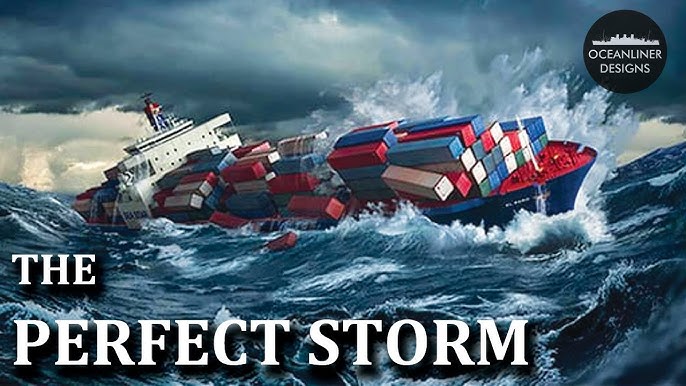
One famous case is the SS El Faro, which sailed into Hurricane Joaquin in 2015. The ship faced massive waves and strong winds. Sadly, it was lost, but the incident taught many lessons about hurricane risks.
- The USS New Orleans survived Hurricane Katrina in 2005 with minor damage.
- The cargo ship Maersk Alabama faced Hurricane Irene in 2011 and sustained hull damage.
- The fishing vessel Andrea Gail sank in the 1991 Perfect Storm, a mix of hurricane and nor’easter forces.
Lessons Learned From Past Encounters
Ships that survive hurricanes often share some key factors. Strong construction and good navigation are vital. Avoiding the storm’s center can save the ship and crew.
| Lesson | Description |
| Early Detection | Tracking storms helps avoid the worst parts. |
| Hull Strength | Ships built to resist waves handle hurricanes better. |
| Crew Training | Experienced crews respond faster and safer in storms. |
| Weather Updates | Continuous updates guide course changes during storms. |
Technological Advances Improving Ship Safety
Large ships face extreme dangers in hurricanes. New technology helps protect them. These advances make ships stronger and smarter.
Shipbuilders and scientists work hard to improve safety. They use better materials and tools to track storms early.
Modern Shipbuilding Materials
Ships now use stronger and lighter materials. These materials help ships resist heavy winds and waves.
- High-strength steel reduces weight but keeps strength
- Composite materials resist corrosion from salt water
- Advanced coatings protect ships from rust and damage
- Flexible structures absorb shocks during storms
Advanced Weather Monitoring Systems
Ships use modern weather tools to avoid hurricanes. These systems give early warnings and real-time updates.
| System | Function | Benefit |
| Satellite Radar | Tracks storm location | Helps plan safe routes |
| Onboard Sensors | Measures wind and wave data | Supports quick decisions |
| Weather Forecast Software | Predicts storm paths | Improves timing of actions |

Credit: thevuccilawgroup.com
Limits To Ship Survival In Extreme Storms
Large ships face great dangers during hurricanes. The power of nature can test the limits of these massive vessels. Understanding these limits helps us see why survival is not always guaranteed.
Storms bring strong winds, huge waves, and poor visibility. These conditions challenge the ship’s design and the crew’s skills.
When Nature Overpowers Technology
Even modern ships with advanced technology can struggle in extreme storms. Strong winds can push a ship off course. Massive waves can damage the hull or cause flooding.
- Engines may fail under heavy strain
- Navigation tools can lose accuracy in bad weather
- Communication with rescue teams can be interrupted
- Structural limits may be reached causing breaks or leaks
When nature is too strong, technology alone cannot ensure safety. Crew members must prepare for tough conditions and possible emergencies.
Decision-making In Life-threatening Situations
Quick and smart decisions can save lives during a hurricane. The crew must act fast to avoid danger and protect the ship.
| Decision | Importance | Effect |
| Changing course | High | Avoids strongest storm areas |
| Securing cargo | Medium | Prevents shifting that can unbalance ship |
| Reducing speed | Medium | Limits stress on ship structure |
| Preparing life-saving gear | High | Ensures readiness for evacuation |
Good communication and teamwork are key. The captain and crew must stay calm and follow plans carefully.
Frequently Asked Questions
Can Large Ships Withstand Hurricane-force Winds?
Large ships are designed to endure strong winds, but hurricane-force winds pose extreme challenges. Advanced engineering and navigation help them survive, but safety depends on storm intensity and crew readiness.
How Do Ships Prepare For Hurricanes At Sea?
Ships use weather forecasts to avoid hurricanes. They secure cargo, adjust routes, and reduce speed. Crew training and safety drills ensure readiness during severe storms.
What Makes Large Ships Stable During Hurricanes?
Large ships have deep hulls and ballast systems that enhance stability. Their size and weight help resist powerful waves, reducing the risk of capsizing in hurricanes.
Do All Large Ships Survive Hurricanes Equally?
Survival depends on ship type, size, and condition. Cargo ships and cruise liners have different designs affecting their hurricane resilience. Proper maintenance and crew skill are crucial.
Conclusion
Large ships are built strong to face rough seas. They use special design and technology to handle big storms. Still, hurricanes are very powerful and dangerous. Ships must prepare well and follow safety rules. Skilled crews help keep the ship and people safe.
Surviving a hurricane depends on many things working right. It is never a sure thing, but ships stand a good chance. Careful planning and respect for nature are key. The ocean is wild, but large ships can endure much.