Can an Aircraft Survive a Hurricane: Shocking Facts Revealed
Imagine you’re sitting by the window on a flight, gazing at the endless sky, when suddenly, the captain announces that the plane is approaching a hurricane. Your heart races, and a flurry of questions fills your mind.
Can an aircraft really withstand such a massive force of nature? How do pilots maneuver through these turbulent skies? Understanding the resilience of aircraft against hurricanes is not just fascinating—it’s vital for peace of mind. As you read on, you’ll uncover the secrets of aviation technology and pilot expertise that ensure your safety, even amidst the fiercest storms.
Stay with us, and discover how modern aviation combats nature’s wildest tempests.

Credit: blog.anduril.com
Aircraft Design And Weather Resistance
Aircraft face many challenges during severe weather events. Strong hurricanes test their design and strength.
Understanding how aircraft resist weather damage helps in making safer designs for extreme conditions.
Structural Strength Against Extreme Winds
Aircraft structures must endure powerful winds during hurricanes. The frame and wings are built to resist bending and twisting.
Engineers use special designs to spread wind forces evenly across the aircraft. This prevents damage from sudden gusts.
Materials Used For Durability
Materials in aircraft are chosen for strength and long life. They must resist corrosion and damage from rain and wind.
| Material | Properties | Use in Aircraft |
| Aluminum Alloy | Lightweight, strong, corrosion-resistant | Fuselage and wings |
| Titanium | High strength, heat-resistant | Engine parts, landing gear |
| Composite Materials | Flexible, light, durable | Wing surfaces, tail sections |
| Steel | Very strong, heavy | Fasteners, structural supports |
Aerodynamics In Severe Weather
Aerodynamic shapes help aircraft stay stable in strong winds. Smooth surfaces reduce drag and buffeting.
- Wing shapes designed for steady airflow
- Control surfaces that adjust quickly to wind changes
- Strong tail fins to keep direction steady
- Engines placed to avoid wind impact
Hurricane Wind Speeds And Impact
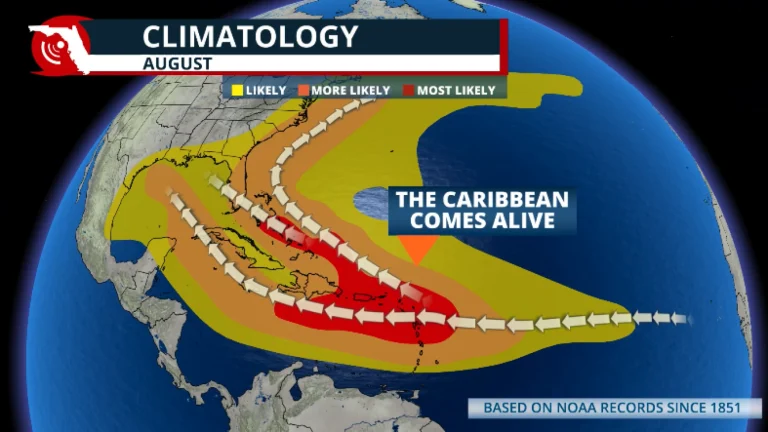
Hurricanes are powerful storms with very strong winds. These winds can damage buildings, trees, and vehicles.
Aircraft face serious challenges if caught in a hurricane. Understanding wind speeds and impacts helps us know if they can survive.
Typical Wind Speeds In Hurricanes
Hurricane wind speeds vary from moderate to extremely strong. They are measured in miles per hour or kilometers per hour.
The Saffir-Simpson scale classifies hurricanes by their wind speeds and damage potential.
- Category 1: 74-95 mph (119-153 km/h)
- Category 2: 96-110 mph (154-177 km/h)
- Category 3: 111-129 mph (178-208 km/h)
- Category 4: 130-156 mph (209-251 km/h)
- Category 5: 157 mph or higher (252 km/h or higher)
Effects Of Turbulence On Aircraft
Turbulence is rough air movement that shakes the aircraft. It can cause stress on the plane’s structure.
Strong turbulence from hurricanes can make flying very dangerous. Pilots may lose control or face sudden drops.
- Increases pilot workload and fatigue
- Can damage aircraft parts over time
- May cause injuries to passengers and crew
- Leads to flight delays or cancellations
Comparing Aircraft Limits To Hurricane Forces
Aircraft are built to handle strong winds but have limits. These limits are far below hurricane wind speeds.
Most commercial planes can withstand wind gusts up to about 70 mph safely. This is less than a Category 1 hurricane.
| Force | Speed (mph) | Aircraft Limit |
|---|---|---|
| Light Turbulence | 10-20 | Safe |
| Moderate Turbulence | 20-40 | Safe |
| Severe Turbulence | 40-70 | Near Limit |
| Category 1 Hurricane Winds | 74-95 | Exceeds Limit |
| Category 5 Hurricane Winds | 157+ | Far Exceeds Limit |
Historical Incidents And Case Studies
Aircraft face extreme challenges during hurricanes. These storms have strong winds and heavy rain. We look at past events to see how planes survived or suffered damage.
Studying these incidents helps pilots and engineers improve safety. We explore notable flights, damage reports, and survival stories.
Notable Flights Through Hurricanes
Some flights have entered hurricanes on purpose. Scientists fly special planes inside storms to gather data. These flights show how strong planes can be.
For example, Hurricane Hunter aircraft fly into hurricanes regularly. They measure wind speed and pressure. These flights prove aircraft can survive extreme weather when built for it.
- Hurricane Hunters fly C-130 planes into storms
- NOAA uses WP-3D aircraft for storm research
- These flights collect data to improve forecasts
Damage Reports From Hurricane Encounters
Many planes suffer damage during hurricanes. Airports may not close in time, and planes can be tossed by strong winds. Damage includes broken windows, torn wings, and flooded engines.
Past hurricanes like Katrina and Harvey caused heavy damage to aircraft on the ground. These events show the risk of keeping planes near hurricanes.
- Hurricane Katrina damaged over 100 planes at New Orleans Airport
- Winds tore off parts of aircraft hangars
- Floodwaters caused engine and electronics failure
Survival Stories And Lessons Learned
Some pilots survived flying through hurricanes by skill and luck. They kept control despite turbulence and poor visibility. These stories teach us about pilot training and aircraft design.
Lessons include better weather tracking and stronger plane parts. Emergency plans for airports also improved after past storms.
- Pilots rely on instruments during heavy rain and wind
- Stronger wings and engines help planes survive
- Airports now move planes away from storm paths early
Pilot Techniques And Safety Measures
Flying an aircraft near or in a hurricane is very dangerous. Pilots use special techniques to stay safe. They follow strict safety measures to protect the plane and passengers.
Pilots must prepare well before and during a hurricane. They learn how to avoid storms, handle tough weather, and use emergency steps if needed.
Avoidance Strategies
Pilots try to keep away from hurricanes. They check weather reports and radar to find the storm’s location. Planning the flight path helps avoid dangerous areas.
Many times, pilots delay or cancel flights if the hurricane is too close. They use air traffic control to get updates and safe routes.
- Check weather updates before flying
- Use radar to spot storms early
- Choose routes far from the hurricane
- Delay flights if storm risk is high
- Communicate with air traffic control
Storm Penetration Procedures
Sometimes pilots must fly through storm edges or weaker parts. They reduce speed to keep control and avoid sudden moves. Pilots use special instruments to guide the plane safely.
They watch the plane’s systems closely and adjust altitude to find smoother air. Staying calm and focused helps pilots manage the tough conditions.
- Slow the aircraft speed near the storm
- Use instruments to monitor weather
- Adjust altitude to avoid turbulence
- Keep steady control of the plane
- Stay calm and follow training
Emergency Protocols During Hurricanes
If a hurricane causes an emergency, pilots follow clear steps. They notify air traffic control and prepare passengers for possible rough landings or delays.
Emergency equipment is ready to use. Pilots focus on keeping the plane stable and finding the safest place to land.
- Contact air traffic control immediately
- Prepare cabin crew and passengers
- Use emergency equipment as needed
- Keep the plane stable and controlled
- Look for the safest landing option
Technological Advances In Weather Prediction
Aircraft face many dangers during hurricanes. Modern technology helps pilots avoid these storms safely. New weather tools give better warnings and data.
These advances improve how we track and predict hurricane paths. Pilots get real-time updates to adjust flights and protect passengers.
Radar And Satellite Tracking
Radar systems detect storms by sending radio waves into the sky. They show where rain and wind are strongest. Satellites orbit Earth and take pictures of clouds and weather patterns.
Combined, radar and satellites give a full view of a hurricane’s size and movement. This helps meteorologists predict the storm’s path more accurately.
- Radar tracks storm speed and direction
- Satellites provide images from space
- Both tools help monitor hurricane growth
Real-time Weather Data For Pilots
Pilots receive live weather updates during flights. This data includes wind speed, storm location, and turbulence reports. It helps pilots avoid dangerous areas.
Modern aircraft use advanced instruments to display weather information on screens. This technology allows quick decisions to keep flights safe.
- Live updates show changing weather
- Instruments warn about turbulence
- Data helps pilots choose safer routes
Improving Flight Safety With Technology
New technology helps planes avoid hurricanes and other bad weather. Flight control centers use weather data to plan safe paths. Pilots get alerts about storms ahead.
Aircraft design also improves to handle strong winds better. Technology helps crews prepare and respond quickly to weather changes.
- Flight centers guide pilots around storms
- Planes are built to resist strong winds
- Technology supports fast response during flights

Credit: craigkcollins.medium.com
Ground Protocols For Aircraft During Hurricanes
Hurricanes are very dangerous for aircraft on the ground. Airports follow strict rules to keep planes safe. These ground protocols help protect aircraft from strong winds and heavy rain.
Planning and action before the storm arrives are important. Ground crews prepare the planes and airport to reduce damage. This helps aircraft survive the hurricane.
Securing Aircraft At Airports
Airports secure aircraft by tying them down or parking them in hangars. This stops planes from moving or tipping over during strong winds. Loose objects near the aircraft are removed to prevent damage.
Ground crews check that all doors and windows are closed tightly. Fuel tanks are often filled to reduce the risk of leaks or fires. Sometimes, extra weights are added to keep planes stable.
- Use tie-downs and chocks to hold planes in place
- Park aircraft inside hangars if possible
- Remove loose equipment and debris nearby
- Close all openings and secure doors
- Fill fuel tanks to add weight and prevent leaks
Evacuation And Relocation Plans
Some aircraft are moved to safer locations before the hurricane hits. Airports plan early to relocate planes to airports outside the storm path. This reduces the risk of damage or loss.
Small planes are easier to move quickly. Large commercial planes may need more time and space to relocate. Airport managers coordinate with pilots and crews to carry out evacuation plans smoothly.
- Identify airports outside the hurricane path
- Move small aircraft first for quick evacuation
- Coordinate timing with air traffic control
- Prepare flight plans for safe relocation
- Communicate clearly with all teams involved
Maintenance After Storm Exposure
After a hurricane, aircraft need careful inspection. Storm winds and rain can cause damage to engines, wings, and electronics. Maintenance teams check every part before the plane can fly again.
Repairs may include fixing dents, cleaning water damage, and testing systems. Safety checks ensure the aircraft is ready to operate. This maintenance helps keep passengers and crew safe.
- Inspect engines and mechanical parts
- Check for water or wind damage
- Test electrical and navigation systems
- Clean and dry all affected areas
- Perform safety and flight readiness tests

Credit: www.youtube.com
Frequently Asked Questions
Can An Aircraft Fly Through A Hurricane Safely?
No, aircraft cannot safely fly through hurricanes due to extreme wind speeds and turbulence. Pilots avoid these storms to ensure passenger safety and prevent mechanical damage.
How Do Hurricanes Affect Aircraft On The Ground?
Hurricanes can cause severe damage to grounded aircraft through strong winds, flying debris, and flooding. Airports often relocate planes to safer locations before a hurricane hits.
Are Airplanes Designed To Withstand Hurricane-force Winds?
Airplanes are built to endure strong winds during flight, but not the extreme conditions of hurricanes. These storms exceed normal operational limits, making survival unlikely if directly exposed.
What Precautions Do Airlines Take During Hurricane Season?
Airlines monitor weather closely, cancel or delay flights, and move aircraft to safer areas. They prioritize passenger safety and aircraft protection to avoid hurricane-related incidents.
Conclusion
Aircraft face extreme risks during hurricanes. Strong winds and heavy rain can damage planes on the ground. Pilots avoid flying through hurricanes for safety. Airports usually move planes to safer places before storms. Some aircraft are built tough but cannot fight hurricane forces.
Safety rules protect people and equipment from harm. Planning and quick action help reduce damage. Surviving a hurricane depends on many careful choices. The power of nature is too strong to challenge directly.