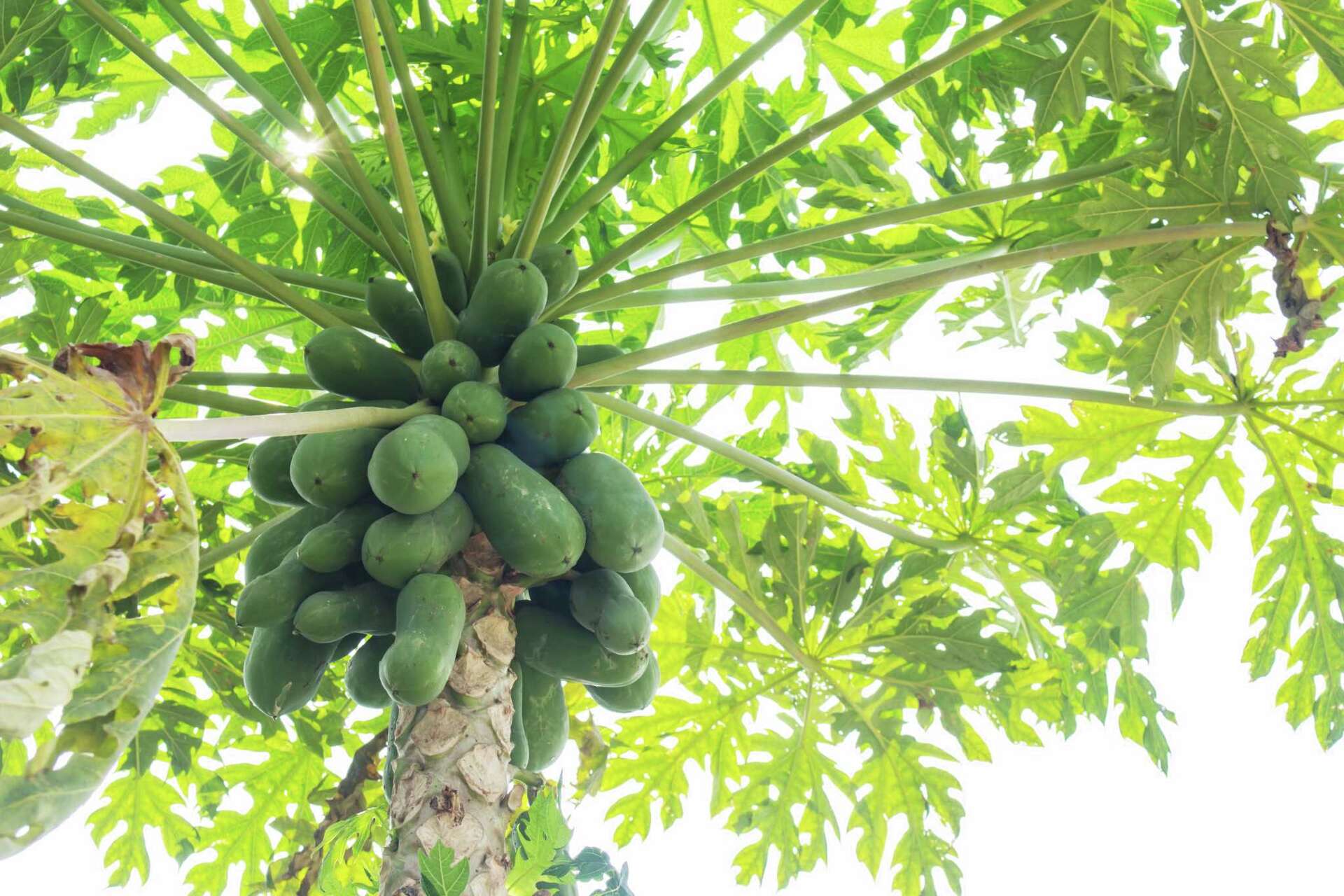
Can Papaya Tree Survive Cold Weather: Essential Survival Tips
Have you ever wondered if your beloved papaya tree can withstand the chills of cold weather? You’re not alone.
Many gardeners, just like you, face the challenge of keeping their tropical plants thriving when the temperature drops. As the cool breeze starts to blow, you might worry about the future of your papaya tree. Is it doomed to wither away, or is there hope for it to survive and even flourish?
We’ll unravel the mystery of papaya trees in cold climates and share essential tips to ensure your tree stays healthy and vibrant, no matter the weather. Stay with us to discover how you can turn your gardening worries into a success story!
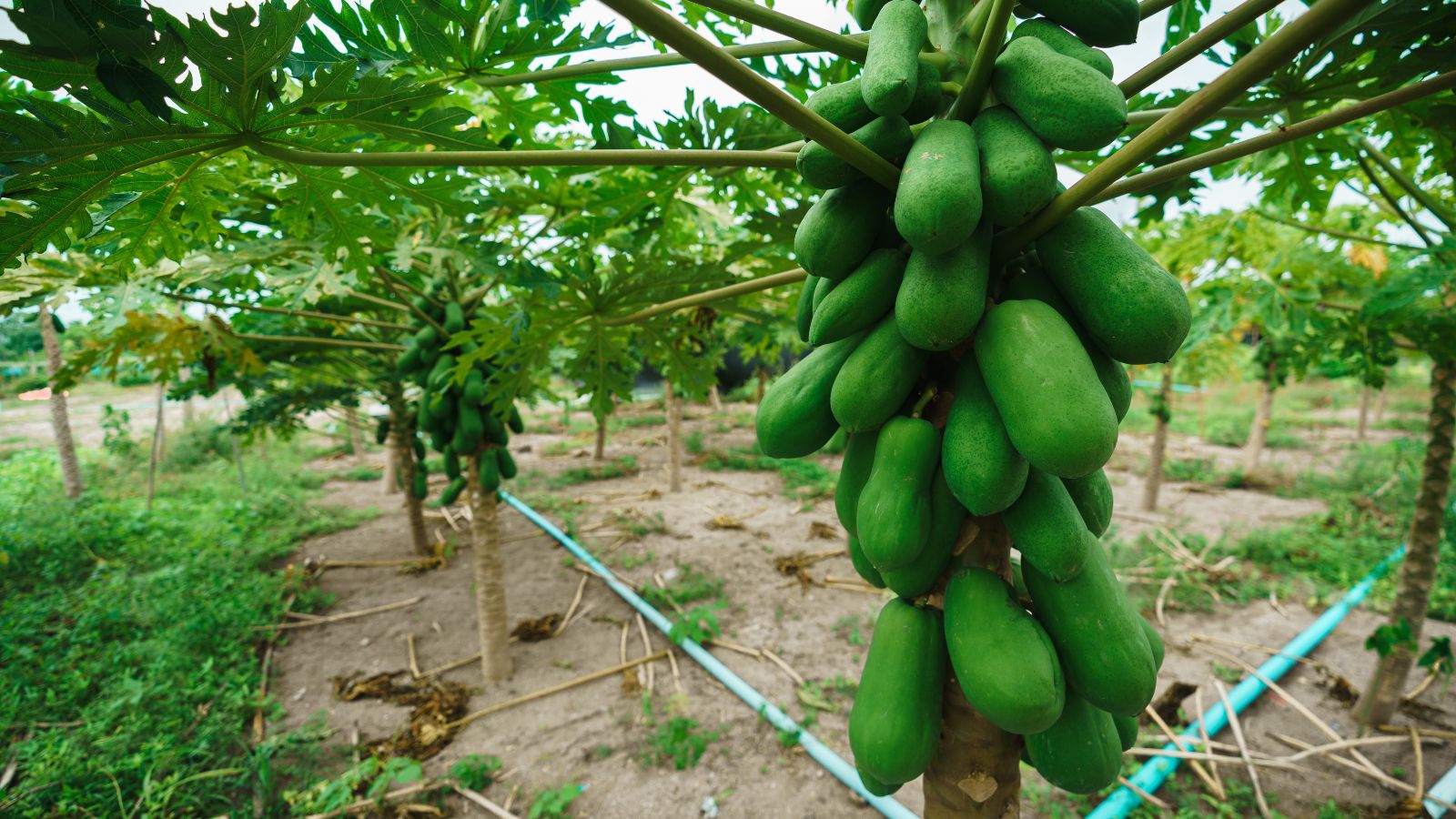
Credit: www.epicgardening.com
Papaya Tree And Cold Climate
Papaya trees grow best in warm places. They need sunlight and heat to stay healthy. Cold weather can hurt them a lot.
People who want to grow papayas in cold areas must learn how cold affects these trees. This helps them take good care of the plants.
Cold Sensitivity Of Papaya
Papaya trees are very sensitive to cold temperatures. They cannot survive if the temperature drops too low. Even short cold spells can damage the leaves and stems.
Young papaya plants are especially at risk. Cold can slow their growth and cause the tree to stop producing fruit. It is best to protect them from cold weather.
Effects Of Frost And Freezing Temperatures
Frost and freezing temperatures can kill papaya trees. Ice forms inside the plant cells and causes them to burst. This leads to blackened and wilted leaves.
After frost, the tree may not recover. The trunk and branches can become weak or die. Protecting papayas from frost is very important for their survival.
- Frost kills leaves quickly
- Freezing damages the trunk and branches
- Recovery is hard after freezing
- Cold protection methods help survival

Credit: subtropical-urban-eden.garden
Signs Of Cold Stress In Papaya
Cold weather can harm papaya trees in many ways. It affects their leaves, stems, and roots.
Knowing the signs of cold stress helps protect your papaya tree early.
Leaf Damage And Discoloration
Leaves show the first signs of cold damage on papaya trees. They may change color or shape.
- Leaves turn yellow or brown around the edges.
- Leaf tips may curl or dry out.
- Frost can cause black spots on leaves.
- Leaves may fall off prematurely.
Stem And Root Vulnerability
Cold stress weakens the stem and roots of papaya trees. This makes the tree less stable.
| Part | Cold Stress Sign |
| Stem | Soft, darkened areas or cracks |
| Roots | Slow growth or root rot |
| Overall | Wilting and poor nutrient uptake |
Preparing Papaya For Cold Weather
Papaya trees are tropical plants that struggle in cold weather. Preparing them helps keep them healthy during cold spells.
Taking simple steps before cold weather comes can protect your papaya tree from damage.
Selecting Hardy Varieties
Some papaya varieties tolerate cold better than others. Choosing the right type helps your tree survive cooler temperatures.
Look for varieties that are known for cold tolerance if you live in a cooler area.
- ‘Red Lady’ – grows well in mild cold
- ‘Sunrise’ – resists light frost
- ‘Tainung’ – has better cold tolerance
- ‘Maradol’ – adapts to cooler climates
Proper Planting Location
Plant your papaya tree where it gets full sun and shelter from cold winds. This helps it stay warmer.
A good spot is near a wall or fence that blocks cold air and reflects heat during the day.
- Choose a sunny area with at least 6 hours of sun
- Plant near a south-facing wall for extra warmth
- Avoid low spots where cold air collects
- Use mulch to protect roots from cold
Protective Measures Against Cold
Papaya trees are tropical plants that do not like cold weather. Cold can damage their leaves and slow their growth. Protecting papaya trees during cold weather helps them survive and stay healthy.
There are simple ways to keep papaya trees warm. Using mulches, covers, and windbreaks can protect them from frost and cold winds. These methods create a better environment for the trees.
Mulching Techniques
Mulching keeps the soil warm and holds moisture around the papaya tree roots. It also stops the ground from freezing in cold weather. Use organic materials like straw, leaves, or wood chips.
Place a thick layer of mulch, about 3 to 4 inches, around the base of the tree. Keep the mulch a few inches away from the trunk to avoid rot. Mulching helps protect roots from cold damage.
Using Frost Cloths And Covers
Frost cloths or garden fabrics protect papaya trees from frost and cold air. These covers trap heat and keep the tree warm during chilly nights. Use lightweight cloths that allow air and water to pass through.
Cover the entire tree, from the top to the ground, to create a warm microclimate. Remove the cloth during the day to let sunlight reach the tree. This method helps reduce leaf damage and keeps the tree healthy.
Building Windbreaks
Cold winds can harm papaya trees by drying out their leaves and lowering temperatures. Windbreaks block strong winds and create a warmer area around the tree. Use fences, hedges, or other plants as windbreaks.
Place windbreaks on the side where cold winds come from. Make sure the windbreak is tall enough to protect the whole tree. This reduces stress on the papaya and helps it survive cold spells.
Watering And Fertilizing In Cold
Cold weather affects how papaya trees absorb water and nutrients. Proper care helps them survive low temperatures. Adjusting watering and fertilizing routines is key.
Keeping the soil moist without overwatering prevents root damage. Fertilizing supports the tree’s stress tolerance and growth during cold spells.
Adjusting Irrigation
In cold weather, papaya trees need less water. Overwatering can cause root rot and harm the plant. It is best to check soil moisture regularly and water only when the top inch feels dry.
- Water early in the day to allow leaves to dry
- Use drip irrigation to avoid waterlogging
- Reduce watering frequency but keep soil from drying out
- Protect roots from freezing by mulching around the base
Nutrient Support For Stress
Cold stress can reduce nutrient uptake in papaya trees. Feeding the tree with balanced nutrients helps maintain health and growth. Nitrogen, phosphorus, and potassium are essential during cold periods.
| Nutrient | Benefit | Recommended Source |
| Nitrogen (N) | Supports leaf growth | Compost or balanced fertilizer |
| Phosphorus (P) | Improves root strength | Bone meal or rock phosphate |
| Potassium (K) | Enhances cold tolerance | Potash or wood ash |
| Calcium (Ca) | Maintains cell walls | Gypsum or lime |
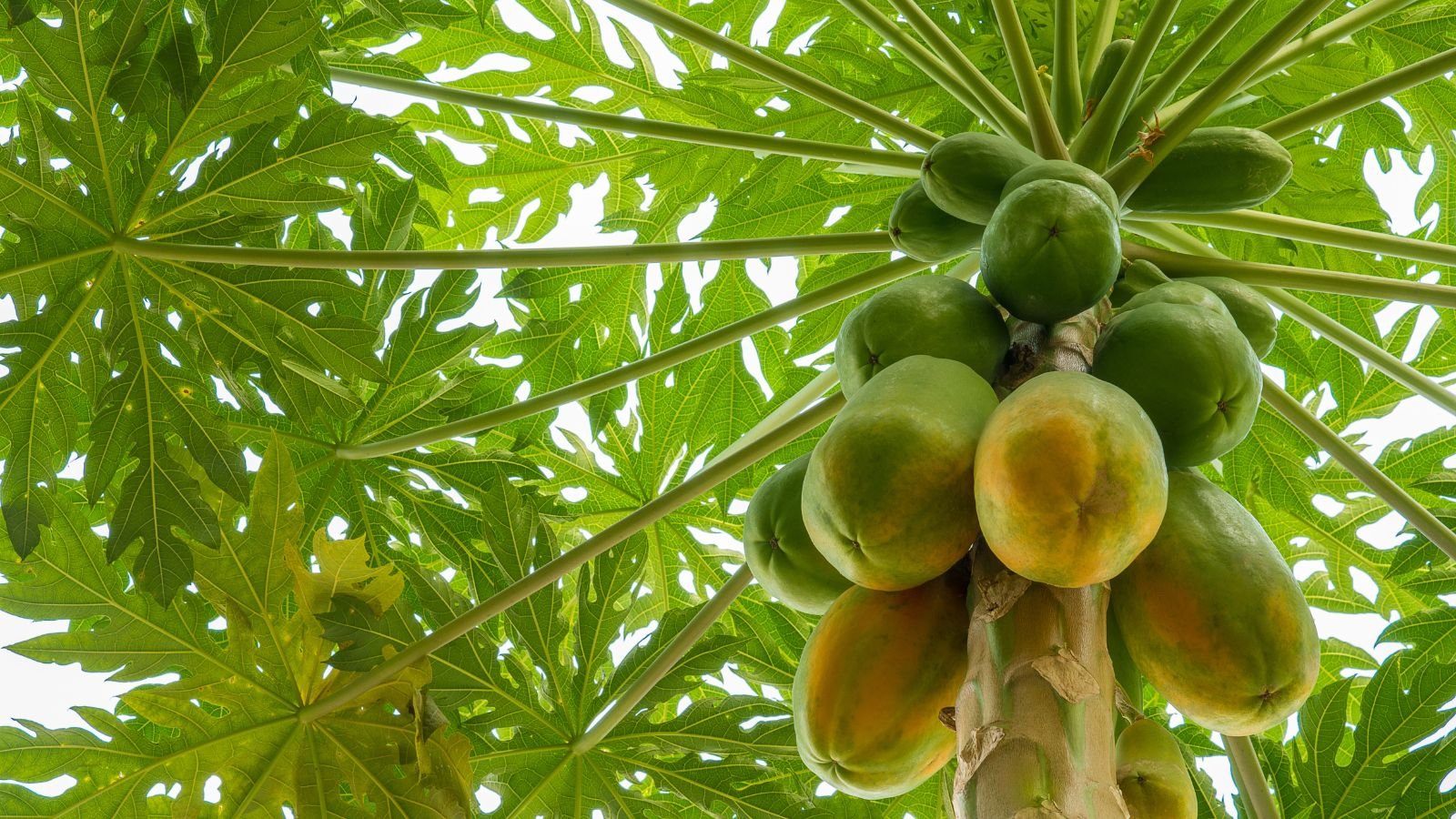
Credit: www.epicgardening.com
Post-cold Weather Care
After cold weather, papaya trees need special care to recover. Cold can hurt their leaves and stems. Proper care helps the tree grow strong again.
Check your papaya tree carefully. Look for damage and give the right treatments. This care helps the tree stay healthy and produce fruit.
Pruning Damaged Parts
Cut away any leaves or branches that look brown or dead. Removing these parts stops disease and helps the tree focus on new growth. Use clean, sharp tools to prune the tree.
- Remove all dead leaves and branches
- Cut just above healthy buds or branches
- Disinfect pruning tools before and after use
- Avoid cutting too much at once to prevent stress
- Dispose of pruned parts away from the tree
Promoting Recovery And Growth
After pruning, help your papaya tree recover with good care. Use water and nutrients wisely to support new growth. Protect the tree from further cold damage.
| Care Activity | Details |
| Watering | Keep soil moist but not soggy; water early morning |
| Fertilizing | Use balanced fertilizer every 4-6 weeks |
| Sunlight | Ensure 6-8 hours of sunlight daily |
| Protection | Cover young trees during cold nights |
Indoor Growing And Alternatives
Papaya trees usually grow in warm climates. Cold weather can harm them. Growing papaya indoors can protect them from cold. There are also other ways to help papaya survive cold weather.
This guide shows tips for growing papaya in containers and using greenhouses. These methods help keep papaya trees safe and healthy during cold months.
Container Growing Tips
Growing papaya in containers lets you move the tree indoors when it gets cold. Choose a large pot with good drainage. Use soil that drains well and has nutrients. Place the container in a sunny spot indoors.
- Use a pot at least 18 inches wide and deep
- Fill with rich, well-draining potting soil
- Water regularly but avoid waterlogging
- Keep the plant near a window with direct sunlight
- Fertilize every 4 to 6 weeks with balanced fertilizer
- Move the pot inside before temperatures drop below 50°F (10°C)
Greenhouse Options
Greenhouses create a warm, protected environment for papaya trees. They block cold winds and keep humidity steady. Greenhouses can extend the growing season in colder areas.
| Greenhouse Type | Benefits | Drawbacks |
| Plastic Hoop House | Low cost, easy to build | Less durable in strong winds |
| Glass Greenhouse | Good light, long-lasting | Expensive, needs heating |
| Polycarbonate Greenhouse | Strong and insulated | Moderate cost, less light than glass |
Frequently Asked Questions
Can Papaya Trees Survive Frost Or Freezing Temperatures?
Papaya trees cannot survive frost or freezing temperatures. Exposure to frost damages their leaves and stems. They thrive best in warm climates above 32°F (0°C). Protecting young trees with covers can help in mild cold spells.
What Temperature Range Is Ideal For Papaya Growth?
Papaya trees grow well between 70°F and 90°F (21°C – 32°C). Temperatures below 50°F (10°C) can stunt growth. Prolonged cold weakens the tree and reduces fruit production. Warm, tropical conditions are essential for healthy papaya plants.
How To Protect Papaya Trees From Cold Weather?
Use frost cloths or plastic covers during cold nights. Plant papayas in sheltered areas away from strong winds. Mulching helps retain soil warmth. For potted papayas, bring them indoors when temperatures drop below 50°F.
Does Cold Weather Affect Papaya Fruit Quality?
Yes, cold weather can reduce papaya fruit quality. It slows fruit development and causes poor taste or texture. Frost can damage fruit skin, leading to rot. Warm temperatures ensure sweeter, juicier papaya fruits.
Conclusion
Papaya trees do not handle cold weather well. They grow best in warm, tropical places. Cold temperatures can hurt or kill the tree. Protect young trees by covering them during cold nights. Using mulch helps keep roots warm and safe.
Choose cold-hardy papaya varieties if you live in cooler areas. With proper care, papaya trees can survive mild cold spells. Growing papayas in cold places needs extra attention and care. So, watch the weather and protect your tree to keep it healthy.


