What Air Masses Do Hurricanes Need to Survive: Key Factors Explained
Have you ever wondered what fuels the power of a hurricane? Imagine this: a massive force of nature swirling with incredible energy, capable of transforming the ocean and skies.
But what keeps these colossal storms alive and thriving? It all comes down to the air masses they rely on. Understanding these air masses is like unlocking the secret recipe behind a hurricane’s strength. By knowing what fuels them, you can gain insights into their behavior and impacts.
You’ll discover the essential air masses hurricanes need to survive and learn how these powerful elements come together to create such awe-inspiring phenomena. Keep reading, and you’ll uncover the fascinating dynamics behind one of nature’s most formidable forces.
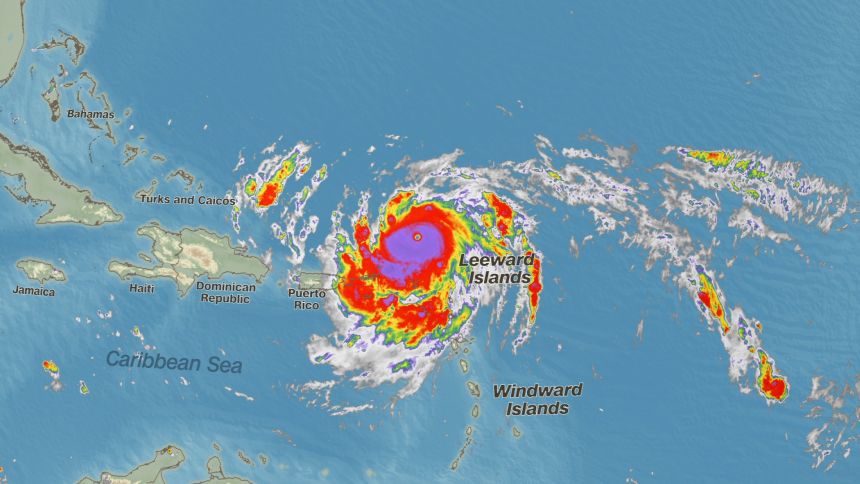
Credit: www.cnn.com
Air Masses Fueling Hurricanes
Hurricanes get their energy from certain air masses. These air masses must have specific qualities for a hurricane to grow and survive. Understanding these air masses helps us learn how hurricanes form and become strong.
Air masses that fuel hurricanes come from warm tropical regions. They carry heat and moisture, which are essential for the storm’s power. The differences in temperature between air layers also play a role in hurricane development.
Warm Tropical Air
Hurricanes need warm tropical air to survive. This air comes from oceans near the equator. It is usually over 80°F (27°C) in temperature. Warm air provides the heat energy hurricanes need.
When warm air rises, it creates low pressure below. This helps the hurricane pull in more air and grow stronger. Without warm air, hurricanes lose their energy quickly.
Moisture Content
High moisture content in the air is vital for hurricanes. Moist air helps form clouds and rain inside the storm. This moisture releases heat when it condenses, giving the hurricane more power.
Dry air can weaken a hurricane by stopping cloud formation. Hurricanes need air masses with lots of humidity to keep growing and staying strong.
- Moist air comes from warm ocean surfaces
- Condensation releases heat energy
- Dry air reduces hurricane strength
Temperature Differences
Temperature differences between air layers help hurricanes survive. Warm air near the ocean surface rises and cools as it goes up. This creates clouds and strong winds inside the storm.
Large temperature differences cause more powerful storms. They increase the upward movement of air and energy release. Without these differences, hurricanes cannot grow as strong.
- Warm ocean air rises
- Cool air above helps form clouds
- Big temperature gaps increase storm power
Role Of Ocean And Atmosphere
Hurricanes need specific air masses to form and grow. These air masses come from both the ocean and the atmosphere. The ocean provides the heat and moisture. The atmosphere controls how the hurricane moves and changes.
This article explains the key factors that help hurricanes survive. We focus on sea surface temperatures, humidity levels, and atmospheric pressure systems.
Sea Surface Temperatures
Warm ocean water is the main fuel for hurricanes. Water needs to be at least 26.5°C (80°F) to help them form. Warm water adds energy to the storm and helps it grow stronger.
- Warm water heats the air above it
- Warm air rises and creates low pressure
- This low pressure pulls in more air, feeding the storm
- Warm water also increases moisture in the air
Humidity Levels
High humidity in the lower and middle atmosphere is vital for hurricanes. Moist air keeps the storm’s clouds and rain strong. Dry air can weaken or stop the hurricane.
| Humidity Level | Effect on Hurricane |
|---|---|
| Above 70% | Supports strong hurricane development |
| 40% to 70% | May weaken the storm |
| Below 40% | Usually stops hurricane growth |
Atmospheric Pressure Systems
Low pressure systems help hurricanes form by pulling warm, moist air upwards. High pressure systems can block or steer hurricanes away. The balance of these pressures shapes the hurricane’s path and strength.
- Low pressure allows air to rise and form storm clouds
- High pressure can stop air from rising
- Pressure differences move the hurricane across the ocean
- Wind patterns in pressure systems affect the hurricane’s speed
Wind Patterns And Air Flow
Hurricanes rely on specific wind patterns to grow and survive. Understanding these air flows helps explain how storms gain strength.
Different types of winds interact with the hurricane’s core. These winds can either help or weaken the storm.
Trade Winds
Trade winds blow from east to west near the equator. They push hurricanes across warm ocean waters. This movement allows storms to gather energy.
- Trade winds guide hurricanes toward land or open sea.
- They help maintain the storm’s rotation.
- These winds keep the hurricane moving steadily westward.
Upper-level Winds
Upper-level winds flow high above the surface. They influence how the hurricane’s top layers behave. Strong upper winds can help spread out the storm’s heat.
| Type of Wind | Effect on Hurricane |
| Strong Upper-Level Winds | Help the storm grow by removing air from above |
| Weak Upper-Level Winds | Limit the storm’s strength |
Wind Shear Effects
Wind shear means wind speed or direction changes with height. It can tear a hurricane apart. High wind shear stops storms from growing strong.
Here are key wind shear effects:
- Disrupts the storm’s structure
- Weakens storm rotation
- Prevents the storm from becoming a hurricane

Credit: www.wunc.org
Impact Of Dry Air Masses
Dry air masses affect hurricanes by limiting their growth and strength. These air masses reduce the moisture needed for hurricanes to thrive.
Understanding how dry air interacts with hurricanes helps explain why some storms weaken quickly or fail to develop fully.
Saharan Air Layer
The Saharan Air Layer (SAL) is a hot, dry air mass that moves from Africa over the Atlantic Ocean. It carries dust and dry air that can disrupt hurricanes.
- It often spreads dry air over tropical storms.
- The dust particles reflect sunlight, cooling the ocean surface.
- Lower ocean temperatures reduce the energy hurricanes need.
Dry Air Intrusion
Dry air intrusion happens when dry air enters the moist environment of a hurricane. This intrusion can weaken the storm’s core.
| Effect | Description |
|---|---|
| Reduced Moisture | Dry air lowers humidity inside the storm. |
| Weakened Convection | Less moisture means weaker thunderstorm activity. |
| Storm Disruption | Dry air can break up the storm’s structure. |
Suppression Of Storm Development
Dry air masses stop storms from growing by removing the energy source. Without enough moisture, hurricanes cannot build strong winds.
Key ways dry air suppresses storms:
- Limits cloud formation
- Reduces rainfall
- Prevents strong updrafts
- Disrupts storm organization
Seasonal And Geographic Factors
Hurricanes need specific air masses to grow and last. These air masses change with the seasons and locations on Earth. Understanding these factors helps explain when and where hurricanes happen.
This article looks at the zones where hurricanes form, how air masses vary by season, and the role of latitude.
Hurricane Formation Zones
Hurricanes usually form over warm ocean waters. These zones provide the right air masses with moisture and heat. The Atlantic Ocean, Gulf of Mexico, and parts of the Pacific are common formation areas.
- Tropical waters with temperatures above 26°C (79°F)
- Regions with moist, warm air masses
- Areas free from strong wind shear
- Zones near the equator but not too close
Seasonal Air Mass Variations
Air masses change with the seasons. Warm, moist air in summer and early fall helps hurricanes survive. Cooler air in winter stops their growth. Seasonal shifts in air masses affect hurricane strength and frequency.
| Season | Air Mass Characteristics | Hurricane Activity |
| Spring | Warming, moist air | Low to moderate |
| Summer | Hot, humid air | High |
| Fall | Warm air, some cooling | Moderate to high |
| Winter | Cool, dry air | Low to none |
Influence Of Latitude
Latitude affects air temperature and moisture. Tropical latitudes have warm air masses that feed hurricanes. Higher latitudes have cooler, drier air that weakens storms. Most hurricanes form between 5° and 30° latitude.
Key Latitude Effects on Air Masses for Hurricanes:
- Below 5°: Too close to equator, weak Coriolis effect
- 5° to 15°: Warm, moist air, strong hurricane development
- 15° to 30°: Still warm but air begins to dry out
- Above 30°: Cooler, dry air, less chance of hurricanes

Credit: www.aol.com
Frequently Asked Questions
What Type Of Air Mass Fuels Hurricanes?
Hurricanes need warm, moist tropical air masses to develop and sustain themselves. These air masses provide heat and moisture, which are essential for the storm’s energy and growth.
Why Is Warm Ocean Air Important For Hurricanes?
Warm ocean air supplies the heat energy hurricanes need. It causes evaporation, adding moisture to the air, which powers the storm’s strength and intensity.
How Do Dry Air Masses Affect Hurricanes?
Dry air masses weaken hurricanes by reducing moisture and disrupting the storm’s structure. They cause the storm to lose energy and often lead to its dissipation.
Can Cold Air Masses Support Hurricane Formation?
No, cold air masses cannot support hurricanes. Hurricanes require warm, moist air to maintain their strength and cold air inhibits the storm’s development.
Conclusion
Hurricanes need warm, moist air masses to grow strong. These air masses provide energy and moisture for storms. Cold or dry air can weaken or stop hurricanes. Understanding air masses helps predict hurricane paths and strength. This knowledge is important for safety and preparation.
Watching weather updates keeps you informed about changes. Nature’s power is clear in how air masses affect storms. Stay aware, stay safe.