Is It Possible to Survive Going Overboard in a Hurricane? Shocking Truths Revealed
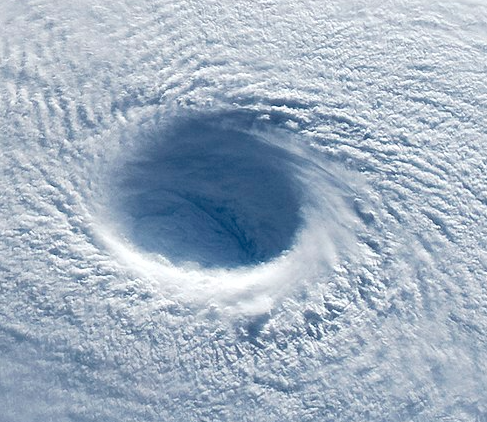
Imagine being caught in the heart of a raging hurricane while out at sea. The waves tower above you, and the wind howls relentlessly.
Suddenly, the unthinkable happens: you find yourself overboard. Is survival even possible in such a terrifying situation? Your mind races with questions and fears. But don’t worry—this article is here to guide you through the unimaginable. We’ll explore real-life survival stories, the science behind hurricane conditions, and essential tips to boost your chances of staying alive.
Stay with us to discover the surprising ways you might just beat the odds and make it back to safety. Your survival instincts are about to get an upgrade.

Credit: uk.news.yahoo.com
Hurricane Force And Ocean Conditions
Surviving after going overboard in a hurricane is very difficult. The ocean conditions during a hurricane are extreme and dangerous. Understanding these conditions can help explain the risks involved.
The power of the hurricane affects wind speeds, wave heights, water temperature, and visibility. These factors all play a role in survival chances.
Wind Speeds And Wave Heights
Hurricanes produce very strong winds that can reach over 150 miles per hour. These winds create huge waves that crash violently in the ocean.
- Wind speeds over 74 mph define hurricane strength.
- Waves can rise above 50 feet in strong hurricanes.
- High winds and waves make swimming nearly impossible.
- Debris carried by wind can cause injuries.
Water Temperature Effects
Water temperature affects how long a person can survive in the ocean. Cold water causes hypothermia quickly, lowering survival time.
| Water Temperature | Survival Time (hours) | Effects |
| Below 50°F (10°C) | 1-2 | Rapid hypothermia, loss of consciousness |
| 50-70°F (10-21°C) | 2-7 | Moderate risk of hypothermia |
| Above 70°F (21°C) | Over 7 | Lower risk of hypothermia but other dangers remain |
Visibility And Debris Hazards
Visibility is very low during a hurricane. Heavy rain and churning water hide dangers. Floating debris like wood and metal is common and very dangerous.
Common debris hazards include:
- Broken boat parts
- Tree branches
- Loose metal objects
- Floating containers
These can cause serious injury or trap a person underwater.
Survival Challenges In Extreme Weather
Going overboard during a hurricane is very dangerous. The storm’s power makes survival hard.
Strong winds, heavy rain, and huge waves create many risks. Understanding these helps prepare for survival.
Physical Impact Of High Waves
Hurricanes cause very large and strong waves. These waves can throw a person under water.
Being hit by waves can cause injuries like cuts, bruises, or broken bones. The force can push you far from safety.
- High waves make it hard to stay afloat.
- Strong currents pull people under water.
- Debris in waves can cause serious injuries.
Hypothermia Risks
Cold water lowers body temperature fast. This can cause hypothermia, a dangerous condition.
Hypothermia makes it hard to move and think clearly. It can lead to unconsciousness if not treated.
- Cold water causes shivering and confusion.
- Wet clothes increase heat loss from the body.
- Long time in cold water increases risk of death.
Dehydration And Exhaustion
Saltwater is not safe to drink. Lack of fresh water causes dehydration quickly.
Fighting waves and staying afloat uses a lot of energy. This leads to exhaustion, making survival harder.
- Drinking saltwater worsens dehydration.
- Body loses energy fast in rough seas.
- Exhaustion reduces chances of staying awake and alert.
Real-life Survival Stories
Surviving after going overboard in a hurricane is very rare. The strong winds and huge waves make it extremely dangerous. Still, some people have lived to tell their stories.
These real-life accounts show the power of hope and quick thinking. They help us learn what can improve chances of survival in such tough conditions.
Accounts Of Overboard Survivors
Many survivors describe being tossed in wild seas. Some held on to floating debris. Others used life jackets to stay afloat. One survivor said the cold was as dangerous as the waves.
- A man survived 30 hours in rough water by clinging to a piece of wood.
- A woman was rescued after using her life jacket to stay buoyant through a night storm.
- A sailor was found by search teams after signaling with a mirror once the storm passed.
Common Factors In Successful Rescues
Survivors often share some key factors that helped them live through the ordeal. Rescue teams also note patterns in successful recoveries.
| Factor | Explanation |
| Life Jacket | Keeps the person afloat and reduces energy loss. |
| Staying Calm | Helps conserve energy and make better decisions. |
| Floating Debris | Provides support and helps avoid exhaustion. |
| Signaling Tools | Increases chances of being found by rescuers. |
| Quick Rescue | Shortens exposure to cold and waves. |

Credit: www.morganscloud.com
Essential Survival Techniques
Surviving after going overboard in a hurricane is very hard. The strong waves and winds make it dangerous.
Knowing how to stay afloat, save energy, and get help can save your life. These techniques are key in such emergencies.
Staying Afloat And Conserving Energy
Keep your head above water by floating on your back. This helps you breathe and rest.
Try to stay calm and move slowly. Avoid wasting energy by fighting the waves too much.
- Float on your back to keep your face out of water.
- Use slow, gentle movements to stay afloat.
- Keep your body relaxed to save energy.
Using Flotation Devices
Flotation devices help you stay on the surface and reduce effort. Life jackets or any floating object can help.
If you do not have a life jacket, use empty containers or debris to hold onto. This keeps you from sinking.
- Wear a life jacket if available.
- Hold on to floating debris like wood or coolers.
- Stay close to the flotation device for support.
Signaling For Help
Use anything bright or shiny to catch attention. Waving your arms or using a whistle can alert rescuers.
Try to stay visible by staying near floating objects. This makes it easier for search teams to find you.
- Wave arms slowly above your head.
- Use a whistle or call out if possible.
- Stay near bright or large floating objects.
Rescue Operations During Hurricanes
Surviving going overboard in a hurricane is very hard. Rescue teams work fast to find people lost at sea.
These teams face many dangers and challenges. They use special tools and skills to save lives.
Challenges Faced By Rescue Teams
Strong winds and big waves make rescue work risky. Teams must act quickly before conditions get worse.
Communication can be lost during storms. Rescuers may find it hard to spot people in the water.
- Dangerous weather slows down rescue boats and helicopters
- Low visibility makes it hard to find survivors
- Waves and currents can move people far from where they fell
- Rescuers risk their own safety in storms
Technology And Equipment Used
Rescue teams use many tools to help save people. They rely on technology to improve chances of success.
Special boats and helicopters can fly or sail in bad weather. Teams use radar and GPS to track locations.
- Rescue helicopters with winches to lift people out of water
- High-speed boats that can handle rough seas
- Radar and sonar to detect people and objects in water
- GPS devices for accurate location tracking
- Communication radios to stay in touch during storms
Preventive Measures And Safety Tips
Surviving going overboard during a hurricane is very hard. Taking safety steps can help prevent accidents. Knowing what to do on boats is very important for safety.
This guide covers how to avoid going overboard, prepare for emergencies, and use communication tools. Following these tips can save lives in stormy seas.
Avoiding Going Overboard
Preventing falls into the water during a hurricane is the first step to survival. Wearing safety gear and staying alert can reduce risks.
- Wear a life jacket at all times on deck.
- Use safety harnesses attached to the boat.
- Avoid standing near the edge during rough weather.
- Keep the deck clear of obstacles to prevent tripping.
- Stay inside the cabin when the sea is rough.
Emergency Preparedness On Boats
Preparing for emergencies helps you react fast if going overboard happens. Keep safety tools ready and know how to use them.
| Emergency Item | Purpose | Check Frequency |
| Life Jackets | Keep you afloat | Before each trip |
| Life Raft | Safe place if boat sinks | Monthly |
| Flare Guns | Signal for help | Yearly |
| First Aid Kit | Treat injuries | Monthly |
Communication And Monitoring Systems
Good communication tools help you call for help quickly. Monitoring systems keep you updated on weather and boat status.
Key Communication and Monitoring Tools:
- VHF Radio for emergency calls
- GPS to track location
- Weather alert devices for updates
- Man Overboard alarms to detect falls
Scientific Insights And Future Research
Surviving after going overboard during a hurricane is a rare event. Scientists study this to understand how people stay alive in such harsh conditions. Research helps improve safety and rescue methods.
This article shares scientific findings and new ideas about survival gear. It also looks at what future studies could explore to save more lives.
Studies On Human Survival In Extreme Marine Conditions
Researchers analyze cases of people lost at sea during storms. They learn about body responses to cold water, exhaustion, and waves. These studies show how long a person can survive and what risks they face.
- Body heat loss causes hypothermia quickly in cold water.
- Strong waves increase the chance of injury or drowning.
- Fatigue lowers a person’s ability to stay afloat or swim.
- Access to flotation devices improves survival time.
- Rescue timing is critical for survival chances.
Innovations In Survival Gear
New survival gear helps people stay alive longer in storms. These tools focus on protection from cold, improving floatation, and signaling for help.
| Gear Type | Purpose | Features |
| Thermal Suits | Prevent hypothermia | Insulation, water resistance |
| Life Jackets | Keep afloat | High buoyancy, reflective strips |
| Personal Locator Beacons | Signal rescuers | GPS, waterproof, long battery |
| Inflatable Rafts | Provide shelter | Compact, quick inflation |

Credit: uk.news.yahoo.com
Frequently Asked Questions
Can You Survive Going Overboard In A Hurricane?
Survival is possible but extremely challenging. Strong waves, debris, and cold water pose serious risks. Quick rescue and proper flotation devices increase chances significantly.
What Are The Biggest Dangers After Going Overboard In A Hurricane?
The main dangers include drowning, hypothermia, injuries from debris, and exhaustion. High waves and strong currents make rescue difficult and survival time short.
How Can You Increase Survival Chances If Overboard In A Hurricane?
Wearing a life jacket, staying calm, and keeping afloat conserve energy. Avoid swallowing water, signal rescuers, and try to stay visible for rescue teams.
How Long Can A Person Survive In Hurricane Ocean Conditions?
Survival time varies but is usually a few hours due to hypothermia and exhaustion. Warm water and safety gear can extend survival time significantly.
Conclusion
Surviving going overboard in a hurricane is very challenging. Strong waves and winds make it hard to stay safe. Quick thinking and proper safety gear can help you survive. Staying calm is key to making smart decisions. Rescue teams work hard to find people in danger.
Remember, prevention is the best way to stay safe. Avoid going near hurricanes whenever possible. Always follow weather warnings and safety advice. Your safety depends on preparation and caution. Stay alert and respect nature’s power.