How Does the Snowshoe Hare Survive the Cold Weather: Stunning Adaptations Revealed
Have you ever wondered how animals manage to survive in the harshest of winters? Imagine being out in the freezing cold, with snow all around you, day and night.
It’s a reality for the snowshoe hare, an incredible creature that seems to have mastered the art of winter survival. But how exactly does this small, fluffy animal withstand the biting cold and the never-ending snow? By the end of this article, you’ll uncover the fascinating strategies the snowshoe hare uses to thrive in icy conditions.
Whether you’re an animal lover, a nature enthusiast, or just curious, you’re about to discover secrets that could change the way you think about survival in the wild. So, are you ready to learn how a little hare can teach you big lessons about resilience? Dive in and see for yourself!
Physical Adaptations
The snowshoe hare has special body features to survive cold weather. These physical adaptations help it stay warm and move easily in snow.
Each adaptation plays a key role in protecting the hare from harsh winter conditions and predators.
Thick Winter Fur
The snowshoe hare grows thick fur in winter to keep warm. This fur traps air close to the body and acts like an insulator.
The dense fur also blocks cold wind and helps the hare keep its body heat during freezing temperatures.
Seasonal Color Change
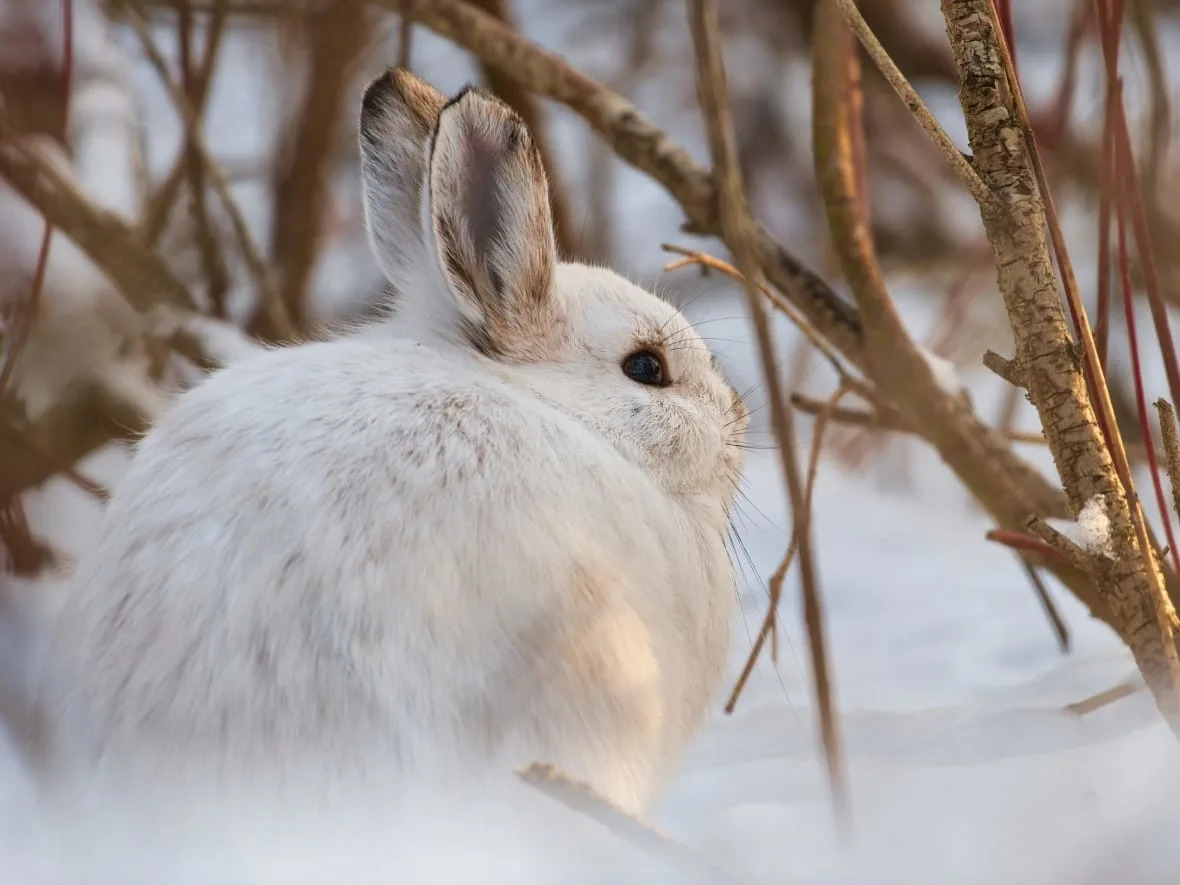
The hare changes fur color with the seasons. In winter, its fur turns white to blend with the snow.
This color change helps the hare hide from predators and stay safe in snowy environments.
Large, Furry Feet
Snowshoe hares have large feet covered with thick fur. These feet work like snowshoes to stop the hare from sinking in snow.
The furry feet also keep the hare’s paws warm and provide traction on icy surfaces.

Credit: projectupland.com
Behavioral Strategies
The snowshoe hare uses smart behaviors to survive cold weather. These actions help it stay warm and safe.
By changing its habits, the hare can find food and avoid dangers during winter months.
Burrowing And Shelter
Snowshoe hares dig shallow burrows or use dense shrubs for shelter. These places protect them from wind and snow.
The shelter keeps them hidden from predators and helps keep their body heat inside.
Reduced Activity Levels
Hares move less during cold days to save energy. Staying still helps them keep warm and use less food.
This slower pace lowers their chance of being seen by predators in the snow.
Diet Adjustments
Snowshoe hares change what they eat in winter. They eat bark, twigs, and buds instead of green plants.
This diet gives them enough energy when food is scarce and helps them survive harsh conditions.
Camouflage And Predator Avoidance
The snowshoe hare uses clever ways to survive cold weather. It changes its color to blend with the snow. This helps it hide from animals that want to eat it.
Besides changing color, the hare stays alert and uses quick moves to escape danger. These skills help it stay safe in the winter.
Blending With Snow
The snowshoe hare grows white fur during winter. This white color matches the snow around it. It becomes hard for predators to see the hare. In summer, the fur turns brown to match the earth and plants.
- White fur in winter for snow camouflage
- Brown fur in summer for forest camouflage
- Seasonal fur color change helps avoid predators
- Fur color change takes several weeks
Alertness And Escape Tactics
The hare stays very alert to sense danger. It uses its big eyes and ears to watch and listen. When it spots a predator, it runs fast and zigzags to escape. Its large back feet help it jump far and move quickly on snow.
| Escape Behavior | Description |
| Running Fast | The hare runs quickly to get away from predators. |
| Zigzag Running | It changes direction to confuse predators. |
| Jumping | Large back feet help the hare jump over obstacles. |
| Freezing | Sometimes the hare stays still to avoid being seen. |

Credit: projectupland.com
Metabolic Adjustments
The snowshoe hare lives in cold places with long winters. To stay warm, it changes how its body works.
These changes help the hare save energy and keep enough fuel to survive the cold weather.
Energy Conservation
The snowshoe hare lowers its energy use to save heat. It moves less and rests more during cold days.
The hare’s body also slows down some functions to use less energy. This helps it survive when food is scarce.
- Reduces physical activity
- Slows down metabolism to save energy
- Spends more time resting to keep warm
Fat Storage
The snowshoe hare builds up fat before winter. Fat acts as stored energy when food is hard to find.
This fat also helps keep the hare warm by adding insulation under its skin.
- Stores fat in the body before winter
- Uses fat as energy during cold months
- Fat layers help keep the body warm
Reproductive Adaptations
The snowshoe hare has special ways to reproduce during cold weather. These ways help the species stay alive. Reproductive adaptations are key to surviving harsh winters.
These adaptations focus on timing and care of young hares. They help hares handle cold and food shortages. This guide explains how they manage breeding and offspring survival.
Timing Of Breeding Season
The snowshoe hare starts breeding early in spring. They breed when food becomes more available. This timing helps mothers have enough energy to care for babies.
Breeding lasts until summer ends. This allows hares to have several litters each year. More litters increase the chance that some young will survive the winter.
- Breeding begins in March or April
- Peaks in late spring
- Ends in August or September
- Matches new plant growth for food
Survival Of Offspring
Snowshoe hares build nests hidden under thick snow or plants. These nests protect babies from cold winds and predators. Mothers keep their young warm and safe in these shelters.
The young grow fast and develop thick fur. This fur changes color with seasons to hide from enemies. Quick growth and camouflage help young hares survive better in cold weather.
- Nests hidden under snow or plants
- Mothers stay close to warm the young
- Babies grow thick winter fur fast
- Fur changes color for camouflage

Credit: northpikescreek.org
Frequently Asked Questions
How Does The Snowshoe Hare Adapt To Cold Weather?
The snowshoe hare changes its fur color to white in winter for camouflage. It also grows thicker fur for insulation against cold temperatures.
What Do Snowshoe Hares Eat During Winter?
Snowshoe hares eat twigs, bark, and buds of shrubs and trees in winter. Their diet changes due to limited green vegetation availability.
How Do Snowshoe Hares Avoid Predators In Winter?
Snowshoe hares use their white fur to blend into snowy environments. They rely on quick, agile movements to escape predators.
Do Snowshoe Hares Hibernate In Cold Weather?
No, snowshoe hares do not hibernate. They remain active all winter, finding food and shelter to survive the cold.
Conclusion
The snowshoe hare stays warm with thick fur and large feet. It changes color to blend with snow and avoid predators. The hare eats bark and twigs when food is scarce. Its strong legs help it move quickly on snow.
These traits help the hare survive cold winters. Nature’s design works well for this clever animal. Survival in winter takes skill and adaptation. The snowshoe hare shows how animals thrive in tough conditions.