What Palm Tree Can Survive Cold Weather: Top Hardy Varieties Revealed
Imagine walking through your garden, surrounded by the iconic silhouette of palm trees swaying gently in the breeze. Now, imagine that scene set against the crisp backdrop of winter.
Sounds like a dream, right? But it doesn’t have to be. If you’re intrigued by the thought of lush, tropical vibes right in your cold climate backyard, you’re in the right place. You might think palm trees are exclusive to sunny, warm regions, but the truth is, there are certain resilient varieties that can withstand the chill.
Yes, even in your hometown! Keep reading to uncover which palm tree can survive cold weather, and transform your outdoor space into a year-round paradise. Your garden’s new tropical oasis awaits.
Cold-hardy Palm Traits
Some palm trees can live in cold weather. They have special traits that help them survive frost and snow.
Knowing these traits helps gardeners pick the right palms for cold places.
Key Features For Survival
Cold-hardy palms share several key features. These traits protect them from freezing temperatures.
- Thick and waxy leaves reduce water loss.
- Fibrous trunks resist frost damage.
- Slow growth limits energy use in cold weather.
- Deep root systems find water below frozen soil.
- Ability to go dormant during winter.
Minimum Temperature Tolerance
Each cold-hardy palm has a minimum temperature it can survive. This varies by species.
| Palm Species | Lowest Temperature Tolerated |
| Windmill Palm | 5°F (-15°C) |
| Needle Palm | 0°F (-18°C) |
| European Fan Palm | 10°F (-12°C) |
| Sabale Palm | 15°F (-9°C) |
| Trident Palm | 20°F (-6°C) |
Credit: www.hgtv.com
Top Cold-resistant Palms
Many people think palms only grow in warm places. Some palms can live in cold weather. These palms survive frost and chilly winds well.
Choosing cold-resistant palms helps keep your garden green year-round. Below are some of the best palms for cold climates.
Windmill Palm
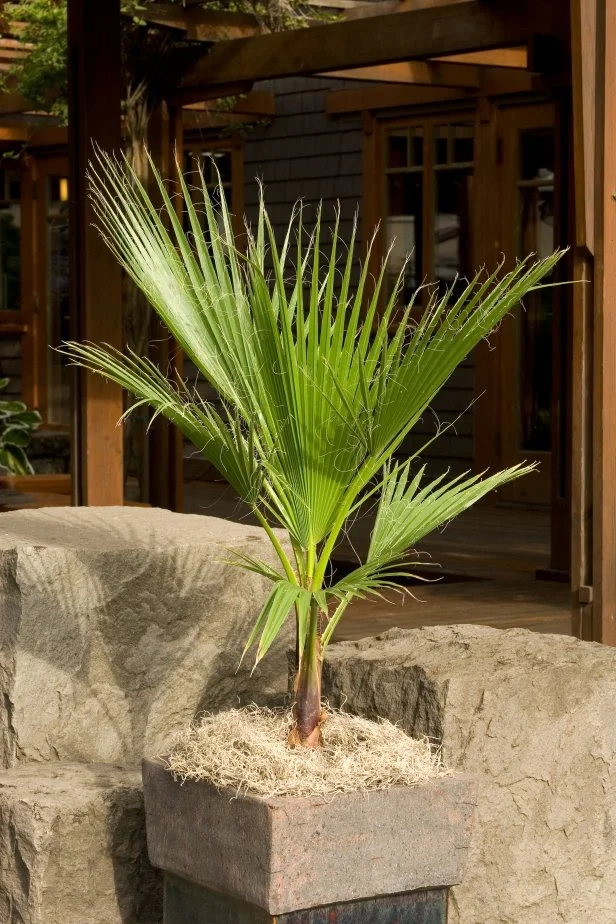
The Windmill Palm is one of the hardiest palms. It can survive temperatures as low as 5°F (-15°C). This palm has fan-shaped leaves that look like a windmill.
Needle Palm
Needle Palm is very tough and cold hardy. It can survive in temperatures below 0°F (-18°C). This palm has thin, needle-like leaves and grows well in shade.
Sabal Palm
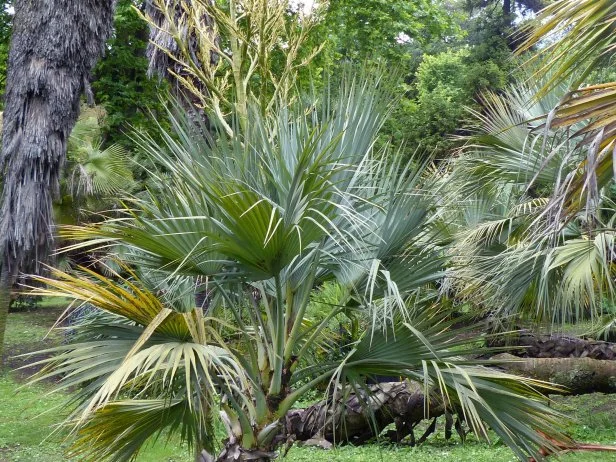
Sabal Palm is a slow-growing palm that can live in cold zones. It tolerates frosts down to 10°F (-12°C). This palm has large fan leaves and a thick trunk.
European Fan Palm
The European Fan Palm can handle cold weather well. It survives temperatures close to 5°F (-15°C). This palm has fan-shaped leaves and a slender trunk.
Pindo Palm
Pindo Palm is popular for cold climates. It can survive temperatures down to 15°F (-9°C). This palm produces edible fruits and has arching fronds.
| Palm Type | Cold Hardiness (°F) | Leaf Type |
| Windmill Palm | 5°F (-15°C) | Fan-shaped |
| Needle Palm | Below 0°F (-18°C) | Needle-like |
| Sabal Palm | 10°F (-12°C) | Fan-shaped |
| European Fan Palm | 5°F (-15°C) | Fan-shaped |
| Pindo Palm | 15°F (-9°C) | Arching fronds |
Planting Tips For Cold Climates
Palm trees can survive cold weather if you pick the right type. Some palms handle cold better than others.
Growing palms in cold places needs special care. You must prepare the soil and protect the tree from frost.
Ideal Soil And Location
Choose soil that drains well to keep roots healthy. Avoid places where water stays after rain.
Plant palms where they get full sun. South-facing spots are usually warmer in winter.
- Use sandy or loamy soil for good drainage
- Do not plant in low areas that collect water
- Pick a sunny, sheltered spot away from strong wind
- Space palms well to allow air flow
Protection During Frost
Cover palms with frost cloth or blankets when cold weather comes. This helps keep the tree warm.
Use mulch around the base to protect roots from freezing. Keep mulch thick and moist for best effect.
- Wrap the trunk with burlap or frost cloth
- Cover leaves to stop frost damage
- Use outdoor lights to add gentle heat if needed
- Water palms before frost for better root health
Credit: www.hgtv.com
Common Challenges In Cold Weather
Palm trees are tropical plants. Cold weather can cause serious problems for them.
Some palm trees survive cold better than others. Knowing common challenges helps protect them.
Frost Damage Signs
Frost hurts palm leaves and stems. Leaves may turn brown or black.
Damage shows as spots or wilting. New growth may slow or stop.
- Brown or black leaf tips
- Soft or mushy stems
- Wilting or drooping fronds
- Slow or no new leaf growth
Dealing With Snow And Ice
Snow and ice add weight to palm fronds. This can break or bend them.
Cold can freeze water inside the tree. This causes damage inside the trunk.
- Remove snow gently from fronds
- Use covers to protect trees
- Avoid using salt near palms
- Check for broken branches after storms
Maintenance For Hardy Palms
Hardy palms can survive cold weather with the right care. They need attention to grow strong and healthy.
Proper maintenance helps palms withstand frost and cold temperatures. Focus on watering, fertilizing, and pruning.
Watering Practices
Water hardy palms deeply but less often. Let the soil dry between watering to avoid root rot.
In cold weather, reduce watering to prevent frozen roots. Keep soil moist but not soggy.
- Water palms once a week in warm seasons
- Reduce watering to once every two weeks in winter
- Use mulch to keep soil moist and warm
Fertilizing Schedule
Feed hardy palms with a balanced fertilizer during growing months. This supports strong growth and cold tolerance.
Avoid fertilizing in late fall or winter. Palms slow down growth and do not need extra nutrients then.
- Apply fertilizer in spring and summer
- Use slow-release fertilizer for steady feeding
- Follow label instructions for safe amounts
Pruning Guidelines
Remove dead or damaged fronds to keep palms healthy. Prune carefully to avoid stress on the plant.
Do not cut green fronds unless necessary. They provide food and protection during cold periods.
- Cut only brown or yellow fronds
- Use clean, sharp tools to prevent disease
- Prune in late winter or early spring

Credit: www.hgtv.com
Frequently Asked Questions
Which Palm Trees Tolerate Freezing Temperatures Best?
Cold-hardy palms like the Windmill palm, Needle palm, and Sabal palmetto survive freezing temperatures. These species thrive in zones with occasional frost and brief cold spells, making them ideal for colder climates.
How Cold Can A Cold-hardy Palm Tree Survive?
Most cold-hardy palms tolerate temperatures down to 10-20°F (-12 to -6°C). Some species endure brief dips below 0°F (-18°C) if well-established and protected from harsh winds.
Can Palm Trees Grow In Snowy Climates?
Yes, some palm trees adapt to snowy climates if they are cold-hardy species. Proper care and winter protection help them survive snow and frost.
What Care Do Cold-hardy Palms Need In Winter?
Cold-hardy palms need mulching, watering before freeze, and wind protection in winter. Wrapping trunks and using frost cloths can prevent freeze damage.
Conclusion
Cold-hardy palm trees bring tropical beauty to chilly places. They survive frost and even brief freezes. Choosing the right type ensures your garden stays green year-round. Planting and care matter for their survival in cold weather. These palms add charm and life to colder climates.
Growing them is possible with the right knowledge and effort. Explore options like the Windmill or Needle Palms for tough winters. Enjoy a touch of the tropics, no matter the cold.