What Buildings Survived the 1900 Galveston Hurricane: Untold Stories
When you think about powerful hurricanes, the 1900 Galveston Hurricane often comes to mind as one of the deadliest natural disasters in U.S. History. But amidst the devastation, a few buildings stood strong against the massive storm.
Have you ever wondered why some structures survived while others didn’t? Understanding these architectural triumphs could be a fascinating insight into resilience and survival. As you read on, you’ll discover which buildings withstood the hurricane’s fury and the secrets behind their survival.
This knowledge might change how you see the architecture around you and deepen your appreciation for historical resilience. Keep reading to uncover these incredible stories of endurance and the lessons they offer for the future.
Galveston Before The Hurricane
Galveston was a busy port city in Texas before the 1900 hurricane. It had a strong economy and many buildings.
The city was known for its unique layout and mix of building styles. People lived and worked close to the waterfront.
City Layout And Architecture
The city was built on a flat island with streets in a grid pattern. Most buildings were made of wood and some brick.
- Wide streets near the water allowed ships to dock easily.
- Many homes had raised foundations to avoid flooding.
- Public buildings showed Victorian and Italianate styles.
- Wooden piers stretched into the bay for trade and travel.
- Churches and schools were spread throughout neighborhoods.
Economic And Social Context
Galveston was a key trade center in the Gulf of Mexico. It handled cotton, lumber, and other goods.
| Industry | Role in Economy |
| Shipping | Main port for Texas exports |
| Cotton Trade | Major export through Galveston |
| Lumber | Supplied building materials locally |
| Tourism | Attracted visitors to beaches and hotels |
The city had a mix of wealthy merchants and working-class people. Social life centered on business and church activities.
Credit: www.chron.com
The 1900 Galveston Hurricane Impact
The 1900 Galveston Hurricane was one of the deadliest natural disasters in US history. It struck the island city of Galveston, Texas, with devastating force. Many buildings were destroyed, but some survived the storm.
This article looks at how the storm surge and wind damage affected the buildings. It also covers the immediate aftermath of the hurricane.
Storm Surge And Wind Damage
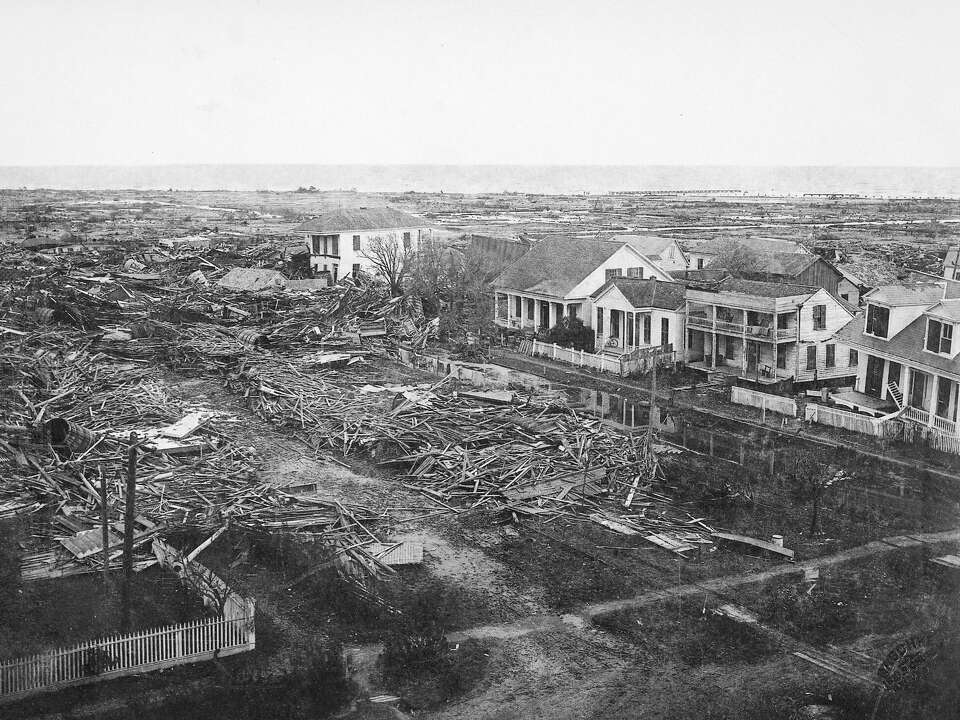
The hurricane brought a massive storm surge that flooded much of Galveston. Waves and water destroyed many homes and businesses. Strong winds tore roofs off buildings and knocked down walls.
- Buildings made of wood were mostly destroyed by wind and water.
- Homes built with strong brick or stone survived better.
- The seawall helped protect some areas from the worst surge.
- Structures on higher ground had less flood damage.
- Many large public buildings stayed standing despite wind damage.
Immediate Aftermath
After the hurricane, the city faced a huge cleanup effort. Many buildings were damaged but could be repaired. Others were completely lost and had to be rebuilt.
| Building Type | Damage Level | Survival Rate |
| Wooden Homes | Severe | Low |
| Brick Buildings | Moderate | High |
| Stone Structures | Minor | Very High |
| Public Buildings | Varied | Moderate to High |
Buildings That Withstood The Storm
The 1900 Galveston Hurricane was one of the deadliest storms in U.S. history. Many buildings were destroyed by the powerful winds and flooding.
Some buildings survived because of their strong design and solid materials. These structures still stand today as a reminder of the storm’s power.
Key Structural Features
Buildings that survived had strong foundations and sturdy walls. Many were built with reinforced concrete or heavy timber.
Roofs were often designed to resist high winds. Some had steep slopes or were tied securely to the walls.
- Deep foundations to prevent flooding damage
- Thick walls made from brick or concrete
- Roof structures tied tightly to walls
- Use of heavy timber framing
- Elevated floors above expected flood levels
Notable Surviving Residences
Some homes in Galveston survived the hurricane with little damage. These houses had strong frames and were often built on raised foundations.
The Bishop’s Palace is one famous residence that stood firm. It used heavy limestone and steel framing to resist the storm.
- Bishop’s Palace – heavy limestone and steel frame
- Moody Mansion – elevated floors and strong walls
- Various historic homes in East End district
Surviving Public Buildings
Some public buildings also survived the hurricane. These buildings were often built with durable materials and designed for strength.
The U.S. Post Office and Courthouse is one example. It was built with reinforced concrete and strong brick walls.
- U.S. Post Office and Courthouse – reinforced concrete
- Central High School – heavy masonry construction
- Old Galveston Custom House – solid stone walls

Credit: www.fresnobee.com
Architectural Materials And Techniques
The 1900 Galveston hurricane was one of the deadliest storms in U.S. history. It destroyed many buildings on the island. Some buildings survived because of their strong materials and smart building techniques.
Understanding how these buildings were made helps us learn why they lasted through such a powerful storm. The use of specific materials and construction methods played a key role in their durability.
Construction Methods Of The Era
Builders in 1900 used simple but effective techniques. Many homes were raised off the ground to avoid flood damage. Wood framing was common, but the way it was joined made a difference.
Heavy timber framing was stronger than lighter wood. Nails and bolts held structures together tightly. Some buildings had deep foundations that helped resist strong winds.
- Raised foundations to prevent flood damage
- Heavy timber framing for strong structure
- Use of nails and bolts to secure joints
- Deep foundations to resist wind forces
Role Of Building Materials In Durability
Materials like brick and stone were stronger than wood. Buildings made with these materials had better chances of surviving the storm. Wood was vulnerable to water and wind damage.
Galveston’s seawall also protected some buildings. Those near the seawall faced less flooding and damage. Using quality materials and protective designs helped buildings last through the hurricane.
- Brick and stone resisted wind and water
- Wood was less durable in floods
- Seawall reduced flooding near buildings
- Strong materials increased survival chances
Stories Of Survival And Resilience
The 1900 Galveston Hurricane was one of the deadliest storms in American history. It destroyed many buildings and changed the city forever. Yet, some buildings survived the storm’s fury.
These buildings tell stories of strength and hope. They remind us how people faced disaster and rebuilt their lives.
Personal Accounts From Survivors
Many survivors spoke about how certain buildings helped them survive. Some homes were built with strong wood and raised foundations. These features kept people safe during the flood and wind.
One survivor said their family stayed in a stone church that stood firm against the storm. The building’s thick walls and small windows kept out debris and water. This church became a refuge for many in the community.
- Wooden homes on stilts resisted floodwaters
- Stone churches and schools acted as shelters
- Some brick buildings held despite heavy wind
- Strong roofs and shutters saved lives
Community Efforts In Reconstruction
After the hurricane, the people of Galveston worked together to rebuild their city. They raised the land level and built a seawall to protect against future storms. The new buildings were stronger and safer.
Community leaders planned carefully. They used lessons from the past to design better homes and public buildings. This teamwork showed the city’s resilience and hope for the future.
- Raised land to prevent flooding
- Built seawall to block storm surges
- Used stronger materials like brick and concrete
- Improved building codes for safety
- Neighbors helped each other with repairs
Legacy Of Surviving Structures
The 1900 Galveston hurricane was one of the deadliest storms in U.S. history. Some buildings survived this massive storm. Their legacy helps us learn about building strength and safety.
These surviving structures show how old methods and materials can withstand nature’s power. Today, they inspire preservation and better building rules.
Preservation And Restoration
Many buildings that survived the hurricane are now preserved as historic landmarks. Restoration efforts keep these structures safe and maintain their original look.
- Use of strong materials like brick and stone
- Reinforcement of walls and foundations
- Repair of storm damage with original designs
- Regular maintenance to prevent decay
- Community efforts to protect historic sites
These steps help keep the history alive and show how the past can guide future building care.
Influence On Modern Building Codes
The surviving buildings taught engineers and lawmakers important lessons. They helped create rules that make buildings safer from hurricanes and storms.
| Building Feature | Modern Code Requirement |
| Foundation | Deep and strong to resist flooding |
| Wall Strength | Use reinforced concrete or masonry |
| Roof Design | Secure attachments to resist high winds |
| Window Protection | Storm shutters or impact-resistant glass |
| Elevation | Raise buildings above flood levels |

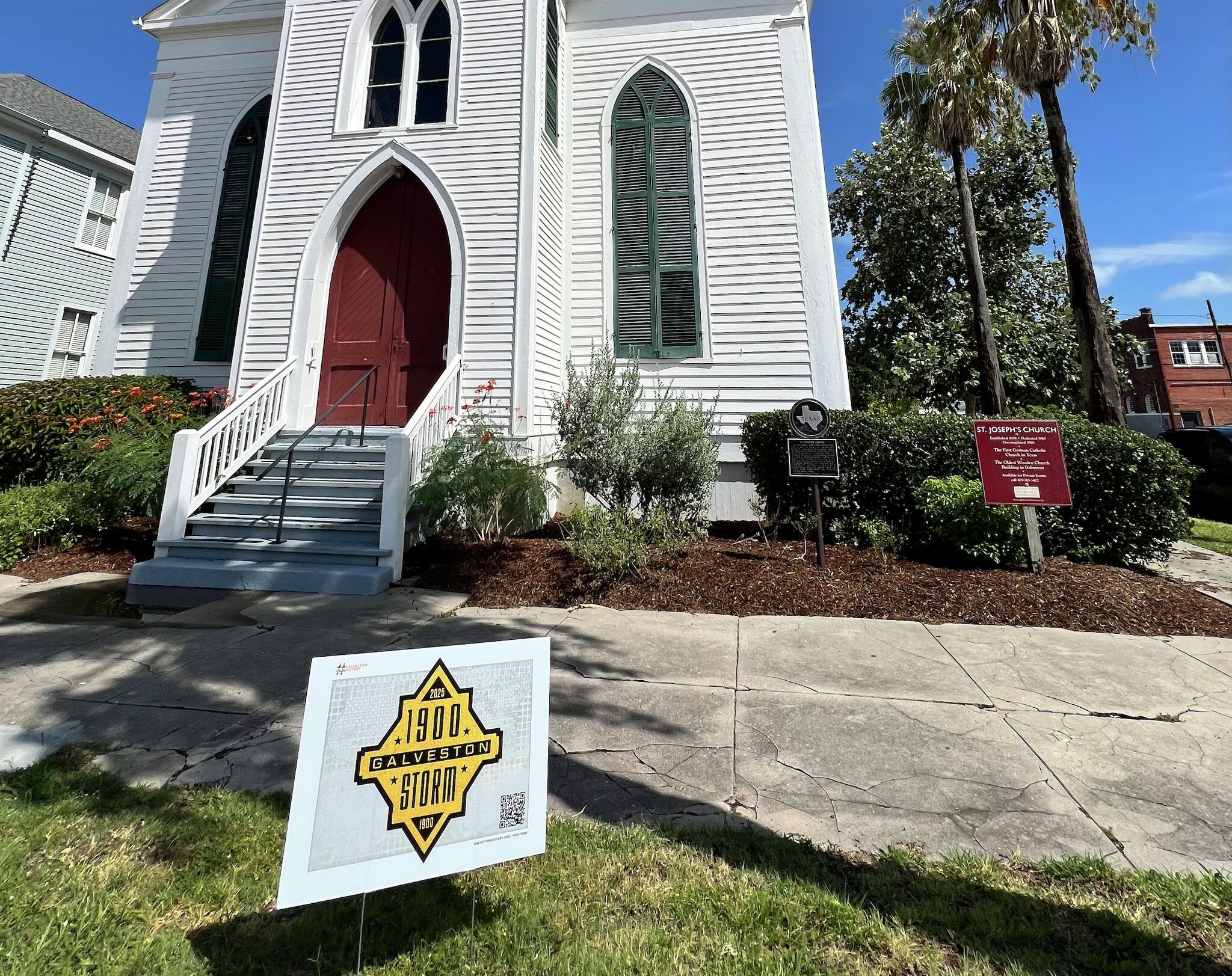
Credit: www.galvestonhistory.org
Frequently Asked Questions
What Buildings Survived The 1900 Galveston Hurricane?
Several sturdy brick and stone buildings survived, including the Tremont Hotel and some churches. Their solid construction helped withstand the storm’s force.
How Did Construction Materials Affect Building Survival?
Buildings made of brick, stone, and reinforced wood had higher survival rates. Lightweight wooden structures were mostly destroyed by the hurricane’s strong winds and flooding.
Which Historic Galveston Landmarks Remain From 1900?
The Bishop’s Palace and St. Mary’s Cathedral are notable landmarks that survived. These buildings showcase durable architecture and remain significant today.
Did Residential Homes Survive The Hurricane?
Few residential homes survived, mostly those built on higher ground with strong materials. Most wooden houses were swept away by the storm surge.
Conclusion
The 1900 Galveston Hurricane tested many buildings’ strength. Some structures stood firm, showing smart design and strong materials. These buildings tell stories of survival and resilience. They remind us of the power of nature and human courage. Studying them helps improve today’s building methods.
Galveston’s history lives on through these lasting landmarks. They inspire hope after great disaster.