How Monkeys Survive in Cold Weather: Secrets of Nature’s Resilience
Have you ever wondered how monkeys, those lively creatures we often associate with tropical jungles, manage to survive when the temperature drops? Picture this: a group of monkeys huddling together, their clever strategies unfolding against the backdrop of a chilly forest.
You might be surprised to learn that some monkeys are masters at thriving in cold climates. But how do they do it? What secrets do they hold to endure and adapt to environments so different from the warm habitats we typically envision for them?
By understanding their fascinating survival tactics, you might just discover new insights into the incredible resilience of nature. Ready to uncover the mysteries of how monkeys brave the cold? Let’s dive in.
Monkey Species In Cold Climates
Some monkeys live in cold places where snow falls and temperatures drop. These species have special ways to survive the cold weather. They live in mountains and forests with chilly air.
Let’s explore three monkey species that live in cold climates. We will see how they stay warm and safe.
Japanese Macaques
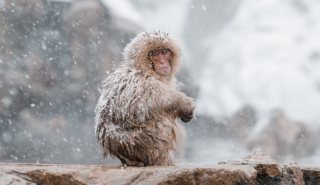
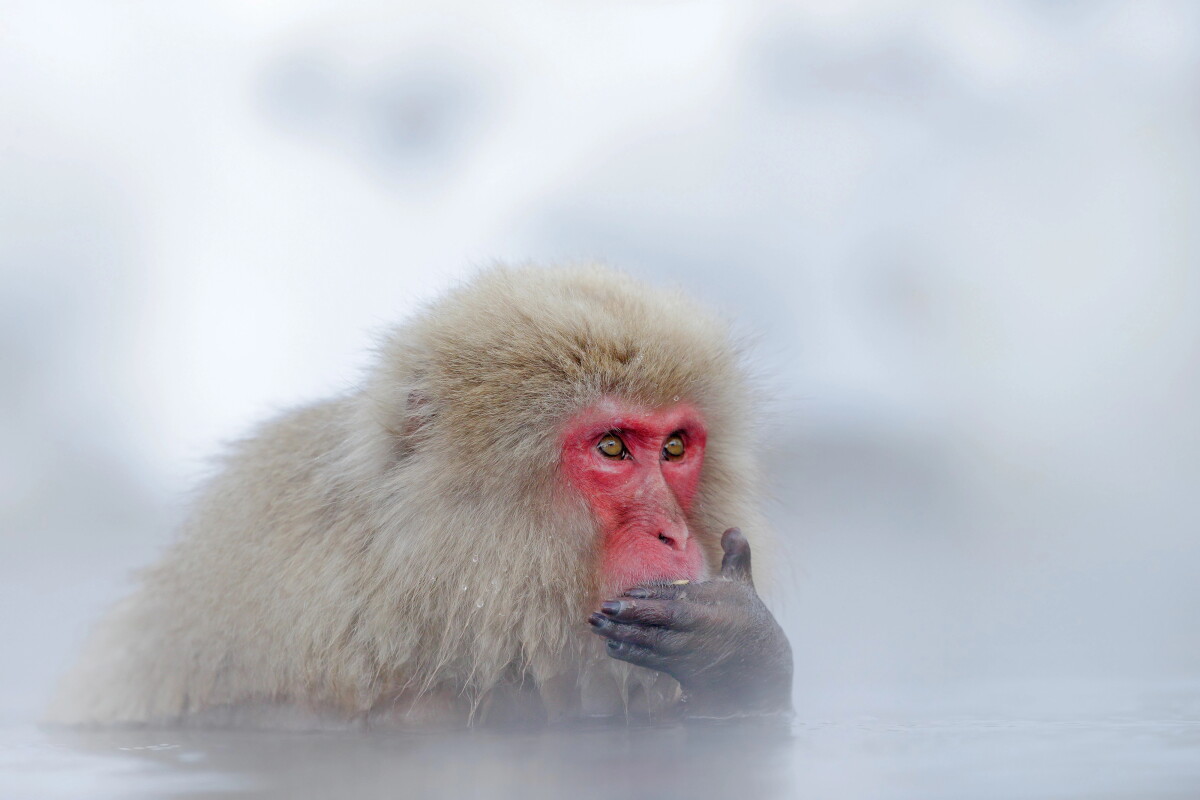
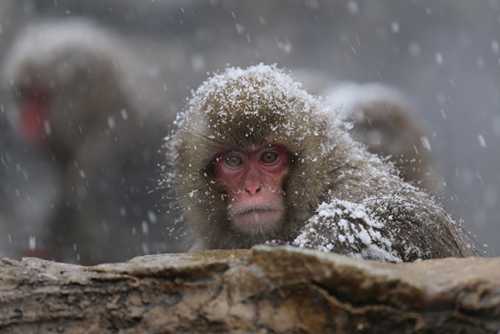
Japanese Macaques, also called snow monkeys, live in Japan’s cold mountains. They have thick fur to keep warm in winter. These monkeys like to sit in hot springs to stay warm during snowy days.
Himalayan Langurs
Himalayan Langurs live high in the Himalaya mountains. They survive cold by having long, thick fur. Their fur protects them from wind and snow. They eat leaves and bark to get energy in winter.
- Thick, long fur for insulation
- Eat hardy plants and tree bark
- Move in groups to share body heat
- Find shelter in rocky areas
Barbary Macaques
Barbary Macaques live in the mountains of North Africa. They face cold winters with snow. These monkeys grow thick fur and stay close together to keep warm. They also sunbathe to absorb heat during cold days.
| Species | Cold Climate Feature | Survival Strategy |
| Japanese Macaques | Snowy mountains of Japan | Use hot springs, thick fur |
| Himalayan Langurs | High Himalaya peaks | Thick fur, group warmth, eat bark |
| Barbary Macaques | North African mountains | Thick fur, sunbathe, stay close |
Credit: newatlas.com
Physical Adaptations
Monkeys use many body changes to stay warm in cold weather. These changes help them survive when temperatures drop. Their bodies adjust to keep heat inside and protect them from the cold.
These physical adaptations include thick fur, extra body fat, and color changes. Each helps monkeys live in harsh climates with cold weather.
Thick Fur Coats
Monkeys grow thick fur coats to trap heat close to their bodies. The fur acts like a warm blanket that stops cold air from reaching their skin.
- The fur is dense and soft.
- It covers their whole body, including the tail.
- The fur grows longer in winter.
- It helps block wind and snow.
Body Fat And Size
Monkeys add body fat to keep warm. Fat stores energy and helps keep the body temperature steady. Larger body size also helps reduce heat loss.
| Adaptation | How It Helps |
| Extra Fat | Stores energy and insulates the body |
| Larger Size | Reduces surface area to volume ratio, keeping heat inside |
| Compact Shape | Limits heat loss through limbs |
Color Changes
Some monkeys change fur color in cold weather. Darker fur absorbs more sunlight to warm their bodies. This color change helps them stay warm during winter.
Color changes include:
- Fur turning darker in winter
- Blending with snowy or icy environments
- Helping with camouflage and warmth
Behavioral Strategies
Monkeys use smart behaviors to stay warm in cold weather. These actions help them save heat and survive low temperatures.
They change how they act and where they go to keep their bodies warm during winter months.
Huddling For Warmth
Monkeys gather close to each other to share body heat. This group behavior helps them stay warm when it is cold.
By sitting close, they reduce heat loss and protect themselves from cold winds. Huddling also helps keep young monkeys safe.
- Monkeys form tight groups during cold nights
- They share warmth by touching bodies
- Huddling lowers the chance of frostbite
Sunbathing Techniques
Monkeys use the sun to warm themselves. They find sunny spots and sit still to absorb heat from sunlight.
Sunbathing helps raise their body temperature without using extra energy. They often stretch out to get more sun on their fur.
- Choose open areas with direct sunlight
- Face the sun to get maximum warmth
- Stay still to absorb heat effectively
Seasonal Migration
Some monkeys move to warmer places during winter. They travel to lower altitudes or areas with milder weather.
This migration helps them avoid harsh cold. Moving also gives them better access to food and water in winter.
- Travel to warmer regions in cold months
- Choose places with more food and water
- Return when weather becomes warm again
Diet Adjustments In Winter
Monkeys face cold weather by changing what they eat. Winter food is hard to find. They need to find new ways to stay healthy.
These diet changes help monkeys keep their energy up. They adjust their eating habits to survive the cold months.
Foraging For Scarce Food
In winter, fruits and insects are rare. Monkeys spend more time looking for food. They search in places they do not visit in warmer months.
They eat seeds and nuts that last longer. Some monkeys dig in the snow to find hidden plants or roots.
Eating Bark And Twigs
Monkeys chew on bark and twigs when other food is not available. Bark has nutrients and fiber to help them stay full.
This diet is tough but helps monkeys survive. They use their strong teeth to strip bark from trees.
Storing Food
Some monkeys save food for winter. They hide nuts and fruits in safe places. This stored food helps when fresh food is scarce.
- Store food in tree holes or under leaves
- Return to these spots to eat later
- Keep food safe from other animals
Social Structures And Survival
Monkeys live in groups that help them stay warm during cold weather. Their social structures play a big role in their survival. These groups share tasks and protect each other.
In cold climates, monkeys rely on teamwork and communication. These behaviors help them find food, care for young ones, and keep safe from dangers.
Group Cooperation
Monkeys work together to survive cold weather. They huddle closely to share body heat. This cooperation lowers their risk of hypothermia. Each member helps the group stay warm and safe.
- Huddling to conserve heat
- Sharing shelter spots
- Alerting others to danger
- Helping injured or weak members
Shared Parenting
Parent monkeys share the care of their young. Mothers, fathers, and other group members help keep babies warm. This shared parenting raises the chances of baby monkeys surviving cold days.
| Caregiver | Role in Cold Survival |
| Mother | Feeds and keeps baby close |
| Father | Protects and helps with warmth |
| Other adults | Share grooming and huddling |
Communication In Cold
Monkeys use sounds and gestures to communicate in cold weather. They warn each other about cold spots and share information about food. This helps the whole group survive tough conditions.
- Chirps to call group members
- Body movements to show warmth or cold
- Touching to comfort and share heat
Credit: alaska-native-news.com
Physiological Responses
Monkeys face cold weather by changing how their bodies work. Their bodies react to keep warm and survive. These changes help them live in cold places.
This section explains how monkeys change their metabolism, hormones, and activity levels to handle cold weather.
Metabolic Rate Changes
Monkeys increase their metabolic rate to make more heat. Their bodies burn more energy to stay warm. This helps keep their core temperature steady in cold weather.
- Energy use rises to produce heat
- Fat stores are burned for warmth
- Muscle activity may increase to generate body heat
Cold-induced Hormonal Shifts
Hormones change when monkeys face cold weather. These changes help control metabolism and energy use. Hormones also protect the body from cold stress.
| Hormone | Effect |
| Thyroid Hormones | Increase heat production |
| Cortisol | Manage energy and stress |
| Adrenaline | Boost metabolism temporarily |
Reduced Activity Levels
Monkeys lower their activity to save energy in the cold. Moving less helps reduce heat loss. Staying still helps keep their body heat longer.
- Less movement reduces energy needs
- Monkeys often rest or sleep more
- Grouping together can reduce heat loss
Lessons From Nature’s Resilience
Monkeys living in cold areas show us how life adapts to tough weather. They change their habits and bodies to stay warm.
Studying these animals helps us learn about survival and the impact of climate on living beings.
Adapting To Climate Change
Monkeys use many ways to live in cold weather. Their thick fur keeps heat inside. They also gather in groups to share warmth.
- Grow thicker fur during winter
- Huddle together for warmth
- Change diet to eat more energy-rich food
- Move less to save energy
Implications For Conservation
Protecting monkey habitats is key to their survival. Cold climates are changing fast, and animals need safe places to live.
| Threat | Effect on Monkeys |
| Rising temperatures | Loss of cold habitats |
| Deforestation | Less shelter and food |
| Human activity | Increased stress and danger |
Human Parallels
Humans also face cold weather challenges. Like monkeys, we use clothing and build shelters to stay warm.
Both monkeys and humans:
- Adapt behavior to survive
- Use group living for safety
- Change food choices by season

Credit: news.cgtn.com
Frequently Asked Questions
How Do Monkeys Stay Warm In Cold Weather?
Monkeys grow thicker fur to insulate against cold temperatures. They huddle together for shared body heat, reducing heat loss. Behavioral adaptations like seeking sunlit spots also help maintain warmth during chilly conditions.
What Natural Adaptations Help Monkeys Survive Cold Climates?
Monkeys develop dense, insulating fur that traps heat effectively. Their metabolism adjusts to generate more body heat. Social behaviors, such as group huddling, further enhance their ability to endure low temperatures.
Do Monkeys Change Their Diet In Winter?
Yes, monkeys often shift to eating higher-calorie foods in cold weather. This helps increase energy intake to support body heat production. They may consume more nuts, seeds, and fruits that are available during winter.
Can Monkeys Live In Snowy Environments?
Certain monkey species, like Japanese macaques, thrive in snowy habitats. They use hot springs to stay warm and adapt behaviors to cope with snow. Their thick fur and social habits enable survival in snowy conditions.
Conclusion
Monkeys adapt well to cold weather using smart survival skills. They grow thick fur that keeps them warm. Huddling together helps share body heat on cold nights. Some monkeys eat more food to fuel their bodies in winter. They also find shelter in trees or caves to stay safe.
These simple habits let monkeys live in cold places. Nature’s way of helping animals survive. A great example of life’s strong will. Monkeys show us how to face tough conditions with care and teamwork.