Can a Boat Survive a Hurricane: Essential Survival Tips Revealed
Imagine you’re on a boat, the sun is shining, and the water is calm. Suddenly, dark clouds gather, and you hear the ominous news: a hurricane is approaching.
Your heart races as questions flood your mind. Can your boat withstand the fury of a hurricane? What steps can you take to ensure your safety and the safety of your vessel? We’ll delve into the survival strategies that could make all the difference when the storm hits.
You’ll discover expert tips and insights that could transform a potentially disastrous situation into a story of resilience and survival. By the end, you’ll not only know if your boat can survive a hurricane, but you’ll also gain the peace of mind that comes with being prepared. Stick around—your adventure on the high seas could depend on it.
Hurricane Impact On Boats
Boats face serious risks during hurricanes. Strong winds and waves can cause severe damage. Understanding how storms affect boats helps owners prepare better.
Many boats do not survive hurricanes without damage. The power of nature tests the strength and design of every vessel in the water.
Storm Forces And Effects
Hurricanes produce strong winds, heavy rain, and high waves. These forces push boats around and can break them apart. Wind speed can reach over 100 miles per hour, making control difficult. Waves can rise above 30 feet, hitting boats hard.
- Strong winds cause boats to drift or capsize.
- Heavy rain reduces visibility and adds weight to the boat.
- Large waves create powerful impacts on the hull and deck.
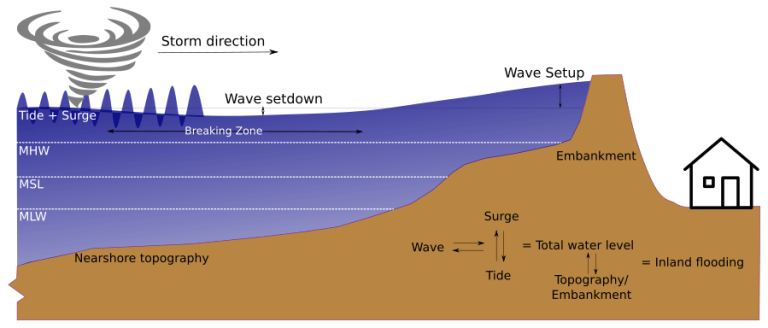
- Storm surge can flood docks and marinas, pushing boats ashore.
Common Damage To Boats
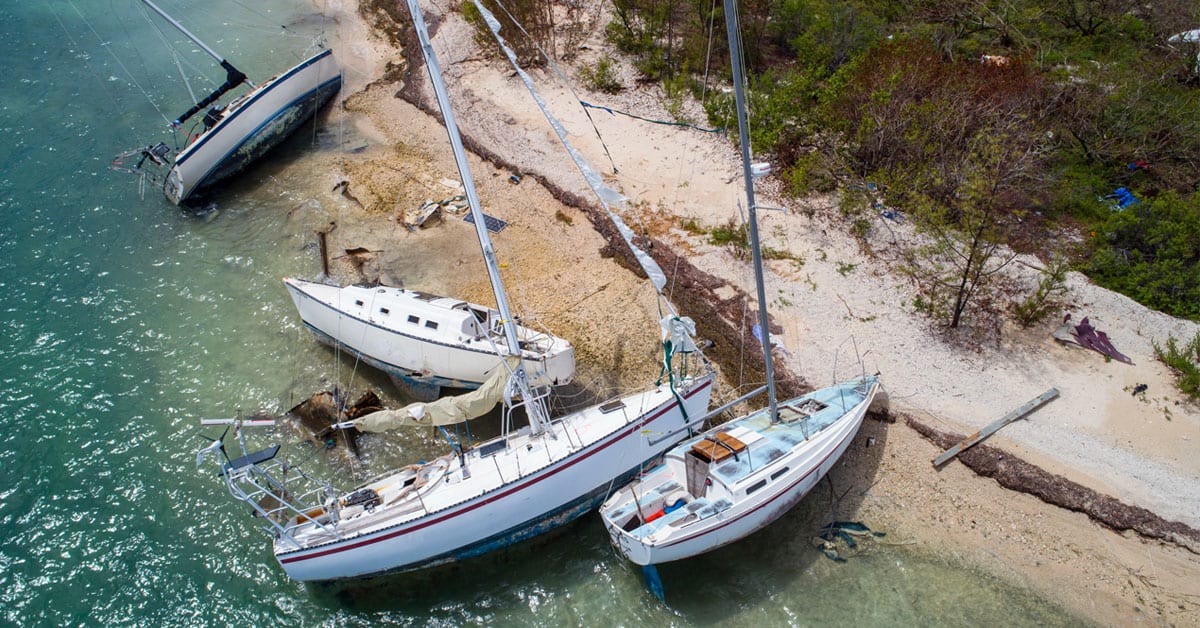
Boats often suffer structural and mechanical damage in hurricanes. The hull may crack or break from wave forces. Masts and rigging can snap in strong winds. Engines and electronics may flood and fail.
| Type of Damage | Description |
| Hull Damage | Cracks, holes, or crushed sections from waves and collisions |
| Mast and Rigging | Broken or bent masts, torn sails, and lost rigging parts |
| Engine Failure | Water intrusion causing engine shutdown or corrosion |
| Electrical Damage | Short circuits and failures from flooding |
| Dock Damage | Broken mooring lines and smashed docks leading to boat damage |

Credit: boatingsafetymag.com
Preparing Your Boat
Getting your boat ready before a hurricane is very important. It helps protect your vessel and keeps it safe. Planning ahead can reduce damage and make recovery easier.
Follow these key steps to prepare your boat. Focus on securing it well, using the right gear, and picking a safe spot for shelter.
Securing The Vessel
Strong winds and waves can move or damage your boat during a hurricane. Use strong ropes and anchors to hold it firmly. Tie the boat at several points to spread the force.
- Use heavy-duty dock lines and chafing gear
- Double up mooring lines for extra strength
- Attach lines to strong cleats or pilings
- Remove sails or loose equipment to prevent damage
- Secure hatches and windows tightly
Protective Equipment
Protective gear shields your boat from harsh weather. Cover sensitive parts and reinforce weak areas. Use materials that resist water and wind damage.
| Equipment | Purpose |
| Boat cover or tarp | Keeps rain and debris out |
| Fender cushions | Prevents damage from rubbing |
| Bilge pumps | Removes water inside the boat |
| Storm shutters | Protects windows and hatches |
| Extra ropes | Reinforces mooring lines |
Choosing A Safe Location
Finding a secure place for your boat can lower risk of damage. Avoid open water and exposed docks. Select spots with natural protection and good anchorage.
- Protected marinas with strong docks
- Areas shielded by land or breakwaters
- Deep water to avoid grounding
- Good holding bottom for anchors
- Limited boat traffic to reduce collisions
During The Hurricane
Facing a hurricane while on a boat is dangerous. It is important to stay calm and act carefully. Knowing what to do during the storm can save lives and protect the boat.
This section explains key actions to take during the hurricane. You will learn how to watch the weather, keep the crew safe, and keep the boat stable.
Monitoring Weather Updates
Stay informed by checking weather reports often. Use a weather radio or a marine app to get updates. Knowing the storm’s path helps you make quick decisions.
- Listen to official weather alerts regularly.
- Watch for changes in wind speed and direction.
- Note rising waves and darkening skies.
- Communicate with nearby boats or coast guard.
Safety Measures For Crew
Keep the crew safe by following strict safety rules. Everyone should wear life jackets at all times. Avoid moving around the boat unless needed.
- Assign roles to each crew member before the storm hits.
- Secure all loose objects to prevent injuries.
- Keep emergency supplies within reach.
- Use safety lines to avoid falling overboard.
- Stay below deck if the weather gets too rough.
Managing Boat Stability
Boat stability is critical during strong winds and waves. Proper handling helps prevent capsizing or damage. Adjust the boat’s position and balance carefully.
| Action | Purpose |
|---|---|
| Head the bow into the waves | Reduces side impact and rolling |
| Lower sails or secure rigging | Prevents damage and loss of control |
| Distribute weight evenly | Keeps the boat balanced |
| Use engines to maintain steady speed | Helps control the boat’s direction |
Post-hurricane Actions
After a hurricane, it is important to check your boat carefully. Damage can be hidden and unsafe. Taking action fast helps protect your boat.
Knowing what to do after the storm keeps your boat in good shape. Follow clear steps to inspect, repair, and report any issues.
Inspecting Damage
Look at your boat from top to bottom after the hurricane. Check for cracks, holes, or missing parts. Also, inspect the engine and electrical systems.
Take photos of all damage. This helps with repairs and insurance claims. Look for damages like:
- Broken windows or hatches
- Damaged hull or deck
- Loose or missing hardware
- Water inside the boat
- Engine and battery issues
Performing Repairs
Fix small problems quickly to avoid bigger issues. Use the right tools and materials for boat repairs. Replace broken parts and seal leaks.
If damage is serious, ask a professional for help. Do not start the engine if water got inside. Clean and dry your boat well before use.
- Patch holes and cracks
- Tighten or replace loose hardware
- Check and dry electrical parts
- Service the engine if needed
- Clean the interior and remove debris
Reporting And Insurance
Contact your insurance company soon after the hurricane. Share photos and a list of damages. Keep all repair receipts for claims.
Follow your insurer’s instructions to file a claim. Reporting damage fast can help you get money to fix your boat. Keep records of all communication.
- Document damage with photos and notes
- Call your insurance agent quickly
- Submit a detailed damage report
- Keep all repair bills and receipts
- Follow up on your claim regularly
Additional Survival Tips
Boats face many dangers during a hurricane. Strong winds and waves can cause serious damage. Preparing well helps increase your boat’s chance to survive.
Here are some extra tips to keep you and your boat safe during a hurricane.
Emergency Supplies Checklist
Having the right supplies ready can save lives. Keep essential items on board in case you get stuck during the storm.
- First aid kit with bandages and medicines
- Flashlights with extra batteries
- Life jackets for all passengers
- Non-perishable food and water for several days
- Tool kit for quick repairs
- Fire extinguisher
- Emergency blankets and warm clothing
- Flares and signaling devices
- Extra fuel and engine oil
Communication Strategies
Good communication helps you get help if needed. Use several ways to stay in touch during the hurricane.
Always check your devices before the storm. Keep them charged and protected from water.
- Marine VHF radio for emergency calls
- Mobile phone with waterproof case
- Satellite phone if possible
- Whistle or horn for signaling nearby boats
- Let someone on shore know your plan and location
Training And Preparedness
Practice safety drills before hurricane season. Know how to use all safety gear on your boat.
Learn how to secure your boat properly. This lowers the risk of damage or loss during the storm.
- Train in basic first aid and CPR
- Practice tying strong knots and mooring techniques
- Know how to use emergency radios and signaling devices
- Keep updated on weather forecasts and warnings
- Have a clear evacuation plan

Credit: www.youtube.com

Credit: www.morganscloud.com
Frequently Asked Questions
Can A Boat Withstand Hurricane-force Winds?
Most boats are not designed to withstand hurricane-force winds. Extreme winds can cause severe damage or capsize. Proper storm preparation and securing the boat are crucial to increase survival chances.
Should You Take Your Boat Out During A Hurricane?
It is highly unsafe to take a boat out during a hurricane. The rough seas and strong winds pose life-threatening risks. It is best to secure the boat onshore or in a safe marina well before the storm.
How Can I Protect My Boat From Hurricane Damage?
To protect a boat, secure it with heavy-duty lines and remove loose items. Use chafe protection on mooring lines. Hauling the boat out of water or moving it to a hurricane-safe location is ideal.
Are All Boats Equally Vulnerable To Hurricanes?
No, vulnerability varies by boat size, design, and mooring quality. Larger, sturdier boats fare better, but no boat is completely safe. Proper preparation and location significantly impact survival during a hurricane.
Conclusion
Boats face serious risks during hurricanes. Strong winds and huge waves can cause heavy damage. Proper preparation and sturdy design improve survival chances. Staying informed about weather updates is very important. Safe docking and removing loose items help protect boats.
Still, no boat is completely safe in a hurricane. Respect the power of nature and take all precautions. Your boat’s safety depends on your actions before the storm. Stay alert, plan ahead, and protect your vessel well.