What to Do During a Hurricane to Stay Safe

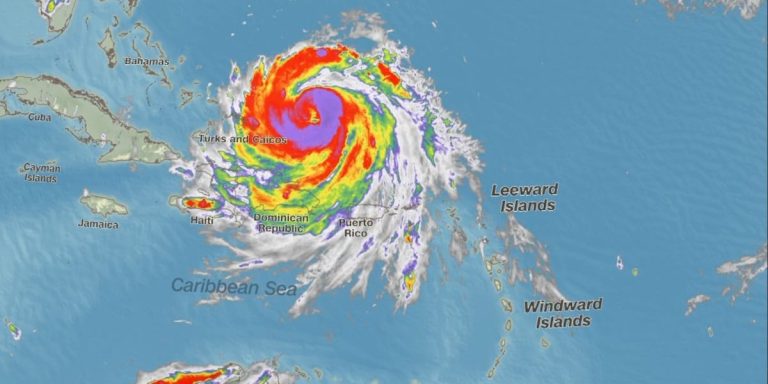
Image source: Wikimedia Commons / GOES imagery: CSU/CIRA & NOAA
What should you do if you are in a hurricane? The answer depends entirely on where you are, what you're in, and how much warning you've got. This isn't a one-size-fits-all storm.
A mobile home on the coast demands a different plan than a concrete house a hundred miles inland. Getting it wrong can cost you your life.
According to the National Hurricane Center, storm surge has accounted for nearly half of all hurricane-related deaths in the United States. That single statistic reshapes everything about how you prepare and react. Let's break down exactly what you're up against and the decisions that keep you alive.
Quick Answer
What should you do if you are in a hurricane? First, check your evacuation zone and leave if told to. If you stay, shelter in an interior room away from windows.
Keep water, non-perishable food, and a battery-powered radio close. Stay inside once winds hit 39 mph. Never venture out during the eye.
Why Getting This Right Means the Difference Between Life and Death
Hurricanes kill in ways that are almost entirely preventable. The National Oceanic and Atmospheric Administration tracks fatality data across decades, and the pattern is clear. Most people who die in hurricanes make one of three mistakes.
They ignore an evacuation order. They stay in a structure that cannot withstand the wind. They go outside during the storm or the brief calm of the eye.
The 2024 Atlantic hurricane season saw multiple landfalls, and preliminary data shows that drowning remains the leading cause of death. Wind-related injuries are second. Carbon monoxide poisoning from improper generator use ranks third.
Every one of these causes has a straightforward countermeasure, but only if you act before conditions deteriorate.
FEMA's guidance is simple: know your zone and have a plan. Waiting too long to evacuate traps you in traffic or exposes you to deadly conditions. The difference between a close call and a tragedy often comes down to decisions made 48 to 72 hours before landfall.
The Three Killers: Storm Surge, Wind, and Inland Flooding
A hurricane unleashes three distinct threats, and each requires a different survival strategy. Storm surge is a dome of ocean water pushed ashore by the storm's winds. It can rise 10 to 20 feet above normal tide levels in a matter of minutes.
This fast-moving water collapses buildings and sweeps vehicles away.
Wind damage escalates exponentially. A Category 1 hurricane has sustained winds of 74 to 95 mph, enough to snap large branches and damage roofs. A Category 5 storm exceeds 157 mph, destroying even well-built frame homes.
The wind turns unsecured objects into lethal projectiles.
Inland flooding comes from torrential rainfall. Hurricanes can dump 10 to 20 inches of rain over a region, causing rivers and streams to overflow days after the storm passes. This danger often catches people off guard because the wind may have stopped.
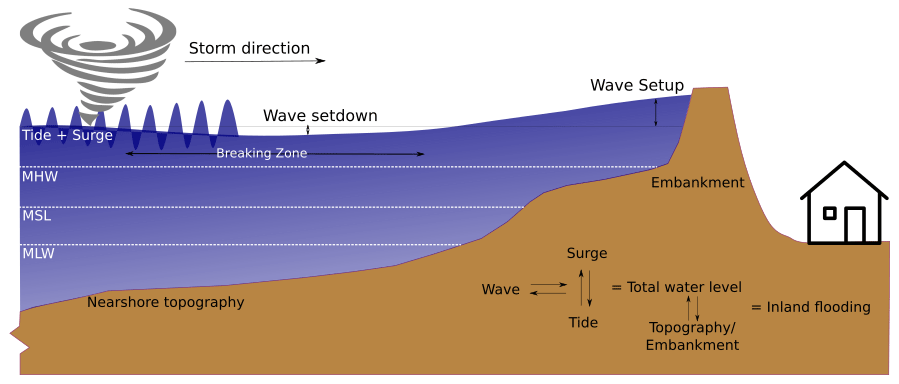
Image source: Web (Bing) / fity.club (Web image (fair-use with source credit))
The National Hurricane Center's storm surge information shows that even a modest hurricane can produce life-threatening surge. The key is understanding which of these three threats applies to your specific location and taking the matching action.
| Killer | Primary Danger | Speed of Onset | Share of Fatalities |
|---|---|---|---|
| Storm Surge | Drowning, structural collapse | Hours | ~50% |
| Wind | Projectiles, roof loss, home destruction | Minutes to hours | ~25% |
| Inland Flooding | Drowning, trapped in vehicles, electrocution | Hours to days | ~25% |
NOAA's data consistently shows that storm surge is the deadliest hazard for coastal residents. Wind dominates for those in poorly constructed housing. Inland flooding becomes the primary killer for people who live far from the coast and assume they are safe.
Evacuate or Stay: The Most Critical Decision You'll Make
This single choice defines your entire hurricane experience. The decision tree is not complicated, but the stakes are absolute. If you live in a mandatory evacuation zone, leave.
No exceptions. Mandatory orders are issued because the area will likely be uninhabitable during and after the storm.
Your home's construction matters enormously. Mobile homes and manufactured housing cannot withstand hurricane-force winds, regardless of tie-downs. If you live in one of these structures, you must evacuate even for a Category 1 storm.
Concrete-block homes with hip roofs and hurricane straps fare far better, but they are still vulnerable to storm surge.
If you evacuate, pack your vehicle with the gear you'll rely on for several days. Bring your emergency supply kit, important documents, medications, and enough fuel to reach your destination. Leave early.
Evacuation routes become parking lots when everyone waits for the last minute.
Here is who should always evacuate:
- Residents in storm surge evacuation zones A and B
- Anyone in a mobile home or manufactured house
- People in flood-prone areas near rivers or bayous
- Those with medical dependencies on electricity if a backup power plan is not in place
- Families with young children, elderly members, or anyone who cannot safely shelter in place
If you are outside the evacuation zones, in a well-built home, and not in a flood-prone area, sheltering in place is a valid option. But you must commit to staying put once tropical storm force winds arrive. Roads become impassable and emergency services cannot respond.
What a Hurricane Does to Your Body, Your Home, and Nerves
The physical dangers are only part of the equation. A hurricane assaults your body with multiple simultaneous threats. Flying debris is the most common cause of injury.
A 2×4 timber traveling at 100 mph can punch through a concrete block wall. Pressure changes and stress can trigger cardiac events, especially in older adults.
Your home becomes a trap if the roof fails. Wind enters through a broken window or garage door, pressurizing the interior and lifting the roof off. This is why you should not open windows to equalize pressure.
That advice is a myth that gets people killed. Closed and secured windows actually help maintain the envelope of the house.
The psychological toll is real and often underestimated. The constant howling wind, the darkness, and the shaking of the structure create a state of high alert that exhausts your nervous system. Stress peaks when you lack core survival items like water, light, and communication.
Having a plan and a stocked kit directly reduces panic.
After the storm, the dangers shift but do not disappear. Downed power lines may be live and hidden in water. Floodwaters contain sewage, chemicals, and sharp debris.
The risk of injury during cleanup often rivals the storm itself. Wear sturdy boots, gloves, and eye protection. Assume every wire is energized until proven otherwise.
Building Your Hurricane Emergency Kit: The Non-Negotiables
Your emergency kit is the difference between enduring a crisis and facing a catastrophe. FEMA recommends a minimum three-day supply of food and water for each person. In our experience, seven days is a safer target, especially in remote areas or after a major landfall.
A well-stocked emergency kit covers hydration, nutrition, light, communication, first aid, and sanitation. You should assemble it long before a storm enters the Gulf or the Atlantic. Smart purchases ahead of time prevent the panic-buying rush that empties stores.
| Item | Recommended Quantity | Notes |
|---|---|---|
| Water | 1 gallon per person per day, minimum 7-day supply | Store in food-grade containers. Replace every 6 months. |
| Non-perishable food | 7-day supply per person | Canned goods, protein bars, dried fruit, peanut butter. Include a manual can opener. |
| Battery-powered or hand-crank radio | 1 per household | NOAA Weather Radio with tone alert is ideal. |
| Flashlights | 1 per person, plus extra batteries | Headlamps keep hands free. Avoid candles due to fire risk. |
| First aid kit | 1 comprehensive kit | Include prescription medications for at least 7 days. |
| Multi-tool or knife | 1 per kit | Useful for repairs, cutting, and emergency tasks. |
| Phone charger | Portable power bank, fully charged | Solar chargers add resilience. |
| Cash | Small bills, at least $200 | ATMs and card readers fail during power outages. |
| Important documents | Copies in waterproof bag | IDs, insurance policies, medical records, bank records. |
| Sanitation supplies | Moist towelettes, garbage bags, plastic ties | For personal sanitation when water service is disrupted. |
| Dust masks | N per person | For filtering contaminated air after the storm. |
| Plastic sheeting and duct tape | 1 roll each | For emergency repairs or creating a shelter-in-place room. |
Strategic packing means keeping everything in a single, easy-to-carry container. A duffel bag, backpack, or plastic tote works well. Store it in the room where you plan to shelter.
If you have to move quickly, you grab one item and go.
If you have pets, their kit needs food, water, medications, a leash, and proof of vaccination. Never leave animals behind during an evacuation. Many emergency shelters accept pets, but you must confirm this in advance with your local emergency management office.
Hardening Your Home: What Actually Stops Wind and Water
If you're sheltering in place, your home's defenses matter. The Insurance Institute for Business & Home Safety has found that the most common point of failure is the garage door. Once wind enters through a failed garage door, pressurization lifts the roof.
Reinforcing the door with a bracing kit or replacing it with a wind-rated model is one of the highest-return upgrades you can make.
Impact-rated windows and storm shutters prevent breach from flying debris. Plywood is a workable substitute if installed correctly. Use 5/8-inch exterior-grade plywood, pre-cut and labeled for each opening.
Bolt it into the window frame, not just the siding. Taping windows does nothing to prevent breakage. It only reduces the spread of glass shards, and even that is marginal.
Doors need proper deadbolts and at least three hinges. Double-wide doors need a vertical brace. Roof straps or hurricane clips that tie the roof framing to the walls dramatically reduce uplift damage.
If you're in a flood-prone area, consider elevating utilities and installing backflow valves on sewer lines.
Water infiltration is just as destructive as wind. Seal gaps around pipes, vents, and electrical penetrations. Move valuables and electronics to upper floors if flooding is possible.
For a complete list of supplies and tools to gather, a well-stocked kit gives you the full picture. Every hour spent hardening now is worth a week of recovery later.
Your Hour-by-Hour Timeline When a Hurricane Threatens
The timeline dictates everything. Once a hurricane watch is issued, you typically have 48 hours before tropical storm force winds arrive. That window is when you complete every preparation.
A hurricane warning means conditions are expected within 36 hours. By that point, outdoor work should be finished.
72 hours before landfall, finalize your plan. Confirm your evacuation route or shelter location. Fill your vehicle's fuel tank.
Top off propane for outdoor cooking. Begin charging all devices and power banks. Review your kit and replace anything expired or missing.
48 hours before, secure your home. Install storm shutters or plywood. Bring loose outdoor items inside or anchor them.
Grills, patio furniture, and trash cans become dangerous projectiles. Trim any dead branches near the house. Fill bathtubs and large containers with water.
This provides a non-potable supply for flushing toilets if municipal service fails.
24 hours before, top off your gas tank again. Stations run dry as demand spikes. Run the refrigerator and freezer to their coldest settings.
Freeze water bottles to act as ice packs later. Take photos of your home and belongings for insurance documentation. Notify someone outside the impact area of your plan and check-in schedule.
Once tropical storm force winds hit, stay inside. Do not attempt last-minute preparations. The rain and wind create zero visibility and lethal flying debris.
At this point, survival means riding it out in your safe room with your radio and kit close at hand.
The Eye of the Storm: Why You Must Stay Inside
The eye is the most dangerous psychological trap of a hurricane. When it passes over, the wind stops. The sky may clear.
Birds start singing. It feels over. It is not over.
The back side of the eyewall arrives with equal or greater violence, often from a different direction. Structures weakened by the first half face a second assault. Most eye-related deaths happen when people leave shelter and are struck by debris or caught in the returning winds.
During the eye, stay in your interior room. Use the time to check for injuries and damage. Listen to your weather radio.
The National Weather Service will update timing. A typical eye passage lasts 20 minutes to an hour, though it can feel like minutes.
If your home sustains serious structural damage during the first half, move carefully to a more secure area. But do not go outside. The temptation to inspect damage or help neighbors is powerful.
Resist it. The returning winds will kill you.
Surviving the Aftermath: The Hidden Dangers Nobody Talks About
The storm passes, but the danger does not end. Post-hurricane fatalities often exceed direct storm deaths. The most common killers in the days after are electrocution, carbon monoxide poisoning, and drowning in flooded areas.
Downed power lines may be live. Treat every wire on the ground or in water as energized. Do not step in puddles near downed lines.
Report them to the utility company and stay at least 30 feet away. Your local emergency management office will establish cooling centers and water distribution points.
Generators must run outside and at least 20 feet from any opening. Never run them in a garage, even with the door open. Carbon monoxide is odorless and kills within minutes.
Battery-powered carbon monoxide detectors are a wise investment.
Floodwater contains sewage, chemicals, and hidden debris. A cut from submerged debris can become septic quickly. Wear rubber boots and gloves if you must enter water.
Six inches of moving water can knock you down. Two feet can carry away a vehicle. Turn around, don't drown.
Avoid using candles for light. Flashlights are far safer when gas leaks may be present. If you smell gas, leave the building immediately and call the gas company from a distance.
If You Can't Evacuate: Sheltering in Place When There's No Way Out
Not everyone can leave. Some lack transportation. Some have medical conditions that make evacuation dangerous.
Some face mandatory curfews or closed routes. If you are trapped, your survival depends on choosing the right room and staying there.
Pick an interior room on the lowest floor that is not subject to flooding. A closet, hallway, or bathroom without windows works well. Reinforce it if possible.
Get under something sturdy, like a heavy table or workbench. Cover yourself with a mattress or blankets to protect against debris.
Stay away from windows, skylights, and glass doors. The pressure differential can shatter them even without direct impact. Close all interior doors to compartmentalize the house.
This reduces wind pressure on the roof if a breach occurs elsewhere.
Keep your emergency kit in the room with you. This includes water, food, radio, flashlight, and first aid supplies. If you rely on electric medical devices, have a battery backup or a plan to reach a hospital generator.
Stocking up on batteries and portable chargers weeks ahead is not optional.
If the structure begins to fail, move to a more interior location. Protect your head and neck. The sound will be overwhelming.
Stay calm and breathe slowly. Panic accelerates heart rate and clouds judgment. You will get through this if you stay put and stay covered.
Special Circumstances: Medical Needs, Pets, and No Vehicle
If you rely on electric medical devices, register with your local emergency management agency now. They maintain special-needs shelter lists. Keep a 10-day supply of medications in your kit.
Oxygen-dependent patients should coordinate backup deliveries with their supplier.
Pets need carriers, food, and vaccination records. Many emergency shelters don't accept animals, so identify pet-friendly hotels on your evacuation route. If you have no vehicle, contact your county emergency office about public transport options.
Register for assistance before a storm threatens.
Common Mistakes That Turn Deadly Fast
Opening windows to equalize pressure is a myth that destroys homes. Staying during a mandatory evacuation order puts first responders at risk. Running a generator in a garage kills through carbon monoxide.
Walking through floodwater exposes you to sewage and downed power lines. Venturing outside during the eye gets people killed by returning winds.
Each of these errors is preventable with basic preparation. The problem is that people underestimate the danger until they're in it. Understanding these traps ahead of time removes the temptation to make fatal decisions.
Emergency Manager Tips: What They Wish You Knew
Emergency managers wish residents understood their evacuation zone before a watch is issued. They wish families had a communication plan when cell towers fail. They want you to take storm surge seriously, not just wind speed.
Most importantly, they need you to leave early so they can focus on those who truly cannot evacuate.
Your preparation directly affects their ability to save lives. A single person trapped by waiting too long to evacuate can pull resources away from multiple others in genuine need.
Your Hurricane Decision Flowchart: Quick Answers for Real Moments
If you live in a surge evacuation zone, leave. If you're in a mobile home, leave. If you're in a well-built home outside surge zones, shelter in place.
If a mandatory order is issued for your area, leave immediately. If you can't evacuate, move to your interior safe room. When in doubt, evacuate.
The cost of leaving when you didn't need to is nothing compared to the cost of staying when you should have gone.
Summary: What To Do Right Now
Check your evacuation zone on your county emergency management website. Build or refresh your emergency supply kit. Talk to your family about where to meet and who to call.
Secure your home's weak points, especially the garage door. When a storm threatens, stay informed through NOAA Weather Radio. Preparation done today is survival when landfall comes tomorrow.