Why People Still Live in Hurricane Zones
Image source: Bing (Web (fair-use with source credit))
Why do people live in hurricane areas? It’s a question that surfaces every time a major storm slams the coast and the footage rolls in. The answer is never just one thing.
It’s a stubborn mix of jobs, family history, and a daily quality of life that’s hard to walk away from. For millions, the waterfront isn’t a postcard. It’s where they fish, where their grandparents are buried, and where their paycheck comes from.
But the math is shifting fast. As of 2026, the National Flood Insurance Program’s Risk Rating 2.0 has caused average annual premiums in some Gulf Coast counties to jump from $1,200 to over $4,000. That sticker shock is forcing a hard look at what staying really costs.
Understanding these forces before you commit is the difference between a dream home and a financial trap.
Quick Answer
People live in hurricane zones for jobs, family, and lifestyle. Coastal economies rely on tourism, shipping, and energy. Generational ties and warm weather keep many rooted.
But rising insurance costs and flood risks are now pushing some to reconsider. The decision balances personal attachment against increasing financial and safety threats.
Why You Need to Understand Hurricane Zone Living Before You Buy
Buying a home in a hurricane-prone area isn’t like anywhere else in the country. You’re not just purchasing square footage and a view. You’re stepping into a system of percentage-based wind deductibles, mandatory flood insurance, and building codes that dictate everything from your roof straps to your window glazers.
A gorgeous cottage on a barrier island might come with a separate windstorm policy that costs more than the mortgage itself. Before you fall in love with a property, you need to pull its elevation certificate, check its FEMA flood zone, and dig into its claims history. A house that’s flooded three times in a decade will be a nightmare to insure, no matter how well it’s been repaired.
You also have to think beyond the deed. Local ordinances might require costly retrofitting before you can close. The Florida Building Code and the even stricter Miami-Dade wind-borne debris standards set the bar high.
That means older homes often need hurricane straps, impact-resistant windows, or a secondary water barrier just to qualify for coverage. If you skip this homework, you could inherit a money pit. Smart buyers treat the insurance quote as a deal-breaker, not an afterthought.
They also keep a reliable go-bag ready, because in these zones, evacuation isn’t a distant theory. It’s a seasonal reality.
The True Reasons People Live in Hurricane Zones: Beyond the Ocean View
The economic pull is the first thing that keeps people rooted. Coastal regions aren’t just tourist backdrops. They’re working economies built on commercial fishing, port logistics, oil and gas, and a service industry that employs millions.
In states like Florida and Texas, the lack of a state income tax acts as a quiet anchor. That extra take-home pay can offset a chunk of the risk, at least on paper. For retirees and remote workers, the warm climate and outdoor lifestyle are a daily dividend that colder, safer states simply can’t match.
Then there’s the job market. Hospitality, marine trades, and healthcare in beach towns offer steady work that doesn’t exist inland. A third-generation shrimper in Louisiana isn’t going to retrain as a landlocked accountant.
The water is their livelihood. Add in the social fabric of tight-knit communities, and leaving feels like amputating a part of yourself. Long-time residents treat hurricane prep as routine, maintaining a well-stocked hurricane kit year-round.
They know the rhythms of the season. They’ve boarded up before. That familiarity can breed a kind of resilience, but it can also mask the growing dangers.
The Insurance Time Bomb: Deductibles, Non-Renewals, and Risk Rating 2.0
The insurance landscape has turned into the biggest threat to coastal homeownership. Hurricane deductibles aren’t flat dollar amounts. They’re typically a percentage of your dwelling coverage, often 1% to 5%.
On a $300,000 home, a 5% deductible means you’re writing a $15,000 check out of pocket before a single dollar of wind damage is paid. And that’s separate from your flood insurance deductible. After a bad season, insurers can, and do, non-renew policies, especially if you’ve filed repeated claims.
That pushes homeowners into surplus lines carriers or state-run insurers of last resort, where coverage is thinner and prices are higher.
The rollout of FEMA’s Risk Rating 2.0 changed the game entirely. Instead of pricing policies based solely on a broad flood zone, the new system looks at individual property characteristics, distance to the coast, and replacement cost. The result is a massive reshuffling of premiums.
Some lower-risk properties saw modest decreases, but many coastal homeowners are staring at bills that doubled or tripled overnight. The table below illustrates how the shift hit a typical single-family home in a moderate-risk zone.
| Scenario | Old NFIP Rating | Risk Rating 2.0 |
|---|---|---|
| Annual Premium | $900 | $2,500 |
| Deductible | $1,250 | $1,250 |
| Coverage Limit | $250,000 | $250,000 |
| Out-of-Pocket After Major Flood | $1,250 + premium hikes | $1,250 + premium hikes |
Financial readiness now means budgeting for these spikes. It also means understanding that your policy’s replacement cost coverage might not keep pace with soaring post-storm construction costs. Being underinsured is a quiet crisis.
Many owners only discover the gap when the adjuster shows up. Building a cushion into your emergency fund is no longer optional. It’s a survival tactic.
And while insurance is a huge piece of the puzzle, true preparedness includes having essential supplies for the season, not just a piece of paper.
FEMA Flood Maps and the “100-Year Flood” Myth
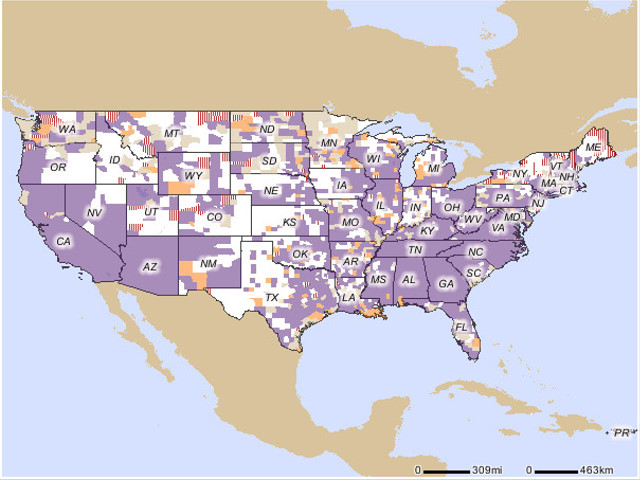
Image source: Web (Bing) / fity.club (Web image (fair-use with source credit))
FEMA flood insurance rate maps are the backbone of coastal risk assessment, but they’re widely misunderstood. When a property falls into a Special Flood Hazard Area, it’s labeled with a flood zone like AE or VE. The infamous “100-year flood” label doesn’t mean a flood happens once a century.
It means there’s a 1% chance of that level of flooding in any given year. Over the life of a 30-year mortgage, that 1% annual chance adds up to a roughly 26% probability of experiencing at least one such flood. Those aren’t lottery-odds.
They’re coin-flip territory.
The maps themselves are often outdated. Many were drawn using decades-old rainfall and storm surge data that doesn’t reflect today’s rising sea levels and intensifying hurricanes. A home that sat comfortably in a low-risk zone five years ago might now be reclassified into a high-risk area after a map update.
That triggers a mandatory flood insurance requirement if you have a federally backed mortgage. Even if your lender doesn’t require it, standard homeowners insurance never covers flooding. About 40% of NFIP claims come from outside high-risk zones.
That’s why checking the current FEMA flood maps is a non-negotiable step before buying. You’re not just buying the house. You’re buying the risk that comes with the dirt it sits on.
Elevation certificates and Base Flood Elevation (BFE) add another layer. If your lowest floor sits below the BFE, your flood insurance premium climbs. Some communities enforce freeboard requirements, forcing new construction to build a foot or two above the BFE.
That’s a smart move, but it adds cost. The emotional weight of this data is heavy. Many owners cling to the myth that “it won’t happen to me” while ignoring the fact that their street flooded during the last tropical storm.
Real safety starts with accepting the numbers. It also means having core emergency items ready, because sandbags and a plan only work if they’re in place before the rain starts.
The Emotional and Cultural Pull That Keeps Generations in Place
Logic often takes a backseat to love. People stay because the salt air smells like childhood. They stay because their parents are buried in the local cemetery and their kids attend the same school they did.
In tight-knit fishing villages and island communities, the shared history of rebuilding after storms creates a bond that’s hard to break. There’s a deep pride in being the family that didn’t evacuate, that rode out the storm, and that helped neighbors clear debris the next morning. That identity is powerful, but it can also normalize danger.
Evacuation fatigue is real. When you’ve loaded up the car for a storm that turned out to be a false alarm, the next warning feels less urgent. That complacency kills.
Yet for many, the alternative, leaving behind everything they know, feels like a death of its own. The decision to stay isn’t usually a financial calculation. It’s a declaration that this place, with all its risks, is who they are.
Cultural traditions, from shrimp festivals to beachfront church services, anchor people just as deeply as any mortgage. Smart preparation purchases, like a whole-house generator or storm shutters, become acts of loyalty to that life. But loyalty alone can’t hold back a storm surge.
Eventually, even the most rooted families have to weigh the memories against the mounting costs and the very real possibility that one day, the house they love won’t be there to come back to.
The Hidden Financial Drag: Rising Costs That Eat Away at Your Equity
The mortgage payment is just the beginning. Property taxes in coastal counties have surged as municipalities fund beach nourishment, stronger drainage, and emergency services. On top of that, you’re paying for flood insurance that climbs every year under Risk Rating 2.0, plus a separate windstorm policy that renews at the insurer’s discretion.
In some Florida coastal cities, the combined annual cost of wind and flood coverage has crossed $10,000. That’s money that doesn’t build equity. It simply buys the right to stay in place.
Those ongoing expenses silently erode your home’s true affordability. Even if your property value appreciates, a chunk of that gain gets siphoned off by rising insurance and tax bills. Owners who stretch their budget to buy the house often have no cushion when premiums jump.
The equity trap tightens when you realize you can’t sell because the next buyer will face the same brutal costs. You’re stuck in a cycle of paying more to stay and losing money if you leave. A practical step is to request an elevation certificate and shop private flood insurance.
That one move can sometimes cut your premium by half, freeing up cash for other essentials like a well-stocked emergency kit.
When Staying Becomes a Dangerous Gamble: Warning Signs You Can’t Ignore
There’s a point where resilience turns into recklessness. One major warning sign is a history of repeated flooding on the property. The NFIP has identified over 40,000 repetitive loss properties nationwide, some of which have flooded more than ten times.
If the home you’re considering is one of them, you’re stepping into a taxpayer-subsidized money pit. Another red flag is when your insurer sends a non-renewal notice because of claims history. That signals the company sees your property as a bad bet, and finding replacement coverage becomes a scramble.
When you can’t get a standard policy and have to rely on a state-run insurer of last resort, you’re on thin ice.
Physical signs matter too. If the neighborhood relies on a single evacuation bridge that floods during tropical storms, your escape route can vanish. Check whether the road to the hospital or emergency shelter is in a storm surge zone.
If you’re a renter, the danger is different but just as real. Landlords aren’t always required to disclose past flood damage in every state. Request a CLUE report or ask the seller directly for a loss history.
Ignoring these signals puts your family at risk and drains your savings. The smartest move is to prepare a robust hurricane kit and have a clear evacuation plan. That’s not paranoia.
It’s a basic survival strategy for the coast.
How to Build a Hurricane-Resilient Home (or Choose One)
Modern building codes aren’t perfect, but they’re a massive leap forward. Homes built to the current Florida Building Code or the Fortified Home™ standard from the Insurance Institute for Business & Home Safety can withstand much higher wind loads. Key features include a hip roof shape that deflects wind, hurricane straps tying the roof to the walls, and impact-rated windows or storm shutters.
If you’re buying an existing home, a wind mitigation inspection can earn you significant premium discounts. Inspectors look for things like a secondary water barrier under the roof deck and the type of roof-to-wall fastening.
For new construction, consider elevating the structure at least two feet above the Base Flood Elevation. That single design choice can dramatically lower your flood insurance bill. Reinforced garage doors are another weak point that can pressurize a home and blow the roof off during a storm.
A resilient home isn’t just about survival. It’s about maintaining livable conditions after the storm passes. Whole-house generators and solar panels with battery backup are becoming standard in high-risk areas.
They keep the refrigerator running, the sump pump working, and your family connected. Investing in these upgrades is like buying a long-term insurance policy with every storm season. While you’re upgrading the structure, don’t forget the smaller items that make a blackout bearable.
A thoughtful survival kit bridges the gap between a hardened home and a comfortable wait for power restoration.
The Decision Framework: Should You Stay or Move Inland?
There’s no universal right answer, but there’s a framework that cuts through the emotion. Start with a brutally honest financial audit. Pull your current insurance quotes, your property tax bill, and your expected maintenance costs for wind retrofits.
Compare that total monthly carrying cost to a comparable home 30 miles inland. In many Florida and Texas markets, you can find a newer, larger house for less than half the insurance premium. Then factor in the intangible costs of a long commute and losing your beach lifestyle.
Next, assess your personal risk tolerance. Do you have the physical ability to evacuate quickly? Can you work remotely if the port or tourism economy shuts down for a month?
Families with young children or elderly relatives often reach their limit faster.
The “stay” side of the ledger works if you own your home outright and can self-insure against deductible costs. It also works if your income is directly tied to the coast and can’t be replicated elsewhere. But if you’re stretching to make the mortgage work every month, a single major storm could wipe you out.
Some families adopt a hybrid approach. They keep a smaller coastal property for weekends and move their primary residence to higher ground. That preserves the connection while limiting exposure.
Whatever you choose, build a comprehensive emergency plan. The article on essential hurricane supplies outlines what to stockpile, so you’re ready whether you stay or flee.
What Real-World Data and Experts Tell Us
The science and the actuarial tables are converging on the same conclusion. Sea levels along the Gulf and Southeast coasts are rising at an accelerating rate, with NOAA tide gauge records showing up to a foot of rise in some locations over the last 30 years. That means storm surge travels farther inland and causes more “sunny-day” flooding even without a hurricane.
At the same time, the proportion of major hurricanes reaching Category 3 or higher has increased. That combination creates a compounding effect on risk. The National Association of Insurance Commissioners has flagged coastal property markets as areas of serious concern for solvency.
Yet the human element complicates the picture. Communities that invest in mitigation, like the CRS program, often see lower average premiums and faster recovery times. A study of post-Hurricane Michael communities found that homes built to the newer Florida Building Code suffered far less damage than older stock.
That data underscores a harsh truth. You can live in a hurricane zone, but you can’t do it passively. It requires constant maintenance, regular insurance check-ups, and a serious stash of emergency gear.
The families who fare best are the ones who treat hurricane prep as a non-negotiable part of homeownership, not an afterthought. If you’re serious about staying long-term, staying informed is your first line of defense.
Frequently Asked Questions
Is it cheaper to live inland than on the coast?
Yes, in most cases. Inland homes typically carry no windstorm policy and lower flood insurance costs, resulting in dramatically lower monthly carrying costs even if the mortgage is similar.
How do hurricane deductibles work?
They are usually a percentage of your dwelling coverage, commonly 2% to 5%. That means you pay that amount out of pocket before insurance covers wind damage.
Does homeowners insurance cover flood damage.
No. Standard homeowners policies exclude flood damage. You must buy a separate flood insurance policy, often through the NFIP or a private carrier.
What’s the safest state to live in if you want coastal access without hurricanes?
States along the mid-Atlantic, like the Carolinas, face some risk but generally see fewer direct hits than Florida or the Gulf Coast. However, no hurricane-free coastal state exists.
How do I check if a property is in a flood zone.
You can search the property address on FEMA’s Flood Map Service Center. Reviewing the flood insurance rate map shows the zone and base flood elevation.