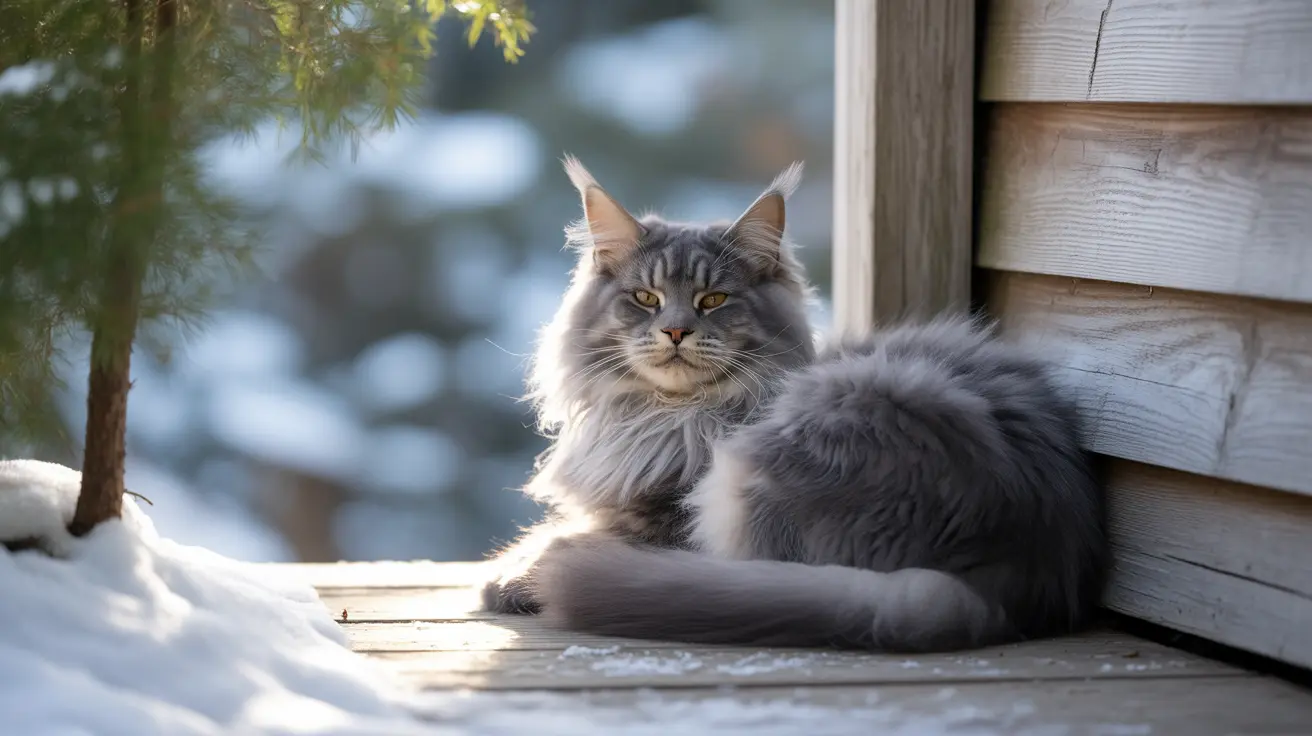
How Long Can a Cat Survive Cold Weather: Essential Survival Facts
When the temperature drops, you might find yourself wondering how your feline friend handles the cold. You love your cat and want to ensure it stays safe and warm.
But just how long can a cat survive in cold weather? The answer might surprise you, and it’s crucial for keeping your pet healthy. You’ll discover the fascinating facts about cats and cold weather, backed by science. You’ll learn what temperatures are too cold, signs that your cat might be struggling, and practical tips to help your furry companion thrive.
Stick around, because understanding these details could make all the difference for your cat’s well-being.
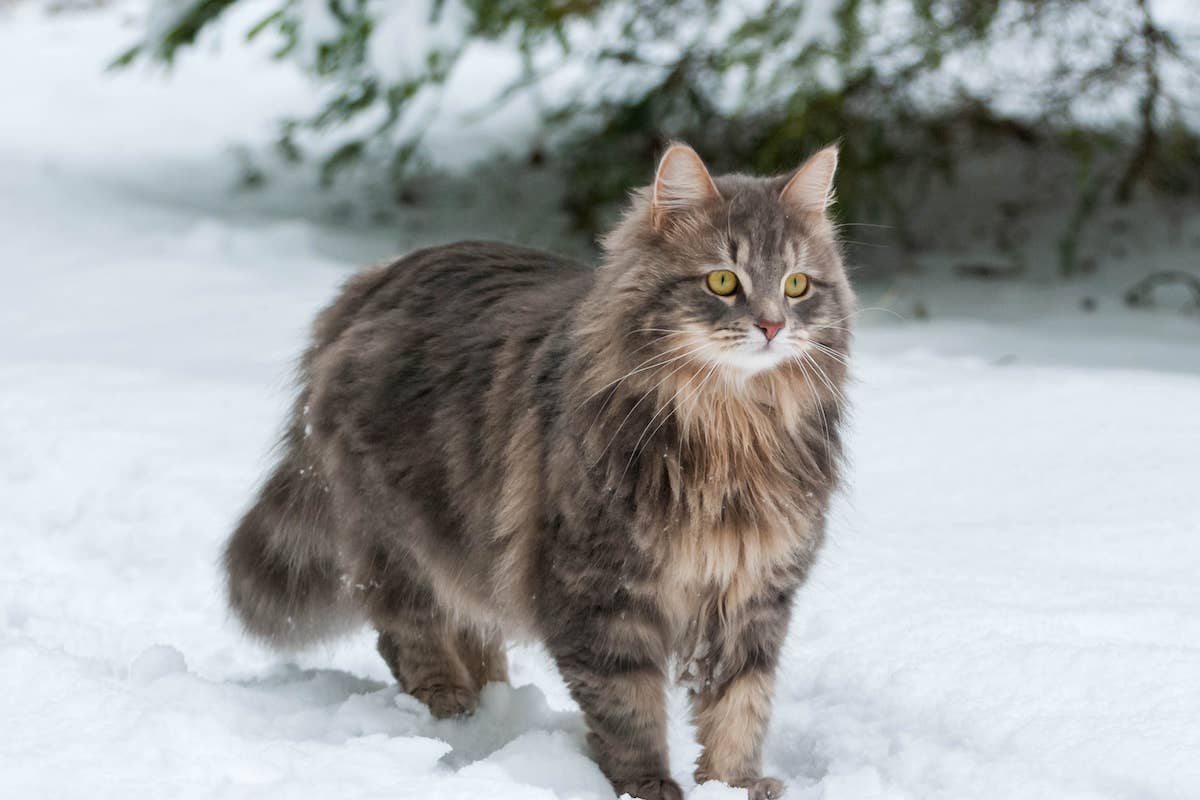
Credit: pethelpful.com
Cat’s Cold Tolerance
Cats have different levels of cold tolerance depending on many factors. Some cats handle cold better than others. Understanding these differences helps keep cats safe.
Cold weather can be dangerous for cats. Knowing how long a cat can survive cold helps owners prepare and protect them during winter.
Natural Adaptations
Cats have natural features to survive cold weather. Their fur coat thickens in winter to keep heat in. They also lower their activity to save energy.
- Thicker winter fur traps warmth
- Body fat increases for insulation
- Reduced blood flow to extremities limits heat loss
- Behavior changes to conserve energy
Breed Differences
| Breed | Cold Tolerance | Notes |
| Maine Coon | High | Thick, water-resistant fur |
| Siamese | Low | Thin coat, less insulation |
| Norwegian Forest | High | Dense double coat for harsh cold |
| Domestic Short Hair | Medium | Varies by individual |
Some breeds have thick coats that protect them well. Others need more shelter to stay warm in cold weather.
Age And Health Factors
Age and health affect a cat’s ability to handle cold. Young kittens and old cats have weaker defenses against cold. Sick cats also lose heat faster.
- Kittens need extra warmth and care
- Senior cats have less body fat and weaker immune systems
- Ill cats may feel colder and need indoor shelter
- Healthy adult cats tolerate cold better but still need protection

Credit: www.purina.com
Risks Of Cold Exposure
Cats exposed to cold weather face serious health dangers. Their bodies can lose heat fast. This loss can cause life-threatening problems.
Knowing the risks helps you protect your cat. Watch for warning signs and act quickly to keep them safe.
Hypothermia Symptoms
Hypothermia happens when a cat’s body temperature drops too low. Early signs include shivering and weakness. The cat may also move slowly or seem confused.
- Shivering and trembling
- Slow or weak pulse
- Low energy and lethargy
- Cold ears and paws
- Unsteady walking
Frostbite Effects
Frostbite happens when cold damages the skin and tissues. It usually affects the ears, tail, and paws. The skin may turn pale or blue. Swelling and pain can follow.
| Body Part | Signs of Frostbite |
| Ears | Cold, pale, or blue skin |
| Tails | Hard, cold, discolored areas |
| Paws | Swelling, redness, blisters |
Long-term Health Issues
Cold exposure can cause lasting harm. Some cats develop arthritis or joint pain. Breathing problems may also appear after severe cold stress.
Long-term effects include:
- Chronic joint pain
- Permanent nerve damage
- Weakened immune system
- Increased risk of infections
Survival Timeframes
Cats can survive cold weather for different times depending on the temperature. Their ability to stay warm is important for their survival.
Understanding how long a cat can last in cold helps owners protect them better. Let’s look at mild cold, severe cold, and how shelter and food affect survival.
Mild Cold Conditions
In mild cold, temperatures are just below freezing. Cats may stay outside for hours without serious harm if they stay dry.
- Cats can survive 12 to 24 hours in mild cold.
- Wet fur lowers survival time significantly.
- Younger and older cats have shorter survival spans.
- Access to some shelter helps extend survival.
Severe Cold Conditions
Severe cold means temperatures well below freezing. Without shelter, cats may only survive a few hours.
| Condition | Survival Timeframe | Notes |
|---|---|---|
| Dry and sheltered | Up to 24 hours | Better chances with dry fur and shelter |
| Wet and exposed | 1 to 3 hours | High risk of hypothermia |
| Very young or old cats | Less than 1 hour | Weaker resilience to cold |
Influence Of Shelter And Food
Shelter and food greatly improve a cat’s chance to survive cold weather. Shelter blocks wind and rain, keeping cats warmer.
- Dry and insulated shelter
- Regular access to food for energy
- Safe places away from predators
- Warm bedding or straw
Food helps cats keep their body heat by providing energy. Without food, cats tire faster and get colder.
Protecting Cats In Cold Weather
Cats can feel the cold just like people. Cold weather can be dangerous for them. It is important to keep cats warm and safe during winter.
Many cats live outdoors or in places that do not have enough heat. You can help by making warm shelters, feeding them well, and using clothing or accessories.
Creating Warm Shelters
Warm shelters protect cats from cold winds, rain, and snow. A dry, cozy place helps cats keep their body heat. You can make shelters with safe materials found at home.
- Use insulated boxes or plastic containers with small entrances.
- Line the shelter with straw or blankets for warmth.
- Place the shelter in a quiet, safe spot away from wind.
- Raise the shelter off the ground to avoid moisture.
- Check and clean shelters often to keep them dry.
Proper Nutrition
Cats need more calories in cold weather to keep warm. Feeding them the right food helps their body make heat and stay healthy. Give cats good quality food with enough fats and proteins.
| Food Type | Benefit |
| Wet Food | Keeps cats hydrated and provides energy |
| Dry Food | Good for teeth and provides calories |
| High-Protein Food | Supports body heat and muscle strength |
| Fat-Rich Food | Gives extra energy for warmth |
Clothing And Accessories
Some cats can wear clothing to keep warm outside. Use soft, well-fitting coats or sweaters that do not limit movement. Accessories like booties protect paws from ice and salt.
Tips for dressing cats in cold weather:
- Choose lightweight and breathable fabrics.
- Check the fit to avoid discomfort or stress.
- Remove clothing indoors to prevent overheating.
- Inspect paws for injuries after walks.
- Use reflective strips for visibility at night.
Emergency Measures
Cold weather can be very dangerous for cats. They can get sick or even die if left outside too long. It is important to know what to do in an emergency.
This guide helps you recognize signs of cold stress and gives first aid tips. You will also learn when to get help from a vet.
Recognizing Danger Signs
Watch your cat closely in cold weather. Early signs of trouble include shivering and weakness. Cats may also become very quiet or stop moving.
Look for pale or blue gums and cold ears. These signs show your cat might have hypothermia or frostbite. Acting fast can save your cat’s life.
- Shivering or trembling
- Weakness or slow movements
- Very cold ears and paws
- Pale or blue gums
- Unusual quietness or lethargy
First Aid Tips
Bring your cat inside immediately. Warm your cat gently using blankets or warm towels. Avoid hot water or direct heat to prevent burns.
If your cat is alert, offer warm water to drink. Keep your cat in a warm, dry place until it feels better or you get help. Monitor breathing and heart rate.
- Move cat to a warm area
- Wrap cat in blankets or towels
- Use warm (not hot) compresses
- Offer warm water if alert
- Watch breathing and heart rate
When To Seek Veterinary Help
Take your cat to the vet if it does not improve quickly. Call the vet if your cat has trouble breathing, is unconscious, or has frostbite.
Severe hypothermia needs professional care. The vet can provide fluids, warmth, and medicine to help your cat recover.
- Cat is unconscious or unresponsive
- Breathing is slow or difficult
- Severe shivering or no shivering
- Signs of frostbite on ears, paws, tail
- Cat does not warm up after first aid

Credit: bestfriends.org
Indoor Vs Outdoor Cats
Cold weather can be dangerous for cats. How long a cat can survive depends on where it lives. Indoor and outdoor cats face different risks in cold weather. Understanding these differences helps keep cats safe.
Many cat owners wonder if their pet should stay outside or come inside during cold months. This guide looks at the risks outdoor cats face, the benefits of indoor living, and how to move cats indoors safely.
Risks For Outdoor Cats
Outdoor cats face many dangers in cold weather. They can suffer from frostbite, hypothermia, and other health problems. Lack of shelter and food makes survival hard. Wild animals and cars also pose threats.
- Frostbite on ears, paws, and tail
- Hypothermia from long cold exposure
- Starvation due to scarce food
- Injuries from fights or accidents
- Increased risk of illness
Benefits Of Indoor Living
Indoor cats stay warm and safe from weather dangers. They have steady food and clean water. Indoor life also lowers risks of injuries and disease. Cats indoors live longer and healthier lives.
| Benefit | Details |
| Protection from cold | Heated homes keep cats warm year-round |
| Consistent food supply | Regular meals reduce hunger and stress |
| Health safety | Less exposure to parasites and diseases |
| Reduced injury risk | No fights or accidents outdoors |
Transitioning Cats Indoors
Bringing a cat inside can be tricky. Cats used to being outdoors may feel scared or stressed. Give them time to adjust and create a cozy space. Use toys and treats to encourage indoor play.
- Set up a quiet and warm room
- Provide food, water, and litter box
- Allow the cat to explore slowly
- Use toys to build comfort and trust
- Keep windows closed or secured
Frequently Asked Questions
How Long Can A Cat Survive In Cold Weather?
A cat can survive a few hours in cold weather, depending on temperature and shelter. Prolonged exposure below freezing can cause hypothermia or death. Providing warm shelter is essential for outdoor cats during winter.
What Signs Show A Cat Is Cold Or Hypothermic?
Shivering, lethargy, slow movement, and cold ears or paws indicate a cat is cold. Severe hypothermia can cause unconsciousness or difficulty breathing. Immediate warming and veterinary care are necessary if these signs appear.
Can Indoor Cats Handle Cold Weather Better?
Indoor cats are protected from cold weather and usually handle it well. However, sudden temperature drops indoors can still affect them. Ensure indoor cats have warm bedding and avoid drafts during winter.
How To Keep Outdoor Cats Safe In Winter?
Provide insulated shelters, warm bedding, and fresh water daily to outdoor cats. Check on them frequently and bring them indoors if temperatures drop dangerously. Proper care helps prevent cold-related illnesses.
Conclusion
Cats can survive cold weather for a short time only. Their bodies are not made for long, freezing exposure. Providing shelter and warmth helps keep them safe. Watch for signs of cold stress like shivering or lethargy. Outdoor cats need extra care during winter months.
Always offer food, water, and a warm place to rest. Protect your furry friend from harsh weather. Small actions make a big difference in their health. Keep cats warm and cozy to help them live longer. Cold weather can be dangerous, so stay alert.