What Is the Safest Place to Be During a Hurricane?
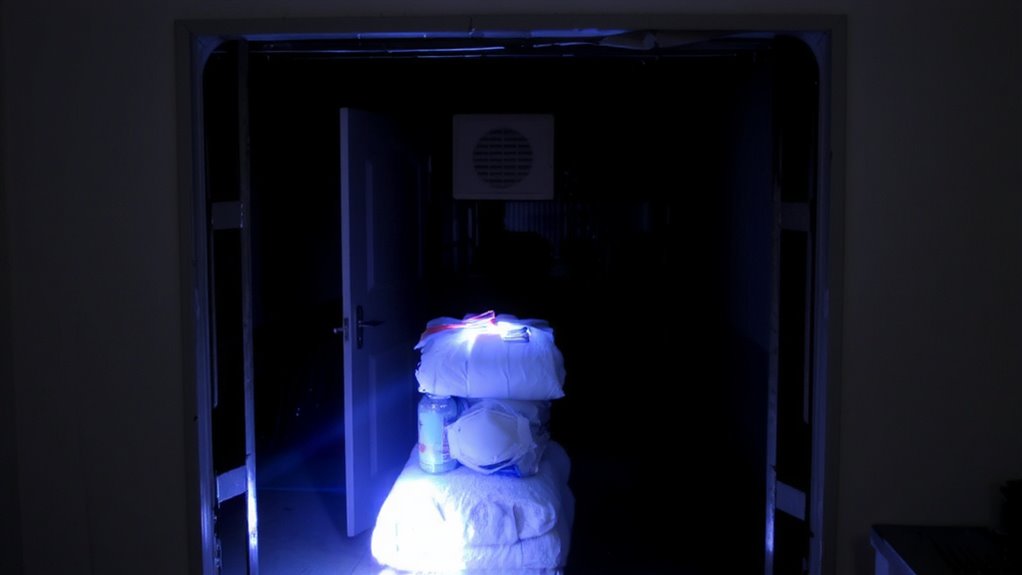
Image source: Web (Bing) / thesurvivalresource.com (Web image (fair-use with source credit))
Quick Answer
The safest place is a FEMA-compliant safe room built to ICC 500 standards. Use a windowless interior room on the lowest floor away from windows. Avoid mobile homes, garages, and flood-prone basements.
Never shelter in a room that faces storm surge or open water. Always know your evacuation zone before the storm hits.
The Fatal Mistake People Make About Hurricane Safety
Most people think the bathroom or hallway is the universal safe spot. That assumption gets people killed. The fatal mistake is picking a room without checking the structure you’re in and the water risk around it.
A windowless bathroom in a mobile home offers almost no protection. The thin walls and shallow foundations can fail at wind speeds far below a major hurricane’s peak. In a flood-prone house, a ground-floor interior room can become a drowning trap in minutes.
You need to match your shelter choice to the specific threats your location faces.
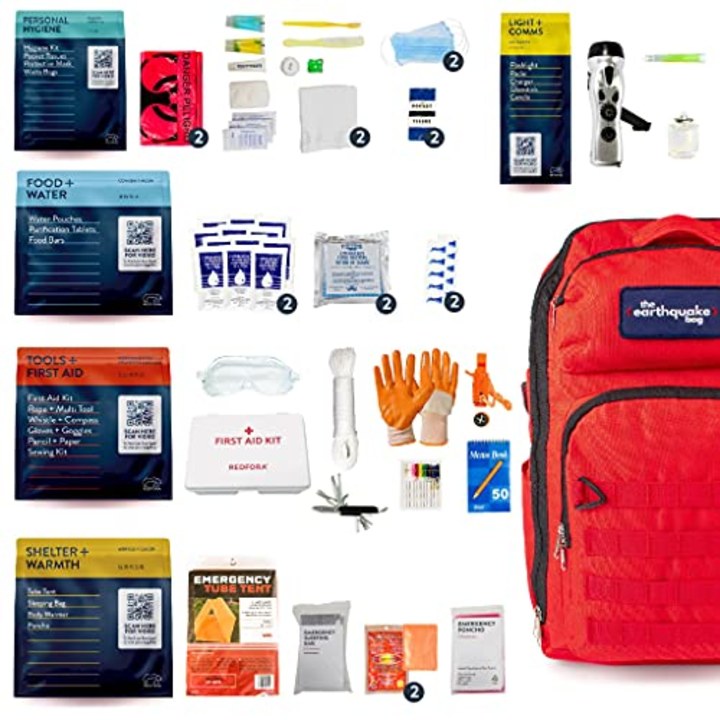
Gather your supplies in advance using a well-stocked kit. That way you’re not scrambling when the power goes out. The right gear in the wrong room still puts you in danger.
The Only 30-Second Rule You Need
Find the most interior, windowless room on the lowest floor that sits outside any flood zone. That’s your default safe spot if you don’t have a purpose-built safe room. The goal is to put as many walls as possible between you and the outside.
Walk through your home and look for a closet, a hallway, or a bathroom with no windows. Avoid rooms with skylights, exterior walls, or garage-sharing walls. The garage door is often the first structural failure point, and a failed garage door can pressurize the house and lift the roof.
FEMA’s safe room guidance reinforces this logic. A windowless interior room on the lowest floor is the baseline recommendation for site-built homes outside surge zones. Pair that with essential supplies and you’ve got a solid plan.
Why Your First Guess About the Safest Spot Is Probably Wrong
Your gut says the bathroom. That’s because decades of public messaging pushed the bathtub-and-mattress trick. That advice works only in certain houses and only when the water isn’t rising.
A bathroom on an exterior wall with a window is a death trap. A bathroom directly below a gable-end roof can become a wind tunnel if the roof peels off. A bathroom in a mobile home is still inside a mobile home.
The structure around you matters more than the room itself.
A hurricane-specific kit helps you stay put safely. But the kit is useless if you’re sheltering in a room that can’t handle the wind or the water. Always evaluate the building first, then the room.
The Three Questions That Actually Decide Where You Should Be
Your safest spot comes down to three questions. Answer them honestly and the right room becomes obvious.
Question 1: What Are You Standing Under?
A mobile home or manufactured home is not a safe shelter in a hurricane. Even tied-down units can be destroyed by tropical-storm-force winds. FEMA and the National Weather Service both urge mobile home residents to evacuate to a sturdier building or a designated shelter.
Site-built homes with hip roofs and hurricane straps fare much better. If you’re in a well-built single-family house outside a surge zone, an interior room on the lowest floor is a strong choice. Know your construction type before the storm arrives.
Packing a go-bag ahead of time makes last-minute evacuation less chaotic. You’ll have what you need if you have to leave in a hurry.
Question 2: Where Does the Water Go?
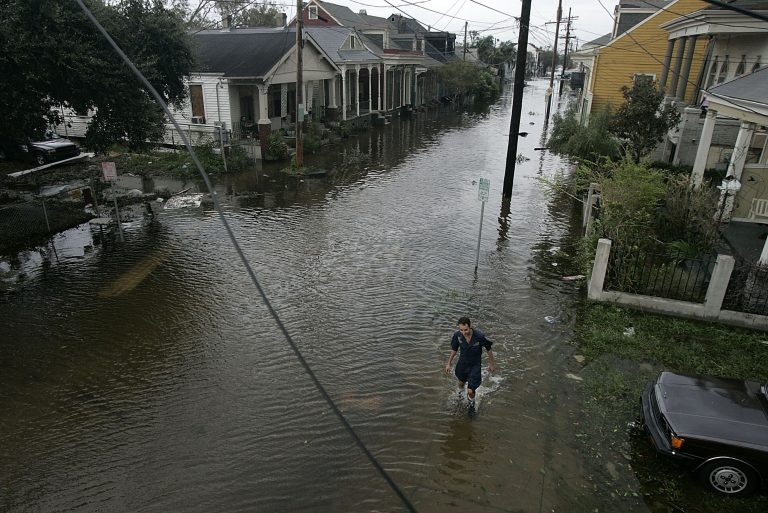
Storm surge is the deadliest part of a hurricane. If you live in a mandatory evacuation zone, staying home is rarely the right call. Water rises fast and cuts off escape routes.
NOAA’s storm surge maps show which areas flood first.
If you’re outside the surge zone but in a low-lying area, flash flooding can still trap you. In that case, the lowest floor isn’t always best. An upper-story interior room becomes safer if water is the main threat.
Vertical evacuation into an attic with a roof hatch is a last resort when no higher ground exists.
Buying the right gear for your situation means including life jackets and a waterproof light source. Water changes everything.
Question 3: How Fast Is the Wind Going to Hit You?
Wind speed determines how much structural punishment your house can take. A Category 1 storm at 74 mph can peel shingles and break weak windows. A Category 4 at 130 mph can remove entire roofs and collapse walls.
FEMA’s safe room criteria call for a room that can withstand 250-mph winds and a 15-pound 2×4 lumber missile striking at 100 mph. That’s the gold standard. If your home doesn’t have a room built to that level, a windowless interior room on the lowest floor is your best fallback.
In a major hurricane, even a good interior room can fail if the roof structure lifts. That’s why knowing your home’s wind resistance matters. A pre-packed kit with helmets and heavy blankets adds a layer of debris protection.
If You’re in a Mobile Home or Manufactured Home
Do not stay. This is the one situation where the safest place is somewhere else entirely. Mobile homes are vulnerable to wind damage at speeds far below hurricane force.
Even a strong gust can roll the structure or tear it apart.
Your best move is to evacuate to a designated hurricane shelter or a friend’s site-built home. Leave early before the roads flood or the wind picks up. If you can’t leave in time, identify the sturdiest building nearby and move there before conditions deteriorate.
If you’re caught with no options, lie flat in a ditch or a low spot and cover your head. That’s a desperate last resort. It’s far better to plan your evacuation route and a ready-to-grab kit well before the storm arrives.
If You're in a Site-Built House Outside a Storm Surge Zone
A site-built home outside the surge zone gives you the best chance of sheltering in place. But not all interior rooms are equal. You still have to choose carefully.
Why a Windowless Interior Room Still Has Rules
Pick a room with no windows, no skylights, and no direct connection to the garage. A closet in the center of the house is often the strongest spot. It’s surrounded by other rooms that act as a buffer against wind and debris.
Avoid rooms with cathedral ceilings or large open spans. The roof structure in those areas is more vulnerable to uplift. A small room with standard 8-foot ceilings handles wind loads better.
Keep a supply kit in that exact room. Don’t count on being able to grab supplies from another part of the house mid-storm.
The Floor Debate: Ground Level vs. Upper Story
Stay on the lowest floor unless flooding is a real threat. The ground floor keeps you away from the roof, which is the first thing to fail in extreme wind. Upper floors shake more and take stronger gusts.
If you live in a flood-prone area or a low-lying basin, move up instead. An interior room on the second floor can save you from flash flooding. Just make sure the roof is well-attached and you have a way out if it comes off.
Know your home’s flood risk before the storm. Check FEMA flood maps and local evacuation zone data. Your emergency kit should include supplies for both scenarios.
If You're in a Mandatory Storm Surge Evacuation Zone
Your house is in a zone that emergency managers expect to flood. That changes everything. Wind protection means nothing if the water rises through your floor.
Why Staying Is Usually Not an Option
Storm surge moves fast and destroys structures from the foundation up. Even a sturdy site-built home can collapse when water undermines its footing. The surge also brings deadly debris and hazardous materials.
Leaving when the evacuation order is issued is the safest move. Don’t wait for the rain to start. Roads flood early and escape routes close quickly.
If you can’t evacuate, move to the highest point you can reach. An attic with a roof hatch can be a last-resort option. But that’s a desperate move, not a plan.
FEMA’s evacuation guidance is clear: surge zones mean leave.
Vertical Evacuation: The Attic and Roof Hatch Exception
Vertical evacuation means going up instead of out. This works only if you can get to the roof safely once the water stops rising. You need a roof hatch or an axe to cut through the roof decking from inside.
This is a last resort for people who missed the evacuation window. The attic can trap you if the roof fails or the water rises above the ceiling line. Never shelter in an attic without a way onto the roof.
A well-stocked emergency kit includes tools for this scenario. Think axe, rope, and life jackets. Hope you never need them.
If You're in a High-Rise Apartment or Condo
High-rises behave differently than houses. The building code often works in your favor, but the wrong floor can put you at risk.
The Mid-Floor Interior Strategy
Stay away from the top floors and the ground level. The roof level takes the strongest wind and is vulnerable to uplift. The ground level is exposed to flooding and flying glass from the lobby.
Pick a mid-floor interior room, bathroom, or hallway. Mid-floors avoid the worst wind while staying above potential flood levels. Avoid units with floor-to-ceiling glass or balconies facing the water.
Know your building’s emergency plan. Some high-rises have designated shelter floors. Building management should communicate that before the storm.
When the Building Code Works in Your Favor
Modern high-rises in hurricane-prone areas are built to stringent standards. Impact-rated windows, reinforced concrete, and wind-resistant glazing make these buildings safer than older structures.
The Florida Building Code and similar standards require high-rises to withstand specific wind speeds based on location. That doesn’t mean every unit is a safe room, but the core structure is likely to hold.
Still, stay away from windows and exterior walls. Even impact-rated glass can fail under extreme debris strikes. An interior hallway with no windows is your best bet.
Pack a power outage kit with portable chargers and a battery-powered radio. You may lose power and elevator service for days.
What to Do When There's No Safe Room and You're Caught at Home
Sometimes you don’t have a FEMA safe room or a perfect interior closet. You still have options.
The Closet-Under-the-Stairs Move
A closet under a staircase is often one of the strongest spots in a house. The stair structure adds reinforcement, and it’s usually deep inside the floor plan. It’s a natural wind buffer.
Pick the smallest, most interior closet you can find. Fill it with blankets, mattresses, or heavy cushions to shield yourself from debris. Wear a helmet if you have one.
This works best in two-story homes with interior staircases. Avoid closets on exterior walls or directly under skylights.
The Bathtub-and-Mattress Last Resort
If you’re stuck with no interior room, a bathtub with a mattress pulled over it can provide some protection. The cast-iron or steel tub is anchored to the floor and walls. The mattress acts as a shield against falling debris.
This is a last resort, not a plan. It only works in a site-built home outside a flood zone. A bathtub in a mobile home or a flooded house is dangerous.
Stay in the tub until the wind stops completely. The eye of the storm can trick you into thinking it’s over. The back side of the hurricane hits just as hard.
The Pre-Storm Checklist to Fortify Your Chosen Safe Spot
Picking the right room is only half the job. You need to prepare it before the storm arrives.
Reinforce the Garage Door
The garage door is the weakest large opening in most homes. When wind pushes against it, the door can bow inward and fail. That failure lets air pressurize the house and lift the roof from inside.
Horizontal bracing systems reinforce the door against wind pressure. Retrofit kits exist for most standard garage doors. Install them before hurricane season, not the day before the storm.
A reinforced garage door protects the whole house. It also keeps the room connected to the garage from becoming a wind tunnel.

Image source: Web (Bing) / amazon.com (Web image (fair-use with source credit))
Lock Down the Interior Clear Path
Make sure the path from your sleeping area to your safe room is clear. You may need to get there in the dark with no power. Remove tripping hazards and keep doors unlocked.
Practice the route with everyone in the household. Children and elderly members need to know exactly where to go. Don’t assume they’ll remember under stress.
Keep flashlights and shoes in multiple locations. Broken glass is one of the biggest post-storm hazards.
Stage Your Supplies in the Exact Room
Don’t store your emergency kit in the garage or a distant closet. Put it directly in the safe room you’ve chosen. That way you don’t have to move through the house once the wind starts.
Include water, non-perishable food, first aid supplies, a battery-powered radio, and a whistle. Add helmets, heavy blankets, and a wrench for shutting off utilities if needed.
Check your kit every year before hurricane season. Replace expired food and update supplies as your household changes. A pre-packed go-bag makes evacuation faster if conditions change.
5 Dangerous Myths That Get People Killed During a Hurricane
Old advice dies hard. Some of it was never right to begin with.
Myth: The Bathroom Is Always Safest
Only true for interior bathrooms in site-built homes outside flood zones. A bathroom on an exterior wall with a window is a debris magnet. A bathroom in a mobile home is still in a mobile home.
A bathroom below a skylight is risky.
Always check the room’s location and construction first. The bathroom itself isn’t magic.
Myth: Opening Windows Equalizes Pressure
This myth has been debunked for decades. Opening windows lets wind and rain inside the house. That wind can pressurize the structure and help lift the roof.
Keep every window and door closed and latched. Let the building envelope do its job. Modern homes are designed to handle pressure differentials without venting.
Myth: A Basement Is a Hurricane Shelter
A basement is great for tornadoes. For hurricanes, it’s often a drowning trap. Storm surge, heavy rain, and rising groundwater can flood a basement in minutes.
People have drowned in basement shelters during hurricanes.
If you’re outside the flood zone and the basement has proper drainage, it can be a wind-safe spot. But in any flood-prone area, the basement is the worst place to be.
Myth: Tape on Windows Protects You
Taping a window does nothing to stop wind or debris. It only creates larger, more dangerous shards when the glass breaks. Tape gives a false sense of security.
Impact-rated windows or properly installed shutters are the only real protection. Skip the tape and invest in real defenses or move to an interior room.
Myth: You Can Drive Away in the Eye
The eye is a temporary lull, not the end of the storm. The back side of the hurricane can be just as violent or worse. Roads may already be blocked by debris or flooding.
Stay sheltered until official confirmation that the storm has passed. Venturing out during the eye puts you at risk when the wind returns without warning.
The Verdict: Your Decision Guide Based on Your Exact Situation
There is no single safest place. There is only the safest place for your structure, your location, and your flood risk. Use this quick guide:
- Mobile home in any wind zone: Evacuate to a sturdier building or designated shelter.
- Site-built home in a storm surge zone: Evacuate when ordered.
- Site-built home outside the surge zone with flooding risk: Upper-story interior room.
- Site-built home outside the surge zone with no flooding risk: Lowest-floor windowless interior room.
- High-rise condo: Mid-floor interior hallway or room, away from glass.
- No interior room available: Bathtub with mattress shield, only in a site-built home outside flood zones.
Build a FEMA-compliant safe room if you can. It’s the only option engineered to survive extreme winds and debris impact. For everyone else, matching your shelter choice to your actual risk is what keeps you alive.
Know your evacuation zone and your home’s construction type before the season starts. Have a kit ready and a plan your household has practiced. The storm will test both.
Frequently Asked Questions
Is a closet safe during a hurricane?
An interior closet on the lowest floor is one of the best fallback options. It’s surrounded by other rooms and typically has a small, strong frame. Avoid closets on exterior walls or under skylights.
Can I shelter in a bathtub during a hurricane?
Yes, but only in a site-built home outside a flood zone. The tub is anchored to the floor and walls. Pull a mattress over you for debris protection.
Don’t use this method in mobile homes or flood-prone areas.
Is it safe to stay in a condo during a hurricane?
Modern high-rises built to current codes can be safe if you stay away from windows and exterior walls. Pick a mid-floor interior room or hallway. Know your building’s evacuation plan and avoid the top floor and ground level.
What should I keep in my hurricane shelter kit?
Store water, non-perishable food, a battery-powered radio, flashlights, first aid supplies, a whistle, and a wrench for shutting off utilities. Add helmets, heavy blankets, and a portable phone charger. Check the kit each year before hurricane season.
Is a basement safe during a hurricane?
Usually not. Basements flood fast from storm surge, heavy rain, or rising groundwater. They work for tornadoes but are dangerous in hurricanes unless you’re outside the flood zone with proper drainage.
What is the safest type of house during a hurricane?
A site-built home with a hip roof, hurricane straps, and a FEMA-compliant safe room is the gold standard. If you don’t have a safe room, choose a windowless interior room on the lowest floor away from the garage.