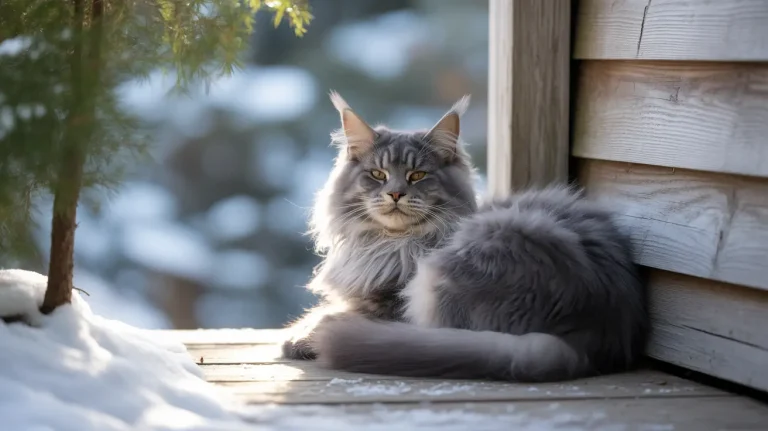
How Long Can a Cat Survive in Cold Weather: Essential Survival Facts
As the temperature drops, you might find yourself wondering how your feline friend copes with the cold. Cats, with their graceful agility and independent nature, often give the impression of being invincible.
But when winter sets in, you can’t help but worry about their safety. How long can a cat really survive in cold weather? It’s a question that might keep you up at night, especially if your furry companion enjoys exploring the great outdoors.
Understanding your cat’s limits in chilly conditions isn’t just about peace of mind; it’s about ensuring their health and well-being. You’ll discover essential insights into how cats handle the cold, what signs of distress to look out for, and practical tips to keep your pet warm and safe. Stay with us to learn how you can make a difference in your cat’s life during the frosty months. Your feline friend depends on you, and with the right knowledge, you can be their ultimate protector against the cold.
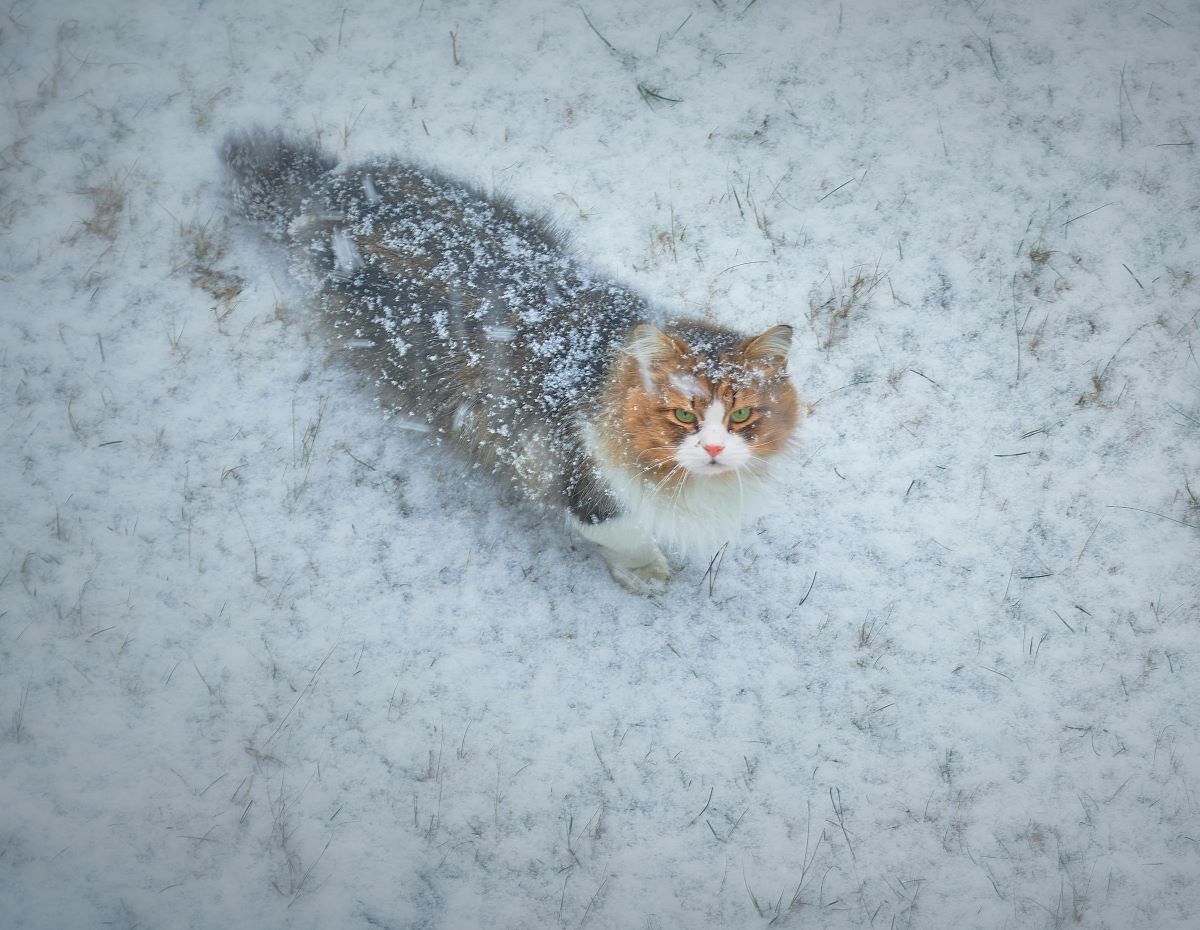
Credit: www.jackery.com
Cat Body Temperature And Cold
Cats have a warm body temperature that helps them stay active. Cold weather can affect their health and comfort.
It is important to know how cold impacts cats and how long they can survive in low temperatures.
Normal Temperature Range
A healthy cat’s body temperature usually stays between 100.5°F and 102.5°F. This helps keep their body working well.
If the temperature falls below this range, cats may start to feel cold and need warmth to stay safe.
- Normal range: 100.5°F to 102.5°F (38°C to 39.2°C)
- Below 99°F (37.2°C) is considered low and risky
- Above 103°F (39.4°C) may indicate fever
Effects Of Cold On Cats
Cold weather can cause cats to lose body heat quickly. This can lead to hypothermia, which is very dangerous.
Frostbite can also happen when cats stay in cold places too long. Their ears, tail, and paws are most at risk.
- Shivering shows a cat is too cold
- Slow movement and weakness may mean hypothermia
- Frostbite causes pale, cold skin on exposed parts
- Long exposure below freezing is life-threatening
Factors Affecting Cold Survival
Cats can face serious risks in cold weather. Their ability to survive depends on many factors. Understanding these helps keep cats safe.
Some cats handle cold better than others. This depends on age, health, fur type, and body size. Each factor plays a role in how long they can endure low temperatures.
Age And Health
Young kittens and older cats have weaker bodies. They cannot keep warm as well as healthy adult cats. Cats with illnesses or injuries also struggle more in cold weather.
- Kittens have less body fat and thin fur.
- Older cats often have slower metabolism.
- Sick cats may have trouble finding shelter or food.
Fur Type And Thickness
Fur acts like a natural blanket. Thick, dense fur keeps cats warm by trapping heat. Short or thin fur offers less protection against cold.
| Fur Type | Cold Protection | Example Cats |
|---|---|---|
| Long and Thick | High | Maine Coon, Norwegian Forest Cat |
| Short and Dense | Medium | British Shorthair, American Shorthair |
| Short and Thin | Low | Sphynx, Siamese |
Body Fat And Size
Body fat helps cats store energy and stay warm. Larger cats with more fat have better cold survival chances. Small or thin cats lose heat faster.
- Fat layer insulates against cold.
- Bigger size means less surface area to lose heat.
- Thin cats need extra shelter and warmth.
Signs Of Cold Stress In Cats
Cats can suffer from cold stress if they stay too long in chilly weather. Recognizing the signs early can help protect your cat from serious harm.
Watch for changes in behavior and physical symptoms. These signs show that your cat may be too cold and needs help.
Shivering And Lethargy
Shivering is one of the first signs your cat feels cold. It tries to create body heat by shaking its muscles. If the cold continues, your cat may become very tired and slow.
Lethargy means your cat is less active than usual. It may hide or sleep more to save energy. These signs mean your cat is struggling to stay warm.
Frostbite Symptoms
Frostbite happens when the skin and tissues freeze. It usually affects ears, paws, and tail tips. You may see these signs:
- Skin looks pale, white, or gray
- The area feels cold and hard
- Swelling or blisters may appear
- The skin may turn black as it dies
Hypothermia Warning Signs
| Symptom | Description |
| Low body temperature | Below 99°F (37.2°C), body feels cold to touch |
| Slow heartbeat | Heart beats weaker and slower than normal |
| Shallow breathing | Breaths become slow and shallow |
| Weakness | Cat may collapse or be unable to stand |
| Confusion | Cat seems disoriented or unresponsive |
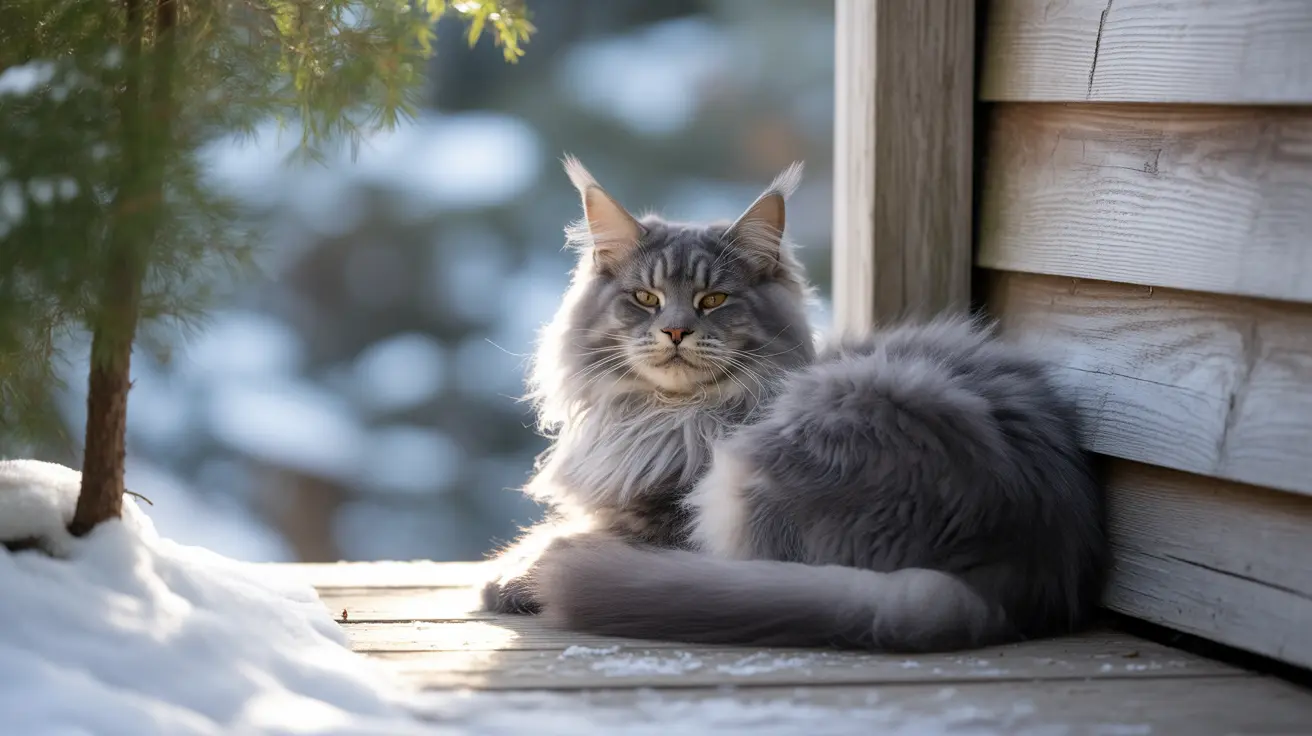
Credit: www.petscare.com
How Long Cats Can Last In Cold
Cats are usually good at handling cold weather for short times. Their fur helps keep them warm. But they can still get sick if they stay outside too long.
It is important to know how long cats can safely be in cold weather. This helps protect them from harm and keeps them healthy.
Short Exposure Risks
When cats are outside in the cold for a short time, they face some risks. These include frostbite and hypothermia. Frostbite happens when their ears, paws, or tail get very cold and damaged.
- Frostbite can cause pain and swelling
- Hypothermia lowers body temperature dangerously
- Shivering is an early sign of cold stress
- Wet fur makes cats colder faster
Extended Exposure Effects
Longer time in cold weather can cause serious health problems. Cats may lose body heat quickly. This leads to deep hypothermia and organ failure. They may become weak and unresponsive.
| Exposure Time | Possible Effects |
| Less than 30 minutes | Mild shivering, risk of frostbite |
| 30 minutes to 2 hours | Moderate hypothermia, lethargy |
| More than 2 hours | Severe hypothermia, organ failure |
Ways To Protect Cats From Cold
Cold weather can be dangerous for cats, especially those that live outdoors. They need extra care to stay warm and safe.
This guide explains simple ways to protect your cat from cold weather problems.
Providing Warm Shelter
Make sure your cat has a dry, warm place to stay. Outdoor cats need shelters that block wind and rain.
- Use insulated cat houses or boxes with straw bedding
- Keep shelters off the cold ground by placing them on pallets
- Cover entrances with flaps to keep out cold air
- Place the shelter in a sunny, quiet spot
Proper Nutrition And Hydration
Cold weather makes cats burn more energy. Feed them more food and keep water fresh.
| Food Type | Benefits in Cold Weather |
| High protein wet food | Helps maintain body heat and energy |
| Dry food | Good for teeth and easy to store |
| Fresh water | Prevents dehydration even in cold weather |
Clothing And Outdoor Safety
Some cats tolerate clothes like sweaters to keep warm. Be gentle and watch for signs of discomfort.
- Use cat-sized sweaters made of soft, warm material
- Limit outdoor time during very cold or icy weather
- Check paws for ice and salt after outdoor visits
- Provide supervised outdoor time to prevent getting lost or hurt

Credit: www.reddit.com
Emergency Steps For Cold Exposure
Cats can get very sick if they stay too long in cold weather. Their body temperature can drop fast. This can cause hypothermia, which is dangerous.
Knowing what to do quickly helps your cat survive cold exposure. Act calmly and follow simple steps to warm your cat and protect its health.
Warming Techniques
Start warming your cat slowly. Use blankets or towels to wrap them up. Avoid hot water or direct heat that can burn their skin.
Keep your cat in a warm, dry place. Use a heating pad set on low or a warm water bottle wrapped in cloth. Check the temperature often to avoid overheating.
- Wrap your cat in a warm blanket or towel
- Place your cat in a warm room away from drafts
- Use a heating pad on low or a warm water bottle wrapped in cloth
- Offer warm (not hot) water to drink if your cat is alert
- Do not use direct heat like a hairdryer or hot water
When To Seek Veterinary Help
Call your vet if your cat shows signs of serious cold exposure. These signs include weakness, shivering, pale gums, or slow breathing. Immediate care is needed to save your cat.
If your cat is unconscious or very cold, take it to the vet right away. Do not delay, as hypothermia can become life-threatening fast.
- Weakness or inability to move
- Severe shivering or no shivering
- Slow or shallow breathing
- Pale or blue gums
- Unconsciousness or unresponsiveness
Frequently Asked Questions
How Long Can A Cat Survive In Freezing Temperatures?
A cat can survive a few hours in freezing temperatures if sheltered. Without protection, frostbite and hypothermia risk increase quickly. Survival time depends on the cat’s health, fur thickness, and access to warmth.
What Signs Show A Cat Is Suffering From Cold?
Shivering, lethargy, and cold ears or paws indicate a cat is cold. Cats may also seek warmth excessively or have difficulty moving. Immediate warmth and shelter are essential to prevent serious health issues.
Can Indoor Cats Handle Cold Weather Outside?
Indoor cats are less adapted to cold weather and can suffer quickly outdoors. They lack thick winter coats and may not recognize cold dangers. Limit outdoor exposure and provide warm shelter if they must go outside.
How To Protect Cats From Harsh Winter Weather?
Provide insulated shelters, warm bedding, and dry areas for outdoor cats. Keep indoor cats inside during cold spells. Regularly check for signs of cold stress and ensure access to fresh water, as it can freeze outside.
Conclusion
Cats cannot stay long in cold weather without help. Their bodies lose heat fast in freezing temperatures. Shelter, warmth, and food are very important for their survival. Outdoor cats need safe places to hide and stay warm. Watch for signs of cold stress like shivering or slow movement.
Taking simple steps can save a cat’s life in winter. Remember, cold weather can be dangerous for cats. Keeping them warm and safe helps them live longer and healthier lives. Always care for your cat during cold days.