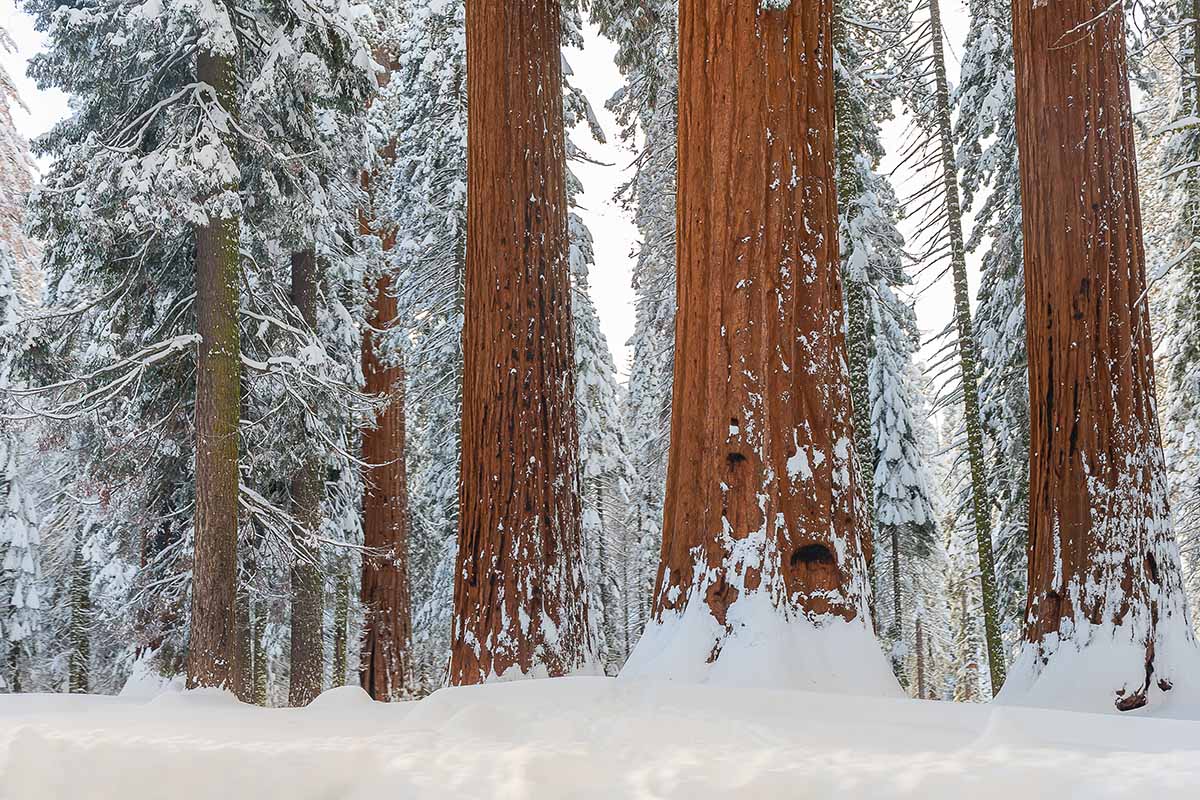
Can Redwood Trees Survive Cold Weather: Essential Survival Facts
Imagine standing in a forest, gazing up at towering redwood trees that have stood the test of time. These magnificent giants, known for their incredible height and age, seem invincible.
But what happens when the temperature drops and the chill of winter sets in? You might wonder, can these iconic trees withstand the cold? Understanding how redwoods cope with lower temperatures can reveal surprising insights into their resilience and adaptability.
Stay with us as we explore the fascinating relationship between redwoods and cold weather, and uncover the secrets that allow them to thrive even when the mercury dips.

Credit: gardenerspath.com
Redwood Tree Basics
Redwood trees are some of the tallest and oldest trees on Earth. They can live for thousands of years and grow to amazing heights.
These trees are known for their thick bark and strong wood. They also have unique needs to survive cold weather.
Types Of Redwood Trees
There are three main types of redwood trees. Each type has special features and grows in different places.
- Coast Redwood (Sequoia sempervirens) – Grows near the coast with mild weather.
- Giant Sequoia (Sequoiadendron giganteum) – Found in mountain areas with colder winters.
- dawn Redwood (Metasequoia glyptostroboides) – A rare type found in China that loses leaves in winter.
Natural Habitat
Redwood trees grow in specific habitats that suit their needs. The coast redwoods prefer moist and foggy areas.
| Type of Redwood | Location | Climate | Cold Weather Tolerance |
| Coast Redwood | California Coast | Mild, wet | Low |
| Giant Sequoia | Sierra Nevada Mountains | Cool, snowy winters | High |
| Dawn Redwood | Central China | Temperate, seasonal | Moderate |
Cold Weather Challenges
Redwood trees are known for their tall stature and thick bark. They face many challenges during cold weather. Understanding these challenges helps in caring for them better.
Cold weather can affect redwoods in different ways. Their survival depends on how well they handle low temperatures and frost.
Temperature Tolerance
Redwood trees can survive cold, but only to a point. They tolerate temperatures down to about 20 degrees Fahrenheit. Below that, damage can happen to their cells and tissues.
- Young redwoods are more sensitive to cold than mature trees.
- Prolonged freezing can harm roots and leaves.
- Redwoods from coastal areas handle cold better than those from warmer climates.
- Cold stress slows growth and weakens the tree.
Frost Impact
Frost can cause serious damage to redwood trees. It freezes water inside their cells, causing the cells to burst. This leads to browning and dieback of branches.
| Frost Condition | Effect on Redwood |
| Light Frost | Minor leaf damage, quick recovery |
| Moderate Frost | Brown tips on needles, slower growth |
| Severe Frost | Branch dieback, bark cracking |
Survival Mechanisms
Redwood trees can live in areas with cold weather. They have special ways to protect themselves from freezing temperatures. These survival mechanisms help them stay healthy.
Understanding these mechanisms shows how redwoods manage harsh cold and keep growing year after year.
Adaptations To Cold
Redwoods grow in places where winters can be cold but not too harsh. They adjust their growth to handle cold seasons. Their cells can resist freezing damage.
The trees slow down their growth during winter. This helps them save energy and avoid injury from ice forming inside their tissues.
- Needle-like leaves reduce water loss in cold weather
- Thick bark helps keep warmth inside
- Cells produce natural antifreeze chemicals
- Roots grow deep to find unfrozen soil water
Protective Features
Redwoods have thick, fire-resistant bark. This bark also protects them from cold winds and frost. It acts like a shield against cold damage.
The tree’s shape helps too. Tall, straight trunks and dense foliage reduce exposure to cold air. This lowers the risk of freezing and frostbite.
- Thick bark insulates from cold
- Dense foliage blocks wind and frost
- Tree shape limits cold air exposure
- Branches shed snow to avoid heavy weight

Credit: gardenerspath.com
Environmental Factors
Redwood trees are known for their size and strength. They grow mostly in mild climates. Cold weather can affect their survival.
Understanding the environment helps us know how redwoods cope with cold. Soil, moisture, wind, and snow play big roles.
Soil And Moisture
Redwoods need good soil to grow well. They prefer moist, well-drained soil. This helps roots stay healthy in cold weather.
Wet soil can freeze in cold weather, which harms roots. Good drainage stops water from standing around roots. This keeps the tree safe.
- Well-drained soil prevents root damage
- Moist soil keeps roots healthy in cold
- Too much water can freeze and hurt roots
Wind And Snow Effects
Strong winds can dry out redwood trees in cold weather. Dry trees get damaged more easily by cold temperatures.
Heavy snow can break branches. Redwoods have flexible branches but very heavy snow is a risk. Wind and snow together make cold weather hard for them.
- Wind causes drying and cold damage
- Snow weight can break branches
- Flexibility helps but heavy snow is risky
Cultivating Redwoods In Cold Areas
Redwood trees are known for their height and beauty. They usually grow in mild climates. Growing them in cold areas can be a challenge. With the right care, redwoods can survive colder weather.
This guide explains how to pick a good site and care for redwoods in cold climates. These tips help the trees stay healthy and strong.
Site Selection
Choose a planting site with good protection from wind. Cold winds can harm young redwoods. Look for spots near buildings or hills that block the wind.
- Pick a location with full sun or light shade.
- Ensure the soil drains well to avoid waterlogging.
- Avoid low spots where cold air collects.
- Plant near other trees for extra warmth and wind protection.
- Check soil pH; redwoods prefer slightly acidic soil.
Care Tips For Cold Climates
Redwoods need special care in cold weather. Protecting them from frost and ice is important. Mulching and watering help keep roots healthy.
| Care Action | Details |
| Mulching | Use 3-4 inches of mulch around the base to keep soil warm. |
| Watering | Water deeply before frost to protect roots from freezing. |
| Frost Protection | Cover young trees with frost cloth during cold nights. |
| Pruning | Remove dead branches in early spring to prevent damage. |
| Windbreaks | Install barriers to shield trees from harsh winds. |

Credit: gardenerspath.com
Signs Of Cold Stress
Redwood trees are strong, but cold weather can harm them. Cold stress shows in many ways.
Knowing the signs helps you protect these trees early. Watch the leaves, bark, and growth closely.
Leaf And Bark Changes
Cold stress often causes changes in the leaves and bark of redwood trees. Leaves may turn brown or yellow.
The bark can crack or look dry. These changes mean the tree is not handling the cold well.
- Leaf tips turn brown or black
- Leaves lose their green color
- Bark develops cracks or splits
- Bark looks dry or flaky
Growth Patterns
Cold stress can slow or stop redwood tree growth. New shoots may be smaller or missing.
The tree may also lose branches or grow unevenly. This shows the tree is struggling.
- Slow or no new growth in spring
- Smaller or fewer new shoots
- Uneven branch growth
- Dead branches on the tree
Long-term Survival Strategies
Redwood trees are known for their tall height and thick bark. They usually live in mild climates. Cold weather can be a big challenge for them.
To survive cold weather for a long time, redwoods use special strategies. These help them grow strong and live many years.
Climate Adaptation
Redwoods adapt to climate by changing how they grow. They can slow down growth during cold seasons to save energy.
They also have thick bark that protects them from freezing temperatures. This bark acts like a shield against the cold wind and ice.
- Slow growth in cold months to reduce damage
- Thick bark to insulate against freezing
- Deep roots to find warmer soil
- Ability to hold water to avoid frost damage
Genetic Variations
Some redwoods have genes that help them survive cold better than others. These differences help them live in colder areas.
Scientists study these genetic traits to understand which trees are best at handling cold. This helps in planting stronger redwoods in tough climates.
- Genes that improve cold resistance
- Variations in bark thickness
- Differences in leaf structure to reduce frost damage
- Ability to recover quickly after cold stress
Frequently Asked Questions
Can Redwood Trees Tolerate Freezing Temperatures?
Redwood trees can survive mild freezing temperatures but not prolonged extreme cold. They thrive in temperate climates with minimal frost, making harsh winters challenging for their growth and health.
How Do Redwoods Adapt To Cold Weather?
Redwoods have thick bark that insulates against cold and frost. Their needle-like leaves reduce water loss, helping them endure brief cold spells effectively.
Are Young Redwood Trees More Sensitive To Cold?
Yes, young redwoods are more vulnerable to cold damage. They lack the thick bark and root strength mature trees have, making frost protection essential for their survival.
What Regions Support Redwood Survival In Cold Climates?
Redwoods naturally grow in coastal California and Oregon, where winters are mild. Cold inland or northern areas with harsh winters are unsuitable for their long-term survival.
Conclusion
Redwood trees can survive cold weather with some limits. They grow best in mild, wet climates. Too much frost or snow can harm young trees. Mature redwoods handle cold better but still prefer warmer areas. Protecting them in harsh winters helps their growth.
Understanding their needs allows gardeners to care well. Redwood trees bring beauty and strength to many places. Their survival depends on climate and care combined. Growing them in colder zones needs extra attention and effort. Redwood trees show nature’s power to adapt and endure.