How Will Fpl Solar Panels Survive Hurricanes: Ultimate Durability Guide
Imagine this: a powerful hurricane is on the horizon, and you’re worried about your home and everything in it. But what about your solar panels?
If you rely on FPL solar panels, you might be wondering how they’ll hold up against nature’s most fierce storms. With climate change escalating and hurricanes becoming more frequent, it’s crucial to know if your investment is safe. You’ll discover how FPL solar panels are designed to withstand the wrath of hurricanes.
We’ll delve into the technology, the rigorous testing, and what makes these panels a reliable choice for hurricane-prone areas. By the end, you’ll not only feel confident about your solar panels but also reassured that your energy future is bright, even when the skies are stormy. Ready to find out more? Let’s dive in.
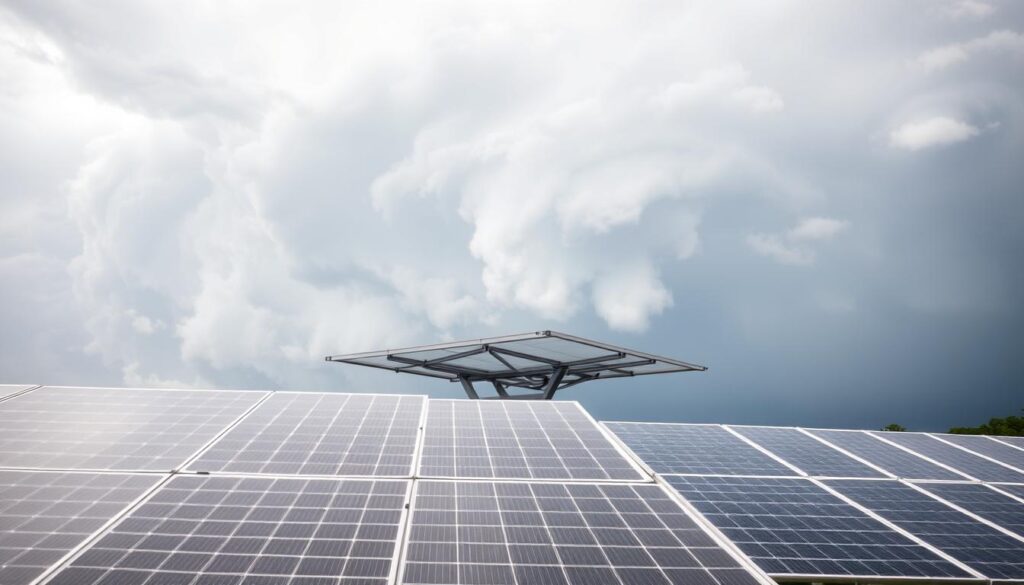
Credit: msmsolarllc.com
Fpl Solar Panels And Hurricane Risks
Florida Power & Light (FPL) solar panels face unique challenges from hurricanes. These storms bring strong winds, heavy rain, and flying debris. It is important to understand how these factors affect solar panels.
This article explains common hurricane threats and solar panel vulnerabilities. Knowing these risks helps prepare and protect solar energy systems.
Common Hurricane Threats
Hurricanes cause several dangers to solar panels. These include high winds, rain, and debris. Each threat can damage panels in different ways.
- High Winds: Winds can reach over 100 mph, lifting or breaking panels.
- Flying Debris: Objects like tree branches can hit and crack panels.
- Heavy Rain: Water can seep into panels if seals break.
- Flooding: Floods can damage panel wiring and electrical parts.
Solar Panel Vulnerabilities
Solar panels have weak points that hurricanes exploit. These include the frame, glass surface, and electrical connections.
| Vulnerability | Description | Potential Damage |
| Mounting System | Holds panels to roofs | Can loosen or break under strong wind |
| Glass Panel | Covers solar cells | May crack from debris impact |
| Wiring | Connects panels to the inverter | Water or physical damage can cause shorts |
| Seals and Joints | Prevent water entry | Failure leads to leaks and corrosion |
Design Features For Storm Resistance
FPL solar panels are built to handle strong storms like hurricanes. They use smart design features to stay safe. These features help protect the panels from heavy wind and rain.
Storm resistance is important for solar panels in hurricane zones. The right design keeps them working after the storm ends.
Durable Materials And Construction
FPL solar panels use strong materials that resist damage. The frames are made from tough metals like aluminum. These metals do not rust or break easily.
The panels also have strong glass to protect the cells inside. This glass can handle flying debris and heavy rain. The connections are sealed to stop water from getting in.
- Aluminum frames resist rust and breakage
- Tempered glass protects solar cells
- Waterproof seals prevent leaks
- Reinforced mounting hardware holds panels firmly
Aerodynamic Panel Shapes
The shape of FPL solar panels helps them fight strong winds. They have smooth, rounded edges that let wind flow over easily. This lowers the chance of panels lifting or breaking.
Panels are tilted at angles that reduce wind pressure. This design lets wind pass without causing damage. It also helps rainwater slide off quickly.
- Rounded edges reduce wind resistance
- Angled panels lower wind pressure
- Smooth surfaces help rainwater run off
- Secure mounting keeps panels in place
Installation Techniques For Stability
FPL solar panels must stay strong during hurricanes. Proper installation helps keep them safe and secure.
Strong winds and heavy rain can damage panels. Using good techniques improves their stability and lifespan.
Secure Mounting Systems
Mounting systems hold solar panels firmly on roofs or the ground. They need to resist strong hurricane winds.
Using heavy-duty materials like steel or aluminum helps prevent damage. Fasteners and brackets must be tight and strong.
- Use corrosion-resistant bolts and screws
- Install wind-resistant racking systems
- Check all connections for tightness
- Secure panels with extra clamps
Optimal Placement Strategies
Where panels are placed affects their hurricane resistance. Proper placement lowers wind pressure on the system.
Panels should avoid areas with high wind exposure. Placing them lower on the roof or behind barriers adds protection.
- Install panels on the leeward side of the roof
- Keep panels close to the roof surface
- Avoid placing panels near roof edges
- Use wind deflectors or shields if possible
Testing And Certification Standards
FPL solar panels must pass strict tests to survive hurricanes. These tests check their strength and safety. They follow national and international rules.
Testing makes sure the panels can handle strong winds and flying debris. Certification shows they meet safety and performance standards.
Impact Resistance Ratings
Solar panels get tested for impact resistance to survive flying objects during storms. This test uses steel balls dropped from heights.
The panels have different ratings, like Class 1 or Class 3, showing how strong they are against impacts.
- Class 1: Low impact resistance, basic protection
- Class 2: Medium resistance, withstands moderate impacts
- Class 3: High resistance, handles strong impacts like hail
Wind Load Certifications
Wind load tests check if solar panels stay fixed during high winds. They simulate hurricane-strength gusts on the panels.
Panels get certified to hold certain wind speeds, often over 140 miles per hour. This ensures safety in hurricane zones.
- Tests include applying pressure from strong winds
- Panels must not break or detach from the roof
- Certification confirms panels meet building codes
Maintenance To Enhance Durability
FPL solar panels need good care to stay strong during hurricanes. Proper maintenance helps avoid damage and keeps panels working well.
Regular checks and smart prevention tips make solar panels last longer, even in bad weather.
Regular Inspections
Check solar panels often to find problems early. Look for cracks, loose parts, or dirt on the surface.
Inspecting panels before and after storms helps fix small issues before they get worse.
- Look for broken glass or bent frames
- Check if mounting brackets are tight
- Clean off dirt, leaves, and debris
- Watch for water leaks near connections
Damage Prevention Tips
Protect solar panels by securing loose items near them. Strong winds can blow debris that may break panels.
Trim trees and clear areas around the panels to reduce risk from falling branches or flying objects.
- Use strong mounts designed for high winds
- Keep panels clean to avoid buildup
- Remove or secure loose items near panels
- Trim nearby trees regularly
- Check wiring for secure connections
Real-life Performance In Hurricanes
Solar panels face tough conditions during hurricanes. Strong winds and heavy rain test their strength. Many people wonder if FPL solar panels can survive such storms.
We will look at real cases and user stories. These examples show how FPL solar panels perform in hurricanes.
Case Studies
Some hurricanes have hit Florida where FPL solar panels are common. Reports show that most panels stayed in place and worked after the storms passed.
- Hurricane Irma in 2017 caused high winds over 130 mph.
- Many homes with FPL solar panels reported no damage.
- Panels were installed with strong mounts and wind-resistant materials.
- Power outages affected grids but solar panels helped some homes stay powered.
Repairs were minimal, mostly focused on inverter or wiring fixes. The panels themselves held up well.
User Experiences
Many users shared their stories after storms. They described how their solar panels survived and helped during power cuts.
| User | Hurricane | Panel Condition | Power Status |
| John D. | Irma | Intact | Partial power |
| Maria K. | Michael | Minor damage | Full power |
| Lisa M. | Ian | No damage | Full power |
Users noted the importance of proper installation. Panels fixed tightly to roofs with approved mounts survived best.
- Check mounting hardware regularly.
- Trim nearby trees to avoid falling branches.
- Ensure wiring is secure and waterproof.
- Have a backup battery system if possible.
Post-hurricane Recovery And Repairs
FPL solar panels may face damage after a hurricane. Proper recovery and repairs help restore their function.
Quick and careful actions reduce downtime and improve safety for the system and home.
Damage Assessment
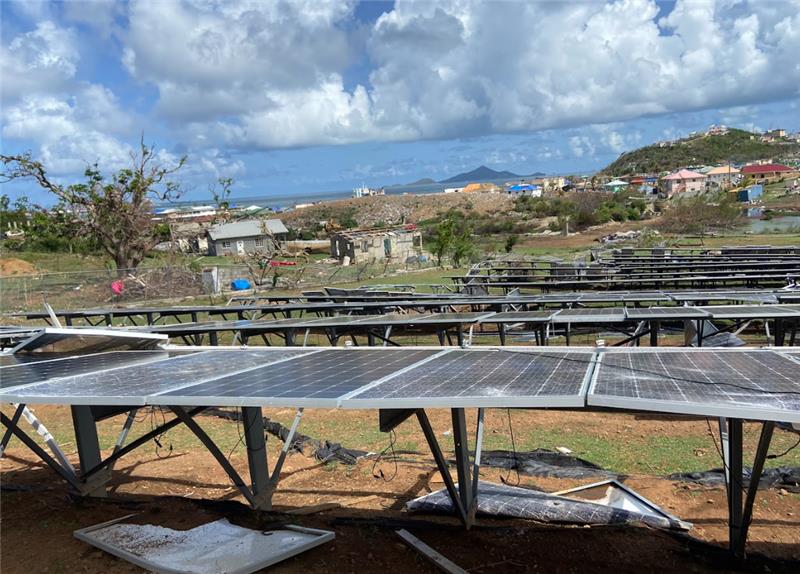
After a hurricane, inspect solar panels for cracks, loose parts, or debris. Check wiring and mounts too.
Look for water damage or corrosion on electrical parts. This step helps find all issues early.
- Visual check for broken glass or panels
- Inspect mounting brackets and supports
- Test electrical connections for safety
- Clear debris from panel surfaces
Repair And Replacement Options
Minor damage may need cleaning or tightening screws. Replace broken panels or parts if needed.
Always use certified technicians for repairs. This ensures the system works safely and lasts longer.
- Replace cracked or shattered solar panels
- Fix or replace damaged wiring and connectors
- Secure loose mounting hardware
- Clean panels to restore efficiency

Credit: islandsolarservices.com
Credit: www.pv-tech.org
Frequently Asked Questions
How Durable Are Fpl Solar Panels During Hurricanes?
Fpl solar panels are built with strong materials to resist high winds. They undergo rigorous testing to ensure they survive severe weather. Their secure mounting systems help prevent damage during hurricanes, ensuring continued power generation and system safety.
Can Fpl Solar Panels Withstand Heavy Rain And Flooding?
Yes, Fpl solar panels are designed to be water-resistant. They have sealed connections and durable frames that prevent water damage. Proper installation further protects the system against flooding, maintaining performance even in heavy rain conditions.
What Maintenance Is Needed After A Hurricane For Fpl Panels?
After a hurricane, inspect Fpl panels for visible damage or debris. Clean the surface gently to restore efficiency. Check mounting hardware for loosening and contact professionals for repairs if necessary to ensure optimal function.
Do Fpl Solar Panels Affect Home Insurance During Hurricanes?
Fpl solar panels may influence home insurance, sometimes lowering rates due to energy resilience. However, homeowners should verify coverage specifics. Proper documentation of panel installation and maintenance helps in smooth claim processes after hurricane damage.
Conclusion
FPL solar panels are built to handle strong winds and rain. Their sturdy design helps protect them during hurricanes. Panels are tested to meet strict safety rules. Proper installation also plays a big role in keeping them safe. Homeowners should follow maintenance tips to avoid damage.
Solar energy can still work after storms with the right care. Investing in durable panels brings peace of mind. This helps you stay powered even in bad weather. Solar power and safety can go hand in hand.