Can Cat Survive Cold Weather: Essential Tips to Keep Them Safe
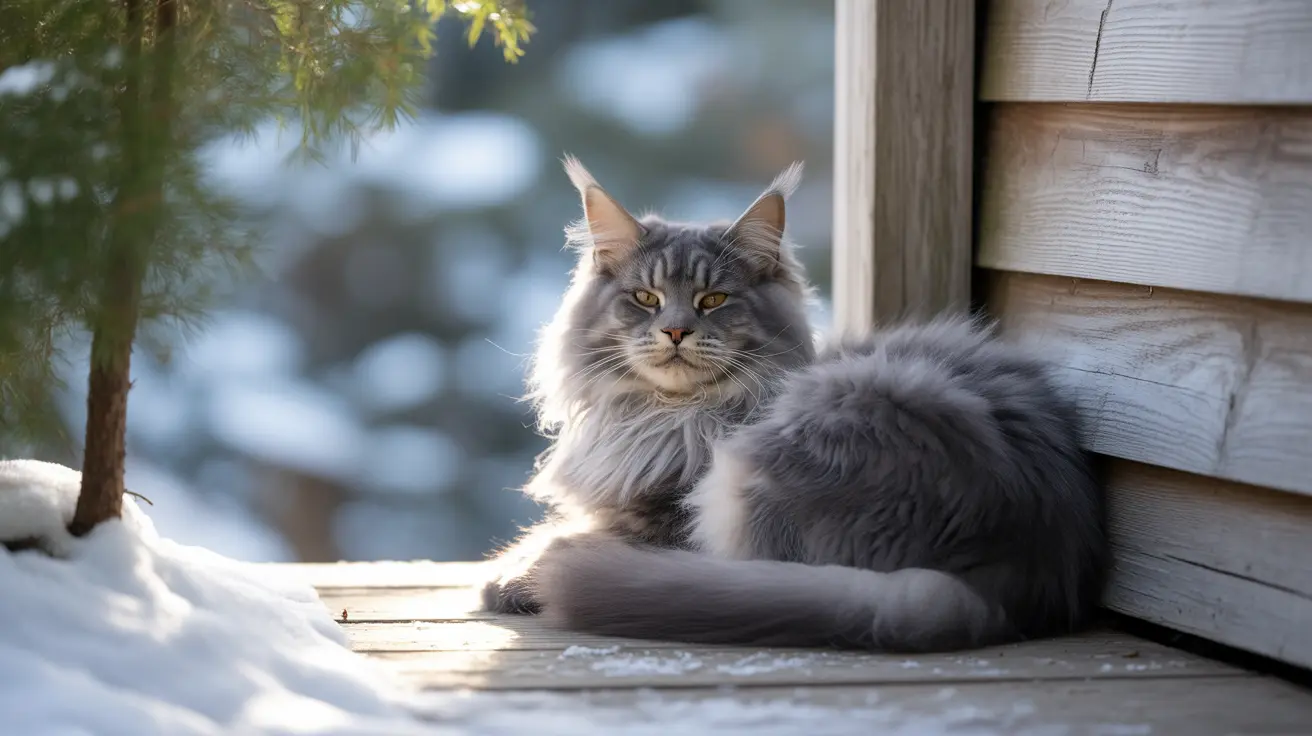
When the temperature drops and the chill sets in, it’s natural to wonder about the well-being of your furry friend. Can cats survive in cold weather?
You might be surprised by what you’ll discover about your feline companion’s resilience. But don’t be fooled—there’s more to it than just a cozy fur coat. Your cat’s safety during the colder months depends on several factors, and understanding them could make all the difference in keeping your pet healthy and happy.
Stay with us as we unravel the truths and myths about cats in cold weather, and uncover essential tips that could be vital for your pet’s comfort.
Credit: www.jackery.com
Cat’s Cold Weather Risks
Cats are sensitive to cold weather. They can suffer health problems if exposed to low temperatures too long.
It is important to know what risks cold weather poses to cats. This helps keep them safe and healthy.
Effects Of Low Temperatures
Low temperatures make it hard for cats to keep warm. They lose body heat faster than humans.
Cold can cause stiff muscles, slow movement, and weak immune systems in cats. This leads to illness.
- Shivering to create body heat
- Reduced blood flow to extremities
- Lowered energy and appetite
- Increased risk of frostbite
Common Cold-related Illnesses
Cold weather can cause or worsen some illnesses in cats. Respiratory infections are common in cold seasons.
Other issues include frostbite and weakened immune responses. These make cats more likely to get sick.
- Upper respiratory infections
- Frostbite on ears, paws, and tail
- Chronic arthritis flare-ups
- Increased risk of pneumonia
Signs Of Hypothermia In Cats
Hypothermia happens when a cat’s body temperature drops too low. It is a serious emergency.
Watch for these signs to help your cat quickly. Early care is important to prevent harm.
- Shivering or trembling
- Weakness or lethargy
- Slow, shallow breathing
- Cold ears and paws
- Stiff muscles or difficulty moving
- Unresponsiveness or unconsciousness

Credit: www.reddit.com
Preparing Your Home
Cold weather can be hard on cats. You need to make your home warm and safe. This helps your cat stay healthy and happy.
Preparing your home means giving your cat warm places to sleep. You should also use safe heating and stop drafts from coming in.
Warm Sleeping Areas
Cats need cozy, warm spots to rest during cold days. Choose quiet places away from cold floors and windows.
Use soft blankets or heated pet beds to keep your cat comfortable. Change bedding often to keep it clean and dry.
- Place beds in sunny spots if possible
- Use thick blankets or cushions
- Keep beds off cold floors
Safe Heating Options
Heating helps keep your cat warm but must be safe. Use devices made for pets or keep heaters where cats cannot touch them.
Avoid open flames or electric heaters without safety guards. Always check cords and plugs to prevent accidents.
- Use pet-safe heated pads or beds
- Keep space heaters out of reach
- Turn off heaters when not home
Avoiding Drafts
Drafts make rooms colder and can make your cat sick. Find and block cold air from doors and windows.
Use weather stripping or heavy curtains to stop drafts. Close doors to unused rooms to keep warmth in main areas.
- Seal gaps around doors and windows
- Use draft stoppers at door bottoms
- Keep windows closed on cold days
Outdoor Safety Measures
Cold weather can be hard for cats, especially those that spend time outside. It is important to keep them safe during cold days. Taking proper safety steps helps protect cats from cold-related problems.
By following simple outdoor safety measures, you can help your cat stay warm and healthy. These steps include limiting their time outside, using protective clothing, and watching the weather closely.
Limiting Time Outside
Cats should not stay outside for too long in cold weather. Shorter outdoor time lowers the chance of frostbite and hypothermia. Watch your cat’s behavior and bring them inside if they seem cold.
Try to keep outdoor visits brief and supervised. Let your cat enjoy fresh air but avoid long exposure to freezing temperatures.
Protective Clothing For Cats
Some cats may benefit from wearing protective clothing in cold weather. Sweaters or jackets made for pets help keep their bodies warm. Make sure the clothing fits well and does not restrict movement.
Not all cats like wearing clothes, so introduce it slowly. Always check for signs of discomfort or stress. Protective clothing adds a layer of warmth during chilly days.
- Choose soft, warm fabrics
- Ensure proper fit for comfort
- Check for signs of irritation
- Remove clothes indoors
Monitoring Weather Conditions
Keep an eye on the weather forecast before letting your cat go outside. Cold winds and low temperatures increase risks for outdoor cats. Avoid letting cats out during severe cold or storms.
Use weather apps or news to track changes in weather. Adjust your cat’s outdoor time based on current conditions to keep them safe.
Nutrition And Hydration
Cold weather can be tough on cats. Their bodies need more energy to stay warm. Good nutrition and hydration help cats survive colder months.
Providing the right food and fresh water supports their health. It also keeps their immune system strong against cold weather illnesses.
Adjusting Diet For Cold Weather
In cold weather, cats burn more calories to keep warm. Feeding them more energy-rich food helps meet this need. Choose foods higher in protein and fat to fuel their bodies.
Wet food can be good for hydration but dry food offers more calories per bite. A mix of both can work well. Also, smaller, more frequent meals can keep energy levels steady throughout the day.
- Increase protein and fat content in meals
- Feed smaller portions more often
- Mix wet and dry food for balance
- Avoid sudden diet changes to prevent upset stomach
Ensuring Fresh Water Access
Cats need fresh water all day, especially in cold weather. Dry indoor air can cause dehydration. Make sure water bowls are clean and refill them often.
Some cats prefer running water. A cat water fountain can encourage them to drink more. Keep water bowls away from food to keep water fresh and clean.
- Change water at least twice daily
- Use shallow, wide bowls for easy drinking
- Consider a cat water fountain
- Place water bowls in quiet, accessible areas
Supplements For Immune Support
Cold weather can weaken a cat’s immune system. Supplements can help keep it strong. Omega-3 fatty acids and vitamins boost health and fight illness.
Always talk to a vet before adding supplements. They can suggest safe options and correct doses. Avoid giving human vitamins as they can harm cats.
- Omega-3 fatty acids for coat and immunity
- Vitamin C and E to support immune function
- Probiotics to improve digestion and health
- Consult your vet before use
Emergency Preparedness
Cold weather can be dangerous for cats. They need protection to stay safe and healthy. Knowing how to act in cold weather helps save your cat’s life.
Prepare for cold weather by learning to spot signs of cold stress and knowing first aid steps. This guide shows you when to call a vet for help.
Recognizing Cold Stress Symptoms
Cold stress affects cats quickly. Watch for these signs to act fast:
- Shivering or trembling
- Slow movements or weakness
- Cold ears, paws, or tail tips
- Whining or meowing more than usual
- Hiding or trying to burrow for warmth
- Slow breathing or low heart rate
First Aid For Cold Exposure
Help your cat warm up carefully. Follow these steps:
- Bring the cat indoors or to a warm place.
- Wrap the cat in dry blankets or towels.
- Use a warm water bottle wrapped in cloth near the cat’s body.
- Offer warm (not hot) fluids if the cat is awake.
- Keep the cat calm and still.
- Do not apply direct heat or rub the cat’s skin.
When To Contact A Vet
Seek veterinary help if your cat shows any of these signs:
| Symptom | Reason to Contact Vet |
| Unconscious or unresponsive | Needs urgent medical care |
| Severe shivering lasting over 30 minutes | Possible hypothermia |
| Blue or pale gums | Low oxygen or blood flow |
| Difficulty breathing | Respiratory distress |
| Frostbite on ears, tail, or paws | Skin damage and infection risk |
| Refusal to eat or drink | Risk of dehydration and weakness |

Credit: www.reddit.com
Special Considerations
Cats can face challenges in cold weather. Some need extra care to stay safe and warm.
Knowing which cats need more attention helps protect their health during cold days.
Senior And Sick Cats
Older cats and those with illnesses have weaker immune systems. Cold can make their conditions worse.
They get cold faster and may not move much to keep warm. Watch them closely for signs of distress.
- Provide warm, draft-free resting spots
- Check their health regularly
- Keep them indoors as much as possible
Kittens In Cold Weather
Kittens have trouble controlling their body temperature. Cold weather can be dangerous for them.
They need warm bedding and limited exposure to cold air. Extra feeding helps keep their energy up.
- Use soft blankets or heated pads
- Keep kittens inside as much as possible
- Feed more often to boost energy
Outdoor And Stray Cats
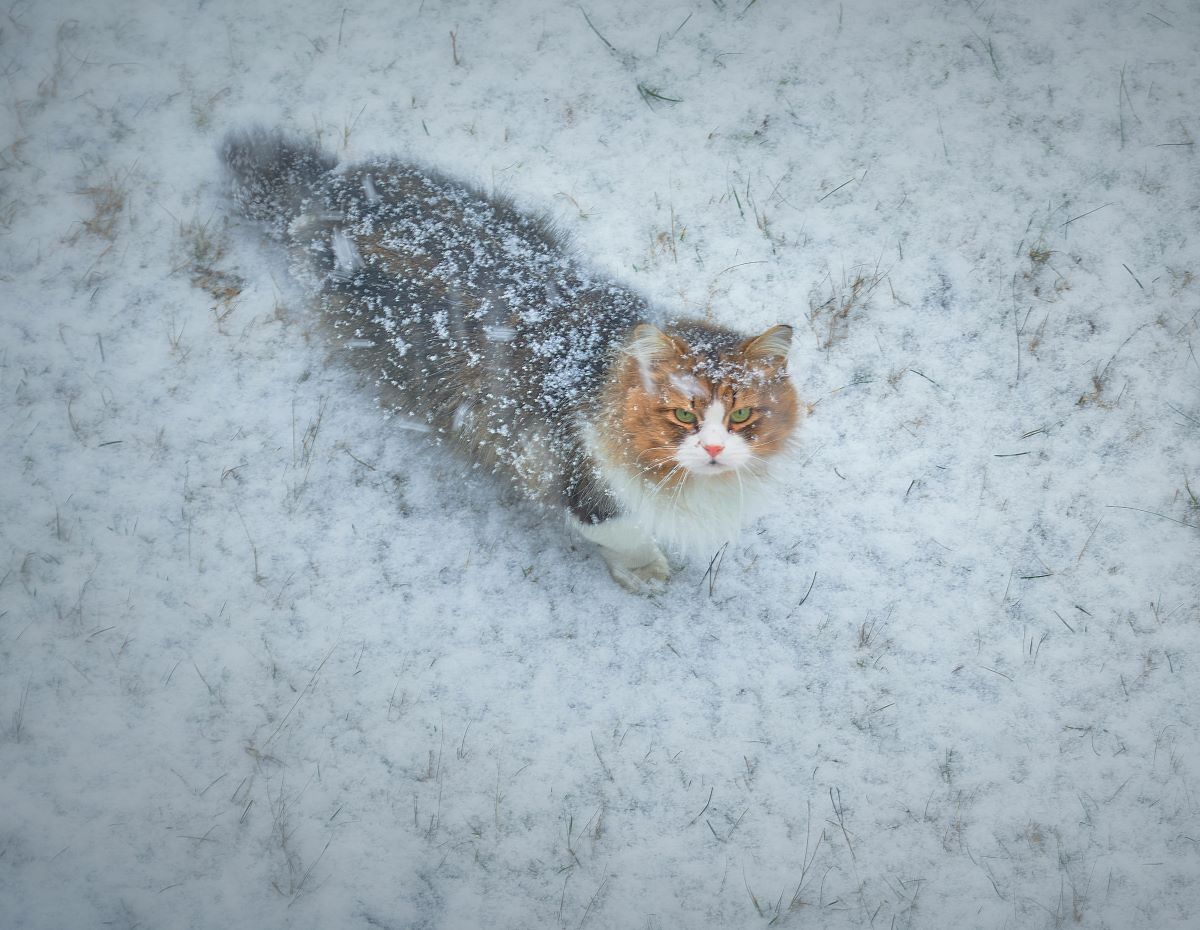
Cats living outside or on the streets face harsh cold and need shelter. They can suffer from frostbite or hypothermia.
Providing safe, dry shelters helps them survive. Food and water must be kept from freezing.
- Offer insulated shelters with soft bedding
- Check and refill food and water daily
- Avoid disturbing them too much to reduce stress
Frequently Asked Questions
Can Cats Survive In Cold Weather Outdoors?
Cats can survive cold weather briefly but risk hypothermia and frostbite. Outdoor cats need shelter, warmth, and food to stay safe.
How Do Cats Stay Warm In Winter?
Cats use thick fur, curling up, and seeking warm spots to conserve heat. Providing blankets and heated beds helps indoor cats.
Is Cold Weather Harmful To Indoor Cats?
Indoor cats are safe in cold weather if homes stay warm. Avoid sudden temperature drops and provide cozy resting places.
When Should I Worry About My Cat In Cold Weather?
Watch for shivering, lethargy, or frostbite signs. If your cat shows these, bring it indoors and consult a vet immediately.
Conclusion
Cats can survive cold weather, but they need care and shelter. They feel cold just like people do. Providing warm bedding and keeping them indoors helps a lot. Watch for signs of cold stress or illness. Outdoor cats may struggle more in harsh weather.
Regular check-ups with a vet keep cats healthy year-round. Protect your cat from extreme cold to keep them safe. Small steps make a big difference in their comfort. Cold weather doesn’t have to be dangerous for your cat.