Which Caribbean Islands Survived Hurricane: Untold Stories Revealed
Have you ever wondered which Caribbean islands manage to withstand the fury of hurricanes? When planning your dream vacation or considering a safe investment, understanding the resilience of these tropical paradises can be crucial.
Picture yourself basking in the sun, worry-free, on an island known for its strong defenses against nature’s fiercest storms. This knowledge not only ensures a safer experience but also brings peace of mind. Imagine the confidence and assurance you gain when you know your chosen destination has a track record of surviving hurricanes with minimal damage.
Discover which islands have emerged resilient, offering you a slice of paradise that stands strong, no matter what the weather brings. Keep reading to uncover the secrets of these islands and make informed decisions for your next Caribbean adventure.

Credit: www.yahoo.com
Caribbean Hurricane History
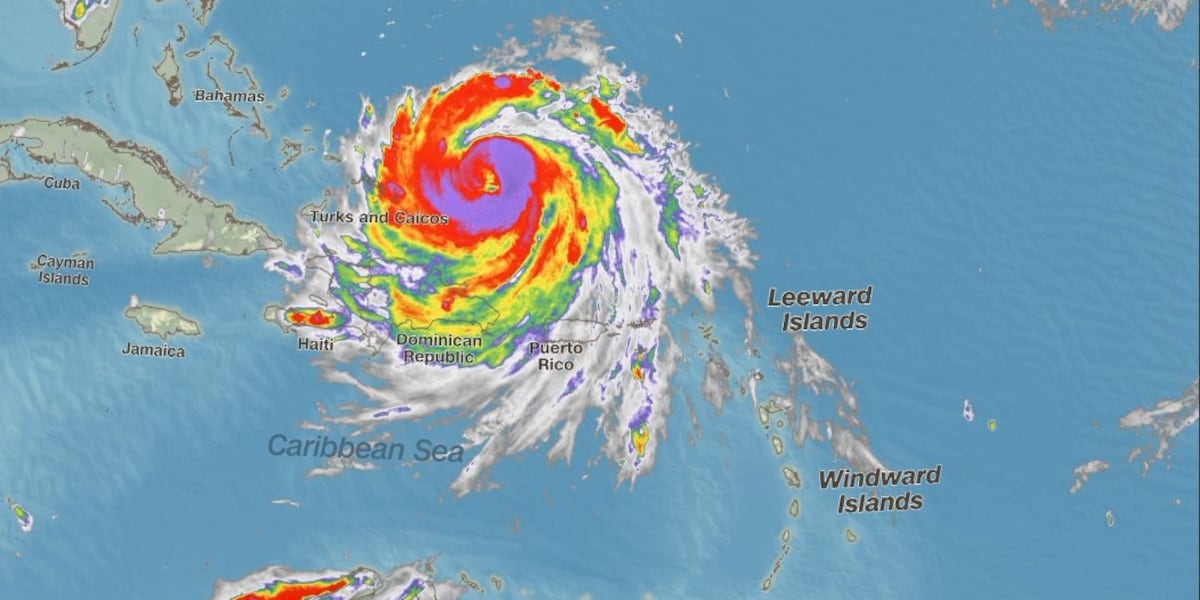
The Caribbean islands often face hurricanes each year. These storms bring strong winds and heavy rain. Some islands have survived many hurricanes over time.
Understanding the history of hurricanes helps us learn how the islands cope. It also shows patterns in hurricane activity in the region.
Major Hurricanes In The Region
The Caribbean has seen many powerful hurricanes in history. Some caused huge damage, while others were less severe. Islands like Puerto Rico, Cuba, and the Bahamas have been hit the hardest.
- Hurricane Gilbert (1988) was very strong and hit Jamaica hard.
- Hurricane Ivan (2004) caused heavy damage in Grenada and the Cayman Islands.
- Hurricane Maria (2017) severely affected Puerto Rico and Dominica.
- Hurricane Dorian (2019) was deadly for the Bahamas.
Patterns And Frequency
Hurricanes usually form from June to November. The most active months are August and September. The Caribbean faces storms almost every year.
Some islands survive more hurricanes due to their location. Islands in the eastern Caribbean see more storms. Western islands face fewer but stronger hurricanes.
- The eastern Caribbean has more frequent, less powerful storms.
- The western Caribbean gets stronger but less frequent hurricanes.
- Storm paths often change, making predictions difficult.
- Climate change may increase the strength of future hurricanes.
Islands That Withstood The Storms
Hurricanes hit the Caribbean often. Some islands survive better than others. Their strength comes from many reasons.
We will look at what helps islands stay safe. Then, we will see which islands showed great strength.
Key Factors For Survival
Many things help islands survive hurricanes. Good planning and strong buildings keep people safe. Nature also plays a big role.
- Strong building codes protect homes and businesses.
- Coastal mangroves and reefs reduce storm damage.
- Early warning systems give people time to prepare.
- Good community support helps recovery after storms.
- Elevated terrain avoids flooding in heavy rains.
Examples Of Resilient Islands
Some Caribbean islands show great strength during hurricanes. They use smart plans and nature’s help to survive storms.
| Island | Key Strength | Recent Hurricane Impact |
| Puerto Rico | Strong buildings and quick aid | Managed major damage in last storms |
| Barbados | Coral reefs and mangroves protect coast | Minimal flooding and erosion |
| Dominica | Mountain terrain and reforestation | Reduced landslides and flooding |
| Bahamas | Early warnings and evacuation plans | Saved many lives during recent hurricanes |
Community Resilience Stories
Many Caribbean islands face hurricanes every year. Some islands have shown strong resilience to these storms.
This article shares stories of how communities prepared and recovered. These stories show hope and strength.
Local Preparedness Efforts
Communities worked together to prepare for hurricanes. They built safer homes and improved early warning systems.
- Education programs taught families how to stay safe
- Local groups cleared drainage to prevent flooding
- Emergency supplies were stored in public centers
- Communication networks were tested before storms
- Volunteers helped check on elderly neighbors
Innovative Recovery Strategies
After hurricanes, islands used new ways to recover quickly. They focused on rebuilding and helping everyone.
| Island | Recovery Strategy | Result |
| Barbados | Community rebuilding projects | Homes rebuilt faster |
| Saint Lucia | Use of solar power for relief centers | Electricity during power cuts |
| Dominica | Training locals in disaster response | Better help for affected people |
| Jamaica | Mobile health clinics | Improved medical care access |

Credit: www.mercycorps.org
Impact On Economy And Infrastructure
The Caribbean islands face many challenges after hurricanes. These storms damage homes, roads, and businesses. The economy often slows down because of the destruction.
Understanding how hurricanes affect the islands helps in planning better recovery and protection. We look at the damage and how islands rebuild and adapt.
Damage Assessment
Hurricanes cause damage to many parts of the islands. Buildings, roads, and airports often suffer. The damage hurts tourism and trade, which are key parts of the economy.
- Homes and businesses lose roofs or walls.
- Power and water supplies get cut off.
- Ports and airports close, stopping goods and people.
- Farms get flooded or destroyed, reducing food supply.
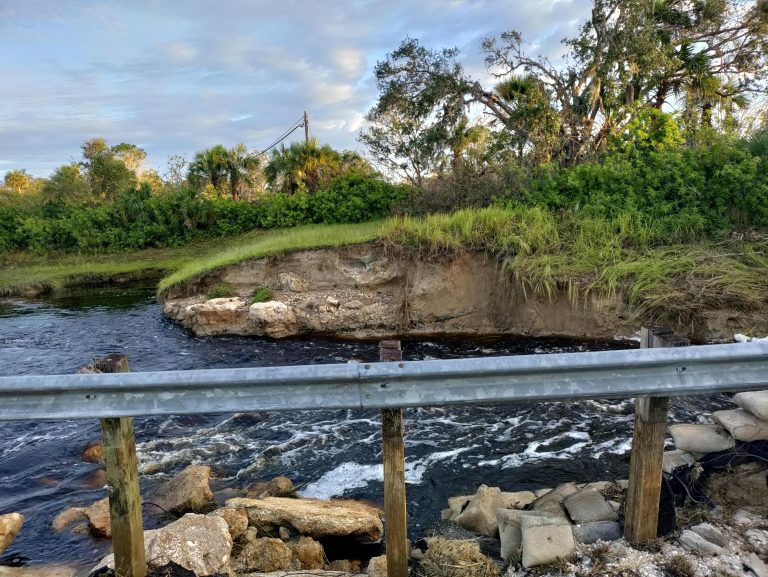
- Roads and bridges wash away, isolating communities.
Rebuilding And Adaptation
After a hurricane, islands start to rebuild. They fix homes and repair roads. Many also change building rules to resist future storms better.
| Island | Rebuilding Focus | Adaptation Measures |
| Barbados | Housing and Tourism | Stronger building codes |
| Dominican Republic | Roads and Ports | Improved drainage systems |
| Puerto Rico | Electricity and Water | Underground power lines |
| Jamaica | Agriculture and Infrastructure | Flood barriers and shelters |
Role Of Government And Aid
Caribbean islands face strong hurricanes every year. Some islands survive better than others. The role of government and aid is key to survival and recovery.
Governments prepare emergency plans. Aid groups help with resources and money. Together, they reduce damage and save lives.
Emergency Response Measures
Governments act quickly when hurricanes hit. They warn people early and open shelters. They also send rescue teams to help affected areas.
Emergency services restore power and water fast. They clear roads and rebuild houses. This helps communities get back to normal quickly.
- Early warning systems to alert residents
- Evacuation plans and safe shelters
- Rescue and medical teams on standby
- Rapid repair of roads and utilities
- Distribution of food, water, and supplies
International Support Contributions
Many islands receive help from other countries and groups. This aid includes money, food, and medical supplies. It also provides workers to help rebuild.
International support helps islands recover faster. Aid groups work with local governments to reach the hardest-hit places.
- Financial aid to fund recovery projects
- Food and clean water supplies
- Medical teams and equipment
- Technical help for rebuilding homes and schools
- Training for better disaster response

Credit: ca.news.yahoo.com
Lessons From Untold Stories
The Caribbean Islands face hurricanes every year. Some islands survive better than others. Their stories teach us valuable lessons.
These lessons come from the strength of the people and their plans for the future. We can learn from them to stay safe.
Cultural Strength And Unity
Communities in the Caribbean often come together to face storms. Their culture helps them stay strong and united.
- Sharing resources with neighbors
- Passing down knowledge about storms
- Using local traditions to support each other
- Organizing group efforts for rebuilding
Future Hurricane Preparedness
Preparing for hurricanes can save lives and property. Some islands use clear plans to get ready before the storm arrives.
| Preparedness Step | Description |
| Early Warning Systems | Alerting residents ahead of time |
| Evacuation Plans | Clear routes and shelters for safety |
| Building Codes | Stronger homes to resist storms |
| Community Training | Teaching emergency skills to locals |
Frequently Asked Questions
Which Caribbean Islands Survived Recent Hurricanes Best?
Several islands like Barbados, Aruba, and the Cayman Islands sustained minimal damage. Their strong infrastructure and early warnings helped reduce impact significantly.
How Did Caribbean Islands Prepare For Hurricanes?
Islands improved building codes, established emergency plans, and increased public awareness. These measures helped communities better withstand hurricane force winds and flooding.
What Factors Helped Islands Survive Hurricane Impacts?
Robust infrastructure, natural barriers like coral reefs, and efficient evacuation plans played key roles in reducing damage and saving lives.
Are Some Caribbean Islands More Hurricane-resistant?
Yes, islands farther south or with stronger building regulations often face less hurricane damage. Geography and preparedness determine their resilience.
Conclusion
Some Caribbean islands showed strong resilience during recent hurricanes. Their preparation and natural features helped reduce damage. Communities came together quickly to rebuild and recover. These islands remind us of nature’s power and human strength. Staying informed and ready is key for everyone living in hurricane zones.
Each island’s story teaches valuable lessons about survival and hope. Remember, safety and unity make a difference after storms.