Can Flea Eggs Survive Cold Weather? Shocking Truth Revealed!
Imagine this: You’re bundled up, sipping a hot drink, and enjoying the cozy warmth of your home while winter rages outside. As the temperature drops, you might think you’re safe from the relentless itch of flea infestations.
But are you really? Can flea eggs survive cold weather, potentially threatening the peace of your winter sanctuary? Understanding the resilience of flea eggs is crucial. It can mean the difference between a pest-free home and an unwanted surprise infestation.
We’ll reveal the surprising truth about how flea eggs withstand harsh conditions. You’ll discover insights that could help protect your home and pets from these tiny intruders. Stay with us to learn how to safeguard your space, ensuring a warm, comfortable, and flea-free winter.
Credit: harlingenveterinaryclinic.com
Flea Life Cycle Basics
Fleas go through several stages from egg to adult. Each stage has unique needs. Understanding these stages helps control flea problems.
The flea life cycle includes eggs, larvae, pupae, and adults. Each stage takes time and certain conditions to develop properly.
Stages From Egg To Adult
Flea eggs hatch into larvae, then pupae, and finally adult fleas. The full cycle can take a few weeks to several months.
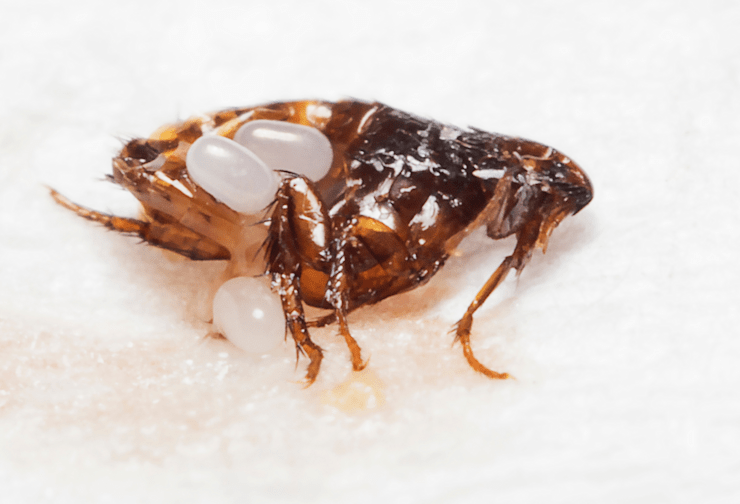
- Eggs:Tiny and white, laid on host animals but fall into the environment.
- Larvae:Small, worm-like, and avoid light, feeding on organic debris.
- Pupae:In a cocoon, this stage protects them while they mature.
- Adults:Ready to jump on a host and feed on blood.
Conditions Needed For Development
| Stage | Temperature Range | Humidity Level | Time to Develop |
| Egg | 70°F – 85°F (21°C – 29°C) | 50% – 75% | 2 – 12 days |
| Larvae | 70°F – 85°F (21°C – 29°C) | 50% – 75% | 5 – 11 days |
| Pupae | 65°F – 85°F (18°C – 29°C) | 50% – 75% | 1 week to several months |
| Adult | Above 50°F (10°C) | Moderate | Up to 100 days |
Impact Of Cold On Flea Eggs
Flea eggs are tiny and fragile. Cold weather can affect their survival outside.
Understanding how cold impacts flea eggs helps control their spread during winter.
Temperature Thresholds For Survival
Flea eggs can survive in mild cold but not extreme cold. Most eggs die below certain temperatures.
Temperature limits vary but usually eggs stop developing below 46°F (8°C).
- Above 46°F (8°C): Eggs can survive and hatch
- Between 32°F and 46°F (0-8°C): Survival drops sharply
- Below 32°F (0°C): Most eggs die quickly
How Freezing Affects Egg Viability
Freezing temperatures cause ice crystals to form inside flea eggs. This damages their cells.
Once frozen, eggs lose the ability to hatch. This stops flea populations from growing.
- Ice crystals break egg membranes
- Eggs cannot develop after freezing
- Repeated freeze-thaw cycles increase egg death
Flea Eggs In Different Climates
Flea eggs can survive in many climates, but their success depends on temperature and humidity. Cold weather affects flea eggs differently than mild winters.
Understanding how flea eggs react to climate helps control flea problems better. Let’s look at how they survive in cold regions and mild winters.
Cold Regions Vs. Mild Winters
In cold regions, freezing temperatures often kill flea eggs outside. Eggs need warmth and moisture to develop. Mild winters allow eggs to survive longer.
| Climate Type | Egg Survival Rate | Key Factors |
| Cold Regions | Low | Freezing temps, dry air |
| Mild Winters | Moderate to High | Warmer temps, higher humidity |
Microclimates That Protect Eggs
Microclimates are small areas with different conditions than the surroundings. These spots can protect flea eggs from cold weather.
- Under leaf litter or mulch
- Inside animal bedding or nests
- In cracks of walls or floors
- Near warm water sources
These microclimates keep eggs warm and moist. This helps flea eggs survive even when the outside temperature is very low.
Credit: www.itchpet.com
Flea Egg Resistance Mechanisms
Flea eggs can survive in many conditions, including cold weather. Their survival depends on special features that protect them. These features help flea eggs stay safe until the weather improves.
Understanding how flea eggs resist cold helps us control flea problems better. Flea eggs have physical and behavioral ways to survive low temperatures.
Protective Egg Coatings
Flea eggs have a tough outer shell called a chorion. This shell protects the egg from cold and drying out. It acts like a shield against harsh weather.
The coating is made of layers that slow down heat loss. It also keeps moisture inside the egg. This helps the flea egg stay alive in cold places.
- The outer shell is hard and waterproof
- It prevents freezing by keeping moisture stable
- The coating blocks harmful chemicals and dirt
Behavioral Adaptations
Fleas lay their eggs in protected places. They choose warm spots like animal fur or cracks in floors. These spots stay warmer than outside air.
Eggs can also enter a resting state called diapause. This means they pause development until conditions are better. This helps eggs survive cold seasons safely.
- Eggs are laid in warm, hidden areas
- They avoid direct exposure to cold air
- Eggs can pause growth during winter
Preventing Flea Infestations Year-round
Fleas can be a problem all year. Even cold weather does not stop flea eggs from surviving. It is important to keep your home and pets safe from fleas every season.
Understanding how fleas survive helps you stop infestations. This guide shows ways to protect your family and pets all year long.
Effective Treatments In Winter
Cold weather slows fleas but does not kill all eggs. Flea eggs can stay hidden in warm places like carpets and pet bedding. Use treatments that work even in winter.
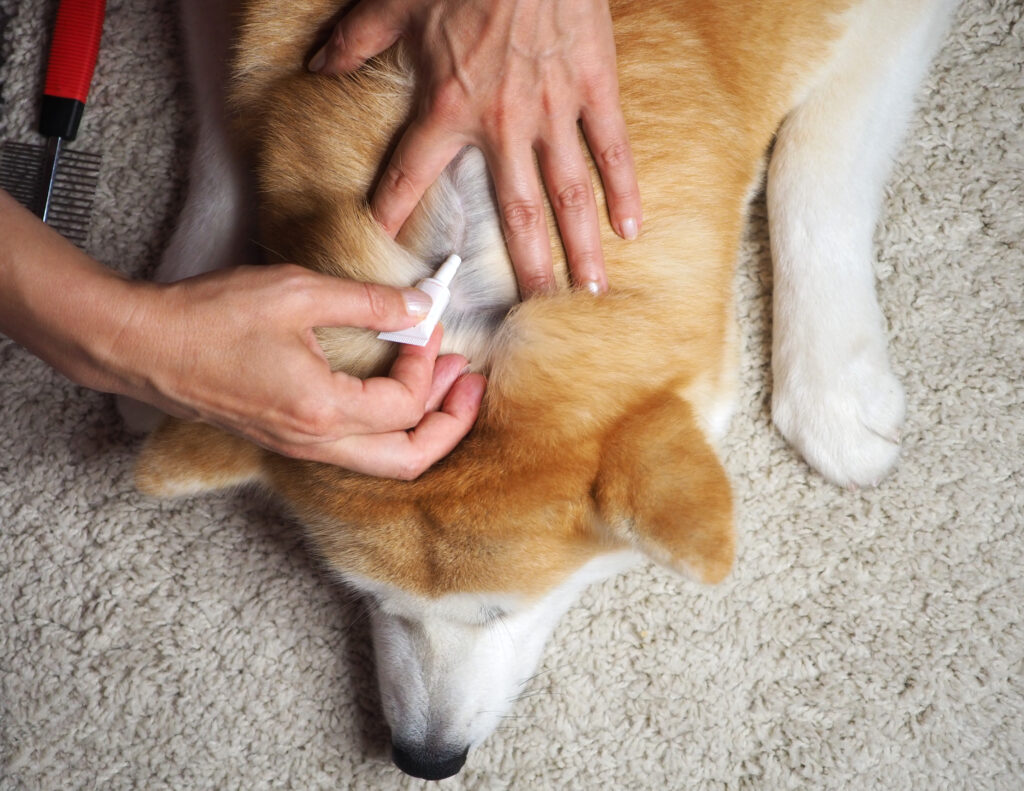
Apply flea control products to pets regularly. Treat your home with sprays or powders safe for indoor use. Clean floors and furniture often to remove flea eggs and larvae.
- Use flea shampoos and spot treatments on pets
- Vacuum carpets and pet areas weekly
- Wash pet bedding in hot water
- Consider flea sprays for home and furniture
Home And Pet Care Tips
Keep your pets clean and check them for fleas every week. Grooming helps spot fleas early. Regular baths reduce flea eggs and dirt on your pet.
Keep your home dry and tidy. Fleas like warm, humid places. Fix leaks and reduce clutter to lower flea hiding spots. Vacuum often and empty vacuum bags outside.
- Brush pets regularly to find fleas
- Wash pet blankets and toys weekly
- Seal cracks and gaps in floors and walls
- Keep grass and bushes trimmed outside
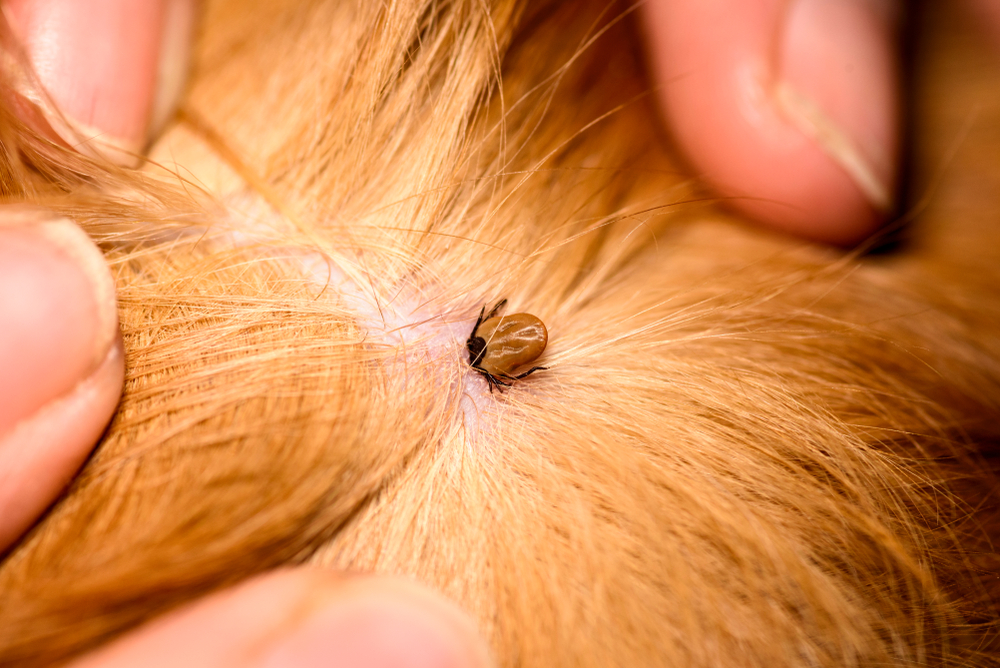
Credit: emeraldanimal.com
Frequently Asked Questions
Can Flea Eggs Survive In Freezing Temperatures?
Flea eggs are sensitive to extreme cold. Freezing temperatures often kill them or halt their development. However, eggs hidden in warm areas like pet bedding may survive winter.
How Does Cold Weather Affect Flea Egg Hatching?
Cold weather slows flea egg hatching significantly. Eggs require warmth and humidity to develop. Lower temperatures delay or stop eggs from hatching until conditions improve.
Do Flea Eggs Die If Exposed To Frost?
Frost exposure can kill many flea eggs. However, eggs protected in indoor environments often survive frost. Proper cleaning and heating help eliminate hidden flea eggs during cold seasons.
Can Flea Infestations Persist Through Winter?
Yes, flea infestations can persist indoors during winter. Fleas thrive in warm, humid places like homes and pet bedding. Winter alone rarely eliminates all flea eggs or larvae.
Conclusion
Flea eggs can survive cold weather better than you think. They hide in warm places like carpets and pet bedding. Cold alone does not kill them quickly. This means fleas can come back when it gets warm again. Protect your home by cleaning often and treating pets regularly.
Stay alert through winter to stop fleas from spreading. Small steps make a big difference in controlling flea eggs year-round.