How Can Winter Wheat Survive Cold Weather: Proven Survival Tips
Have you ever wondered how winter wheat manages to thrive when temperatures drop and snow blankets the fields? It’s fascinating to think about how this hardy crop withstands the harsh winter months while other plants retreat.
If you’re curious about how winter wheat survives the cold weather and what it means for your next loaf of bread, then you’re in the right place. This article will reveal the secrets behind winter wheat’s resilience. You’ll discover the science that keeps it alive through freezing conditions and how this knowledge can impact your own gardening or farming practices.
So, grab a warm drink and get ready to uncover the mysteries of winter wheat!
Winter Wheat Basics
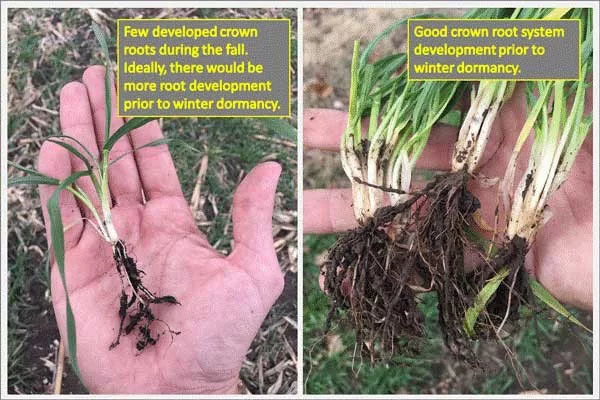
Winter wheat is a type of wheat planted in the fall. It grows roots before cold weather comes. This helps it survive winter months.
It then continues growing in spring. Farmers grow winter wheat for its strong yield and good grain quality.
Growth Cycle
Winter wheat has a unique growth cycle. It starts with planting in early fall. The plant grows leaves and roots before winter.
- Planting: Early fall to develop roots
- Vernalization: Cold period triggers flowering
- Winter dormancy: Growth slows in cold
- Spring growth: Rapid growth after cold ends
- Harvest: Late spring or early summer
Cold Weather Challenges
Winter wheat faces many challenges during cold weather. Freezing temperatures can harm the plant. Snow cover can protect it but also cause problems.
| Challenge | Effect on Wheat | How Wheat Survives |
| Freezing Temperatures | Can kill young plants | Strong roots and cold hardiness |
| Frost | Damages leaves and shoots | Leaf dormancy and protective wax |
| Snow Cover | Protects but may cause mold | Snow insulates and slows growth |
| Drought in Winter | Limits water for roots | Deep roots reach moisture |

Credit: www.world-grain.com
Cold Tolerance Mechanisms
Winter wheat faces cold weather with special survival tools. These tools help the plant stay healthy during freezing temperatures.
Understanding how winter wheat survives cold helps farmers grow stronger crops. Two key ways are frost resistance and dormancy benefits.
Frost Resistance
Frost resistance means winter wheat can survive ice forming in its cells. The plant changes to stop damage from freezing.
- Cell walls become stronger to avoid breaking.
- The plant produces natural antifreeze chemicals.
- Water moves out of cells to reduce ice formation.
- Leaf surfaces may have a waxy coating to protect from frost.
Dormancy Benefits
Dormancy lets winter wheat rest during cold months. Growth slows down so the plant uses less energy and stays safe.
| Dormancy Feature | Benefit |
| Growth stops | Prevents damage from cold stress |
| Energy use lowers | Helps plant survive long winters |
| Buds stay protected | Allows regrowth in spring |
Soil Preparation Tips
Winter wheat needs strong soil to survive cold weather. Preparing the soil well helps the plants grow healthy roots.
Good soil preparation increases the chance that winter wheat will resist frost and harsh conditions.
Ideal Soil Conditions
Winter wheat grows best in soil that drains water well and stays loose. Heavy, wet soil can hurt the roots in cold weather.
Soil should have a pH between 6.0 and 7.0. This range helps wheat take in nutrients easily.
- Use soil tests to check pH and texture
- Improve drainage by adding sand or organic matter
- Loosen soil by tilling before planting
Nutrient Management
Winter wheat needs enough nutrients to grow strong before winter. Nitrogen, phosphorus, and potassium are important.
Apply nutrients based on soil test results. Too much fertilizer can harm young plants.
- Add phosphorus to help root growth
- Use nitrogen carefully to boost early growth
- Include potassium to improve cold resistance

Credit: extension.sdstate.edu
Planting Strategies
Winter wheat needs careful planting to survive cold weather. Good strategies help the plant grow strong roots. These roots protect the wheat from freezing temperatures.
Farmers use different methods to prepare the soil and choose the right time to plant. These steps improve the wheat’s chance to survive winter.
Optimal Planting Time
Planting winter wheat at the right time is very important. The wheat needs enough time to grow before the cold starts. This helps it build strong roots and resist frost.
- Plant after the soil cools but before heavy frost
- Avoid planting too early to stop weak growth
- Check local climate and frost dates for best timing
- Use soil moisture levels as a guide for planting
Seed Selection
Choosing the right seeds helps winter wheat survive cold weather. Some seeds are bred to resist cold and diseases. Using strong seeds leads to better growth and yield.
| Seed Type | Cold Tolerance | Yield Potential | Disease Resistance |
| Hard Red Winter | High | Good | Moderate |
| Soft Red Winter | Medium | Moderate | Low |
| Hard White Winter | High | Good | High |
| Club Wheat | Medium | Moderate | Moderate |
Protective Measures
Winter wheat faces harsh cold weather during its growth. Farmers use special ways to protect the plants. These help the wheat survive through low temperatures.
Protective measures make sure the wheat stays healthy. They reduce damage from frost and wind. Two key ways are mulching and using windbreaks or shelters.
Mulching Methods
Mulching covers the soil around wheat plants. It keeps the soil warmer and stops moisture loss. Mulch protects roots from freezing temperatures.
Farmers use straw, leaves, or other plant material as mulch. Mulch also helps stop weeds and keeps the soil loose. This helps wheat grow better in cold weather.
- Spread straw evenly over the wheat field
- Use dry leaves to cover soil gaps
- Avoid thick layers to allow air flow
- Remove mulch in spring to help growth
Windbreaks And Shelter
Strong winds can harm winter wheat by drying and breaking plants. Windbreaks reduce wind speed near the field. They protect wheat from cold air damage.
Shelters are barriers made of trees, bushes, or fences. They create a calmer area for wheat to grow. Using windbreaks helps keep the soil moist and plants healthy.
- Plant rows of trees or shrubs around the field
- Build fences where natural windbreaks are not possible
- Keep windbreaks at a good height to block strong winds
- Maintain windbreaks by trimming and caring for plants
Water Management
Winter wheat needs careful water management to survive cold weather. Proper water helps the plants stay healthy and resist frost damage.
Water management includes choosing the right irrigation methods and avoiding water stress. These steps improve the wheat’s chance to grow strong in winter.
Irrigation Techniques
Irrigation is important for winter wheat, especially before cold spells. It keeps the soil moist and protects roots from freezing.
- Use drip irrigation to save water and deliver it directly to roots.
- Apply water in the morning to reduce evaporation losses.
- Check soil moisture regularly to avoid overwatering.
- Use sprinkler irrigation carefully to prevent water freezing on leaves.
- Adjust irrigation based on weather forecasts to avoid water waste.
Avoiding Water Stress
Water stress weakens winter wheat and makes it more prone to cold damage. Avoid it by monitoring water needs closely.
| Water Stress Sign | Effect on Wheat | Action to Take |
| Wilting leaves | Reduced growth | Increase irrigation frequency |
| Dry soil | Root damage | Check irrigation system for problems |
| Yellowing leaves | Lower resistance to cold | Apply water immediately |
| Slow growth | Delayed maturity | Maintain steady soil moisture |
Pest And Disease Control
Winter wheat faces many challenges in cold weather. Pests and diseases can harm the crop and reduce yield. Controlling these threats is important for healthy plants.
Effective pest and disease control helps winter wheat survive harsh conditions. It supports strong growth and better harvests.
Common Threats
Many pests and diseases attack winter wheat during cold weather. Some common threats include fungi, insects, and viruses. These can cause leaf spots, rust, and root damage.
- Fungal diseases like powdery mildew and rust
- Insects such as aphids and wheat midges
- Viral infections spread by pests
- Root rots caused by cold, wet soil
Pests often hide under crop residues or in soil. Cold weather can slow plant growth, making it harder to recover.
Preventive Actions
Farmers can take steps to reduce pest and disease problems. Choosing resistant wheat varieties is a good start. Crop rotation also helps break pest cycles.
- Plant disease-resistant winter wheat strains
- Use crop rotation to avoid pest buildup
- Remove old plant debris to reduce pests
- Apply fungicides and insecticides carefully
- Monitor fields regularly for early signs
Good field drainage and soil health improve plant strength. Healthy plants resist pests and survive cold weather better.

Credit: phycoterra.com
Monitoring And Maintenance
Winter wheat needs careful monitoring to survive cold weather. Regular checks help spot problems early. Proper maintenance keeps the crop healthy through winter.
Farmers must adjust their care based on the weather. This ensures the wheat can handle freezing temperatures and snow cover.
Regular Inspection
Inspect wheat fields often during cold months. Look for signs of frost damage and diseases. Check soil moisture to avoid drought stress.
- Examine leaves for discoloration or spots
- Check stems for weakness or breakage
- Look under snow for ice buildup
- Test soil moisture levels weekly
- Watch for pests that may harm plants
Adjusting Care Based On Weather
Change care routines depending on temperature and precipitation. Use the table below to guide your actions during cold spells.
| Weather Condition | Care Action |
| Below Freezing | Increase snow cover for insulation |
| Dry and Cold | Apply light irrigation to keep soil moist |
| Wet and Cold | Avoid excess watering to prevent root rot |
| Sudden Thaw | Check for waterlogging and improve drainage |
Frequently Asked Questions
How Does Winter Wheat Tolerate Freezing Temperatures?
Winter wheat survives freezing by developing a hardening process. It increases sugar content in cells to prevent ice damage. This adaptation protects cell structures and maintains growth during cold spells.
What Soil Conditions Help Winter Wheat Withstand Cold?
Well-drained, fertile soils with good organic matter support winter wheat. Proper soil moisture and pH around 6. 0-7. 0 enhance root development and cold resistance. Healthy soil promotes plant vigor for winter survival.
When Should Winter Wheat Be Planted For Best Cold Survival?
Plant winter wheat in early fall, about 6-8 weeks before the first frost. This timing allows seedlings to establish strong roots before winter. Proper planting time improves cold tolerance and crop yield.
How Does Snow Cover Benefit Winter Wheat During Cold?
Snow acts as an insulating layer, protecting wheat from extreme cold. It stabilizes soil temperature and reduces freeze-thaw cycles. Snow cover helps prevent winterkill and supports plant survival.
Conclusion
Winter wheat can handle cold weather with the right care. Choosing strong wheat varieties helps it grow well. Protecting the soil and keeping it healthy supports the crop. Proper planting time lets wheat develop before harsh cold. Farmers watch the weather and adjust their methods.
These steps help winter wheat survive and produce good yields. Cold weather is tough, but wheat can endure it. Small actions make a big difference for strong crops. Growing winter wheat is possible even in cold climates.