How Do Hummingbirds Survive Hurricanes: Nature’s Tiny Survivors
Have you ever wondered how tiny creatures like hummingbirds manage to survive the fierce winds and torrential rains of a hurricane? These little marvels of nature face one of the planet’s most violent weather conditions, yet they persevere.
As you imagine the chaos of swirling winds and lashing rain, the image of a fragile hummingbird seems out of place, doesn’t it? But nature has equipped them with astonishing abilities that defy their delicate appearance. You’ll uncover the secrets behind their survival tactics, strategies that might even surprise you.
Prepare to be amazed by the resilience and adaptability of these feathered wonders. Stay with us, and discover how hummingbirds turn nature’s fury into just another day in their extraordinary lives.

Credit: www.birdsandblooms.com
Hummingbird Habitat And Behavior
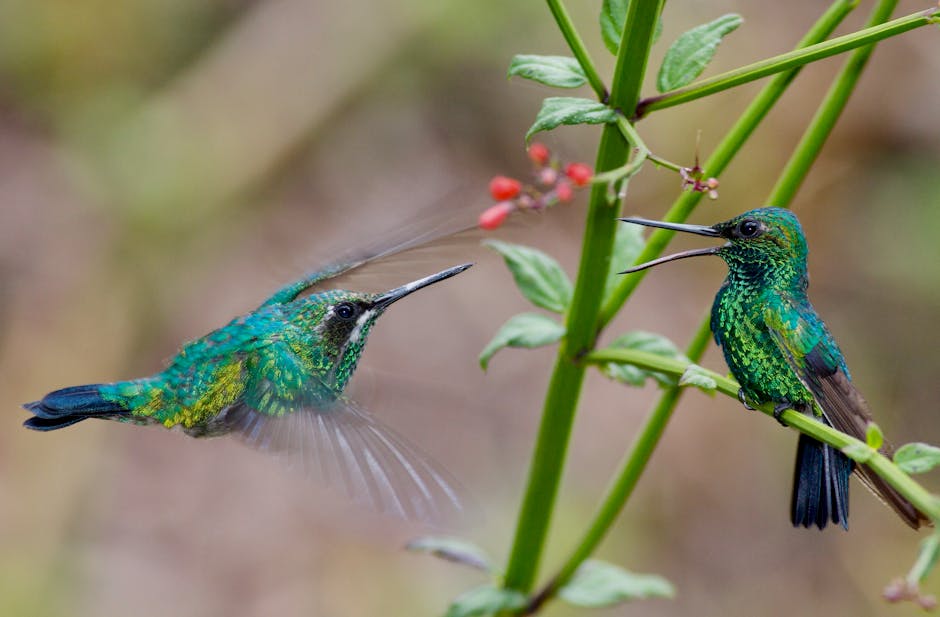
Hummingbirds are small birds known for their fast wing beats and bright colors. They live in many places, from forests to gardens. Understanding where they live and how they act helps us know how they survive strong storms like hurricanes.
This article looks at hummingbird habitats and behavior. It explains where they usually live, how they migrate, and what they do each day.
Typical Habitats
Hummingbirds live in many habitats. They like places with lots of flowers. These spots give them nectar to eat. They also need trees or shrubs for shelter and nesting.
Common habitats include forests, gardens, and meadows. Some species live in mountains. Others prefer tropical areas. They choose places where food is easy to find and where they can hide from danger.
- Flower-rich gardens
- Wooded forests
- Mountainous regions
- Tropical and subtropical areas
- Meadows and open fields
Migration Patterns
Many hummingbirds migrate long distances each year. They move to warmer places before cold seasons. This helps them find food and stay safe during storms.
They travel alone or in small groups. Some fly at night to avoid predators. Their migration paths often follow safe routes with many flowers. This way, they can rest and eat during the journey.
- Travel to warmer climates in fall
- Return in spring to breed
- Fly alone or in small groups
- Rest at flower-rich stops
- Use safe routes to avoid dangers
Daily Activities
Hummingbirds spend much of their day looking for food. They visit many flowers to drink nectar. This gives them energy to fly and survive storms.
They also rest in hidden spots during bad weather. Hummingbirds stay still to save energy. They clean their feathers and watch for predators. These habits help them survive hurricanes and strong winds.
- Feed on nectar from flowers
- Rest in trees or shrubs
- Preen feathers to stay healthy
- Stay hidden during storms
- Watch for predators
Hurricane Challenges For Hummingbirds
Hummingbirds face many problems during hurricanes. Strong winds, heavy rain, and food shortages make survival hard.
These tiny birds must find ways to stay safe and fed. Understanding their challenges helps us protect them better.
Wind And Rain Impact
Hurricanes bring strong winds that can push hummingbirds off course. Rain makes flying even harder for these small birds.
Wind and rain can cause exhaustion and injury. Hummingbirds often hide in thick bushes or tree branches to avoid the worst weather.
Food Scarcity
Heavy storms damage flowers and plants hummingbirds feed on. This reduces the nectar available for them to eat.
Hummingbirds may need to travel longer distances to find food. Sometimes, they rely on insects when nectar is scarce.
- Fewer flowers due to storm damage
- Longer flights to find food
- Increased energy use during food search
Shelter Destruction
Hurricanes can destroy nests and resting places. Hummingbirds lose safe spots to rest and protect their young.
They often rebuild nests quickly after the storm. Finding new shelter is important for their survival and breeding.
Survival Adaptations
Hummingbirds face many dangers during hurricanes. These storms bring strong winds and heavy rain. The birds use special survival skills to stay safe.
Their adaptations help them protect their energy and find shelter. These traits improve their chances of surviving harsh weather.
Flight Agility
Hummingbirds have powerful wings that move very fast. This lets them change direction quickly. They can hover and dodge strong winds during a storm.
- Hover in place to avoid dangerous gusts
- Fly backward or sideways to escape threats
- Use quick, sharp wing beats to stabilize in turbulence
- Adjust flying speed to conserve control
Energy Conservation
Hummingbirds store energy to survive when food is scarce. They eat a lot before storms to build fat reserves. During hurricanes, they reduce movement to save energy.
| Energy Strategy | Description |
| Fat Storage | Builds energy reserves for hard times |
| Reduced Activity | Limits energy use during storms |
| Lowered Metabolism | Slows body functions to save power |
Seeking Shelter
Hummingbirds find safe places to wait out storms. They hide in dense bushes, tree branches, or man-made structures. Shelter protects them from wind and rain.
- Thick shrubs with strong branches
- Under large leaves or flowers
- Near tree trunks for wind protection
- Inside birdhouses or gaps in buildings
Migration Strategies During Storms
Hummingbirds face great challenges during hurricanes. They use special strategies to survive strong winds and heavy rain. Their migration habits help them avoid the worst parts of storms.
These tiny birds rely on keen senses and smart choices. They change their routes and find safe places to rest. This helps them live through dangerous weather events.
Early Detection
Hummingbirds sense changes in air pressure and wind speed. These changes warn them about approaching storms. They can detect weather shifts before the storm arrives.
This early detection gives hummingbirds time to prepare. They may stop feeding and get ready to move away from danger zones.
Route Alterations
When storms are near, hummingbirds change their migration paths. They avoid areas with heavy rain and strong winds. These birds fly around the storm or delay travel until it passes.
- Fly at lower altitudes to avoid strong winds
- Shift migration routes inland or away from the coast
- Pause migration if the storm is too close
- Use tailwinds from safe directions to save energy
Rest Stops
Hummingbirds need places to rest during storms. They find shelter in dense trees or shrubs. These safe spots protect them from rain and wind while they wait.
| Rest Spot | Protection | Reason |
| Dense Trees | Blocks wind and rain | Keeps birds dry and safe |
| Thick Shrubs | Hides from predators | Offers cover and warmth |
| Flower Clusters | Food nearby | Allows quick feeding |
Post-hurricane Recovery
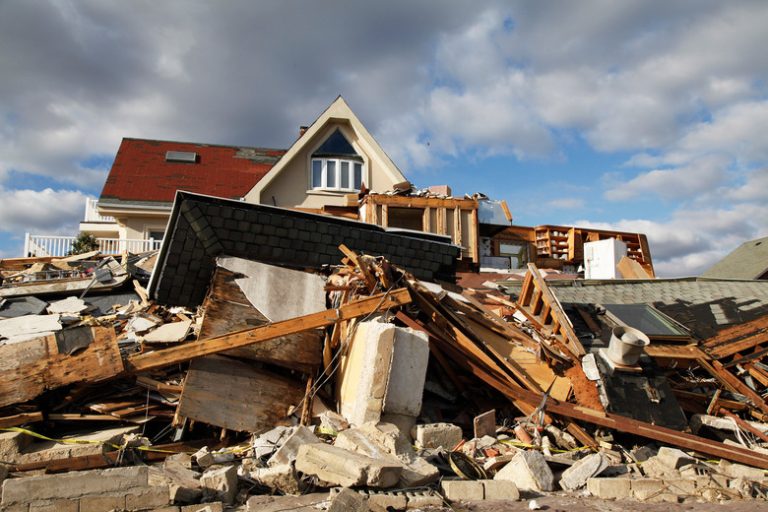
Hurricanes can cause great damage to hummingbirds’ homes and food sources. After a storm, these tiny birds face many challenges. They must find ways to rebuild and survive in changed environments.
Recovering after a hurricane takes time and effort. Hummingbirds depend on nature to restore itself. We can learn about their recovery by looking at how they rebuild habitats, find food, and repopulate.
Rebuilding Habitats
Hurricanes often destroy trees and plants where hummingbirds live. These birds wait for new plants to grow. They also use nearby areas that are less damaged.
Plants like flowering bushes and trees come back slowly. Hummingbirds help by spreading seeds, which helps new plants grow faster. This cycle helps rebuild their homes over time.
Finding Food Sources
Hurricanes can reduce nectar from flowers, which is hummingbirds’ main food. After storms, birds search for remaining flowers and other nectar sources.
They may also eat small insects to get extra energy. Hummingbirds travel farther to find food until the plants bloom again. Their quick movement helps them survive food shortages.
- Look for early-blooming flowers
- Eat insects and spiders
- Visit feeders if available
- Travel to less affected areas
Repopulation Efforts
After a hurricane, fewer hummingbirds may be in an area. The birds that survive start to breed again when conditions improve. This helps increase their population.
Young hummingbirds learn to fly and find food in recovering habitats. The growing number of birds helps stabilize the population. Nature’s balance slowly returns as habitats heal.

Credit: www.birdsandblooms.com
Role Of Conservation Efforts
Hummingbirds face many dangers during hurricanes. Conservation helps protect these small birds.
Efforts focus on saving habitats and tracking hummingbird health and numbers.
Habitat Protection
Protecting forests and gardens where hummingbirds live is very important. Safe habitats give them places to hide and find food.
Conservation groups work to keep these areas safe from damage or destruction.
- Preserving native plants that hummingbirds feed on
- Restoring damaged areas after storms
- Creating safe zones free from pesticides
Research And Monitoring
Scientists study hummingbirds to learn how hurricanes affect them. They watch bird numbers and health closely.
Tracking helps find ways to support hummingbirds during and after storms.
- Tagging birds to follow their movement
- Checking food sources after hurricanes
- Recording survival rates and behavior changes
Community Involvement
People help hummingbirds by planting flowers and building feeders. Communities can give birds places to rest and eat.
Local groups also share information about how to protect hummingbirds during storms.
- Planting native flowers that bloom year-round
- Keeping feeders clean and full
- Educating neighbors about bird safety
Credit: www.pressreader.com
Frequently Asked Questions
How Do Hummingbirds Detect Approaching Hurricanes?
Hummingbirds sense changes in air pressure and weather patterns. Their keen instincts help them recognize storms early. This allows them to prepare and find shelter before hurricanes strike.
Where Do Hummingbirds Shelter During Hurricanes?
Hummingbirds seek dense foliage, tree cavities, or thick bushes. These spots provide protection from strong winds and heavy rain. Such shelter helps them survive the storm’s harsh conditions.
Can Hummingbirds Fly Through Hurricane Winds?
Hummingbirds generally avoid flying in hurricane winds. Their small size and rapid wing beats make flying in storms dangerous. They conserve energy by staying sheltered until the hurricane passes.
What Do Hummingbirds Eat During Hurricanes?
During hurricanes, hummingbirds rely on stored energy reserves. They cannot access nectar or insects easily in storms. Resting and conserving energy is crucial for their survival.
Conclusion
Hummingbirds show amazing strength during hurricanes. They use quick flights and find safe spots. Their small size helps them hide from strong winds. These birds rest and wait until the storm passes. Nature has given them smart ways to survive.
Watching hummingbirds teaches us about patience and courage. They remind us that even tiny creatures can be tough. Understanding their survival helps us appreciate wild life more. Next time a storm comes, think of these little birds. They keep going, no matter what.