Can Houses Survive a Category 5 Hurricane: Shocking Truths Revealed
When a Category 5 hurricane is on the horizon, the safety of your home is likely your top concern. You might wonder if your house can withstand such a powerful storm.
The fear of losing everything you have worked for is daunting. The sheer force of these hurricanes can leave you feeling helpless and anxious. But what if there were ways to better protect your home and increase its chances of survival?
We’ll explore the resilience of houses against the mightiest of hurricanes and reveal practical strategies that can help safeguard your sanctuary. You’ll discover insights and tips that might just ease your worries and offer peace of mind. Stay with us as we delve into the world of hurricane-proofing your home, empowering you with knowledge that could make all the difference when the next storm strikes.
Credit: thespun.com
Category 5 Hurricanes Explained
Category 5 hurricanes are the strongest storms on Earth. They bring extreme winds and heavy rains. These storms can cause severe damage to buildings and landscapes.
Understanding their power helps us prepare and protect our homes and communities. Below are key points about their wind speeds, storm surge, and past events.
Wind Speeds And Impact
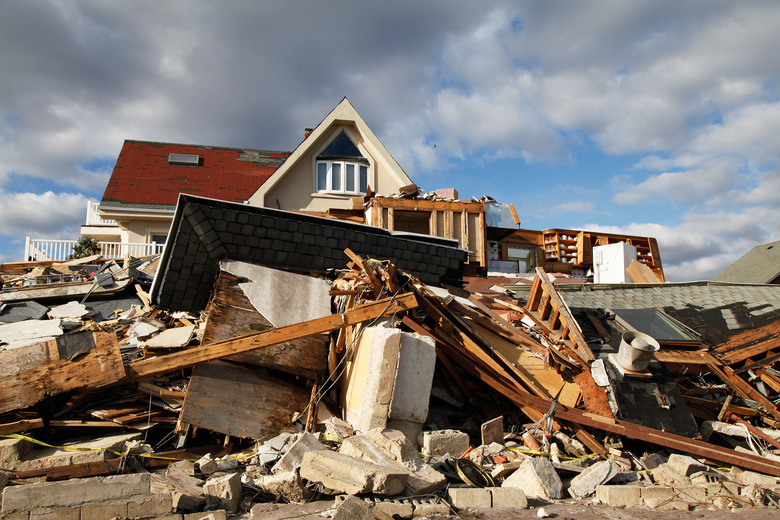
Category 5 hurricanes have wind speeds over 157 miles per hour. These winds can tear roofs off houses and break windows. Trees can fall, and power lines can come down.
- Winds exceed 157 mph (252 km/h)
- Roofs and walls often collapse
- Flying debris causes injuries and damage
- Power outages last for days or weeks
- Vehicles and outdoor objects can be tossed
Storm Surge And Flooding
Storm surge is the rise of water pushed by hurricane winds. It can flood coastal areas quickly. Floodwaters can reach several feet high and destroy homes.
| Storm Surge Height | Flooding Effect |
| 10-20 feet | Severe coastal flooding |
| 20-30 feet | Homes underwater, roads damaged |
| Over 30 feet | Complete destruction of coastal areas |
Historical Examples
Some of the worst hurricanes in history were Category 5. They caused huge losses and changed weather safety rules.
- Hurricane Katrina (2005) – Major damage in New Orleans
- Hurricane Andrew (1992) – Destroyed homes in Florida
- Hurricane Michael (2018) – Severe impact on Florida Panhandle
- Hurricane Dorian (2019) – Devastated the Bahamas
Building Codes And Standards
Building codes set rules for how houses must be built to resist strong storms. These rules help protect homes from damage during a Category 5 hurricane.
Standards guide builders to use safe designs and strong materials. This makes houses more likely to survive high winds and flooding.
Modern Construction Requirements
New building rules require houses to have strong roofs and walls. Roofs must be secured with special fasteners to stop them from lifting off.
Walls need extra support to hold up under wind pressure. Windows and doors must be impact-resistant to avoid breaking.
- Stronger roof ties and clips
- Reinforced wall framing
- Impact-resistant windows and doors
- Elevated foundations in flood zones
Materials That Withstand High Winds
Builders use materials that do not break or bend easily during storms. Concrete, steel, and specially treated wood are common choices.
These materials help homes stay intact even with strong hurricane winds. They reduce the chance of debris damage and collapse.
- Concrete blocks for walls
- Steel reinforcements in framing
- Pressure-treated wood for durability
- Impact glass for windows
Role Of Engineering In Safety
Engineers design homes to handle extreme weather forces. They calculate wind loads and test structures for strength.
Engineering ensures that homes meet or exceed building codes. This process lowers the risk of severe damage or collapse.
- Wind load calculations
- Structural reinforcement plans
- Material strength testing
- Regular code compliance checks
Common Weaknesses In Houses
Category 5 hurricanes bring very strong winds and heavy rain. These storms test how well houses are built.
Many houses have weak spots that make damage more likely during these storms. Knowing these can help improve home safety.
Roof Vulnerabilities
Roofs face the strongest winds in a hurricane. Loose shingles or tiles can fly off easily. This lets water leak inside.
Flat or shallow roofs may not handle heavy rain well. Poor roof design or old materials increase damage risk.
- Missing or loose shingles
- Weak roof attachments
- Flat or poorly sloped roofs
- Old or damaged roofing materials
Window And Door Failures
Windows and doors can break from flying debris or strong winds. Broken glass allows rain and wind inside the house.
Houses without storm shutters or impact-resistant glass have higher damage risks. Poor door frames may also come loose.
- Single-pane windows
- No storm shutters or impact glass
- Weak door frames or locks
- Gaps around doors and windows
Foundation Risks
Strong winds can cause soil erosion near foundations. Flooding can weaken the ground under the house.
Homes built on poor soil or without proper drainage face higher risks of shifting or cracking.
- Soil erosion around foundation
- Flooding and poor drainage
- Weak or old foundation materials
- Building on unstable ground
Credit: thespun.com
Survival Stories And Case Studies
Category 5 hurricanes bring the strongest winds and heaviest rain. These storms test the strength of houses and communities. Some homes survive, while others fail.
This article looks at real stories of houses that stood up to these storms. We also learn from failures to build safer homes in the future.
Houses That Withstood Category 5 Storms
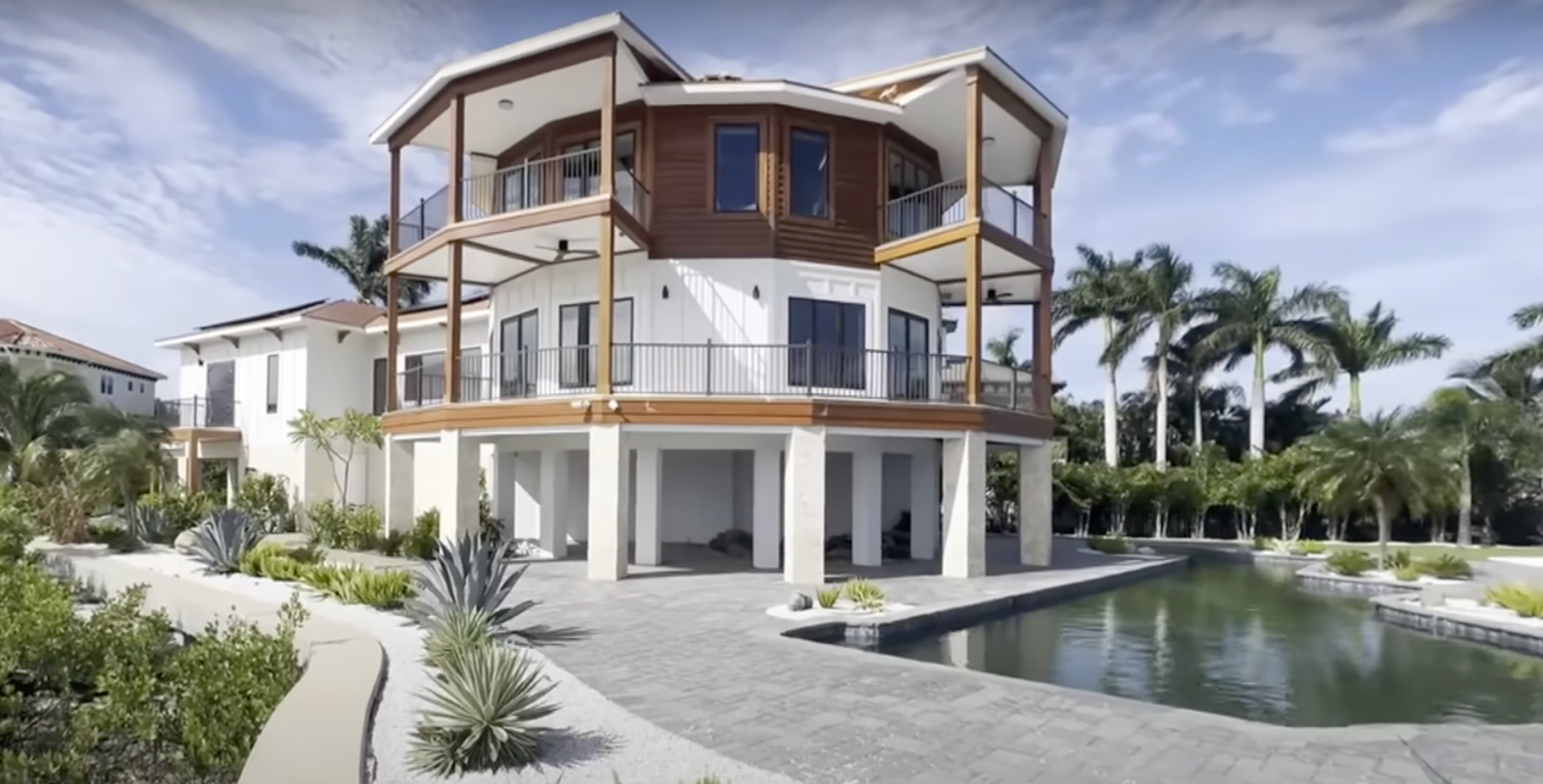
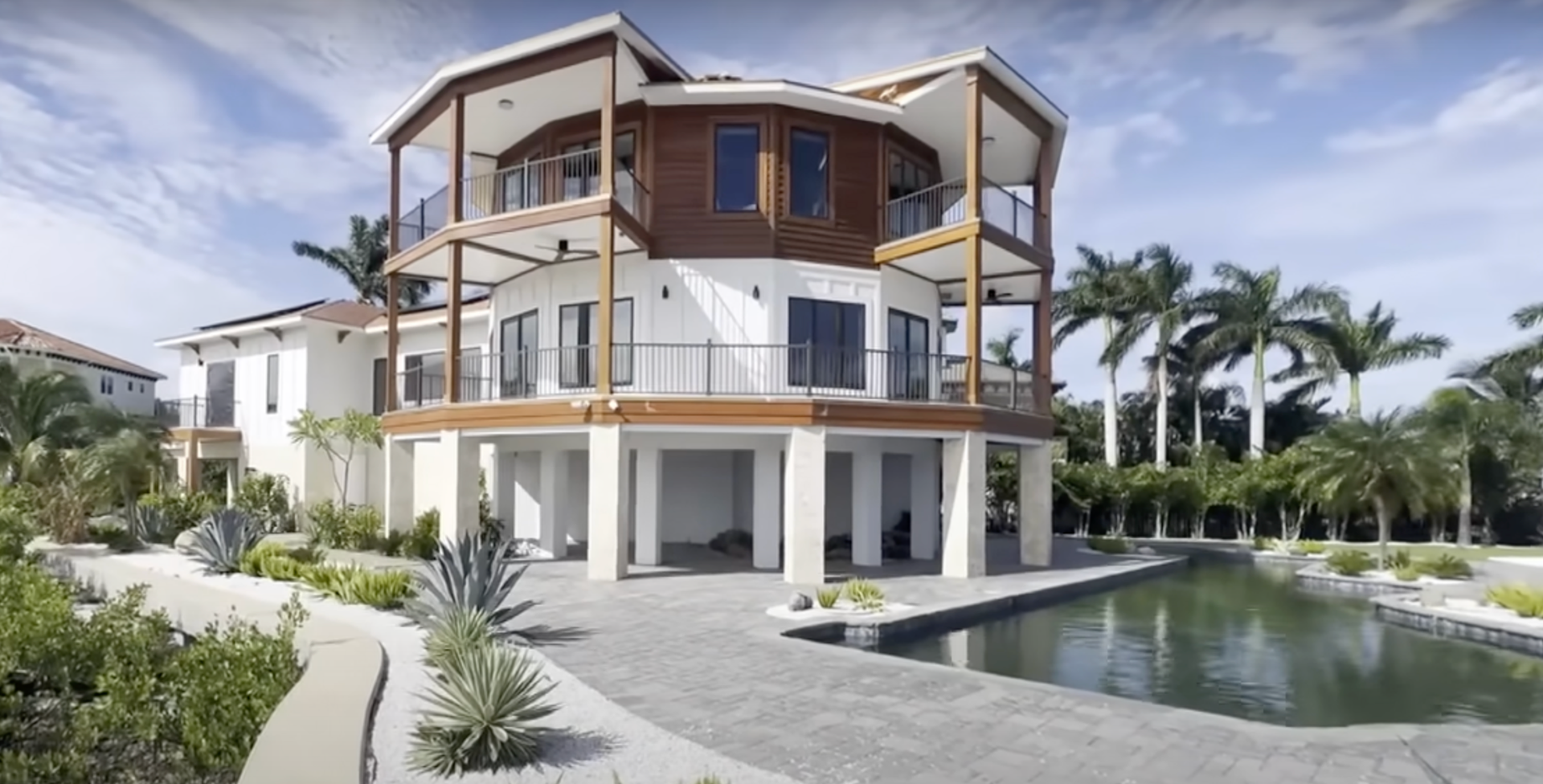
Many houses survive Category 5 hurricanes because of strong design and materials. Some used reinforced concrete, hurricane straps, and impact-resistant windows.
In Florida, a home built with concrete walls and a solid roof survived Hurricane Michael. The owners reported no major damage after winds passed 160 mph.
- Concrete block walls resist strong winds well.
- Roof straps keep roofs from lifting.
- Impact windows stop flying debris damage.
- Elevated foundations reduce flood risk.
Failures And Lessons Learned
Not all houses survive Category 5 storms. Many older homes break apart due to weak materials or poor design. Roofs often lift off, and walls collapse.
After Hurricane Katrina, many wooden homes in New Orleans failed. The flood and wind caused major damage. Builders learned to use stronger materials and better anchoring.
- Weak roof connections cause roof loss.
- Old windows break easily and let water in.
- Improperly built foundations increase flood damage.
- Regular maintenance helps prevent storm damage.
Preventive Measures For Homeowners
Category 5 hurricanes bring strong winds and heavy rain. These storms can damage or destroy homes.
Homeowners can take steps to protect their houses. Preparing early can save lives and reduce damage.
Reinforcing Structures
Strong winds can break windows and walls. Reinforcing the house structure helps it resist damage.
Use hurricane straps to secure the roof to walls. Strengthen doors with heavy-duty frames and locks.
- Add plywood or metal panels to cover walls
- Strengthen the foundation to prevent shifting
- Check and repair roof shingles regularly
- Secure garage doors with braces or reinforcement kits
Installing Storm Shutters
Storm shutters protect windows from flying debris. They reduce the chance of broken glass and water damage.
Choose from metal, aluminum, or polycarbonate shutters. Install them before the hurricane season starts.
- Check that shutters fit windows tightly
- Use strong fasteners to attach shutters
- Practice installing shutters quickly
- Keep shutters clean and free of rust
Emergency Preparedness Tips
Being ready helps families stay safe during a hurricane. Plan and prepare before the storm arrives.
Gather emergency supplies and know evacuation routes. Make a communication plan with family members.
- Store water, food, and medicine for several days
- Charge phones and have backup batteries
- Keep important documents in a waterproof bag
- Clear yard of loose items that can fly
- Have a safe room or shelter ready
Future Of Hurricane-resistant Housing
Houses face great challenges during Category 5 hurricanes. Winds can reach over 157 miles per hour. Flooding and flying debris cause major damage.
New ideas and designs aim to build homes that can survive these strong storms. The future of housing focuses on strength and safety.
Innovative Building Technologies
Builders use new materials that are stronger and lighter. These materials resist wind and water better than before.
Technology like impact-resistant windows and reinforced roofs helps protect homes from flying debris and heavy rain.
- Steel frames that bend but do not break
- Concrete walls with fiber reinforcement
- Windows made from laminated glass
- Roof fasteners that hold under strong winds
Sustainable And Resilient Designs
Designers focus on homes that last longer and use fewer resources. Green building helps homes stay safe and eco-friendly.
Elevated floors and smart drainage prevent flood damage. Simple shapes and strong foundations make houses more stable.
- Raised homes to avoid floodwaters
- Use of recycled and local materials
- Simple roof shapes to reduce wind pressure
- Landscaping that directs water away from buildings

Credit: www.youtube.com
Frequently Asked Questions
Can Houses Withstand Winds Of A Category 5 Hurricane?
Houses built with reinforced materials and proper design can resist Category 5 hurricane winds. However, many standard homes may suffer severe damage or destruction.
What Building Features Improve Hurricane Resistance?
Impact-resistant windows, reinforced doors, strong roofing, and elevated foundations enhance a house’s ability to survive extreme hurricane conditions.
Are Older Homes Safe During Category 5 Hurricanes?
Older homes often lack modern reinforcements, making them more vulnerable to damage in Category 5 hurricanes. Upgrades are recommended for better protection.
How Does Hurricane Force Affect House Foundations?
Strong hurricane winds and flooding can erode or weaken foundations, risking structural failure. Proper engineering and elevation help minimize this risk.
Conclusion
Houses face great challenges during Category 5 hurricanes. Strong winds and flooding can cause serious damage. Well-built homes with strong materials stand a better chance. Proper design and construction reduce risks significantly. Still, no house is completely safe from such storms.
Preparing early and following safety tips saves lives and property. Stay informed and act quickly when warnings come. Safety should always be the top priority. Resilience is possible but requires effort and care.