How to Survive Cold Weather When Homeless: Essential Life-Saving Tips
When the chill of winter sets in, it can be tough for anyone to stay warm. But for those without a home, the cold weather brings challenges that can feel impossible to overcome.
You might find yourself wondering how to stay safe and warm when temperatures drop. It’s a question that not only affects your comfort but also your health and well-being. The good news is, there are practical steps you can take to navigate these harsh conditions.
In this guide, you’ll discover essential tips and strategies to help you survive the cold and protect yourself against the winter’s bite. Keep reading to find out how you can face the freezing weather with resilience and hope.

Credit: medium.com
Preparing For The Cold
Cold weather can be very hard for people without a home. Staying warm is very important to avoid sickness and stay safe. Planning and choosing the right clothes can help a lot.
Here are some ways to prepare for cold weather. These tips focus on what clothes to wear and how to protect your body from the cold.
Choosing The Right Clothing
Wearing the right clothing can make a big difference in staying warm. Look for clothes that keep heat in and block wind.
- Pick clothes made of wool or fleece. These keep you warm even if they get wet.
- Avoid cotton because it holds moisture and makes you cold.
- Wear clothes that are loose but cover your body well.
- Use waterproof jackets or coats to stop wind and rain.
Layering Techniques
Layering means wearing several pieces of clothing. This traps warm air between layers and keeps you warmer.
| Layer | Purpose | Material |
| Base Layer | Keeps skin dry | Wool or synthetic |
| Middle Layer | Holds heat | Fleece or wool |
| Outer Layer | Protects from wind and rain | Waterproof jacket |
Protecting Extremities
Fingers, toes, and ears get cold fast. It is very important to keep them covered.
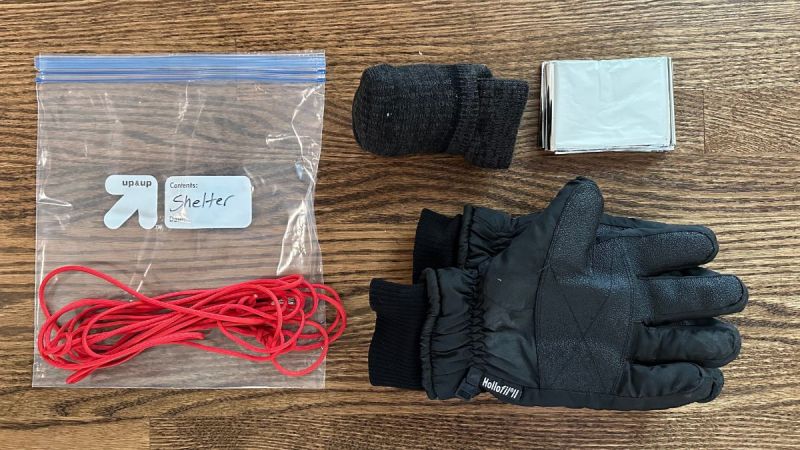
- Wear thick gloves or mittens to keep hands warm.
- Use wool socks and try to keep feet dry.
- Cover your head with a hat or scarf that covers your ears.
- If possible, wear boots that block water and cold.
Finding Shelter
Cold weather is dangerous for people without a home. Finding shelter can protect you from cold and wind. It helps keep your body warm and safe.
There are ways to find or make shelter. You can locate emergency shelters, build temporary ones, or use natural cover. Each option has benefits to help you survive.
Locating Emergency Shelters
Emergency shelters offer safe, warm places to stay during cold weather. They are often run by charities, churches, or local government. Some shelters provide meals, blankets, and medical help.
- Look for shelters in community centers or churches.
- Call local hotlines or social services for shelter locations.
- Visit public libraries or police stations to ask about shelters.
- Check for shelters that accept pets if needed.
- Arrive early to secure a spot, as space may be limited.
Creating Temporary Shelters
If you cannot find an emergency shelter, build a temporary one. Use materials like cardboard, plastic sheets, or tarps to block wind and rain. Find a spot that is dry and sheltered from the wind.
| Material | Use |
|---|---|
| Cardboard | Insulates and blocks cold air |
| Plastic sheets | Keeps out rain and wind |
| Blankets | Provides warmth inside shelter |
| Branches or sticks | Supports shelter walls |
Build your shelter low to the ground. Cover the frame with plastic or blankets. Make sure it is big enough to fit you but small enough to keep warm.
Using Natural Cover
Natural cover can help if no shelter is available. Trees, bushes, and hills can block wind and keep you warmer. Look for places with dense brush or natural windbreaks.
- Find thick bushes or trees to shield from wind.
- Use fallen leaves or pine needles to add insulation on the ground.
- Avoid low spots where cold air collects, like valleys.
- Stay away from open fields where wind is strong.
Staying Warm
Cold weather is very dangerous for people without homes. Staying warm can save your life.
There are simple ways to keep your body heat and protect yourself from the cold.
Body Heat Conservation
Your body loses heat fast in cold weather. Keep as much heat as possible to stay safe.
Wear several layers of clothing. Layers trap heat better than one thick layer.
- Keep your head, hands, and feet covered.
- Wear hats, gloves, and warm socks.
- Stay dry because wet clothes lose heat quickly.
Safe Fire Practices
Fire can warm you but it can be dangerous. Always make a fire in a safe place.
Choose an open area away from tents or dry materials. Keep water nearby to put out fire.
- Build small fires that are easy to control.
- Never leave a fire unattended.
- Make sure the fire is completely out before leaving.
Using Insulating Materials
Insulating materials block cold air and keep your body heat inside. Use what you can find.
Blankets, cardboard, leaves, or newspapers work well for insulation. Place them under and around you.
- Use thick materials under your body to stop cold from the ground.
- Wrap yourself in layers to trap heat.
- Cover your head and neck with scarves or cloth.

Credit: www.youtube.com
Nutrition And Hydration
Cold weather makes it hard to stay warm and healthy. Eating the right foods and drinking enough water can help the body stay strong. Good nutrition and hydration keep energy up during cold days.
When homeless, finding food and water is tough. This guide shows how to choose foods and drinks that help survive cold weather. Focus on calories, fluids, and avoiding things that hurt your body.
High-calorie Foods
High-calorie foods give your body energy to keep warm. Look for foods that have fats, proteins, and carbohydrates. These help you stay full longer and keep your strength up.
- Nuts and seeds like peanuts or sunflower seeds
- Peanut butter or other nut butters
- Cheese and full-fat dairy products
- Energy bars or granola bars
- Whole grain bread and pasta
- Dried fruits such as raisins or apricots
Staying Hydrated In Cold
Cold weather can make you forget to drink water. Your body still needs water to work well. Drink warm fluids if you can. Water, tea, and soup help keep you hydrated and warm.
| Drink | Benefits |
| Water | Hydrates body without extra sugar or calories |
| Warm tea | Keeps you warm and hydrated |
| Soup broth | Provides fluids and some nutrients |
| Fruit juices | Give hydration and quick energy |
Avoiding Alcohol
Alcohol can make your body colder. It lowers your core temperature and can cause dehydration. It also affects your judgment and balance. Avoid alcohol to stay safe and warm in cold weather.
- Alcohol makes blood flow near skin, causing heat loss
- It can increase risk of frostbite
- Dehydrates your body, making cold effects worse
- Impairs your ability to find shelter or help
Health And Safety
Cold weather is dangerous for homeless people. Staying safe and healthy is very important.
Knowing how to recognize and treat cold-related illnesses can save your life.
Recognizing Hypothermia
Hypothermia happens when your body gets too cold. It can be very serious.
Signs include shivering, slow speech, and confusion. You may feel very tired.
- Shivering that does not stop
- Slurred or slow speech
- Weak pulse or slow breathing
- Feeling confused or sleepy
Preventing Frostbite
Frostbite happens when skin freezes. It usually affects fingers, toes, and face.
Keep skin covered and dry. Stay out of the wind and cold as much as possible.
- Wear warm gloves, hats, and scarves
- Keep socks and shoes dry
- Change wet clothes quickly
- Limit time outside in very cold weather
First Aid Essentials
First aid can help if you or someone else gets cold injuries. Act fast and stay calm.
Warm the body slowly. Use dry blankets or clothing. Do not rub frostbitten skin.
- Move to a warm place if possible
- Use body heat or warm water (not hot) to warm skin
- Cover with dry blankets or clothes
- Seek medical help as soon as possible

Credit: www.nytimes.com
Seeking Help
Cold weather can be very dangerous for people without a home. Finding help is important to stay safe and warm. There are ways to get support from others and services in your area.
Knowing where to go and who to contact can make a big difference. This guide explains how to seek help during cold weather.
Accessing Community Resources
Many communities have places that offer shelter, food, and warm clothes. These resources are often free or low cost. Visiting them can provide safety from cold weather.
Look for local shelters, food banks, and warming centers. These places help people survive cold nights. They often provide blankets and hot meals too.
- Shelters offer a warm place to sleep
- Food banks provide meals and snacks
- Warming centers open during very cold days
- Churches and charities may help with clothes
Connecting With Outreach Programs
Outreach programs reach out to homeless people to offer help. They visit streets and parks to find those in need. Staff can give information about shelters and health care.
Talking to outreach workers can lead to more support. They know local services and can guide you to safety. They may also help with transport or medical aid.
- Look for outreach workers in busy areas
- Accept offers of help and information
- Ask about health checks and supplies
- Use their guidance to find shelters and centers
Using Communication Tools
Phones and other tools can help you find help faster. Many places have free phone lines to call for shelter or emergency aid. Some centers offer free Wi-Fi or phones.
Keep a list of important phone numbers on paper. Use public phones or ask for help to make calls. Text messages or social media can also connect you to services.
- Carry a paper with shelter phone numbers
- Ask staff for access to phones or internet
- Use free hotlines for emergencies
- Stay in touch with outreach workers by phone or text
Frequently Asked Questions
How Can Homeless People Stay Warm In Cold Weather?
Homeless people can stay warm by layering clothes and finding windproof shelters. Use blankets, newspapers, or cardboard for insulation. Seek public places like shelters or libraries during extreme cold. Staying dry and avoiding alcohol helps maintain body heat effectively.
What Are The Best Clothing Items For Cold Weather Survival?
Wear thermal underwear, wool socks, hats, gloves, and waterproof jackets. Layering traps heat and protects against wind. Avoid cotton as it retains moisture. Proper footwear with insulation is essential to prevent frostbite and maintain warmth.
Where Can Homeless Individuals Find Emergency Cold Weather Shelters?
Many cities offer emergency shelters during cold spells. Check local government websites or call hotlines for shelter locations. Libraries, churches, and community centers sometimes provide safe, warm places overnight. Early arrival increases chances of getting a spot.
How To Prevent Frostbite And Hypothermia While Homeless?
Keep extremities covered and avoid prolonged exposure to cold. Stay dry, and change wet clothes immediately. Use body heat by huddling with others if possible. Recognize early symptoms like numbness or shivering and seek medical help promptly.
Conclusion
Surviving cold weather while homeless is tough but possible. Stay warm by layering clothes and finding shelter. Drink warm fluids and avoid wet clothes to keep heat. Use body heat by staying close to others when safe. Keep moving to stay warm and alert.
Seek help from local shelters and community centers. Small steps can make a big difference in cold weather. Stay strong and take care of yourself every day. Survival depends on being prepared and staying aware of your needs.