What Can Survive a Cat 5 Hurricane: Unbelievable Facts Revealed
Imagine standing in the path of a Category 5 hurricane, the most powerful storm on Earth. The roar of the wind is deafening, and the rain lashes down like a torrent.
In such extreme conditions, you might wonder, “What can truly withstand this fury? ” As the world braces for these mighty tempests, knowing what can survive becomes crucial for your safety and peace of mind. We delve into the remarkable structures, nature’s wonders, and even some surprising everyday items that can endure the wrath of a Cat 5 hurricane.
Uncover the secrets behind their resilience and learn what it takes to weather the storm. Stay with us, because understanding this could be the key to safeguarding your world.
Cat 5 Hurricane Basics
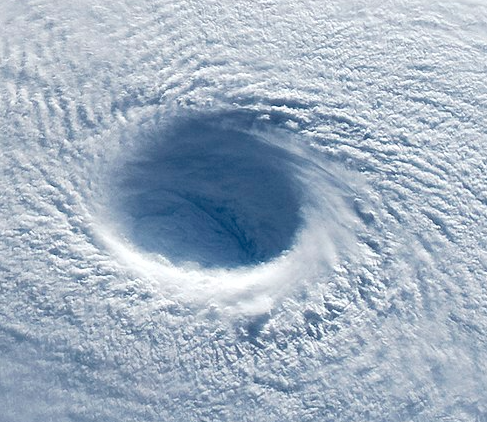
A Cat 5 hurricane is the strongest type of hurricane on the Saffir-Simpson scale. It can cause massive damage and danger to life. Understanding what can survive such storms helps in planning and safety.
Cat 5 hurricanes have extreme winds and heavy flooding. These forces test buildings, trees, and infrastructure. Knowing their effects helps people prepare better.
Wind Speeds And Damage Potential
Cat 5 hurricanes have wind speeds greater than 157 mph (252 km/h). These winds can tear apart most buildings and uproot trees. Roofs can be blown off, and windows can shatter easily.
Only structures built with very strong materials and special designs can survive these winds. Mobile homes and weak buildings usually get destroyed. Even cars and trucks can be flipped or tossed.
- Wind speeds exceed 157 mph
- Strong winds break windows and doors
- Uproots large trees and damages roofs
- Only well-built concrete or steel structures survive
- Weak buildings and trailers are destroyed
Storm Surge And Flooding Effects
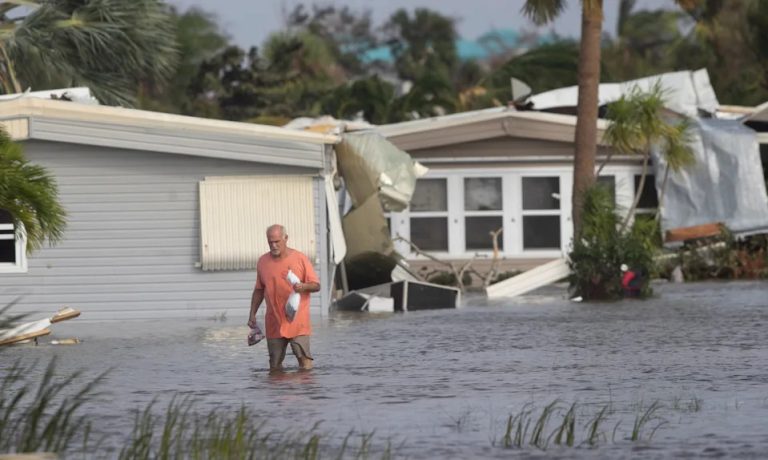
Storm surge is a rise in seawater caused by hurricane winds pushing water onshore. In a Cat 5 hurricane, storm surges can reach over 18 feet (5.5 meters). This floods homes, roads, and land near the coast.
Flooding can damage buildings and cause dangerous conditions. Structures on stilts or built above flood level have a better chance of surviving. Many low-lying areas get completely underwater during these storms.
- Storm surge can exceed 18 feet
- Floods coastal areas and low lands
- Destroys buildings not raised above flood level
- Water damage adds to wind damage
- Elevated homes have better survival chances
Credit: craigkcollins.medium.com
Structures Built To Last
Cat 5 hurricanes bring the strongest winds and heaviest rains. Only certain buildings can survive these storms. These structures use special designs and materials to stay safe.
Understanding how these buildings work helps us prepare better. Engineers and builders focus on strength and durability. They create homes and buildings that protect people and property.
Hurricane-resistant Buildings
Hurricane-resistant buildings have strong frames and shapes. They are made to handle very high winds without falling apart. Roofs are often sloped to reduce wind pressure.
Windows and doors use special shutters or impact-resistant glass. This stops debris from breaking them. These buildings also have strong foundations to avoid flooding and ground movement.
Engineering Innovations
Engineers use new techniques to make buildings stronger. They study wind patterns and forces during hurricanes. This helps them design safer structures.
- Reinforced concrete walls resist cracks and breaks
- Steel frames provide flexible strength
- Elevated homes avoid flood damage
- Roof clips secure roofs to walls tightly
These innovations reduce damage and save lives. They help buildings hold up against the worst storms.
Materials That Withstand Extreme Winds
Materials in hurricane-proof buildings must be strong and flexible. They absorb wind energy without breaking. Builders choose these materials carefully.
- Concrete blocks with steel reinforcement
- Impact-resistant glass for windows
- Pressure-treated wood for framing
- Metal roofing that resists lifting
- Sealants that prevent water leaks
Using the right materials helps buildings last through Cat 5 hurricanes. This protects people and reduces repair costs after storms.
Natural Survivors
Cat 5 hurricanes bring fierce winds and heavy rains. Few living things can survive these strong storms. Some plants and animals have special traits that help them endure.
These natural survivors show how life adapts to harsh weather. They keep ecosystems alive even after the storm passes.
Plants That Endure Hurricanes
Certain plants can resist hurricane damage. Their shape, strength, and growth help them stay rooted and healthy.
- Mangroves:Their strong roots hold soil and reduce erosion.
- Sea Oats:Flexible stems bend but do not break in strong winds.
- Pine Trees:Some pines have deep roots to stay anchored.
- Palms:Their tall, slender trunks sway with the wind.
- Coastal Grasses:These grasses cover sand dunes and protect shorelines.
Animals Adapted To Storms
Many animals survive hurricanes by using special behaviors or shelters. They hide or move to safer places.
| Animal | Survival Strategy |
| Sea Turtles | Swim deep underwater to avoid waves |
| Ospreys | Fly to safer areas far from the storm |
| Crabs | Burrow into sand to stay safe |
| Frogs | Hide in burrows or under leaves |
| Coastal Birds | Find dense trees or cliffs for shelter |

Credit: www.yahoo.com
Human Preparedness And Safety
Cat 5 hurricanes are the strongest storms and can cause serious damage. People must prepare well to stay safe during these events.
Knowing what to do before and during a hurricane can save lives. Being ready helps reduce risks to you and your family.
Effective Evacuation Strategies
Evacuating early is the safest choice if local officials advise it. Planning your route and timing can prevent last-minute problems.
- Check weather updates and alerts daily.
- Pack essential items like water, food, medicines, and important documents.
- Plan your evacuation route and know alternative paths.
- Arrange transportation in advance if needed.
- Inform family or friends about your evacuation plans.
Safe Shelter Options
Choosing the right shelter can protect you during a Cat 5 hurricane. Look for buildings designed to withstand strong winds and flooding.
| Shelter Type | Safety Features | Best Use |
| Storm Shelter | Reinforced walls, underground location | Safe for long storms |
| Community Shelter | Large capacity, emergency supplies | For people without safe homes |
| Safe Room in Home | Windowless, strong doors | Quick access during emergency |
| Designated Public Building | Built to code, emergency power | Temporary refuge during evacuation |
Unbelievable Survival Stories
Cat 5 hurricanes bring the strongest winds and the worst damage. Few things can survive such storms. Yet, some stories show incredible endurance.
These stories teach us what nature and human willpower can withstand. They offer hope and lessons for future disasters.
Real-life Accounts
In 2018, Hurricane Michael hit Florida with winds over 155 mph. A sturdy oak tree survived, standing tall while many around it fell. A wooden church also stood firm despite severe roof damage.
- A house built with reinforced concrete stayed intact.
- A small boat tied to a strong dock did not drift away.
- Emergency shelters made with steel frames protected many people.
Lessons Learned
Building with strong materials helps survival during a Cat 5 hurricane. Trees with deep roots are more likely to stand. People must prepare shelters that resist high winds.
| Lesson | Details |
| Materials | Use concrete, steel, or strong wood |
| Location | Avoid low areas prone to flooding |
| Preparation | Have emergency supplies and a safe place |
| Nature | Deep-rooted trees survive better than shallow ones |
Technology Against Hurricanes
Hurricanes can cause severe damage to homes and cities. Technology helps us prepare for and survive these storms.
Scientists and engineers create tools to protect people and property from strong winds and floods.
Early Warning Systems
Early warning systems use satellites and radar to track hurricanes. They give people time to get ready and stay safe.
These systems send alerts through phones, radios, and TVs. This helps communities evacuate before the storm hits.
- Satellite images show storm paths
- Radar detects rain and wind speed
- Emergency alerts reach the public quickly
Innovative Protective Measures
Engineers design buildings and structures to resist hurricane damage. Strong materials and special shapes help them survive high winds.
Flood barriers and seawalls protect areas from water damage. New technology also improves power systems to keep electricity on.
- Storm-resistant windows and doors
- Elevated homes to avoid flooding
- Seawalls and levees block floodwaters
- Backup power systems for emergencies

Credit: www.yahoo.com
Frequently Asked Questions
What Structures Can Withstand A Cat 5 Hurricane?
Hurricane-resistant buildings with reinforced concrete and steel frames can survive Cat 5 storms. Proper engineering and materials are key for durability against extreme winds and flying debris.
Can Trees Survive A Category 5 Hurricane?
Only deep-rooted, flexible trees like palm trees have a chance to survive. Most trees suffer severe damage or are uprooted due to intense winds.
Are Vehicles Safe During A Cat 5 Hurricane?
Vehicles are highly vulnerable and usually sustain major damage or are swept away. Securing vehicles in garages or storm shelters is essential for protection.
What Personal Items Can Survive A Cat 5 Hurricane?
Small, waterproof, and sturdy items like sealed documents and electronics in protective cases can survive. Most loose belongings are at high risk of damage or loss.
Conclusion
A Cat 5 hurricane tests the limits of nature and man-made things. Only the strongest structures and some natural elements survive the fierce winds and flooding. People must prepare well and respect these storms’ power. Safety comes first. Knowing what can last helps us plan better and stay safe.
Nature shows both strength and fragility in these events. Stay informed, stay ready, and never underestimate a Cat 5 hurricane’s force.