What Ship is Best Able to Survive a Hurricane: Ultimate Guide
When the stormy seas rage and the skies unleash their fury, the question arises: What ship is best able to survive a hurricane? As someone who values safety and the thrill of ocean exploration, you might find yourself pondering this crucial question.
Whether you’re a seasoned sailor, an adventurous traveler, or someone curious about maritime marvels, understanding which vessel can withstand nature’s most powerful tempests is vital. Imagine the peace of mind that comes with knowing you or your loved ones are on the safest ship possible.
Join us as we delve into the fascinating world of ship design, technology, and resilience, revealing which ships are most equipped to weather the storm. Stay with us and discover how maritime innovation can keep you safe on the high seas.

Credit: www.yahoo.com
Types Of Ships In Hurricanes
Hurricanes create very dangerous conditions at sea. Different ships face storms in many ways. Some ships are built stronger to survive big waves and strong winds.
Understanding how each type of ship handles hurricanes helps to know which can stay safe. Ship design and purpose change how well they manage storms.
Cargo Ships
Cargo ships carry goods across oceans. They are large and heavy, which helps them stay steady in rough seas. Their strong hulls resist damage from waves.
These ships often avoid hurricanes by changing their routes. If caught, they slow down and face the waves head-on to keep balance.
Passenger Ships
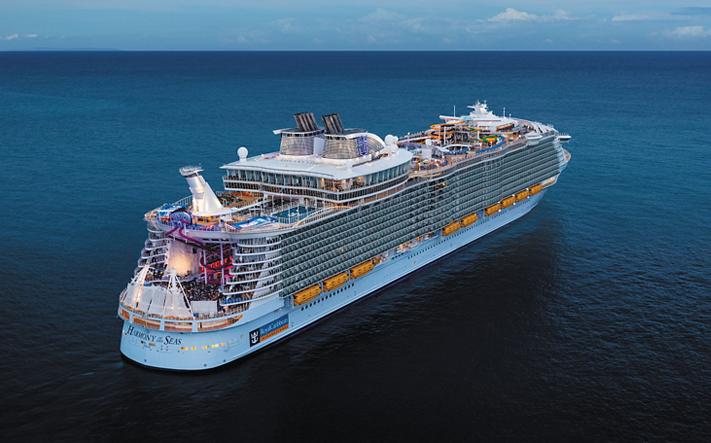
Passenger ships include cruise ships and ferries. They have many safety features to protect people inside. Their size and design help them handle heavy winds and waves.
Crew members watch weather reports closely. They often delay trips or move to safe ports to avoid hurricanes.
Fishing Vessels
Fishing vessels are usually smaller than cargo or passenger ships. Their smaller size makes them more vulnerable in hurricanes. They rely on quick decisions to leave storm areas fast.
Some fishing boats are built to be tough, but many seek shelter early to avoid danger.
Military Ships
Military ships are strong and built for harsh conditions. They have advanced technology to detect storms early. Their design allows them to cut through big waves with speed and power.
These ships can change course or speed quickly to avoid the worst parts of a hurricane. Their crew trains to handle emergencies during storms.
Research Vessels
Research vessels study the ocean and weather. They are built to stay safe in many sea conditions. Some are specially designed to survive storms and collect data during hurricanes.
These ships use strong hulls and stabilizers to reduce rocking. They prepare carefully before going near hurricane areas.
Key Features For Hurricane Survival
Ships face great challenges during hurricanes. Strong waves and fierce winds test a ship’s design and technology. Choosing the right ship helps protect the crew and cargo.
This guide explains key features that help ships survive hurricanes. These features include hull strength, stability, size, engine power, and navigation tools.
Hull Strength And Design
A strong hull protects the ship from breaking in rough seas. Ships built with thick steel and special shapes handle waves better. Rounded hulls reduce wave impact and stress.
Double hulls add extra safety by preventing leaks if the outer hull breaks. Reinforced frames inside the hull also make the ship tougher.
- Thick steel hulls resist strong waves
- Rounded shapes reduce wave damage
- Double hulls provide extra protection
- Reinforced internal frames add strength
Stability And Ballast Systems
Stability helps a ship stay upright in big waves. Ballast systems fill tanks with water to balance the ship. Good stability reduces the risk of capsizing.
Advanced ballast controls adjust the water level quickly. This keeps the ship steady even in sudden storms.
- Ballast tanks add weight for balance
- Automatic controls adjust ballast fast
- Improved stability prevents tipping
Size And Weight Considerations
Larger ships handle big waves better than small ones. Heavy ships resist being pushed by strong winds. Size and weight help ships stay on course.
Very small ships risk being tossed around. Very large ships need strong engines to move safely.
- Large size improves wave handling
- Heavy weight resists wind force
- Balance between size and engine power is key
Engine Power And Maneuverability
Strong engines help ships fight against storm winds and currents. Good maneuverability allows quick course changes to avoid danger. Engines must work well under pressure.
Ships with powerful engines can keep steady speed. This control helps them avoid the worst parts of the storm.
- Powerful engines push through strong winds
- Good steering helps avoid obstacles
- Reliable engine performance in tough conditions
Weather And Navigation Technology
Modern weather tools warn ships about hurricanes early. GPS and radar help track the storm’s path. Accurate data lets crews plan safe routes.
Technology also helps ships communicate with rescue teams. Staying connected improves safety during emergencies.
- Early hurricane warnings from weather tech
- GPS and radar for precise navigation
- Communication systems for emergency support
Comparing Ship Materials
Ships face strong winds and huge waves during hurricanes. The material of a ship affects its ability to survive. Some materials are stronger and last longer in storms.
We will look at steel, aluminum, composite materials, and wood. Each has pros and cons for hurricane survival.
Steel Vs. Aluminum
Steel is very strong and heavy. It can handle big waves and strong winds well. Steel ships are tough but can rust over time.
Aluminum is lighter than steel. It does not rust but can bend or dent more easily. Aluminum ships are faster but less strong in storms.
- Steel: strong, heavy, can rust
- Aluminum: light, rust-free, less strong
Composite Materials
Composite materials mix different parts like plastic and glass fibers. They are light and strong. Composites do not rust or rot.
They are good in rough seas but can crack under very strong impacts. Composite ships need careful design to be safe in hurricanes.
- Lightweight and strong
- Resistant to rust and rot
- May crack under heavy impact
Wooden Ships
Wooden ships are old style and look nice. Wood floats well and is flexible. It can bend in waves without breaking.
Wood can rot or get damaged by water. Wooden ships need a lot of care and repair after storms. They are less strong than metal or composite ships.
- Flexible and floats well
- Can rot or suffer water damage
- Needs frequent repairs

Credit: www.yahoo.com
Hurricane Preparedness For Ships
Ships face great risks during hurricanes. Strong winds and high waves can damage vessels.
Proper planning helps ships survive these storms. Crew and equipment must be ready.
Evacuation Protocols
Every ship needs clear evacuation rules. These ensure crew safety if the ship is unsafe.
Evacuation plans include lifeboat use and safe zones. Timely orders save lives.
- Check lifeboats and life jackets regularly
- Assign crew roles before storms arrive
- Practice evacuation drills often
- Communicate clearly during emergencies
Securing Cargo And Equipment
Loose cargo can cause damage during rough seas. Secure all items tightly before storms.
Proper securing prevents shifting that can unbalance the ship. Equipment should be fastened.
- Use strong straps and nets on cargo
- Lock down all deck equipment
- Cover sensitive gear to prevent water damage
- Double-check all fastenings before the hurricane
Crew Training And Safety Measures
Well-trained crews handle hurricanes better. Training prepares them for tough conditions.
Safety measures include wearing proper gear and following emergency steps exactly.
- Train crew on storm navigation
- Practice emergency communication
- Ensure all know safety equipment locations
- Review storm procedures regularly
Case Studies Of Ships In Hurricanes
Hurricanes are powerful storms that test the strength of ships. Some ships survive these storms well. Others do not.
Studying ships that faced hurricanes helps us learn which types are best built to survive. It also shows what mistakes to avoid.
Successful Survival Stories
The USS Hurricane, a weather ship, survived several hurricanes in the 1950s. Its strong hull and design helped it stay stable.
The cargo ship SS El Faro faced Hurricane Joaquin in 2015. Though it sank, the crew used safety drills and equipment that saved many lives.
- The USS Hurricane had a reinforced hull to resist strong waves.
- SS El Faro had watertight compartments to slow flooding.
- Good training and communication helped crews stay safe.
Ships Lost To Hurricanes
The SS Central America sank in 1857 during a hurricane. It was a wooden ship not built for strong storms.
The cargo ship Andrea Gail was lost in the 1991 Perfect Storm. It lacked modern weather tracking and faced waves over 30 feet high.
- Older wooden ships often could not survive intense winds and waves.
- Lack of weather information increased risk.
- Poor ship design and maintenance contributed to losses.
Lessons Learned
Strong hulls and watertight compartments help ships survive hurricanes. Steel ships are better than wooden ones.
Good weather tracking and early warnings give crews time to prepare or avoid storms. Training is also very important.
- Use steel or reinforced materials for hulls.
- Install watertight compartments to prevent flooding.
- Equip ships with modern weather tracking tools.
- Train crews regularly for emergency situations.

Credit: theboatgalley.com
Technological Advances Aiding Survival
Ships face extreme danger during hurricanes. Technology helps them survive by improving safety and control. New tools give crews better information and stability to handle rough seas.
This article covers three key technologies that help ships survive hurricanes. These are real-time weather tracking, automated stability systems, and enhanced communication tools.
Real-time Weather Tracking
Real-time weather tracking lets ships receive constant updates on storms. It helps crews avoid dangerous areas and plan safer routes. Satellites and radar provide accurate data even far from land.
- Satellite images show storm size and path
- Radar detects changes in wind and rain
- Weather alerts warn about sudden shifts
- GPS systems help track ship location
Automated Stability Systems
Automated stability systems keep ships balanced in rough seas. Sensors measure the ship’s tilt and movement. Computers adjust ballast tanks and stabilizers to reduce rolling and pitching.
| System | Function | Benefit |
|---|---|---|
| Gyroscopic Stabilizers | Counteract rolling motions | Reduce side-to-side sway |
| Ballast Control | Adjust water in tanks | Keep the ship level |
| Active Fins | Extend from hull to steady ship | Minimize pitching and rolling |
Enhanced Communication Tools
Good communication is vital during storms. Ships use advanced radios and satellite phones to stay in touch with rescue teams and ports. This helps coordinate help if needed.
Key communication tools include:
- Satellite phones for global coverage
- Digital radios with clear signals
- Automatic Identification Systems (AIS) to track nearby vessels
- Emergency beacons that send distress signals
Future Trends In Ship Design For Storm Resilience
Ships face great challenges during hurricanes. Designers work to make ships stronger and safer.
New ideas help ships survive strong storms better than before.
Innovative Hull Shapes
Hull shapes affect how a ship moves through water and handles waves. New hull designs help reduce damage in storms.
- Wave-piercing bows cut through waves to reduce impact.
- Rounded hulls improve stability in rough seas.
- Catamaran designs spread weight for better balance.
- Hydrodynamic shapes lower resistance and increase control.
Smart Materials
Smart materials adjust to conditions and repair themselves. They help ships stay strong during storms.
| Material | Benefit | Use in Ships |
| Shape-memory alloys | Return to original form | Hull repairs |
| Self-healing polymers | Fix small cracks automatically | Coatings and panels |
| Carbon fiber composites | Lightweight and strong | Structural parts |
| Nano-coatings | Resist water and corrosion | Exterior surfaces |
Sustainable And Resilient Technologies
Ships use new technology to save energy and resist damage. Sustainability helps protect oceans too.
- Renewable energy systems like solar panels reduce fuel use.
- Advanced sensors monitor ship health in real time.
- Flood barriers and water-tight compartments limit storm damage.
- Recyclable materials reduce waste from repairs.
Frequently Asked Questions
What Type Of Ship Best Survives Hurricanes?
Bulk carriers and oil tankers with strong hulls best survive hurricanes. Their heavy build and stability help withstand high winds and rough seas.
How Do Ship Designs Improve Hurricane Survival?
Ships with rounded hulls and lower profiles reduce wind resistance. Reinforced structures and watertight compartments prevent flooding and structural damage during storms.
Can Modern Technology Help Ships Survive Hurricanes?
Yes, modern technology like weather radar and GPS aids navigation around storms. Advanced materials and structural engineering also enhance ship durability in hurricanes.
Why Are Cargo Ships Vulnerable In Hurricanes?
Cargo ships face risk due to large surface areas exposed to wind. Improperly secured cargo can shift, causing instability and increasing capsizing risk during hurricanes.
Conclusion
Strong, well-built ships handle hurricanes best. Large hulls and deep keels give stability. Advanced navigation helps avoid the worst waves. Crew training also plays a key role in safety. Smaller boats often struggle against fierce storms. Choosing the right ship can save lives and cargo.
Storm-resistant ships show how design meets nature’s challenge. Always prioritize safety and preparation before sailing near hurricanes. The sea is powerful, but smart choices make a difference.