How Do Seals Survive in the Cold Weather: Incredible Adaptations Revealed
Have you ever wondered how seals manage to thrive in icy, unforgiving waters? As temperatures drop and icy winds blow, these remarkable creatures seem to flourish.
The secret to their survival lies in their incredible adaptations. Dive into the fascinating world of seals and uncover the mysteries behind their resilience in the cold. By understanding these survival tactics, you might just gain a new appreciation for these remarkable marine mammals.
Stick around and discover how seals have turned the harshest environments into their home sweet home.
Seal Habitat And Climate
Seals live in cold places where ice and snow cover the land and sea. Their habitats include the Arctic and Antarctic regions. These places have harsh weather and freezing temperatures.
Understanding where seals live helps us know how they survive the cold. Their bodies and behaviors adapt to these tough climates.
Cold Regions Inhabited By Seals
Seals mostly live in the Arctic and Antarctic. The Arctic is in the north near the North Pole. The Antarctic is in the south near the South Pole. Both places have sea ice where seals rest and hunt.
- Arctic seals include the ringed seal and harp seal.
- Antarctic seals include the Weddell seal and crabeater seal.
- Some seals live near icy coastlines and islands.
- Seals often stay close to water for food and safety.
Challenges Of Arctic And Antarctic Environments
Seals face many challenges in cold places. The air and water are freezing. Ice moves and breaks, changing their home. Food can be hard to find under the ice.
| Challenge | How Seals Cope |
| Freezing temperatures | Thick blubber and dense fur keep heat inside. |
| Moving ice | Seals use breathing holes and cracks to surface. |
| Finding food | Seals dive deep to catch fish and squid. |
| Predators like polar bears | Seals stay alert and use ice for cover. |

Credit: www.cbc.ca
Physical Adaptations
Seals live in very cold places. Their bodies have special features. These features help them stay warm and survive.
These physical traits protect seals from the harsh weather. They keep seals warm in icy water and freezing air.
Thick Blubber For Insulation
Seals have a thick layer of fat under their skin. This fat is called blubber. Blubber keeps their bodies warm by trapping heat.
- Blubber can be several inches thick.
- It acts like a cozy blanket.
- It helps seals float in water.
- Blubber stores energy for cold times.
Dense Fur And Skin Properties
Seals have dense fur that helps block cold air. Their skin is also tough and water-resistant. This keeps them dry and warm.
| Feature | Benefit |
|---|---|
| Dense fur | Blocks cold wind and traps warmth |
| Water-resistant skin | Keeps body dry and prevents heat loss |
| Oil glands | Keep fur shiny and water-repellent |
Streamlined Body Shape
Seals have smooth, streamlined bodies. This shape helps them swim fast and easily through cold water. It also reduces heat loss.
Their shape helps seals save energy. Less energy is lost fighting water resistance. This keeps their body temperature stable.
Behavioral Strategies
Seals live in very cold places. They use smart behaviors to stay warm and safe. These actions help them survive in harsh weather.
Seals do not only rely on their bodies. Their behaviors play a big role in handling cold temperatures.
Huddling And Social Thermoregulation
Seals gather close to each other to keep warm. Huddling reduces heat loss by sharing body heat.
This behavior helps especially baby seals. They stay safe inside groups during freezing weather.
- Seals form tight groups on ice or land
- Body contact lowers exposure to cold air
- Social warmth keeps pups alive in harsh cold
Seasonal Migration Patterns
Many seals move to warmer places during the coldest months. Migration helps them find food and better temperatures.
They travel long distances to avoid the worst cold. This behavior helps seals survive winter months.
- Seals migrate to coastal areas with milder weather
- They follow food sources like fish and squid
- Migration reduces energy spent on keeping warm
Breathing And Diving Techniques
Seals control their breathing to save energy and stay warm. They hold their breath during long dives under cold water.
This helps seals avoid cold air and conserve oxygen. Diving deep also protects them from icy surface winds.
- Seals take slow, deep breaths before diving
- They reduce oxygen use during long dives
- Diving helps avoid cold surface temperatures

Credit: medium.com
Physiological Mechanisms
Seals live in cold places with icy water and snow. Their bodies use special ways to stay warm and survive.
They have unique body functions that help them handle the cold weather well.
Metabolic Rate Adjustments
Seals change how fast their bodies use energy. They raise their metabolism to make more heat.
This higher metabolic rate helps keep their body temperature steady in cold places.
Blood Flow Regulation
Seals control their blood flow to keep warm. They send more blood to their core body parts.
They reduce blood flow to their skin and extremities to save heat and avoid frostbite.
- More blood to vital organs keeps them warm
- Less blood to the skin reduces heat loss
- Blood vessels tighten to keep heat inside
Oxygen Storage And Usage
Seals store extra oxygen in their muscles and blood. This lets them dive long without breathing.
They use oxygen slowly to save energy and keep body heat during long dives in cold water.
- High myoglobin in muscles holds oxygen
- Large blood volume stores more oxygen
- Slow oxygen use reduces energy loss
Reproductive Adaptations
Seals have special ways to keep their babies safe in cold weather. Their bodies and behaviors help pups survive icy conditions.
These adaptations help seals reproduce successfully despite harsh cold climates. They protect both mother and pup during birth and early life.
Birthing On Ice
Seals give birth on ice or snowy land to protect their pups from cold water. Mothers find safe spots with stable ice.
- Seals build dens or use cracks in the ice for shelter.
- The mother stays close to the pup to keep it warm.
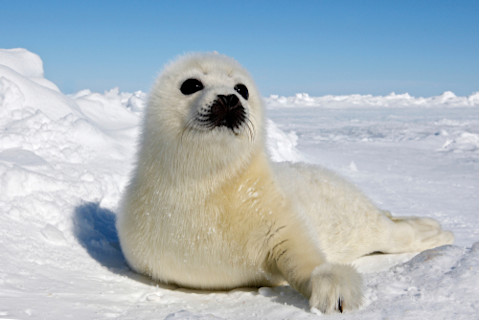
- Thick fur on the pup helps trap heat.
- Birth timing matches the coldest months so pups grow before winter ends.
Pup Development In Cold Conditions
Pups grow fast and develop thick blubber to stay warm. Their bodies change quickly to handle cold temperatures.
| Development Stage | Adaptation | Purpose |
| Newborn | Thick fur | Keeps warm outside water |
| First Weeks | Rapid blubber growth | Stores heat and energy |
| Swimming Start | Waterproof coat | Protects from cold water |
| Weaning | Increased fat layers | Prepares for cold ocean life |
Comparisons With Other Marine Mammals
Seals live in cold ocean waters where they face freezing temperatures. They have unique traits that help them survive. Comparing seals with whales and dolphins shows both differences and shared features.
This comparison helps us understand how these marine mammals adapt to cold weather in their own ways.
Differences From Whales And Dolphins
Seals are different from whales and dolphins in how they keep warm. They have thick fur and a layer of fat called blubber. Whales and dolphins rely mostly on thick blubber. Seals also have flippers that help them move on land, unlike whales and dolphins.
- Seals have dense fur for extra insulation.
- Whales and dolphins have very little or no fur.
- Seals can come on land; whales and dolphins cannot.
- All have thick blubber, but seals use fur too.
- Seals’ body shape is different for land movement.
Shared Cold-weather Traits
Seals, whales, and dolphins share some ways to survive cold waters. They all have a thick layer of blubber under their skin. This fat keeps heat inside their bodies. They also slow their heart rates to save energy in cold water.
| Trait | Seals | Whales and Dolphins |
| Blubber thickness | Thick | Very thick |
| Fur | Dense fur | None or very little |
| Land mobility | Can move on land | Cannot move on land |
| Heart rate in cold | Slows down | Slows down |
| Body shape | Streamlined, but flexible | Streamlined for swimming |

Credit: www.wildlifenomads.com
Frequently Asked Questions
How Do Seals Keep Warm In Freezing Water?
Seals have a thick layer of blubber that insulates their bodies. This fat traps heat and protects them from cold water temperatures. Their dense fur also helps retain warmth when they are on land or ice.
What Role Does Blubber Play In Seal Survival?
Blubber acts as an energy reserve and thermal insulator. It keeps seals warm by reducing heat loss in icy environments. This thick layer also cushions their bodies during deep dives and harsh weather.
How Do Seals Adapt Their Behavior In Cold Weather?
Seals reduce activity to conserve energy during extreme cold. They often huddle together to share body heat. Additionally, seals haul out on ice or land to avoid prolonged exposure to freezing water.
Can Seals Regulate Their Body Temperature Internally?
Yes, seals have specialized blood flow that conserves heat. They constrict blood vessels near the skin to minimize heat loss. This physiological adaptation helps maintain a stable core temperature in cold conditions.
Conclusion
Seals stay warm by using thick blubber under their skin. Their fur also helps block cold water and wind. They swim in cold seas but keep their body heat. Seals slow their heart rate to save energy. They find shelter on ice or land to rest.
These smart animals adapt well to harsh weather. Their bodies are made for cold, not heat. Seals show how animals survive and thrive in cold. Nature’s design helps them live strong every day.