Can Fleas Survive in Cold Weather: Shocking Truth Revealed
When the temperature drops and winter sets in, you might think you’re finally safe from the relentless annoyance of fleas. After all, cold weather seems like the perfect enemy for these pesky parasites, right?
But before you cozy up in your warm sweater, there’s something you need to know. Fleas are more resilient than they appear, and they might just surprise you with their ability to survive the chill. We’re going to reveal the truth about fleas and cold weather, clearing up misconceptions and giving you the facts you need.
Ready to protect your home and pets from an unexpected flea invasion this winter? Keep reading to discover what you need to do to stay one step ahead.
Flea Biology And Cold Tolerance
Fleas are small insects that live on animals and feed on their blood. They can cause itching and discomfort to pets and people.
Understanding how fleas survive cold weather helps control them better during winter months.
Flea Life Cycle Basics
Fleas go through four main stages: egg, larva, pupa, and adult. Each stage has different needs and vulnerabilities.
Eggs hatch into larvae, which feed on organic debris. After growing, larvae spin cocoons and enter the pupal stage before becoming adults.
- Eggs are tiny and laid on the host or nearby
- Larvae avoid light and need organic material to survive
- Pupae stay in cocoons and wait for the right conditions
- Adults seek animals to feed and reproduce
How Temperature Affects Flea Activity
Fleas are more active in warm temperatures between 70°F and 85°F. Cold weather slows their growth and activity.
Below 50°F, flea development nearly stops. Adults become less active, and eggs and larvae grow very slowly or die.
- Warm weather speeds up flea reproduction
- Cold weather reduces flea movement and feeding
- Extreme cold can kill some flea stages
- Fleas hide indoors to avoid cold outside
Adaptations To Cold Environments
Fleas survive cold by entering a dormant state in the pupal stage. They stay protected inside their cocoons for months.
Fleas also hide in warm places like animal fur or indoor cracks. This helps them avoid freezing temperatures.
- Pupal cocoons protect fleas from cold and drying out
- Hiding on hosts keeps fleas warm during winter
- Slowed metabolism helps fleas survive low temperatures
- Fleas resume activity quickly when it warms up
Fleas In Winter Conditions
Fleas are small insects that can live in many places. Many people wonder if fleas survive cold weather.
This article explains how fleas behave in winter and what helps them survive cold months.
Survival Strategies During Cold Months
Fleas use special ways to survive cold weather. They do not die easily in winter.
Fleas find warm places to stay, like inside animal fur or homes. They slow down their activity to save energy.
- Hiding in animal fur to stay warm
- Finding cracks or shaded places outdoors
- Slowing their life cycle and activity
- Using eggs and larvae that resist cold
Impact Of Snow And Ice
Snow and ice make it hard for fleas to live outside. Cold temperatures can kill many fleas exposed to these conditions.
Snow can cover flea habitats and block their food sources. But fleas inside animals or homes stay safe from ice and snow.
- Snow lowers flea activity outdoors
- Ice can kill fleas exposed directly
- Snow cover protects some flea eggs
- Fleas survive better inside animals than outside
Indoor Vs Outdoor Flea Presence
Fleas live differently indoors and outdoors in winter. Indoor fleas have warmer conditions to survive.
Outdoor fleas face harsh cold and less food. Inside, fleas find pets and warm spots to keep living through winter.
- Indoor fleas stay active near pets
- Outdoor fleas hide in soil or leaf litter
- Winter indoor fleas can still bite animals
- Outdoor flea numbers drop in cold months
Common Myths About Fleas And Cold Weather
Many people think fleas cannot live in cold weather. Some believe freezing temperatures kill all fleas. These ideas are not always true. Fleas can survive in many conditions.
This article explains what really happens to fleas during cold weather. It clears up myths and shows how fleas behave in winter.
Do Fleas Die In Winter?
Fleas do not always die in winter. They find warm places to live. Fleas can hide in homes, on pets, or in animal nests. These places protect them from cold.
Outside, fleas may die if it gets very cold for a long time. But many fleas survive winter by staying in protected spots.
Effectiveness Of Freezing Temperatures
Freezing temperatures can kill fleas, but only if the cold is strong and lasts long. A short freeze does not stop fleas from living.
Fleas in soil or leaf litter survive better than those on pets. The ground keeps them warmer than the air. This helps fleas live through cold months.
- Freezing below 32°F (0°C) for days may kill fleas
- Brief cold snaps usually don’t kill fleas
- Fleas in sheltered places survive better
Flea Behavior Changes In Cold
Fleas become less active in cold weather. They stop biting and reproducing as much. This helps them save energy and survive longer.
Fleas hide in warm spots during winter. They wait for warmer weather to become active again. This behavior helps them avoid death in cold seasons.
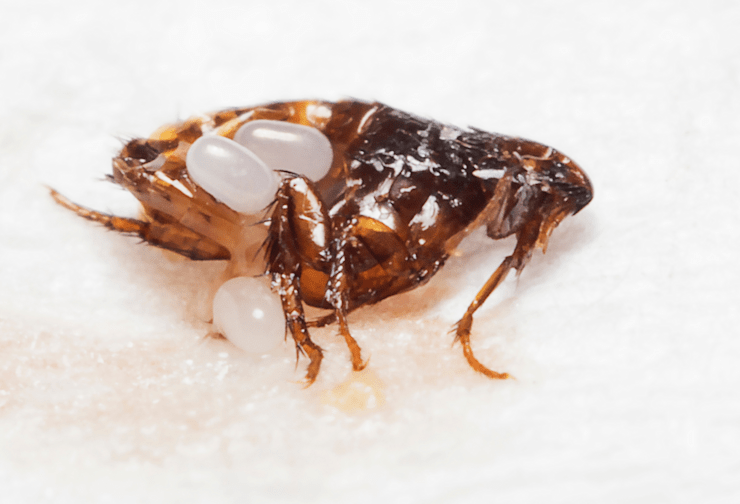
Credit: www.itchpet.com
Preventing Fleas During Cold Seasons
Fleas can survive in cold weather by hiding in warm places. Stopping them early helps keep your home and pets safe.
Use simple steps to prevent fleas during winter. Protect your pets and home from these pests all year long.
Pet Care Tips For Winter
Keep your pets warm and check them often for fleas. Fleas hide in fur and skin, so regular grooming helps.
- Brush your pet daily to spot fleas early
- Wash pet bedding in hot water weekly
- Keep pets indoors during very cold weather
- Check your pet’s skin for flea bites or irritation
- Use flea combs to remove fleas and eggs
Home Maintenance To Reduce Fleas
Fleas hide in carpets, furniture, and cracks in floors. Clean your home often to reduce flea places.
| Action | Why It Helps |
| Vacuum carpets and rugs | Removes flea eggs and larvae |
| Wash pet bedding | Kills fleas and stops growth |
| Seal cracks in floors and walls | Blocks flea hiding spots |
| Keep outdoor areas clean | Reduces flea breeding grounds |
Using Flea Treatments Year-round
Flea treatments work best if you use them every season. Fleas can survive indoors even in cold months.
- Apply flea medication monthly as directed
- Use flea collars or spot treatments for pets
- Consult your vet for the best products
- Treat all pets in the home to prevent spread
When To Seek Professional Help
Fleas can survive cold weather by hiding in warm places. Sometimes, fleas multiply fast and cause big problems. It is important to know when to get help from experts.
Using home treatments alone may not stop severe flea infestations. Professionals use special tools and treatments to remove fleas safely and quickly.
Signs Of Severe Flea Infestation
Severe flea infestations show clear signs. You may see many fleas on pets or in your home. Pets may scratch or bite themselves a lot.
- Pets have constant itching and hair loss
- Small black dots appear on pet bedding or carpet
- Fleas jump on people or animals often
- You notice flea dirt or eggs in pet fur
- Multiple pets or family members have flea bites
Choosing Pest Control Services
Select a pest control service with experience in flea removal. Ask if they use safe and effective treatments. Check for good reviews and licenses.
Professional services can treat your home and yard. They may offer follow-up visits to ensure fleas are gone. Choose a company that explains their process clearly.
- Look for licensed pest control companies
- Ask about flea treatment methods used
- Check for positive customer feedback
- Confirm if they cover indoor and outdoor areas
- Request information on safety for pets and children
Long-term Flea Management Plans
Long-term flea control needs regular cleaning and treatment. Professionals can help create a plan that fits your home and pets. This plan reduces flea problems over time.
Plans often include regular pet treatments, home cleaning tips, and yard care. Follow these steps to keep fleas from coming back after treatment.
- Use veterinarian-recommended flea preventatives on pets
- Vacuum floors and furniture often
- Wash pet bedding weekly in hot water
- Keep grass and bushes trimmed outside
- Schedule regular pest control visits
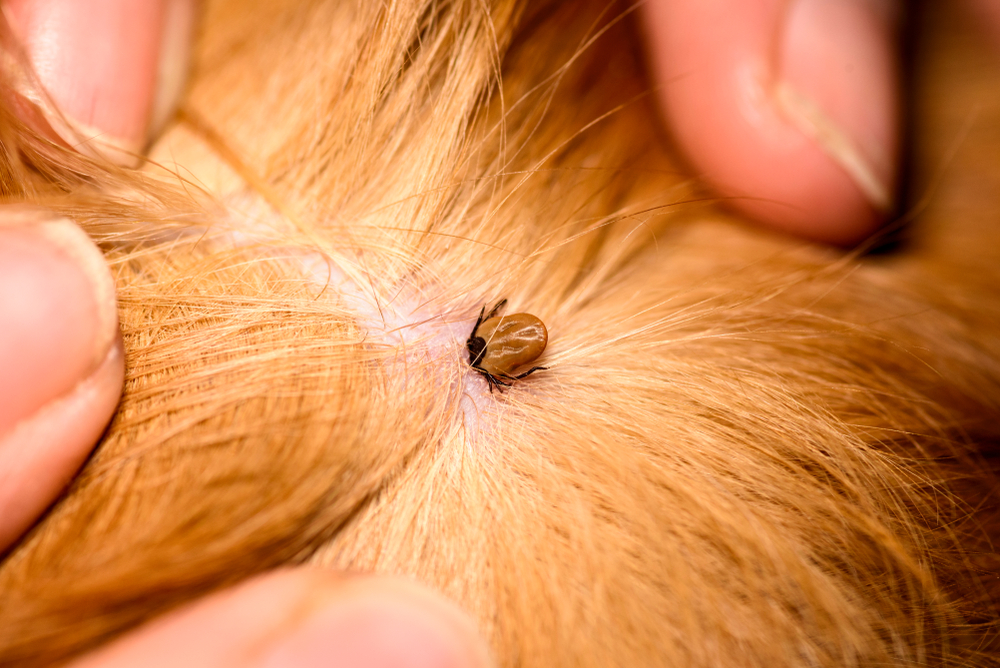
Credit: emeraldanimal.com
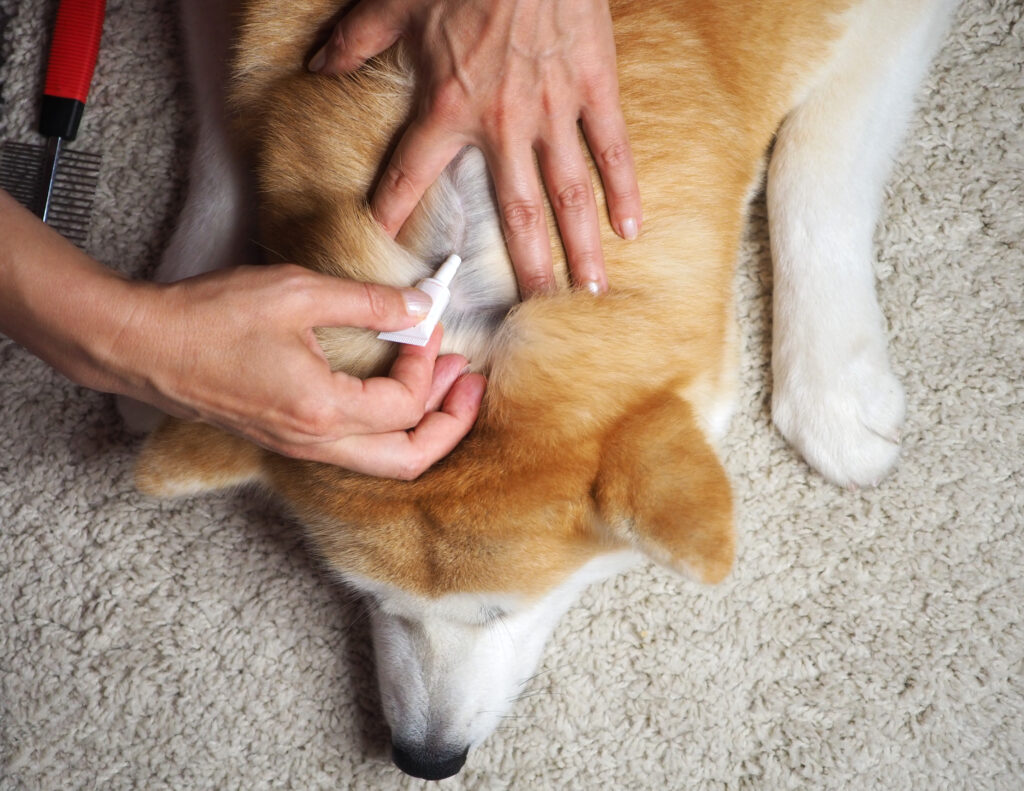
Credit: harlingenveterinaryclinic.com
Frequently Asked Questions
Can Fleas Survive In Freezing Temperatures?
Fleas can survive cold weather by hiding in warm places like animal fur or indoor areas. Extreme cold kills many fleas, but some survive by entering a dormant state.
How Do Fleas Adapt To Cold Climates?
Fleas adapt by slowing their metabolism and seeking shelter on hosts or inside homes. This helps them avoid harsh outdoor cold and survive until warmer conditions return.
Does Cold Weather Kill Flea Eggs And Larvae?
Cold weather can reduce flea egg and larva survival, but it rarely kills them all. Eggs and larvae in protected environments like carpets or pet bedding often survive cold spells.
Are Fleas Less Active During Winter Months?
Yes, fleas are less active in winter but do not disappear. They remain in dormant stages or on warm hosts, waiting for favorable conditions to become active again.
Conclusion
Fleas can survive cold weather better than many expect. They hide in warm places like carpets and pet fur. Cold alone does not stop them from living or breeding. Controlling fleas requires more than just waiting for winter. Keep your home and pets clean to reduce fleas year-round.
Remember, cold weather slows fleas but does not kill them all. Staying vigilant helps protect your family and pets from flea problems.