How Do Polar Bears Survive in the Cold Weather: Incredible Adaptations Revealed
Have you ever wondered how polar bears manage to thrive in the icy wilderness of the Arctic? Picture this: frigid winds, vast expanses of snow and ice, and temperatures that plunge well below freezing.
Yet, amidst these harsh conditions, polar bears not only survive but thrive. How do they do it? Understanding the secrets of their survival isn’t just fascinating—it’s a glimpse into nature’s incredible adaptations. By uncovering how polar bears endure such extreme cold, you gain insights into their world, and perhaps even learn some surprising lessons about resilience and adaptation.
Are you curious to discover the amazing strategies these majestic creatures use to stay warm and hunt effectively? Read on to uncover the remarkable story of polar bear survival in the coldest places on Earth.
Polar Bear Habitat
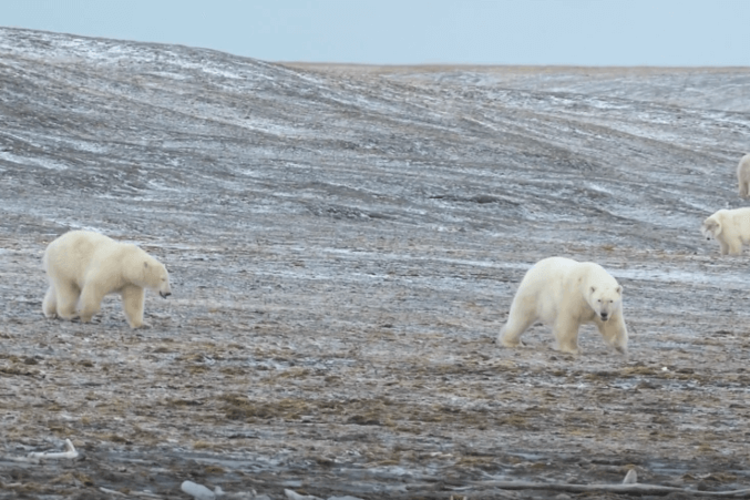
Polar bears live in the Arctic, one of the coldest places on Earth. They survive the harsh cold by living where they can find food and shelter.
Their habitat is mainly on sea ice and along the Arctic coastlines. This environment provides them with seals to eat and areas to rest.
Arctic Environment
The Arctic is a frozen ocean covered with sea ice most of the year. It has very low temperatures and strong winds. The ice is the home for polar bears and their prey.
- Sea ice is crucial for polar bears to hunt seals.
- The land near the sea offers places to walk and rest.
- Cold air and snow keep the environment icy and frozen.
- Long winters and short summers define the Arctic year.
Seasonal Changes
The Arctic changes with the seasons. Ice grows in winter and melts in summer. Polar bears must adapt to these shifts to survive.
| Season | Ice Coverage | Polar Bear Activity |
| Winter | Maximum ice coverage | Active hunting on sea ice |
| Spring | Ice begins to melt | Hunting and raising cubs |
| Summer | Minimum ice coverage | Resting on land or ice floes |
| Fall | Ice starts to form again | Preparing for hunting season |
Credit: polarbearsinternational.org
Thick Fur And Skin
Polar bears live in very cold places. Their thick fur and skin help keep them warm. These special features protect them from freezing temperatures.
The fur and skin work together to trap heat and block cold wind. This allows polar bears to stay active in icy weather.
Double-layered Fur
Polar bears have two layers of fur. The outer layer is made of long, coarse hairs. It helps shed water and ice.
The inner layer is soft and dense. It traps warm air close to the skin. This keeps the bear warm even in freezing cold.
- Outer fur is waterproof and sheds ice.
- Inner fur traps heat near the skin.
- Both layers work to keep the bear warm.
Black Skin Benefits
Under the fur, polar bears have black skin. Black color absorbs heat from sunlight. This helps the bear stay warm.
The black skin works like a solar panel. It collects heat and stops it from escaping. This adds extra warmth in cold weather.
Insulating Fat Layer
Polar bears live in very cold places. Their thick fat layer helps keep them warm. This fat acts like a blanket under their skin.
The fat layer stops heat from leaving the bear’s body. It keeps the cold air and water away from their skin.
Blubber Thickness
Polar bears have a thick layer of blubber under their skin. It can be up to 4.5 inches (11.5 cm) thick. This thick fat blocks the cold.
The blubber also helps polar bears float in icy water. It keeps their body temperature steady in freezing weather.
Energy Storage
The fat layer stores energy for polar bears. They use this energy when food is hard to find. It helps them survive long winters.
When polar bears fast, their body burns this stored fat. This process keeps them alive and warm during cold times.
Body Shape And Size
Polar bears have special body shapes that help them stay warm. Their size and shape reduce heat loss in cold weather.
Understanding their body design explains how they survive freezing Arctic temperatures.
Compact Body Design
Polar bears have a compact body with short ears and tail. This shape lowers heat loss by reducing exposed skin.
- Short ears and tail keep heat inside.
- Thick fur covers their body tightly.
- Strong muscles and fat keep warmth.
- Rounded body parts reduce cold air exposure.
Small Surface Area
Polar bears have a small surface area compared to their volume. This helps them keep body heat.
| Feature | Benefit |
| Small ears | Less heat lost from body |
| Short tail | Reduces surface exposed to cold |
| Large body size | More fat to keep warm |
| Thick fur | Protects skin from cold air |
Hunting And Diet
Polar bears live in very cold places. They need special ways to find food and stay strong.
They mainly eat seals. Their hunting skills and eating habits help them survive the cold.
Seal Hunting Techniques
Polar bears use many ways to catch seals. They wait near seal holes in the ice. When a seal comes up for air, the bear grabs it quickly.
- Stalking seals quietly on the ice
- Waiting patiently by breathing holes
- Breaking ice to reach seals
- Swimming underwater to surprise seals
Seasonal Feeding Habits
Polar bears eat more in some seasons than others. They eat a lot in spring and summer when seals are active. In winter, food is harder to find.
| Season | Feeding Behavior |
| Spring | High feeding activity on seal pups |
| Summer | Eat seal leftovers and berries |
| Fall | Prepare by eating more fat |
| Winter | Eat less, rely on fat reserves |
Credit: www.discovermagazine.com
Behavioral Adaptations
Polar bears have special behaviors to survive cold weather. These actions help them stay warm and save energy.
Understanding these behaviors shows how polar bears live in harsh Arctic conditions.
Denning Practices
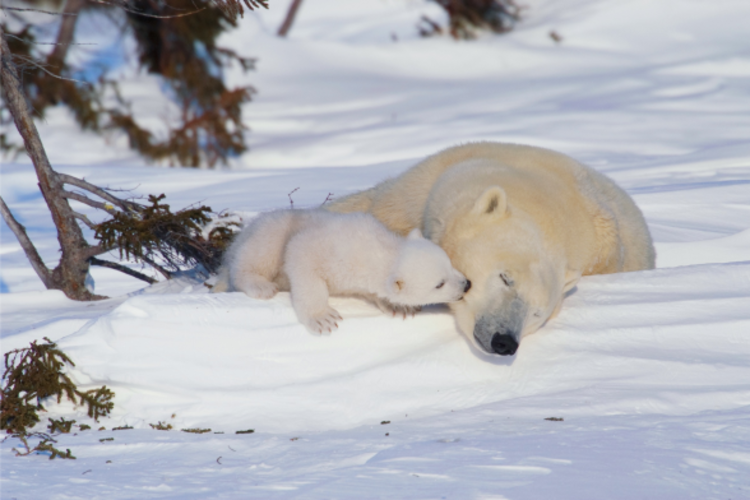
Polar bears build dens in snow to protect themselves from cold winds. Pregnant females dig deep dens to give birth and stay warm during winter.
- Dens shield bears from harsh weather.
- They help keep body heat inside.
- Bears stay inside dens for months during extreme cold.
- Dens provide safety for newborn cubs.
Energy Conservation
Polar bears save energy by moving slowly and resting often. They reduce activity to keep their fat reserves.
| Behavior | Purpose |
| Slow Movement | Reduces energy use |
| Resting Often | Preserves fat stores |
| Hunting at Night | Avoids heat loss |
| Using Snow Dens | Keeps warm, saves energy |
Physiological Adaptations
Polar bears live in some of the coldest places on Earth. Their bodies have special features to keep them warm. These features help them survive in freezing weather.
These adaptations protect polar bears from the cold. They help keep their body heat and control their energy use.
Cold Tolerance
Polar bears have thick fur and a thick layer of fat called blubber. This fat keeps their bodies insulated from the cold. Their fur also traps warm air close to their skin.
Their paws have small bumps and fur to prevent slipping on ice. Their black skin absorbs heat from the sun to stay warm. These features help polar bears stay active in freezing temperatures.
- Thick blubber layer for insulation
- Dense fur traps warm air
- Black skin absorbs sunlight
- Fur-covered paws for grip and warmth
Metabolic Adjustments
Polar bears can change how their bodies use energy. They slow their metabolism to save energy when food is scarce. This helps them survive long periods without eating.
When hunting, their metabolism speeds up to give them more strength. This balance helps polar bears stay healthy in cold and harsh environments.
- Slows metabolism to save energy
- Speeds metabolism during hunting
- Uses fat reserves for energy
- Maintains body heat efficiently
Credit: polarbearsinternational.org
Challenges From Climate Change
Polar bears face big problems because of climate change. Their cold homes are changing fast.
These changes make it hard for polar bears to live and find food. Let’s look at two main challenges.
Habitat Loss
Polar bears live on sea ice in the Arctic. Climate change melts this ice earlier in spring. The ice forms later in autumn.
Less ice means less space for polar bears to hunt and rest. They must swim longer distances. This uses more energy and can be dangerous.
- Sea ice melting reduces hunting areas
- Long swims tire polar bears
- Loss of resting spots on ice
- Increased risk of drowning
Food Scarcity
Polar bears mainly eat seals. Seals live near sea ice. When ice disappears, seals move far away.
| Effect | Impact on Polar Bears |
| Less sea ice | Fewer seals near hunting areas |
| Longer travel | Polar bears spend more energy hunting |
| Lower seal numbers | Less food available for bears |
| Weaker bears | Reduced chances to survive and reproduce |
Frequently Asked Questions
How Do Polar Bears Stay Warm In Freezing Temperatures?
Polar bears have thick fur and a dense layer of fat that insulates their bodies. Their fur traps heat, and the fat provides energy and warmth in icy conditions.
What Adaptations Help Polar Bears Survive Cold Weather?
Polar bears have large paws for walking on ice, water-repellent fur, and black skin beneath their fur to absorb heat from the sun, aiding survival in extreme cold.
How Does Polar Bear Fur Protect Against Cold?
Polar bear fur is hollow and translucent, trapping warm air close to the skin. This unique fur structure provides excellent insulation against Arctic temperatures.
Do Polar Bears Hibernate During Winter?
Polar bears don’t hibernate like other bears. Instead, pregnant females enter dens for birthing, while males and non-pregnant bears remain active in the cold.
Conclusion
Polar bears live in one of the coldest places on Earth. Their thick fur keeps them warm and dry. A layer of fat under their skin acts like a natural heater. They have large paws to walk on ice without slipping.
Hunting seals gives them the energy to survive. These amazing animals show how nature adapts. Cold weather is tough, but polar bears are tougher. Their survival skills help them live through harsh winters. Nature’s design works perfectly for these Arctic giants.