Can Geraniums Survive Cold Weather? Essential Tips Revealed
Are you worried about your vibrant geraniums as the temperature begins to drop? Wondering if these beautiful blooms can withstand the chill?
You’re not alone. Many gardening enthusiasts face the same dilemma each year. The good news is that there are ways to protect your geraniums from cold weather, ensuring they continue to flourish and brighten up your space. We’ll uncover the secrets to helping your beloved plants survive the frost.
Keep reading to discover simple, effective strategies that will keep your geraniums safe and thriving, even when the mercury takes a dip. Your garden will thank you for it!

Credit: www.news-leader.com
Geraniums And Cold Tolerance
Geraniums are popular garden plants known for their bright flowers. Many gardeners wonder if they can survive cold weather.
This guide explains how geraniums handle cold temperatures and what affects their survival in winter.
Geranium Species And Climate Adaptation
Different geranium species respond to cold in various ways. Some types grow well in cooler climates, while others prefer warmth.
Outdoor geraniums often come from warmer places and may struggle in freezing temperatures. Indoor varieties can be moved inside during cold months.
- Pelargonium species are tender and do best in mild climates.
- Hardy geraniums, also called cranesbills, can survive frost and snow.
- Some species adapt by going dormant in winter and regrowing in spring.
Frost Sensitivity Levels
Geraniums vary in how much cold they can handle. Frost can damage or kill sensitive plants quickly.
Understanding frost sensitivity helps gardeners protect their plants properly.
| Geranium Type | Frost Tolerance | Protection Tips |
|---|---|---|
| Pelargoniums | Low | Bring indoors or cover when frost is expected |
| Hardy Geraniums | High | Can stay outside with little protection |
| Hybrid Varieties | Medium | Mulch soil and cover during cold snaps |
Credit: www.bloomingbackyard.com
Signs Of Cold Damage
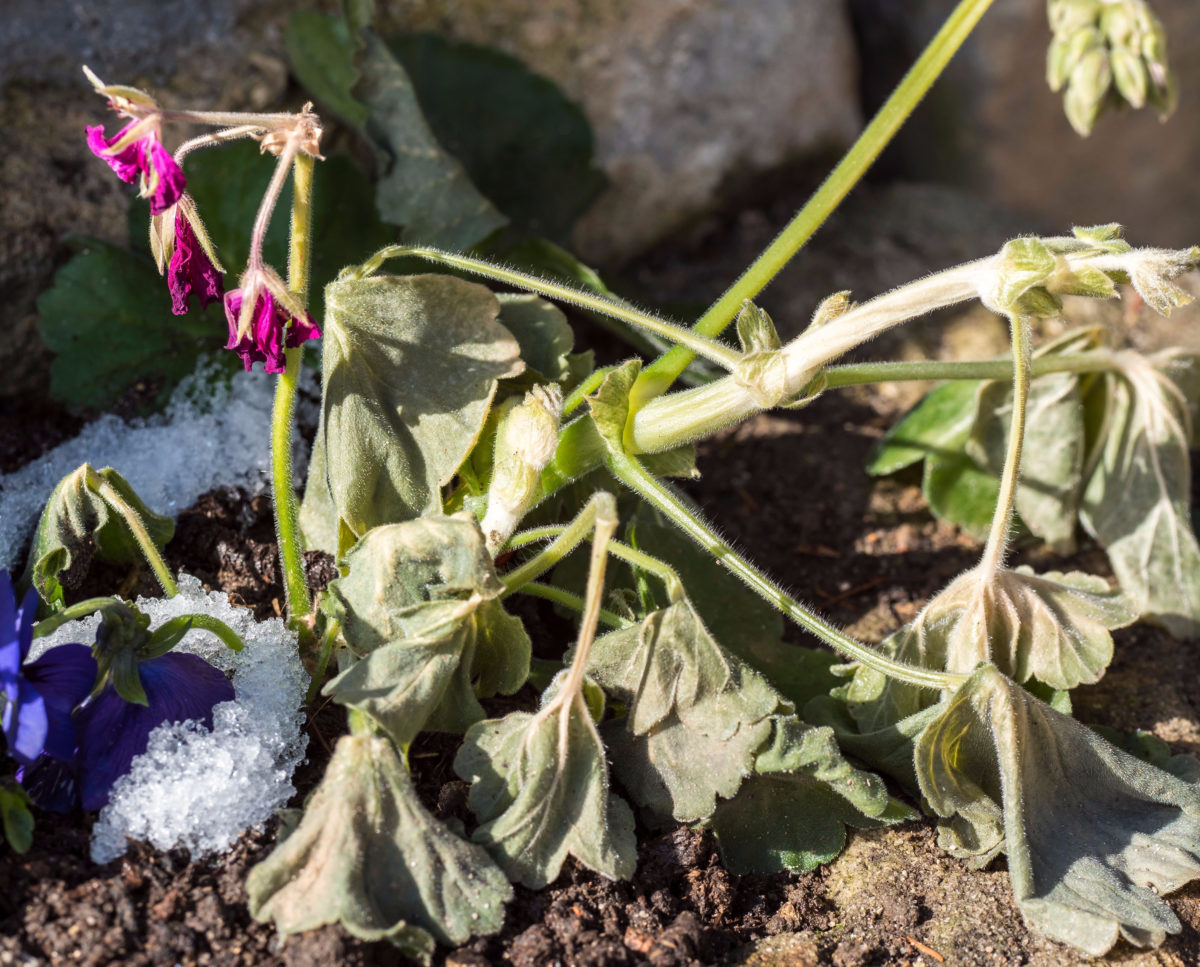
Geraniums are sensitive to cold weather. When temperatures drop, they show signs of damage. Recognizing these signs helps save your plants.
Cold damage affects leaves, stems, and roots. Watch for changes in color, texture, and growth to protect your geraniums.
Leaf Discoloration And Wilting
Leaves turn pale or dark after cold exposure. They may look yellow, brown, or black. This change means the cells inside are damaged.
Wilting happens when leaves lose water. Cold air stops roots from taking up water. Leaves droop and feel soft or limp.
- Leaves change color from green to yellow or brown
- Leaves look blackened or scorched at edges
- Leaves become limp and droopy
- Leaf edges curl or become dry
Stem And Root Issues
Cold temperatures can harm stems and roots too. Stems may turn dark and mushy. This means the plant tissue is frozen and dying.
Roots may stop growing or rot if frozen. The plant cannot get water or nutrients. This slows growth and can kill the geranium.
- Stems darken or look water-soaked
- Stems become soft and weak
- Roots stop growing or rot
- Plant growth slows or stops
Preparing Geraniums For Winter
Geraniums are beautiful plants but they do not like cold weather. You must prepare them well to survive winter. Taking care of them now helps them grow strong again in spring.
Preparing geraniums for winter involves pruning and choosing the right place to keep them. These steps protect the plants from frost and cold damage.
Pruning And Cleaning
Cut back your geraniums before winter to keep them healthy. Remove dead or yellow leaves and old flowers. This cleaning stops disease and pests.
Pruning helps the plant save energy and grow new shoots in spring. Cut stems to about one-third of their size. Use clean, sharp scissors or pruning shears.
- Remove dead or weak stems
- Cut back to healthy growth
- Clean fallen leaves and debris
- Use clean tools to avoid infection
Choosing The Right Location
Geraniums cannot survive frost outdoors. Move potted plants inside before the first cold nights. Find a bright, cool spot where the temperature stays above 50°F (10°C).
If you have geraniums in the ground, dig them up carefully. Place them in pots with fresh soil. Keep the plants near a window to get enough light during winter.
- Keep plants in a bright room
- Choose a cool place, not too warm
- Avoid drafty or freezing areas
- Water sparingly to prevent rot
Protective Measures Against Frost
Geraniums are sensitive to cold weather and frost. Taking steps to protect them helps keep them healthy through cold nights.
Using mulching and covers can shield geraniums from freezing temperatures. These methods keep the roots and leaves safe.
Mulching Techniques
Mulch acts as a blanket for the soil around your geraniums. It keeps the ground warm and stops frost from reaching the roots.
- Use straw, shredded leaves, or bark as mulch.
- Apply a 2 to 3 inch layer around the base of the plants.
- Keep mulch a few inches away from the stem to avoid rot.
- Refresh mulch after heavy rains or strong winds.
Using Covers And Cloches
Covers and cloches protect geraniums from frost by trapping heat and blocking cold air.
| Cover Type | Material | Use |
| Frost Blanket | Lightweight Fabric | Drape over plants, secure edges |
| Plastic Cloches | Clear Plastic | Place over single plants, remove in sun |
| Glass Cloches | Glass | Protect small plants, allows sunlight |
Indoor Care During Cold Months
Geraniums can suffer when temperatures drop outside. Bringing them indoors keeps them safe during cold months.
Indoor care helps geraniums stay healthy until spring returns. Proper attention to light and temperature is important.
Transferring Plants Indoors
Move geraniums indoors before the first frost arrives. Check the weather forecast to pick the right day.
Gently dig up the plants or bring in pots. Avoid damaging the roots or leaves during transfer.
- Water plants a day before moving them
- Inspect for pests and remove dead leaves
- Choose a clean spot indoors to place them
- Keep plants away from drafts and heaters
Optimal Light And Temperature
Geraniums need bright light to grow indoors. Place them near south or west-facing windows for best sun.
Keep indoor temperatures between 60°F and 70°F (15°C–21°C). Avoid cold spots and sudden temperature changes.
- Use grow lights if natural light is limited
- Do not place plants too close to heaters
- Maintain stable room temperature
- Turn plants weekly for even light exposure
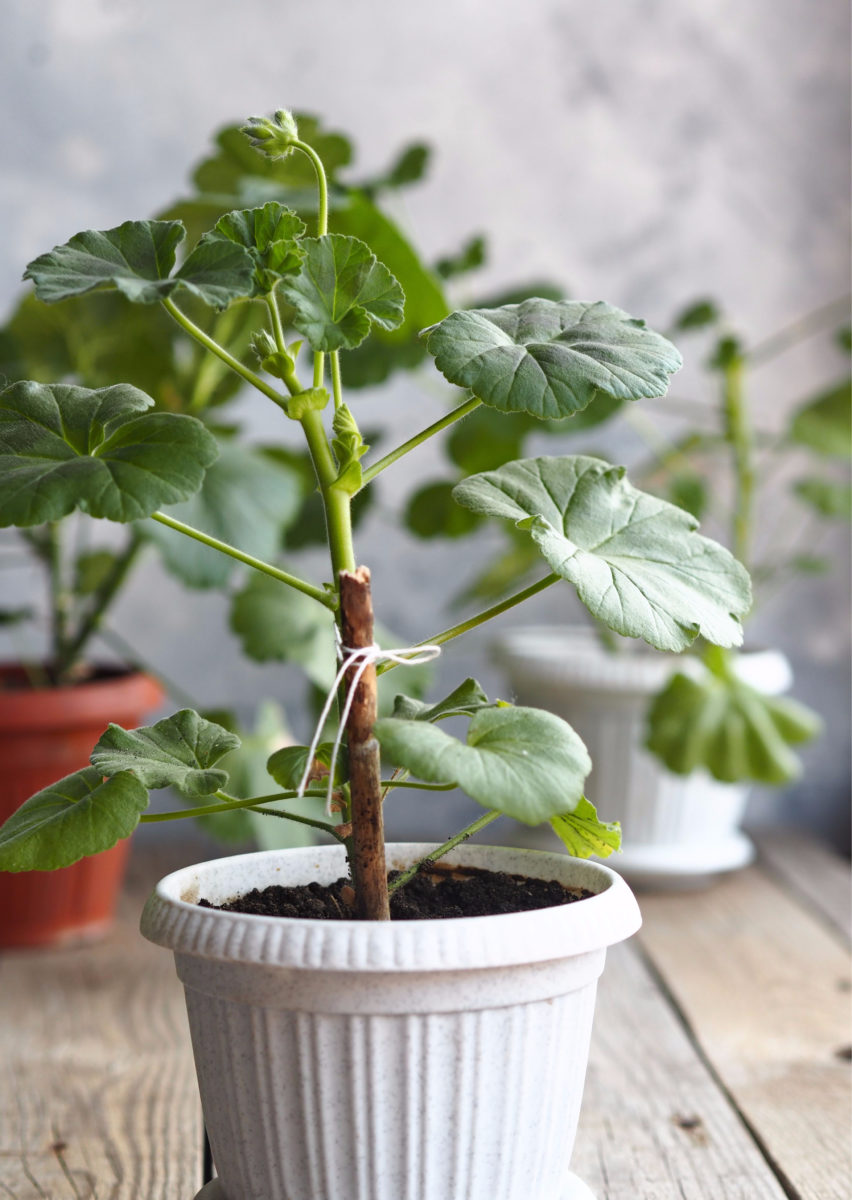
Credit: www.bloomingbackyard.com
Propagation And Storage Options
Geraniums are popular plants that many gardeners want to keep through cold weather. Knowing how to propagate and store them properly helps your plants survive the winter. This guide covers easy ways to take cuttings and store bulbs or tubers.
Taking care of geraniums before cold weather comes ensures they grow back healthy in spring. Using the right methods keeps your plants strong and ready to bloom again.
Taking Cuttings
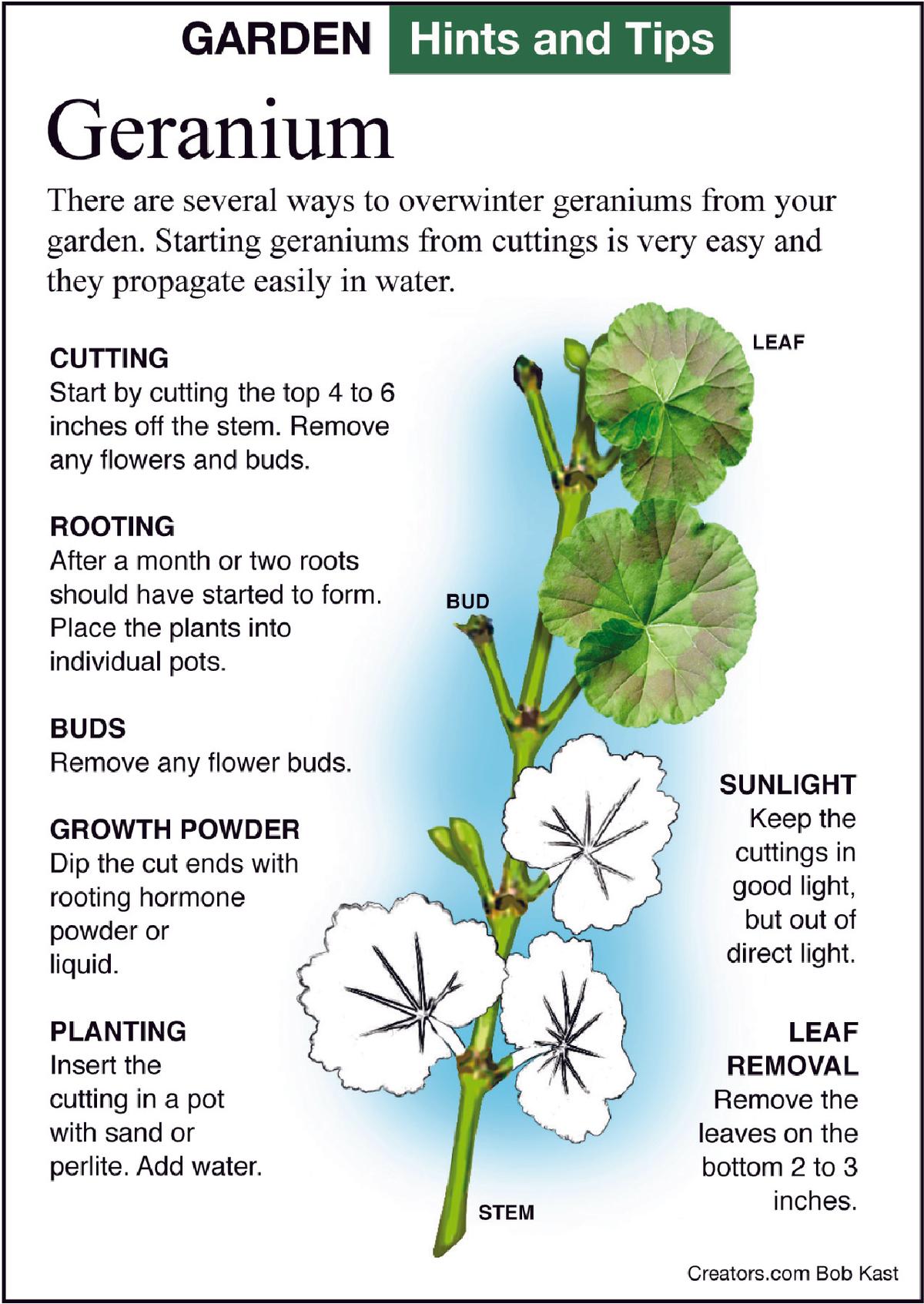
Taking cuttings is a simple way to propagate geraniums. You use parts of the plant to grow new ones. This method is best done before frost arrives.
- Choose healthy stems about 4 to 6 inches long
- Cut just below a leaf node using a clean knife or scissors
- Remove the lower leaves to expose the stem
- Dip the cut end in rooting hormone (optional)
- Plant the cutting in moist, well-drained soil or potting mix
- Keep the soil moist and place the pot in indirect sunlight
- Roots will form in 2 to 4 weeks, then transplant as needed
Storing Bulbs And Tubers
Some geranium types grow from bulbs or tubers. These need proper storage to survive cold months. Dry and cool conditions are best to keep them healthy until spring.
| Storage Step | Details | Ideal Conditions |
| Dig up bulbs/tubers | Carefully remove from soil after leaves die back | Late fall, before first frost |
| Clean and dry | Brush off dirt and let them air dry for a few days | Dry, shaded area |
| Store | Place bulbs in peat moss, sawdust, or paper bags | Cool (40-50°F), dry, and dark place |
| Check regularly | Inspect for rot or mold and remove damaged bulbs | Every few weeks during storage |
Common Mistakes To Avoid
Geraniums can be sensitive to cold weather. People often make mistakes that harm these plants during cold seasons.
Knowing what to avoid helps keep geraniums healthy through chilly times.
Overwatering In Cold
Watering geraniums too much in cold weather can cause root rot. Cold soil holds water longer, making overwatering a big risk.
It is best to let the soil dry out before watering again. Keep the soil moist, but not soggy.
- Check soil moisture before watering
- Use pots with drainage holes
- Avoid watering if leaves look wilted but soil is wet
Ignoring Pest Risks Indoors
Moving geraniums indoors for winter can bring pest problems. Pests like spider mites and aphids hide in warm places.
Ignoring these pests allows them to spread and damage the plants. Check plants regularly for signs of pests.
- Look for tiny webs or sticky leaves
- Use insecticidal soap if pests appear
- Keep the indoor area clean and dry
Frequently Asked Questions
Can Geraniums Survive Frost Or Freezing Temperatures?
Geraniums cannot survive frost or freezing weather. Temperatures below 32°F damage their leaves and roots. Protect them indoors during cold snaps.
How To Protect Geraniums From Cold Weather?
Move geraniums indoors or to a greenhouse before frost. Use frost cloths or mulch to insulate outdoor plants. Avoid watering late in the day.
Do Geraniums Go Dormant In Winter?
Yes, geraniums enter dormancy in cold weather. They slow growth and may lose leaves. Keep them cool and reduce watering during dormancy.
Can Geraniums Be Overwintered Indoors Successfully?
Geraniums can thrive indoors in winter with bright light. Maintain moderate temperatures and reduce watering. Proper care helps them bloom again in spring.
Conclusion
Geraniums can survive cold weather with proper care. Protect them from frost by moving pots indoors or using covers. Avoid letting soil freeze, as roots may get damaged. Some geranium types handle cold better than others. Regular watering and light help them stay healthy.
Remember, patience and attention increase their chances. Growing geraniums in cooler climates is possible. Small efforts bring bright blooms despite chilly days. Try these tips to keep your plants alive. Cold weather does not have to end geranium beauty.