Can You Survive a Cat 5 Hurricane? Essential Survival Tips
Imagine this: the sky turns a menacing shade of gray, the winds howl like a relentless beast, and you’re huddled in your home as the world outside seems to be unraveling. A Category 5 hurricane is not just a storm; it’s nature at its most fierce and unforgiving.
But could you actually survive such a powerful force? The answer isn’t as simple as yes or no. This article dives into the survival tactics and critical decisions you need to make when faced with a Cat 5 hurricane. By the time you finish reading, you’ll have the knowledge and confidence to protect yourself and your loved ones.
Are you ready to face the storm? Let’s find out.

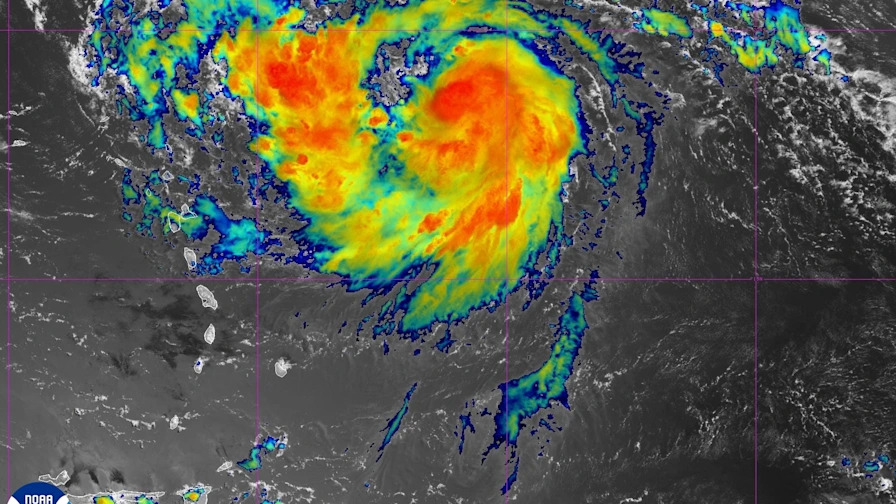
Credit: ca.news.yahoo.com
Cat 5 Hurricane Basics
Category 5 hurricanes are the strongest storms on the Saffir-Simpson scale. They have extremely high wind speeds and cause severe damage.
Understanding what makes a hurricane Category 5 helps people prepare better for these dangerous events.
What Makes A Hurricane Category 5
A hurricane is Category 5 when its winds reach 157 miles per hour or more. These winds are powerful enough to destroy buildings and trees.
Other factors include very low air pressure and large storm size. These elements increase the storm’s strength and danger.
- Wind speeds of 157 mph or higher
- Very low central pressure
- Large and intense storm system
Typical Impact And Damage
Category 5 hurricanes cause extreme damage to buildings, roads, and power lines. Many homes can be destroyed completely.
Flooding is common due to heavy rain and storm surge. This can lead to dangerous water levels and unsafe conditions.
- Widespread roof and wall failure
- Flooded streets and homes
- Power outages lasting weeks or months
- Downed trees and blocked roads
Preparing Your Home
Getting your home ready for a Cat 5 hurricane can save lives and reduce damage. You must act early and carefully. Each part of your house needs special attention.
This guide covers how to reinforce doors and windows, secure outdoor items, and create a safe room. These steps help protect your family and belongings.
Reinforcing Doors And Windows
Strong doors and windows stop wind and debris from entering your home. Use storm shutters or impact-resistant glass. Check locks and frames for weak spots.
- Install storm shutters or plywood panels over windows
- Replace glass with impact-resistant windows if possible
- Use heavy-duty deadbolt locks on all doors
- Reinforce door frames with metal braces
- Seal gaps around doors and windows to prevent water leaks
Securing Outdoor Items
Loose outdoor items become dangerous projectiles in strong winds. Clear your yard and secure everything firmly. This reduces risk to your home and neighbors.
| Item | Action |
|---|---|
| Patio furniture | Bring indoors or tie down with strong ropes |
| Garbage cans | Store in a secure garage or heavy shed |
| Garden tools | Keep inside or anchor to the ground |
| Plants and pots | Move inside or place in sheltered spots |
| BBQ grills | Cover and secure or move indoors |
Creating A Safe Room
A safe room protects you during the hurricane’s strongest winds and flying debris. Choose a small, windowless room on the lowest floor. Reinforce walls and door.
- Pick an interior room like a bathroom or closet
- Use plywood or metal sheets to strengthen walls
- Install a solid core door with secure locks
- Keep emergency supplies inside: water, food, flashlight
- Have a communication device ready to call for help
Emergency Supplies Checklist
Surviving a Category 5 hurricane requires careful planning and the right supplies. Being prepared can save lives and reduce stress during the storm.
This checklist focuses on essential items you need to stay safe and comfortable during and after the hurricane.
Food And Water Essentials
Food and water are critical during a hurricane. You should have enough to last at least three days without power or help.
Choose non-perishable foods and store clean drinking water in advance.
- At least one gallon of water per person per day
- Ready-to-eat canned meats, fruits, and vegetables
- Protein bars and dry snacks
- Manual can opener
- Baby food and formula if needed
- Pet food and water
Medical And First Aid Supplies
Medical supplies help treat injuries and manage health problems during emergencies. Keep a well-stocked first aid kit ready.
Include necessary prescription medicines and basic medical tools.
- Bandages, gauze pads, and adhesive tape
- Antiseptic wipes and antibiotic ointment
- Pain relievers like ibuprofen or acetaminophen
- Thermometer and tweezers
- Prescription medications for all family members
- Any special medical supplies needed
Tools And Communication Devices
Tools and communication devices help you stay informed and fix small problems. They are vital during power outages.
Gather items that work without electricity and allow you to contact emergency services.
- Battery-powered or hand-crank flashlight
- Extra batteries for all devices
- Battery-powered or hand-crank radio to get news
- Fully charged power bank for cell phones
- Multi-tool or basic toolkit
- Whistle to signal for help
Evacuation Planning
Preparing to evacuate before a Cat 5 hurricane hits is very important. You need a clear plan to keep you and your family safe. This guide covers when to leave, where to go, and what to take with you.
By planning early, you reduce stress and avoid dangerous last-minute decisions. Make sure everyone in your household knows the plan and practices it often.
When To Evacuate
Listen to local officials for evacuation orders. Leave as soon as they tell you to evacuate. Do not wait for the storm to get closer.
If you live in a flood zone, a mobile home, or near the coast, plan to evacuate early. Traffic will get worse the closer the hurricane comes.
Safe Routes And Destinations
Plan your evacuation routes before the storm arrives. Know at least two safe ways to leave your area. Avoid low-lying roads that may flood.
- Check local maps for safe highways and roads
- Identify shelters or hotels outside the danger zone
- Share your route and destination with family or friends
- Keep your car’s gas tank full at all times
Packing An Emergency Kit
Bring essential items to stay safe and comfortable during evacuation. Pack your kit well before the storm arrives.
| Item | Purpose | Notes |
| Water (1 gallon per person/day) | Hydration | Pack for at least 3 days |
| Non-perishable food | Nutrition | Ready-to-eat, no cooking needed |
| Flashlight and batteries | Light source | Check batteries monthly |
| First aid kit | Medical care | Include any prescription medicines |
| Important documents | Identification and records | Keep in waterproof bag |
| Clothing and blankets | Warmth and comfort | Include rain gear |
| Phone charger | Communication | Portable power bank recommended |
During The Hurricane
A Category 5 hurricane is extremely dangerous. You must stay calm and follow safety steps inside your home. Knowing what to do during the storm can save your life.
Strong winds, heavy rain, and flooding make conditions very risky. Prepare to stay inside and protect yourself from flying debris and water damage.
Staying Safe Indoors
Stay away from windows and glass doors. Find a small, windowless room on the lowest floor to stay in. Use a mattress or heavy blankets to shield yourself from debris.
- Keep a flashlight and batteries nearby
- Wear sturdy shoes to protect your feet
- Do not use candles to avoid fire risk
- Listen to weather updates on a battery-powered radio
- Stay calm and avoid unnecessary movement
Handling Power Outages
Power outages are common during a Cat 5 hurricane. Have a plan to keep essential devices running and stay safe in the dark.
| What to Do | Why |
|---|---|
| Use flashlights instead of candles | Reduces fire risk |
| Unplug appliances | Prevents damage from power surges |
| Keep refrigerator and freezer doors closed | Preserves food longer |
| Charge phones and power banks ahead of time | Maintain communication |
| Use generators only outside | Avoid carbon monoxide poisoning |
Dealing With Flooding
Flooding can happen fast and cause serious harm. Avoid walking or driving through floodwaters. Water may hide dangerous debris or strong currents.
Follow these tips during flooding:
- Move to higher ground if water enters your home
- Keep important documents in waterproof containers
- Wear protective clothing and boots
- Do not touch electrical equipment if wet
- Wait for official word before leaving your safe area

Credit: www.yahoo.com
After The Storm
Surviving a Category 5 hurricane is a major challenge. The storm leaves behind damage and dangers.
Knowing what to do after the storm helps keep you safe and speeds up recovery.
Assessing Damage Safely
Check your home and property only when it is safe. Wait for official word that the storm has passed.
Look for broken glass, sharp objects, and loose debris. Do not enter buildings that look unstable.
- Wear sturdy shoes and gloves
- Use a flashlight if it is dark
- Take photos of damage for insurance
- Avoid touching downed power lines
Avoiding Hazards
After the storm, many hazards remain. Floodwaters may contain chemicals and sewage.
Stay away from flooded areas and avoid using tap water until it is declared safe.
- Do not drive through flooded roads
- Watch for snakes and insects
- Be careful of weakened trees and poles
- Use generators outside and away from windows
Accessing Emergency Services
Emergency services may be slow after a big hurricane. Use phones only for urgent calls.
Contact local shelters or relief centers if you need food, water, or medical help.
- Keep a battery-powered radio for updates
- Follow official instructions from local authorities
- Help neighbors who may need assistance
- Report dangerous situations like gas leaks or fires
Mental And Emotional Resilience
Facing a Cat 5 hurricane tests more than your physical strength. Your mind and emotions must stay strong too. Building mental and emotional resilience helps you handle fear and uncertainty.
Being prepared mentally can improve your decisions and keep you calm. It also helps you support others in tough times.
Managing Stress And Anxiety
Stress and anxiety rise before and during a hurricane. You may feel scared or overwhelmed. It is important to find ways to manage these feelings.
- Take deep breaths slowly to calm your mind.
- Focus on facts, not rumors or worst-case thoughts.
- Keep a daily routine to feel more in control.
- Limit news and social media to avoid panic.
- Practice simple exercises like stretching or walking.
Supporting Family And Community
Strong connections with family and neighbors help everyone stay safe. Sharing information and resources can ease the burden for all.
| Support Action | Benefit |
| Check on family members daily | Reduces loneliness and fear |
| Share emergency supplies | Ensures everyone has basics |
| Help neighbors prepare | Builds community safety |
| Listen and offer comfort | Strengthens emotional bonds |

Credit: www.yahoo.com
Frequently Asked Questions
What Are The Survival Chances In A Cat 5 Hurricane?
Survival depends on preparation, location, and shelter quality. Proper planning and a strong safe room increase survival chances during Cat 5 hurricanes.
How To Prepare For A Cat 5 Hurricane?
Stock emergency supplies, secure property, and have an evacuation plan. Stay informed via weather updates and follow official safety instructions strictly.
Can A House Withstand A Cat 5 Hurricane?
Most standard homes cannot resist Cat 5 winds. Reinforced structures with hurricane-rated materials offer better protection against extreme hurricane forces.
What Are The Biggest Dangers In A Cat 5 Hurricane?
High winds, flying debris, flooding, and storm surge pose the greatest threats. These hazards cause structural damage and life-threatening situations during a Category 5 storm.
Conclusion
Surviving a Cat 5 hurricane is tough but possible. Preparation saves lives. Know your risks and plan early. Stay informed through trusted weather updates. Secure your home and gather supplies. Evacuate if authorities advise. Stay calm and follow safety steps.
Communities grow stronger by helping each other. Being ready can make all the difference. Safety depends on actions taken before the storm. Stay safe, stay prepared, and trust your instincts.