Can Concrete Survive a Hurricane: Unveiling Its True Strength
When a hurricane is on the horizon, you probably start thinking about how to protect your home and loved ones. You might wonder, “Can concrete really withstand the power of a hurricane?”
It’s a crucial question, especially if you’re considering building or reinforcing a home in a storm-prone area. Concrete is known for its durability and strength, but when faced with nature’s fury, does it truly stand the test? You’ll uncover the secrets of concrete’s resilience.
We’ll dive into its ability to withstand high winds, flying debris, and relentless rain. You might be surprised by what you learn, and you’ll definitely want to stick around to find out how concrete can be your best ally in hurricane safety.
Concrete And Hurricanes
Concrete is a common building material in hurricane-prone areas. It offers strength and durability. Understanding how concrete reacts to hurricane forces helps in building safer homes.
This article explores how hurricanes affect concrete structures. It looks at the impact of strong winds and water damage on concrete buildings.
Impact Of Hurricane Forces
Hurricanes bring strong winds, heavy rain, and flying debris. These forces can strain concrete structures in different ways.
- Strong winds push against walls, causing pressure.
- Flying debris can crack or chip concrete surfaces.
- Heavy rain causes water to seep into cracks, weakening the material.
- Floodwaters can erode the foundation of buildings.
Common Damage To Structures
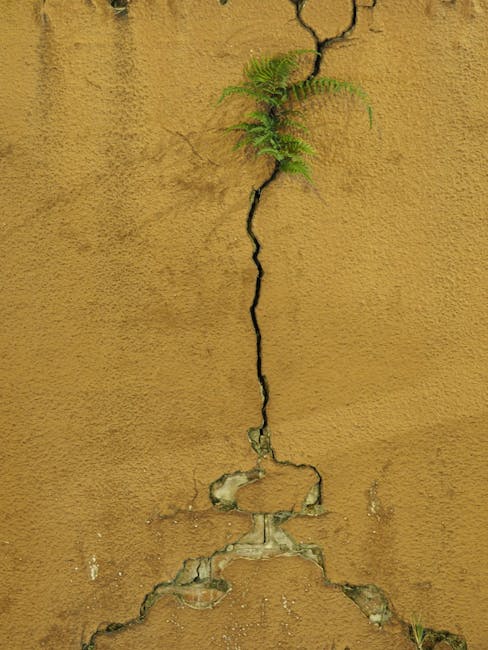
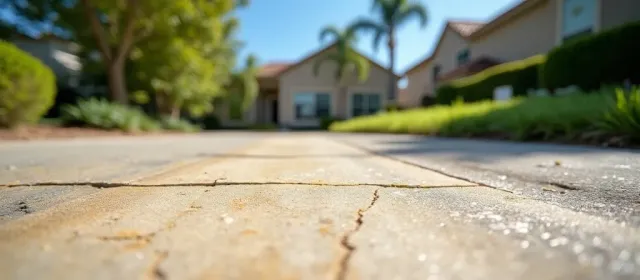
Despite its strength, concrete can suffer several types of damage during hurricanes. Knowing these helps in repair and prevention.
| Type of Damage | Description |
| Cracking | Small to large cracks from wind pressure or debris impact. |
| Spalling | Surface flakes or peels due to water damage or freeze-thaw cycles. |
| Structural Failure | Severe damage causing parts of the structure to collapse. |
| Foundation Erosion | Soil washing away weakens the base of the building. |
Credit: www.tampaconcretedriveways.com
Properties Of Concrete
Concrete is a common building material used worldwide. It is known for its hard surface and long-lasting nature.
This material is often chosen for buildings in areas prone to strong weather. Its properties help it face tough conditions.
Strength And Durability
Concrete is very strong and can carry heavy loads without breaking. It lasts for many years without losing quality.
- High compressive strength supports heavy structures
- Resists cracking under pressure
- Maintains shape even after years of use
- Can handle temperature changes without damage
Resistance To Water And Wind
Concrete does not absorb water easily. It forms a barrier that slows down water and wind effects.
| Property | Effect on Concrete |
| Water Resistance | Prevents damage from rain and floods |
| Wind Resistance | Withstands strong winds without breaking |
| Sealing Ability | Stops water from entering cracks |
| Weight | Keeps concrete stable during storms |
Concrete Vs. Other Materials
Concrete is a popular building material for homes in hurricane zones. It stands against strong winds and heavy rain. Comparing concrete to other materials helps us see its strengths and weaknesses.
Wood and steel are also common materials. Each reacts differently during a hurricane. Understanding these differences can guide better building choices.
Comparison With Wood
Wood is lightweight and easy to work with. It can bend under wind pressure but may break or splinter. Wood is also vulnerable to water damage and rot.
Concrete is heavy and solid. It resists strong winds without bending. It does not rot or get damaged by water. Concrete walls can protect homes better during hurricanes.
- Wood can catch fire more easily than concrete.
- Concrete lasts longer in wet conditions.
- Wood needs regular maintenance to stay strong.
- Concrete requires less upkeep after storms.
Comparison With Steel
Steel is very strong and flexible. It can bend without breaking in strong winds. Steel does not rot but can rust if not protected from water.
Concrete is rigid and very heavy. It does not bend but can crack under extreme force. Concrete does not rust and holds up well to water and wind.
- Steel frames are lighter than concrete walls.
- Concrete provides better insulation than steel.
- Steel needs coatings to prevent rust.
- Concrete can crack but rarely fails completely.

Credit: elementicf.com
Designing For Hurricane Resistance
Concrete structures face great challenges during hurricanes. Strong winds and flying debris test their strength. Designing for hurricane resistance helps keep buildings safe and durable.
Engineers use special methods to improve concrete. These methods focus on making concrete stronger and less likely to crack or fail under pressure.
Reinforcement Techniques
Reinforcement adds strength to concrete. Steel bars or mesh inside the concrete help it hold together. These materials stop cracks from spreading and add flexibility.
- Use corrosion-resistant steel to avoid rust damage.
- Place reinforcement bars close to the surface to resist wind pressure.
- Increase the density of reinforcement in areas prone to impact.
- Add fiber reinforcement to reduce cracking and improve toughness.
Mix Design Adjustments
Concrete mix changes can improve hurricane resistance. Adjusting ingredients affects strength and durability. Proper mix design helps concrete resist water and wind damage.
| Mix Component | Adjustment | Benefit |
| Cement | Increase content | Improves strength and density |
| Water | Reduce water-cement ratio | Limits pores and water penetration |
| Admixtures | Add waterproofing agents | Enhances resistance to moisture |
| Aggregates | Use strong, well-graded materials | Increases toughness and stability |
Real-life Examples
Concrete structures often face extreme tests during hurricanes. Some stand strong while others fail. Studying these cases helps us learn how concrete holds up.
This section shows examples of concrete buildings that survived hurricanes. It also looks at failures and what we can learn from them.
Structures That Withstood Hurricanes
Many concrete buildings survive hurricanes due to their design and construction quality. These structures show the strength of concrete under harsh conditions.
- Miami’s concrete high-rises resisted strong winds and flying debris.
- Concrete storm shelters protected people during Hurricane Katrina.
- Concrete bridges in Texas stayed intact during Hurricane Harvey’s floods.
- Reinforced concrete schools in Florida remained safe after Hurricane Irma.
Failures And Lessons Learned
Some concrete structures failed during hurricanes. These failures teach us how to improve future designs and build stronger buildings.
| Failure Type | Cause | Lesson Learned |
| Cracking | Poor mix and curing | Use proper concrete mix and curing methods |
| Spalling | Water intrusion and corrosion | Improve waterproofing and reinforcement protection |
| Collapse | Weak structural design | Follow hurricane-resistant building codes strictly |
| Foundation damage | Soil erosion and flooding | Design stronger foundations and drainage systems |
Maintenance And Longevity
Concrete is strong, but hurricanes test its limits. Proper care helps it last longer. Maintenance keeps concrete safe and durable through storms.
Knowing how to fix hurricane damage and protect concrete can save money. It also prevents bigger problems later on.
Repairing Hurricane Damage
After a hurricane, check concrete for cracks and chips. Small damage can grow if ignored. Fixing it quickly stops water from causing more harm.
- Clean debris and dirt from the surface
- Fill cracks with concrete patch or sealant
- Replace broken pieces if needed
- Allow repairs to dry fully before use
- Inspect repaired areas regularly
Extending Concrete Life
Good habits protect concrete from hurricane damage. Regular checks and simple steps can make concrete last for decades.
| Action | Benefit |
| Seal concrete surfaces | Keeps water out and prevents cracks |
| Clear drainage paths | Stops standing water from pooling |
| Remove debris quickly | Prevents surface damage and stains |
| Use reinforcements | Increases strength during storms |

Credit: www.tampaconcretedriveways.com
Frequently Asked Questions
Can Concrete Structures Withstand Hurricane-force Winds?
Concrete structures are highly resistant to hurricane-force winds due to their density and strength. Properly reinforced concrete can endure intense wind pressures and flying debris impacts, making it a reliable choice in hurricane-prone areas.
Does Concrete Resist Water Damage During Hurricanes?
Concrete resists water damage better than many materials, but prolonged exposure can cause cracking or erosion. Using sealants and proper drainage improves its durability against hurricane-related flooding.
How Does Concrete Perform Against Flying Debris?
Concrete’s solid and dense nature helps it withstand flying debris during hurricanes. Reinforced concrete walls and barriers provide significant protection, reducing structural damage from airborne objects.
Is Concrete A Better Building Material For Hurricane Zones?
Yes, concrete is preferred in hurricane zones for its strength, durability, and resistance to wind and water damage. It enhances safety and longevity compared to wood or metal structures.
Conclusion
Concrete shows strong resistance against hurricane forces. Its solid structure helps it stand against heavy winds and rain. Still, quality and design matter a lot for its strength. Properly built concrete can protect homes and buildings well. Damage may happen if the storm is extremely strong.
Regular checks and repairs keep concrete safe longer. Choosing concrete means investing in safety during storms. It offers peace of mind when hurricanes arrive. Solid, simple, and tough—concrete proves its worth in harsh weather.


