Does Nopal Cactus Survive in Cold Weather: Essential Survival Tips
Are you curious about the resilience of the nopal cactus in cold weather? Maybe you’re considering adding this unique plant to your garden, or perhaps you’re simply fascinated by how plants adapt to different climates.
Regardless of your reason, understanding the nopal cactus’s ability to withstand the chill could be the key to unlocking its potential in your environment. We will uncover the secrets of the nopal cactus, revealing whether it can thrive when temperatures drop.
By the end, you’ll be equipped with the knowledge to make informed decisions about growing this remarkable plant, even in colder climates. Stay with us, and discover how you can harness the nopal cactus’s unique qualities, regardless of the weather.

Credit: succulentsbox.com
Nopal Cactus And Cold Climate
The nopal cactus is a resilient plant found in many dry areas. People often wonder if it can survive cold weather. Understanding its cold tolerance helps gardeners protect it during winter.
This guide explains how nopal cactus reacts to cold temperatures and frost. You will learn about its limits and how frost affects its growth.
Cold Tolerance Levels
Nopal cactus can handle some cold but not extreme freezes. It survives mild frost and short cold periods. The plant slows its growth when temperatures drop.
- Best temperature range: 50°F to 90°F (10°C to 32°C)
- Can tolerate temperatures down to 28°F (-2°C) for short times
- Below 25°F (-4°C), damage often occurs
- Prolonged cold weakens the cactus and slows recovery
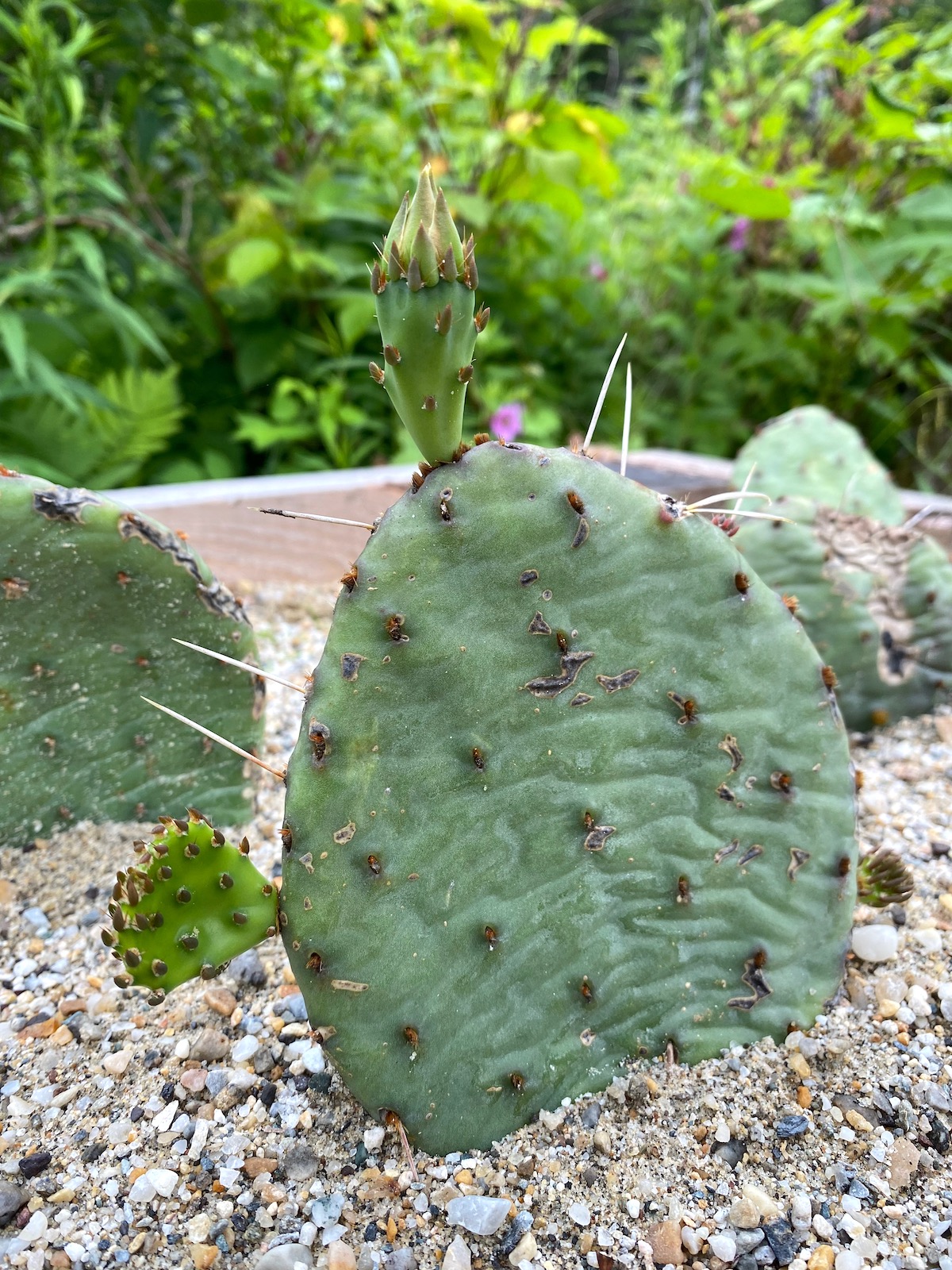
Effects Of Frost On Nopal
Frost causes ice crystals to form inside cactus cells. This can damage tissues and cause black or brown spots. Young pads are more sensitive to frost than mature ones.
| Frost Severity | Effect on Nopal |
| Light Frost (28-32°F / -2 to 0°C) | Minor damage, quick recovery |
| Moderate Frost (25-28°F / -4 to -2°C) | Visible tissue damage, slower growth |
| Severe Frost (Below 25°F / -4°C) | Serious damage, pads may die |
Credit: practicalselfreliance.com
Signs Of Cold Stress
Nopal cactus can struggle in cold weather. Cold stress affects its health and growth. Recognizing signs early helps protect your plant.
Cold stress shows in the cactus’s leaves and stems. Watch for changes in color and texture. These are key signals your cactus is cold.
Leaf Discoloration
Leaves turn colors when the cactus is cold stressed. They may change from green to yellow or brown. This means the plant cells are damaged.
Sometimes, leaves look pale or have dark spots. These spots can be soft or dry. Leaf discoloration is a clear sign the cactus needs warmth.
- Yellowing leaves mean cold damage
- Brown or black spots show cell death
- Pale leaves indicate poor health
Stem Damage Indicators
Cold weather can hurt the cactus stems. They may turn dark or mushy. This shows the plant is freezing inside.
Stems may also crack or shrivel. This damage can stop the cactus from growing. Look closely for soft or discolored areas on the stem.
- Dark patches on stems mean freeze damage
- Soft, mushy spots show cell breakdown
- Cracked stems risk infection and rot
Preparing Nopal For Winter
Nopal cactus is a strong plant, but cold weather can harm it. Preparing your nopal for winter helps it survive low temperatures.
This guide covers choosing the right varieties and picking the best planting sites to protect your cactus.
Selecting Hardy Varieties
Some nopal varieties resist cold better than others. Pick types known to survive frost and freezing temperatures.
- Look for varieties native to cooler areas.
- Choose plants with thicker pads for better frost resistance.
- Research local growers’ recommendations for hardy types.
- Consider grafted plants that combine cold tolerance with strong growth.
Site Selection And Microclimates
Where you plant nopal affects its ability to survive winter cold. Microclimates can offer extra warmth and protection.
| Factor | Tip for Nopal Survival |
| Sunlight | Choose south-facing spots with full sun. |
| Wind | Plant near walls or fences to block cold winds. |
| Elevation | Avoid low spots where cold air settles. |
| Soil Drainage | Use well-drained soil to prevent root rot. |
Protection Strategies
Nopal cactus can face damage during cold weather. Protecting it helps it survive frost and low temperatures. Using simple methods can keep your cactus safe.
This guide covers two main protection strategies: mulching and using frost cloths or covers. Both methods create barriers to cold and reduce damage.
Mulching Techniques
Mulching adds a protective layer over the soil around the cactus. This layer keeps the ground warmer and stops cold air from reaching the roots.
- Use straw, wood chips, or dry leaves as mulch.
- Spread mulch about 2 to 4 inches thick around the base.
- Keep mulch a few inches away from cactus pads to prevent rot.
- Remove mulch after frost danger passes to allow air circulation.
Using Frost Cloths And Covers
Frost cloths and covers help shield the cactus from freezing air. They trap heat and stop frost from forming on the pads.
| Type of Cover | Use Tips |
| Frost Cloth | Lightweight, allows air and water through. Cover cactus before sunset. |
| Old Blankets | Heavier, use only for very cold nights. Remove in the morning. |
| Plastic Sheets | Blocks air but traps moisture. Avoid direct contact with cactus pads. |
Watering And Feeding
Nopal cactus can survive cold weather but needs special care for watering and feeding. Adjusting these helps the cactus stay healthy in low temperatures.
Cold weather slows the cactus’s growth. It uses less water and nutrients. Giving too much can harm the plant.
Adjusting Irrigation In Cold
In cold weather, nopal cactus needs less water. The soil stays moist longer, so water less often. Overwatering can cause root rot.
Check the soil before watering. Water only if the top inch feels dry. Water early in the day to let the plant dry before night.
- Water less frequently in cold months
- Always check soil moisture first
- Water in the morning to avoid cold damage
- Use well-draining soil to prevent sogginess
Fertilizer Timing
Feed the nopal cactus only during warm seasons. Cold weather makes the cactus rest and need fewer nutrients. Fertilizing in winter can stress the plant.
Apply fertilizer in spring and summer when the cactus grows actively. Use a balanced, low-nitrogen fertilizer. Avoid fertilizing in fall and winter.
- Fertilize only in warm months
- Use low-nitrogen fertilizer
- Stop feeding before cold weather starts
- Follow package instructions for amounts
Indoor Care Options
Nopal cactus can survive cold weather if you move it indoors. Growing it inside helps protect it from frost and freezing temperatures. You need to create the right indoor environment for it to thrive.
Providing good soil, light, and water indoors will keep your cactus healthy. Let’s look at how to transplant it and maintain indoor conditions properly.
Transplanting To Containers
Choose a container with drainage holes to prevent water buildup. Use a well-draining cactus or succulent soil mix. Gently remove the cactus from the ground or old pot. Place it in the new container and fill around the roots with soil.
- Pick a pot at least 2 inches wider than the root ball
- Handle the cactus carefully to avoid damaging spines
- Water lightly after transplanting to settle the soil
- Keep the pot in a warm, bright spot for a few weeks
Maintaining Indoor Conditions
Indoor nopal cactus needs bright light and moderate watering. Keep the temperature between 60°F and 75°F (15°C to 24°C). Avoid drafts and sudden temperature drops. Water only when the top inch of soil is dry.
| Condition | Ideal Range | Notes |
| Light | 6–8 hours bright indirect | Place near south or west window |
| Temperature | 60°F–75°F (15°C–24°C) | Avoid cold drafts |
| Watering | When soil is dry 1 inch deep | Do not overwater to prevent rot |
| Humidity | Low to moderate | Typical indoor humidity is fine |
Recovery After Cold Damage
Nopal cactus can face damage from cold weather. Cold can cause parts of the cactus to freeze and die. Recovery is possible with proper care after cold damage.
Taking the right steps helps the cactus heal and grow again. Patience is important because recovery takes time.
Pruning Dead Parts
Removing dead or damaged parts helps the cactus heal. Cut away the sections that look black, mushy, or dry. Use clean, sharp tools to avoid infection.
Pruning stops the spread of rot and directs energy to healthy parts. Dispose of dead pieces carefully to keep pests away.
- Wait until cold damage shows clearly
- Cut just above healthy tissue
- Use clean pruning shears
- Remove all dead pads and stems
- Throw away dead parts far from the plant
Encouraging New Growth
After pruning, support the cactus to grow new pads. Provide enough sunlight and water the plant moderately. Avoid overwatering to prevent rot.
Fertilize lightly in spring and summer to boost growth. Keep the cactus in a warm spot to help it recover faster.
- Place in bright, indirect sunlight
- Water when soil is dry
- Use balanced fertilizer in warm months
- Keep temperature above freezing
- Be patient and watch for new pads

Credit: gardentutor.com
Frequently Asked Questions
Can Nopal Cactus Tolerate Freezing Temperatures?
Nopal cactus can survive mild frost but not prolonged freezing. Temperatures below 28°F (-2°C) can damage or kill the plant. Protect it with covers or move indoors during cold snaps to ensure survival.
How To Protect Nopal Cactus In Cold Weather?
Cover the cactus with frost cloth or blankets during cold nights. Use mulch to insulate the roots and avoid watering before frost. These steps help prevent cold damage and increase the plant’s chances of surviving winter.
Does Cold Weather Stunt Nopal Cactus Growth?
Yes, cold weather slows nopal cactus growth significantly. The plant becomes dormant to conserve energy. Growth resumes once temperatures rise and conditions improve in spring.
Can Nopal Cactus Recover After Frost Damage?
Nopal cactus can often recover if frost damage is not severe. Remove damaged pads and keep the plant dry. With proper care, new growth may appear after temperatures warm up.
Conclusion
Nopal cactus can survive cold weather with some care. Protect young plants from frost to keep them healthy. Mature nopals handle light freezes but struggle in deep cold. Using mulch and covering plants helps during winter. Choose cold-hardy varieties for better chances of survival.
Growing nopals in pots allows moving them indoors. Cold weather does not mean nopals cannot thrive. With simple steps, you can enjoy these plants year-round. Keep watching your cactus and adjust care as needed. Nopal cactus shows surprising strength against chilly conditions.