
Do Praying Mantis Survive Cold Weather: Shocking Survival Facts Revealed
Have you ever wondered what happens to a praying mantis when the temperature drops? These fascinating insects, with their distinctive appearance and curious behavior, often capture our attention during warmer months.
But as the cold weather sets in, you might find yourself asking: Do praying mantis survive cold weather? Understanding how these creatures cope with the chill can be both intriguing and surprising. By diving into this topic, you’ll uncover the remarkable survival strategies of the praying mantis that will make you appreciate them even more.
Stick around to discover the secrets of how these resilient insects withstand the winter months.
Praying Mantis Basics
Praying mantises are insects known for their unique shape and hunting skills. They have long bodies and strong front legs to catch prey.
People often wonder if praying mantises can survive cold weather. Understanding their basics helps answer this question.
Physical Traits
Praying mantises have triangular heads with big eyes. They can turn their heads to see clearly.
Their front legs are bent like they are praying. These legs have sharp spikes to hold their prey tightly.
- Long, slender body
- Triangular head with large eyes
- Front legs adapted for grabbing
- Wings for flying (in most species)
Natural Habitat
Praying mantises live in warm places like gardens, fields, and forests. They like areas with many plants.
They do not do well in very cold weather. In cold seasons, they may die or lay eggs that survive winter.
- Warm climates with plants
- Grasslands and forests
- Gardens with flowers and insects
- Eggs can survive cold winters
Cold Weather Challenges
Praying mantises face many problems during cold weather. The low temperatures make survival hard for them.
Understanding how cold affects these insects helps us learn about their life cycle and habits.
Effects Of Low Temperatures
Cold weather slows down the mantis’ body functions. They become less active and eat less.
Freezing temperatures can damage their cells and make it hard to survive outside.
- Slowed movement and feeding
- Increased risk of freezing injury
- Difficulty in finding food
- Lower chances of survival for young mantises
Threats During Winter
Winter brings many dangers to praying mantises. They face cold, predators, and food shortages.
Most adult mantises do not survive the winter. Their eggs stay safe in protective cases until spring.
- Exposure to freezing temperatures
- Less food availability
- Increased risk from predators
- Damage to eggs by harsh weather
Survival Strategies
Praying mantises face cold weather with special survival methods. Their bodies and behaviors help them endure low temperatures. Understanding these strategies shows how they live through winter.
This guide explains three key survival strategies mantises use: adaptations to cold, behavioral changes, and egg case protection.
Adaptations To Cold
Praying mantises have physical changes that help them survive cold weather. Their bodies reduce water loss and protect against freezing. Some species produce antifreeze chemicals that stop ice from forming in their cells.
Behavioral Changes
Praying mantises change their habits to stay safe in cold weather. They look for shelter in warm places. Some hide under leaves, bark, or rocks to avoid frost. Mantises also slow down their movement to save energy.
- Find shelter in tight spaces
- Hide under dead leaves or bark
- Reduce activity to conserve energy
- Stay close to the ground for warmth
Egg Case Protection
The egg cases, called oothecae, protect praying mantis eggs during winter. These cases have thick walls that shield eggs from cold and predators. The ootheca can stay attached to plants or other surfaces safely.
| Feature | Purpose |
| Thick outer layer | Blocks cold air and moisture |
| Attachment to plants | Keeps eggs stable and hidden |
| Insulation | Maintains warmth inside the case |
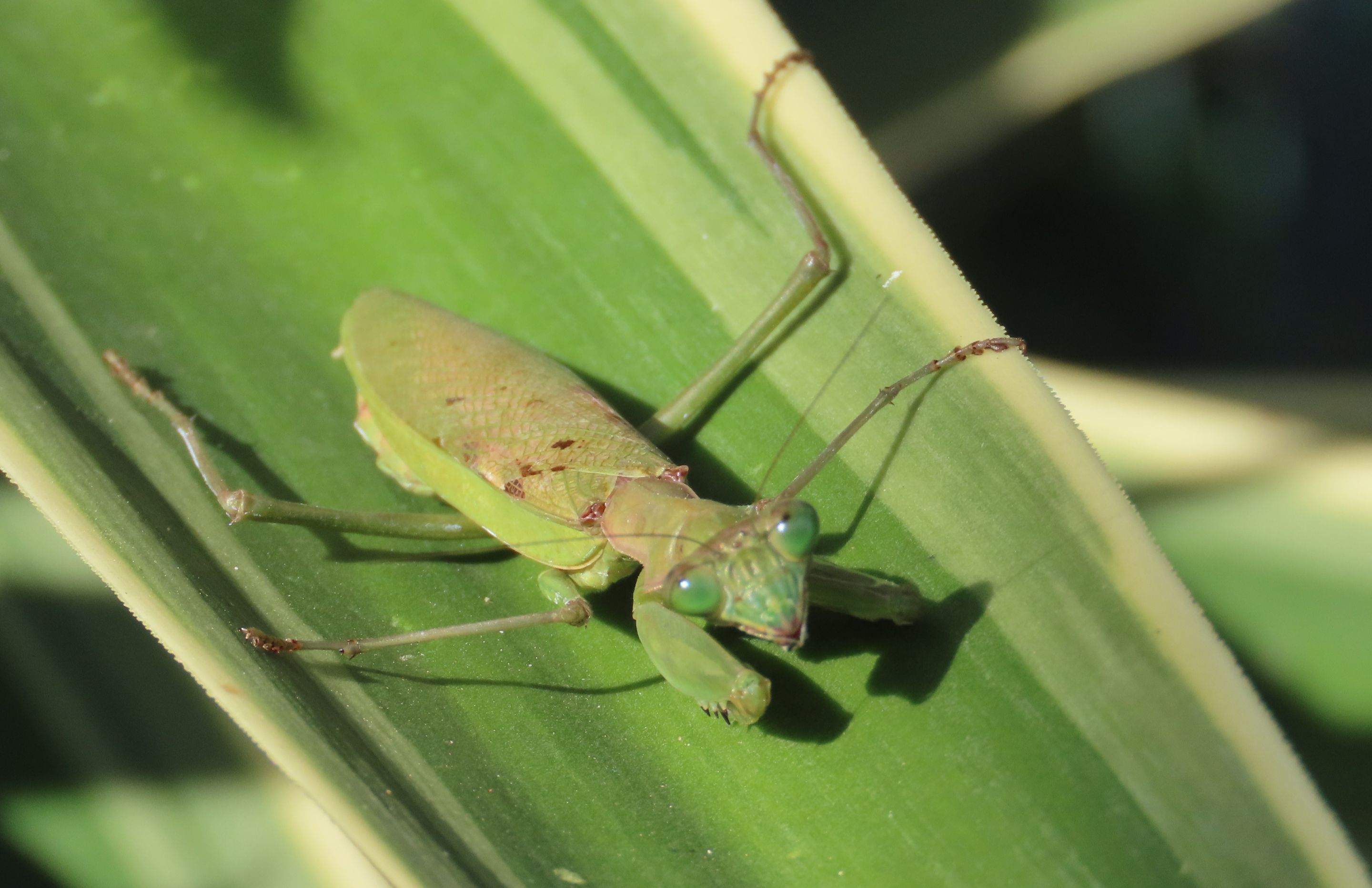
Credit: ecobankdevelopment.com
Geographic Variations
Praying mantises live in many places worldwide. Their survival during cold weather changes by location.
Some mantis species handle cold better than others. This depends on where they live and the climate.
Temperate Regions
In temperate areas, winters can be very cold. Many mantises do not survive freezing temperatures.
These mantises lay eggs in tough cases called oothecae. The eggs stay safe through winter.
- Adult mantises usually die before winter starts
- Egg cases protect the next generation
- Eggs hatch in spring when it warms up
Tropical Regions
Tropical places stay warm all year round. Praying mantises in these areas do not face cold winters.
Since temperatures are steady, mantises can live longer. Adults may survive year-round without freezing.
- Warm climate helps mantises stay active
- No need for special egg protection from cold
- Population grows steadily throughout the year
Scientific Studies
Praying mantises are fascinating insects that many wonder about during cold weather. Scientists have studied how these insects survive winter. Their research shows interesting ways mantises cope with cold temperatures.
Understanding how praying mantises survive cold helps us learn more about insect behavior. It also shows how nature adapts to changing seasons.
Research Findings
Studies show praying mantises use several strategies to survive cold weather. Some species produce natural antifreeze chemicals. These chemicals stop ice from forming in their bodies.
Other mantises find shelter during winter. They hide under leaves, bark, or in soil. This shelter helps keep them warmer than the outside air.
- Antifreeze proteins lower freezing point in their bodies
- Mantises enter a state called diapause to slow their metabolism
- They seek protected spots to avoid freezing temperatures
Observations In Nature
Nature observations confirm that many praying mantises die in harsh winters. Only some survive by using their cold-weather adaptations. In mild climates, mantises live through winter as adults or eggs.
Egg cases, called oothecae, often survive cold better than adult mantises. These egg cases protect young mantises until spring. This helps keep the population stable year after year.
- Adult mantises may not survive freezing temperatures
- Oothecae protect eggs from cold and drying out
- Mild winters increase mantis survival rates
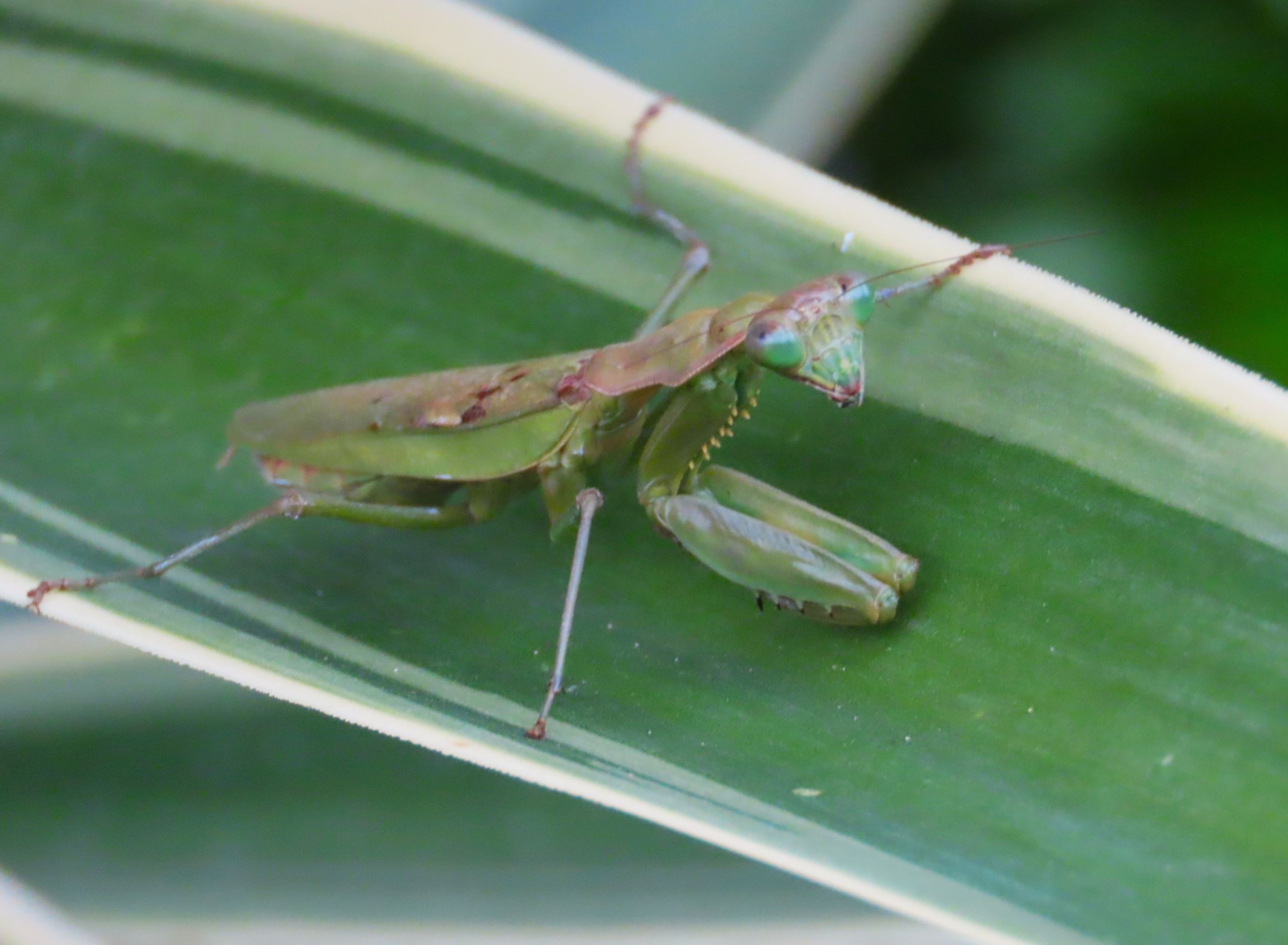
Credit: ecobankdevelopment.com
Common Myths
Many people wonder if praying mantises can survive cold weather. There are several myths about their winter survival. These myths can cause confusion about what really happens to them in cold seasons.
It is important to clear up these false beliefs. Knowing the truth helps us understand praying mantis behavior better.
Misconceptions About Winter Survival
Some people think praying mantises die as soon as cold weather arrives. This is not always true. Many species have ways to survive the winter.
Another common myth says all praying mantises hibernate like bears. Actually, they do not hibernate. They go through a different process to stay alive.
- Praying mantises lay eggs that survive winter.
- Adults usually do not survive freezing temperatures.
- Egg cases protect the young during cold months.
Clarifying False Beliefs
Praying mantises survive winter mainly as eggs, not as adults. The egg cases are tough and shield the eggs from the cold.
Adults often die before or during winter because they cannot handle freezing weather. Only the eggs wait until spring to hatch.
- Egg cases attach to plants or objects outdoors.
- They keep eggs safe from frost and predators.
- Young mantises hatch when the weather warms up.
Tips For Gardeners
Praying mantises help control pests in gardens. Some gardeners wonder if these insects survive cold weather. Learning how to protect them can keep them around longer.
Here are simple ways to care for mantises through winter and encourage them all year.
Protecting Mantises In Cold Climates
Praying mantises often lay eggs before cold weather arrives. These eggs survive winter inside egg cases called oothecae. Gardeners can protect these egg cases to help mantises hatch in spring.
- Leave plant stems and twigs where egg cases attach.
- Avoid cleaning garden beds too early in spring.
- Provide leaf litter or mulch for insulation.
- Keep pesticide use to a minimum in winter areas.
- Place egg cases in sheltered spots if moved indoors.
Encouraging Mantises Year-round
Creating a friendly environment helps mantises stay active longer. They need food, shelter, and safe places for laying eggs.
| Gardening Tip | Details |
| Plant Diversity | Grow different plants to attract insects mantises eat. |
| Provide Shelter | Use shrubs and tall grasses for hiding and laying eggs. |
| Limit Chemicals | Reduce pesticides to protect mantises and prey insects. |
| Water Source | Keep a small, shallow water source nearby. |
| Leave Dead Plants | Dead stems can hold egg cases safely over winter. |
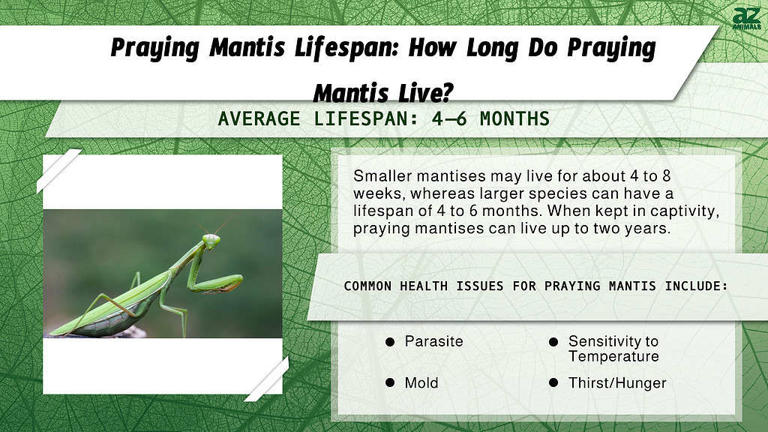
Credit: www.msn.com
Frequently Asked Questions
Do Praying Mantises Survive Cold Winter Weather?
Praying mantises typically do not survive freezing winter temperatures. They survive cold by laying eggs in protective cases called oothecae, which hatch in spring. Adults usually die before winter, while eggs remain safe until warmer weather returns.
How Do Praying Mantises Protect Themselves From Cold?
Praying mantises protect their offspring by laying eggs in insulated oothecae. These egg cases shield the embryos from frost and harsh temperatures. The eggs remain dormant during winter and hatch when temperatures rise in spring.
Can Praying Mantises Live In Snowy Climates?
Praying mantises rarely survive snow as adults due to freezing. However, their eggs can withstand snowy conditions inside oothecae. This adaptation allows species to repopulate areas after winter ends.
What Happens To Praying Mantises In Freezing Temperatures?
Adult praying mantises usually die when exposed to freezing temperatures. Only their eggs survive winter in insulated oothecae. This lifecycle helps maintain their population despite harsh winters.
Conclusion
Praying mantises face tough cold weather challenges. They survive by laying eggs in protective cases. These egg cases keep young safe through winter. Adult mantises usually do not live past frost. Nature helps mantises adapt to colder times. Watching their life cycle teaches us about survival.
Remember, cold weather affects many insects differently. Understanding this helps us appreciate the mantis’s strength. Winter is harsh, but mantises find ways to thrive. Their story shows resilience in nature’s changing seasons.


