Can Doves Survive Cold Weather: Essential Survival Facts Revealed
As you watch the gentle doves fluttering around your garden or park, have you ever wondered how these delicate creatures cope with the biting chill of winter? Can they really survive the cold weather, or do they have some hidden secrets up their feathery sleeves?
Understanding how doves manage to thrive in frosty conditions can not only satisfy your curiosity but also help you create a more welcoming environment for them during the colder months. We’ll unravel the mysteries of dove survival in winter, revealing surprising insights that will captivate your mind and warm your heart.
Prepare to discover what makes these birds so resilient and how you can play a part in their winter journey.

Credit: www.yahoo.com
Dove Species And Habitats
Doves live in many places worldwide. They adapt to different climates and environments.
Knowing dove species and their homes helps us understand how they survive cold weather.
Common Dove Types
Several dove species are common in different regions. Each has unique traits and habitat needs.
- Rock Pigeon: Found in cities and cliffs worldwide.
- Mourning Dove: Lives in open and semi-open areas across North America.
- White-winged Dove: Prefers deserts and woodlands in the southern U.S. and Mexico.
- Inca Dove: Found in dry regions and urban areas in Central and South America.
Natural Living Conditions
Doves thrive in habitats that provide food, shelter, and safety. Many prefer warm places.
| Habitat Type | Common Dove Species | Climate |
| Urban Areas | Rock Pigeon | Varies; often mild winters |
| Open Fields | Mourning Dove | Temperate to warm |
| Deserts | White-winged Dove, Inca Dove | Hot days, cooler nights |
| Woodlands | White-winged Dove | Moderate |

Credit: www.cambridgeday.com
Dove Adaptations To Cold
Doves face many challenges in cold weather. They use special ways to stay warm. These adaptations help them survive low temperatures.
This article explores three key adaptations: feather insulation, behavioral changes, and metabolic adjustments.
Feather Insulation
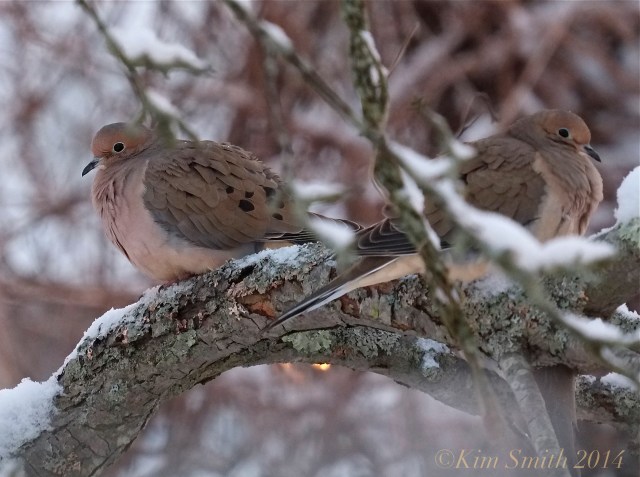
Doves fluff their feathers to trap warm air close to their bodies. This layer acts like a natural blanket. The feathers also have oils that repel water and keep them dry.
Behavioral Changes
Doves change their actions to conserve heat. They find sheltered spots and huddle together. These behaviors reduce heat loss and protect them from wind.
- Seeking shelter under dense trees
- Huddling close with other doves
- Reducing movement to save energy
- Roosting in sunlit areas during the day
Metabolic Adjustments
Doves increase their metabolism to produce more body heat. They eat more food to fuel this energy use. Their bodies also reduce heat loss by narrowing blood vessels.
| Adaptation | Purpose | Effect |
| Feather Fluffing | Trap Warm Air | Keeps Body Warm |
| Huddling | Reduce Heat Loss | Conserves Heat |
| Increased Metabolism | Produce More Heat | Maintains Body Temperature |
| Vasoconstriction | Limit Blood Flow to Skin | Reduces Heat Loss |
Challenges In Winter
Doves face many problems during cold winter months. The cold weather makes survival hard for them.
They must find food, avoid predators, and find shelter to stay warm and safe.
Food Scarcity
Winter reduces the amount of food doves can find. Plants stop growing and seeds get covered by snow.
Doves must search harder and travel farther to find enough food to keep their energy.
- Seeds are harder to find under snow
- Fewer insects are available
- Competition with other birds increases
Predator Risks
Cold weather makes doves slower and weaker. This makes them easy targets for predators.
Many predators hunt more in winter because food is scarce. Doves must stay alert and hidden.
- Hawks and owls hunt doves at night and day
- Foxes and cats search for birds near shelters
- Doves use camouflage to avoid being seen
Shelter Limitations
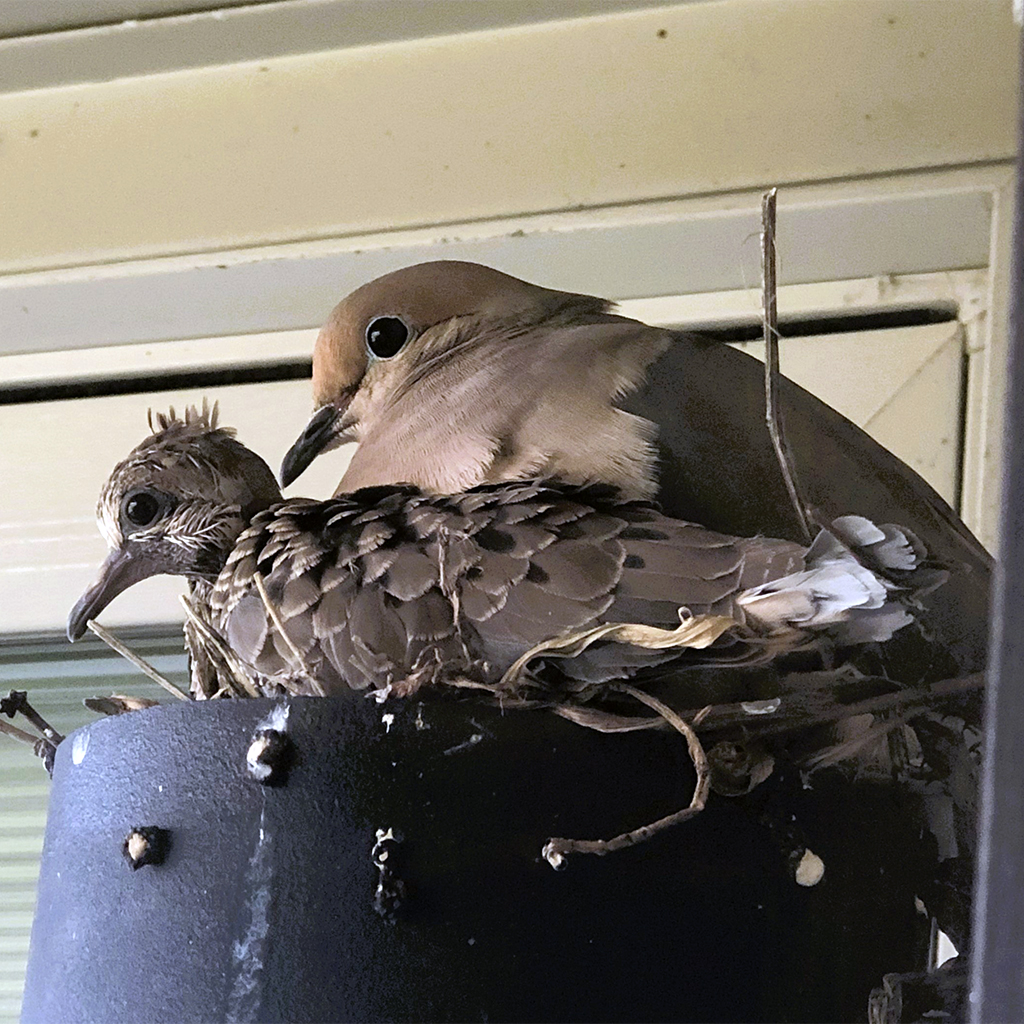
Doves need safe places to rest and keep warm. Winter storms and snow reduce good shelter options.
They often use trees, bushes, or buildings. But cold winds and wet conditions can still harm them.
- Dense shrubs offer protection from wind
- Tree cavities can block cold air
- Man-made structures sometimes provide shelter
Credit: www.cambridgeday.com
Signs Of Cold Stress In Doves
Doves can face serious health risks in cold weather. Watching for signs of cold stress helps protect them.
Cold stress can harm doves quickly. Early detection is key to keeping them safe and healthy.
Physical Symptoms
Physical symptoms show how cold affects a dove’s body. These signs often appear first.
Look for changes like feather puffing or shivering. These are clear signs the dove feels cold.
- Fluffed-up feathers to keep warm
- Shivering or trembling
- Cold, pale, or bluish feet and legs
- Drooping wings or slow movements
- Closed or half-closed eyes
- Lethargy or weakness
Behavioral Indicators
Behavior changes can also tell if a dove suffers from cold stress. Watch how they act.
Doves may seek shelter or stop eating when cold. These actions help them survive but show distress.
- Hiding in sheltered or warm spots
- Reduced activity and movement
- Less interest in food and water
- Huddling with other birds for warmth
- Slow or uncoordinated flight
How To Help Doves In Winter
Doves face many challenges in cold weather. They need extra care to survive the winter months. You can help doves by providing food and shelter.
Knowing what to do and what to avoid will keep doves safe and healthy during cold days. Here are some tips to help them.
Providing Food
Doves need more food in winter to keep warm. Offer seeds that give good energy. Avoid wet or moldy food because it can harm them.
- Provide sunflower seeds and millet
- Use a bird feeder that keeps food dry
- Place feeders in safe, quiet areas
- Keep food fresh and clean
Creating Shelter
Doves need shelter from wind, snow, and rain. Natural or man-made shelters help them stay warm and safe.
| Shelter Type | Benefits |
|---|---|
| Evergreen trees | Block wind and provide cover |
| Birdhouses | Offer dry, warm places to rest |
| Brush piles | Hide from predators and cold |
Avoiding Common Mistakes
Some actions can hurt doves in winter. Avoid these mistakes to keep them safe.
- Do not feed bread or salty foods
- Avoid placing feeders near busy roads
- Keep pets away from feeding areas
- Do not disturb nests or shelters
Wild Vs. Domestic Doves In Cold
Doves face challenges during cold weather. Wild doves and domestic doves have different ways to survive low temperatures.
Understanding their survival rates and care differences helps protect these birds in winter.
Survival Rates
Wild doves rely on natural shelters and food sources. They have adapted to cold but face risks like food shortage and predators.
Domestic doves live in controlled environments. They depend on humans for warmth and food during cold months.
| Type of Dove | Survival Strategy | Cold Weather Risk | Survival Rate |
|---|---|---|---|
| Wild Doves | Natural shelters, foraging | Food scarcity, predators | Moderate |
| Domestic Doves | Heated coops, provided food | Cold stress if not cared for | High if cared for |
Care Differences
Caring for domestic doves in cold weather needs extra attention. Wild doves manage on their own.
- Provide warm, dry shelter for domestic doves
- Supply fresh water that does not freeze
- Feed high-energy food to help maintain body heat
- Check doves daily for signs of cold stress
- Wild doves need natural cover like trees and shrubs
Frequently Asked Questions
Can Doves Tolerate Freezing Temperatures?
Doves can tolerate mild cold but struggle in freezing temperatures. They need shelter and extra food to survive harsh winters. Without protection, frostbite and hypothermia risk increase, affecting their health and survival chances.
How Do Doves Stay Warm In Winter?
Doves fluff up their feathers to trap heat and conserve body warmth. They also seek sheltered areas like dense trees or birdhouses to avoid wind and cold exposure during winter.
Do Doves Migrate To Avoid Cold Weather?
Most dove species do not migrate long distances. Instead, they adapt by finding warmer microclimates or staying near food sources during colder months to survive winter conditions.
What Food Helps Doves Survive Cold Weather?
High-energy seeds like millet and sunflower seeds help doves maintain body heat in cold weather. Providing fresh water and extra food boosts their energy and improves winter survival chances.
Conclusion
Doves can survive cold weather with some help. They fluff their feathers to stay warm. Finding shelter is key for their safety. Food and water become harder to find. People can support doves by providing food and shelter. Nature also plays a big role in their survival.
Cold weather is tough, but doves adapt well. Watching them shows their strength and beauty. They remind us how life finds a way.