Can Giant Hornets Survive in Cold Weather: Shocking Truth Revealed
When the temperature drops, you might wonder if giant hornets, those buzzing giants, can withstand the cold. These formidable insects often make headlines, sparking both fear and curiosity.
But what happens to them when winter arrives? Understanding their resilience in cold weather not only satisfies your curiosity but also helps you stay informed and prepared. As you dive into the fascinating world of giant hornets and their survival tactics, you’ll uncover surprising facts that could change how you see these creatures.
Prepare to be intrigued by the unexpected ways these hornets adapt to harsh conditions, and discover why knowing their limits can be crucial for your safety and peace of mind.

Credit: www.cbc.ca
Giant Hornet Basics
Giant hornets are large and powerful insects. They are known for their size and strong sting.
These hornets live in many parts of the world. Understanding their basics helps us learn if they can survive cold weather.
Physical Features
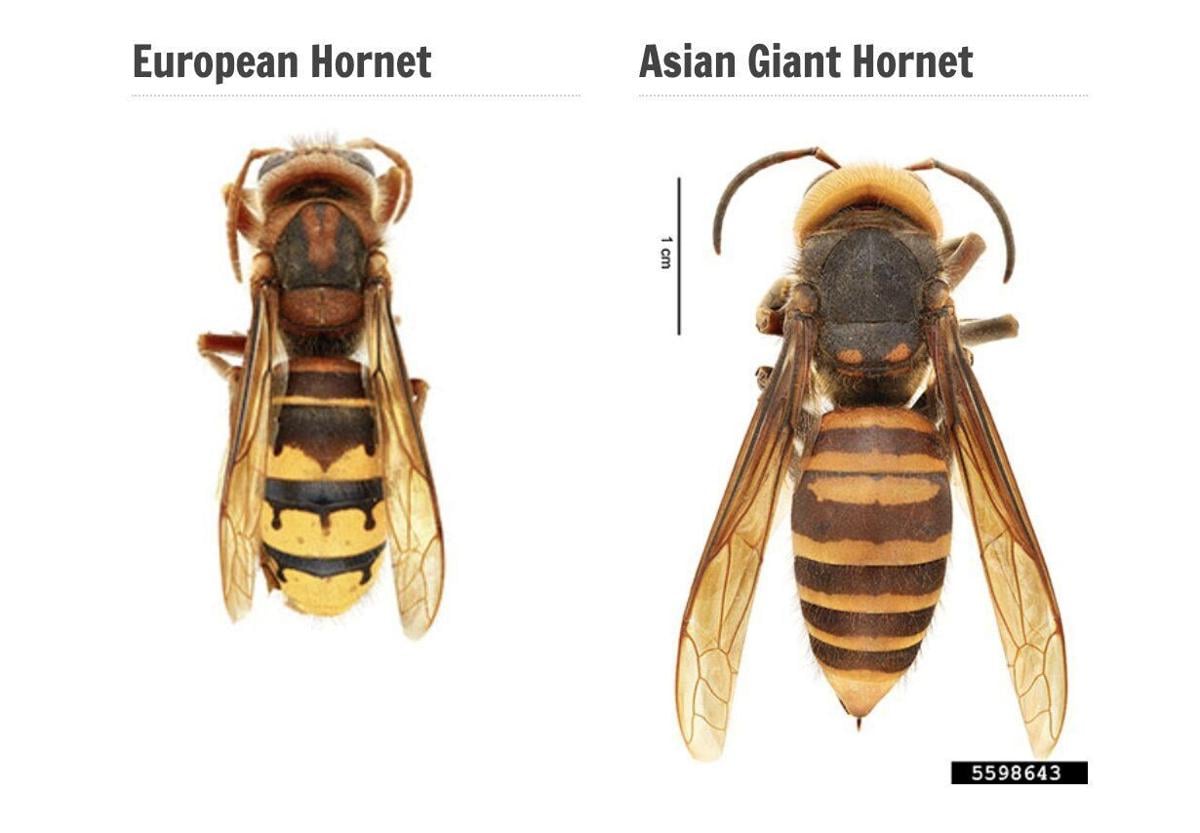
Giant hornets are the biggest hornet species. They have strong jaws and a long stinger.
- Body length can reach up to 2 inches (5 cm)
- Yellow and brown striped bodies
- Large wings that span about 3 inches (7.5 cm)
- Powerful stinger used for defense and hunting
Natural Habitat
Giant hornets usually live in forests. They build nests in hollow trees or underground.
| Habitat Type | Location | Climate |
| Forests | Asia, parts of Europe | Temperate to warm |
| Woodlands | Japan, Korea | Mild winters |
| Underground nests | Various regions | Protected from cold |
Lifecycle Stages
The lifecycle of giant hornets has several stages. Each stage helps them survive through seasons.
- Egg: Laid by the queen inside the nest
- Larva: Feeds on food brought by workers
- Pupa: Develops wings and legs inside a cocoon
- Adult: Leaves nest to hunt and protect the colony
Cold Weather Challenges
Giant hornets face many challenges in cold weather. Their bodies are not built for freezing temperatures. Cold can slow down their movements and affect their survival.
Understanding how cold weather impacts giant hornets helps us learn about their behavior. We can also compare them to other insects to see who handles cold better.
Temperature Effects On Insects
Insects are cold-blooded, so their body temperature changes with the air. When it gets cold, insects move slower and eat less. Some may even freeze if the temperature drops too low.
- Low temperatures reduce insect activity.
- Freezing can cause ice crystals in their bodies.
- Cold slows down metabolism and growth.
- Some insects enter a state called diapause to survive cold.
Survival Strategies In Cold
Giant hornets use several ways to survive cold weather. They build nests in protected places. The colony creates heat by vibrating their muscles. This keeps the queen warm during winter.
Here is a table showing common cold survival strategies in insects:
| Strategy | Description |
| Seeking Shelter | Find warm places like underground or inside trees |
| Huddling | Group together to share body heat |
| Antifreeze Chemicals | Produce substances to prevent ice formation in cells |
| Diapause | Enter a dormant state to reduce energy use |
| Muscle Vibration | Generate heat by shaking muscles |
Comparing Giant Hornets To Other Insects
Giant hornets survive cold better than many insects but not as well as some hardy species. Bees and ants also use heat production. Some beetles produce antifreeze chemicals.
- Giant hornets: Use muscle heat and shelter
- Bees: Vibrate muscles and form clusters
- Ants: Hide underground and reduce activity
- Beetles: Produce antifreeze in their bodies
- Butterflies: Migrate to warmer areas
Giant Hornet Adaptations
Giant hornets face cold weather by using special changes. These changes help them live through winter. They adjust their behavior, build strong nests, and alter their body functions.
Understanding these adaptations shows how these insects survive in tough, cold places.
Behavioral Adjustments
Giant hornets change their actions to stay warm. They reduce flying and stay inside the nest during cold days. Workers gather in groups to share body heat. This behavior keeps the whole colony warmer.
- Reduce activity to save energy
- Huddle together for warmth
- Limit flights to sunny hours
- Use body heat to warm the nest
Nest Construction And Insulation
Giant hornets build their nests to fight cold weather. They choose protected places like hollow trees or underground. The nest walls are thick and made from chewed wood. This material acts as good insulation.
| Feature | Purpose |
| Thick walls | Keep cold air out |
| Layered structure | Trap heat inside |
| Hidden location | Protect from wind and rain |
| Sealed entrances | Reduce heat loss |
Metabolic Changes
Giant hornets change their metabolism in cold weather. They slow down their energy use to survive on less food. Their body produces heat by muscle movement inside the nest. This helps keep the colony warm.
Metabolic Adaptations Include:
- Lower energy use during cold spells
- Heat generation by muscle activity
- Fat storage to last through winter
- Ability to survive long fasting periods

Credit: www.yourpetsdaily.co.uk
Geographical Spread In Cold Regions
Giant hornets are known for living in warm places. Their ability to live in cold regions is limited. This affects where they can be found around the world.
Understanding their spread in cold areas helps us learn if they can survive harsh winters. It also shows if they might move to new places.
Current Distribution
Giant hornets mainly live in parts of Asia with mild winters. They are common in Japan, Korea, and parts of China. Some types also live in warmer areas of Russia.
They are not found in places with very cold winters, like northern Europe or Canada. Their current range mostly stays in temperate zones.
- Japan and Korea have the highest giant hornet populations
- Parts of eastern China have moderate numbers
- Southern Russia hosts some giant hornets in warmer areas
- No established populations in very cold northern regions
Cases Of Cold Climate Survival
Some giant hornets can survive brief cold spells. They protect their nests well to avoid freezing. Queens hibernate during winter to stay alive.
Survival in deep cold is rare. Most hornets die if temperatures drop too low for too long. Survival depends on how cold and long the winter lasts.
- Queens hide in bark or underground during winter
- Nests are insulated to keep warm
- Short cold periods can be survived
- Long, harsh winters usually kill hornets
Potential For Expansion
Giant hornets might expand to new areas if winters stay mild. Climate change could make cold regions warmer. This change could help hornets survive in more places.
Human activity may also move hornets to new regions. If they find good shelter and food, they might settle in colder zones more often.
- Warmer winters help hornets survive cold regions
- Human travel can spread hornets to new areas
- Good shelter and food increase survival chances
- Expansion depends on climate and environment
Impact Of Climate Change
Climate change affects many animals and insects. Giant hornets face new challenges as temperatures rise. Cold weather plays a big role in their survival.
We will explore how warmer winters help hornets live longer. We will see how their homes move and the effects on nature.
Warmer Winters And Hornet Survival
Warmer winters mean fewer hornets die from cold. These hornets can stay active longer and build bigger nests. This change lets more hornets survive the winter.
- Less frost kills fewer hornets
- Longer seasons for hunting and breeding
- Increased hornet population in spring
Shifts In Habitat Range
As temperatures rise, giant hornets move to new places. They spread to cooler areas they could not live before. This shift changes local ecosystems.
| Current Range | Possible New Range |
| Temperate forests | Higher altitudes |
| Warm regions | Northward areas |
| Coastal zones | Inland zones |
Ecological Consequences
More giant hornets can harm other insects and plants. They reduce bee populations and affect pollination. This change impacts food chains and crop growth.
Key ecological effects include:
- Decline in native bee numbers
- Lower pollination rates
- Disrupted food webs
- Threat to local plant diversity
Credit: www.insidehalton.com
Human Interaction And Safety
Giant hornets can pose safety risks, especially during cold weather. People often wonder if these insects survive cold seasons and how to stay safe.
This guide covers the risks, prevention, and how to respond to hornet problems in winter.
Risks During Cold Seasons
Giant hornets are less active in cold weather but still dangerous. They may become aggressive if disturbed.
- Hornets seek shelter indoors in winter.
- Disturbed nests can cause attacks.
- Cold weather does not kill all hornets.
- People may unknowingly come close to hidden nests.
Preventive Measures
Taking steps to avoid hornet encounters helps protect you and your family.
- Seal cracks and gaps in walls and windows.
- Remove food sources that attract hornets.
- Keep outdoor lights off at night near entrances.
- Wear protective clothing if working near nests.
- Educate family members about hornet safety.
Responding To Infestations
If you find a hornet nest during cold months, act carefully to avoid stings.
| Action | Recommended Approach |
| Identify the nest | Keep a safe distance and observe quietly |
| Contact professionals | Call pest control experts to remove the nest |
| Avoid DIY removal | Do not use sprays or try to destroy the nest alone |
| Protect yourself | Wear thick clothing if near the nest |
Frequently Asked Questions
Can Giant Hornets Survive Freezing Winter Temperatures?
Giant hornets cannot survive extreme freezing temperatures. They protect their queen by building insulated nests. Workers die off as cold intensifies. The queen hibernates alone in sheltered spots until spring.
How Do Giant Hornets Protect Themselves From Cold?
They build nests in insulated, protected areas like tree hollows. The nest’s structure retains heat. Workers cluster tightly to share warmth. This behavior helps the colony endure mild cold periods.
Do Giant Hornets Hibernate During Winter?
Yes, only the queen hibernates through winter. Workers and drones die as temperatures drop. The queen hides in a safe, warm place. She emerges in spring to start a new colony.
What Happens To Giant Hornet Colonies In Cold Weather?
Colonies collapse as workers die in cold. Only fertilized queens survive winter by hibernating. These queens start new colonies after winter ends. Cold weather limits giant hornet population growth.
Conclusion
Giant hornets struggle to survive in very cold weather. They avoid harsh winter by staying deep in nests. Their survival depends on mild temperatures and shelter. Cold weather limits their activity and growth. Understanding their limits helps us protect nature better.
Giant hornets are strong but not built for freezing cold. Their winter behavior shows how they adapt to survive. This knowledge can help reduce fear and spread facts. Nature always finds ways to balance life and weather.