How Coyotes Survive in Hot And Cold Weather: Ultimate Adaptation Secrets
Have you ever wondered how coyotes manage to thrive in both scorching deserts and freezing tundras? These adaptable creatures are true survivalists.
They have an incredible ability to endure extreme weather conditions, whether it’s the blazing heat of summer or the bitter cold of winter. Understanding their survival tactics not only satisfies your curiosity but also offers insights into nature’s resilience. Imagine having the skills to overcome any challenge, regardless of the environment.
As you read on, you’ll discover the secrets behind the coyote’s adaptability, perhaps even gaining inspiration for your own life. So, are you ready to unlock the mysteries of nature’s most versatile survivor?
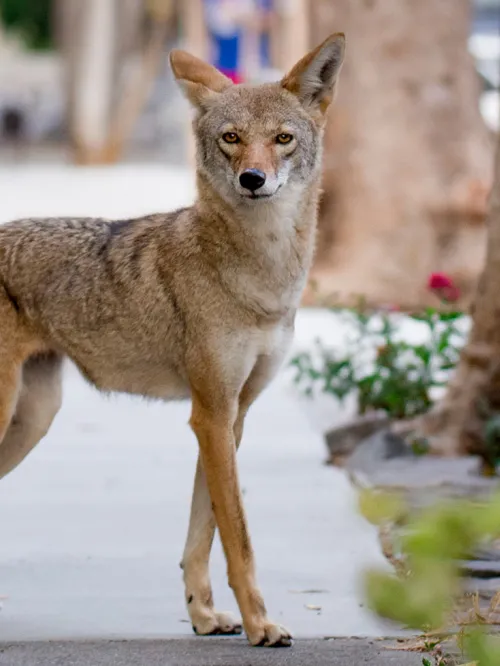
Credit: www.humaneworld.org
Coyote Habitat Range
Coyotes live in many parts of North and Central America. They adapt well to different environments. Their range includes deserts, forests, and urban areas.
Understanding how coyotes survive in extreme weather helps us learn about their habitats. This article looks at their habitat range and seasonal movements.
Regions With Extreme Temperatures
Coyotes live in areas with very hot summers and cold winters. They are found in deserts and mountains with wide temperature changes. Their fur changes thickness with the seasons to keep warm or cool.
- In hot deserts, coyotes stay active mostly at night to avoid heat.
- In cold regions, they grow thick fur and hunt during the day for warmth.
- They use dens to shelter from harsh weather in both hot and cold climates.
Seasonal Movements
Coyotes move to different places depending on the season. They look for food and shelter that suit the weather. These movements help them survive in changing conditions.
| Season | Movement Behavior | Reason |
|---|---|---|
| Spring | Expand territory | Find mates and raise pups |
| Summer | Move to cooler areas | Avoid extreme heat |
| Fall | Search for food-rich zones | Prepare for winter scarcity |
| Winter | Stay near food sources | Conserve energy and survive cold |
Physical Adaptations
Coyotes survive in both hot and cold weather thanks to special physical traits. These traits help them stay cool in summer and warm in winter. They adjust their bodies to handle changing temperatures.
This section explains how their fur, body shape, and heat control features work. These adaptations make coyotes strong in many environments.
Fur Changes Across Seasons
Coyotes grow thick fur before winter. This fur keeps them warm by trapping heat. In summer, they shed this thick fur to stay cool. Their coat becomes lighter and thinner.
- Winter fur is dense and long
- Summer fur is short and thin
- Color changes from gray-brown to lighter tones
- Shedding helps regulate body temperature
Body Size And Shape
Coyotes have slim bodies that help them survive. Their size and shape reduce heat loss in cold weather. In hot weather, a slim body allows faster heat loss. This helps them keep a safe temperature.
| Feature | Benefit in Cold Weather | Benefit in Hot Weather |
| Small ears and paws | Less heat loss | Reduced exposure to sun |
| Long legs | Better movement in deep snow | Increased air circulation |
| Lean body | Retains heat | Allows heat escape |
Heat Dissipation Features
Coyotes lose heat through several body parts. Their noses and ears help release heat in hot weather. They pant to cool down. Their paws also help cool the body by touching cool ground.
- Panting to release heat
- Using ears as heat radiators
- Touching cool surfaces with paws
- Resting in shade during the hottest times
Behavioral Strategies
Coyotes use many behaviors to survive in both hot and cold weather. These strategies help them stay safe and healthy.
Understanding their behavior shows how they adapt to different climates and challenges.
Nocturnal Activity Patterns
Coyotes are mostly active at night to avoid heat during the day. Nighttime is cooler and safer for hunting.
In cold weather, they also move more at night to keep warm and find food. This helps them save energy.
Den Selection And Shelter
Coyotes choose dens in protected places like caves or thick bushes. These spots keep them safe from weather.
In winter, dens help block cold winds and keep pups warm. In summer, dens provide shade and coolness.
- Use underground burrows or natural shelters
- Pick spots with thick vegetation
- Change dens based on season and weather
Water Conservation Tactics
Coyotes drink less water in hot weather by eating juicy plants and prey. This helps them stay hydrated.
They also limit activity during the hottest parts of the day to reduce water loss. In cold weather, they get water from snow.
- Eat moist foods like fruits and small animals
- Rest during midday heat to save water
- Use snow or ice as water source in winter
Credit: westernhunter.net
Diet Flexibility
Coyotes survive in many climates because they eat a wide variety of foods.
Their diet changes with the seasons to fit what is available.
Food Sources In Winter
In winter, coyotes find food in tough conditions by hunting and scavenging.
- Small mammals like rabbits and rodents
- Birds and their eggs
- Fruits that last into winter, such as berries
- Carcasses left by other animals or humans
- Insects hiding under bark or snow
Foraging In Summer Heat
Summer brings more food options but also heat that limits hunting times.
| Food Type | Details |
| Insects | Abundant and easy to catch during cooler parts of the day |
| Fruits and Berries | Found in fields and forests, providing water and nutrients |
| Small Mammals | Active mostly in early morning and late evening |
| Reptiles and Amphibians | Common in warm weather and near water sources |
Thermoregulation Techniques
Coyotes live in places with very hot and cold weather. They use special ways to keep their body temperature steady. These ways help them survive in tough weather.
Thermoregulation helps coyotes avoid getting too hot or too cold. This keeps them healthy and active all year long.
Panting And Sweating
Coyotes pant to cool down in hot weather. Panting lets air pass over their moist tongue and mouth. This helps heat leave their body.
Coyotes have very few sweat glands. Most sweat glands are on their paws. Sweating helps a little, but panting is the main way they cool down.
- Panting increases evaporation and cools the body.
- Sweat on paws helps cool but is limited.
- Both help keep body temperature safe.
Seeking Shade And Sun
In hot weather, coyotes rest in shaded areas. Shade blocks sunlight and lowers body heat. In cold weather, they find sunny spots to warm up.
Finding the right place helps coyotes control their body temperature without using too much energy.
- Shade lowers heat during hot days.
- Sunlight warms the body in cold times.
- Choosing spots helps them stay comfortable.
Energy Conservation Methods
Coyotes save energy to handle temperature changes. They move less in extreme heat or cold. This reduces body heat loss or gain.
They also rest during the hottest or coldest parts of the day. This keeps their energy for hunting and other activities.
- Limit movement to save energy.
- Rest during extreme weather periods.
- Use energy wisely for survival tasks.

Credit: www.skedaddlewildlife.com
Reproductive Timing
Coyotes adjust their breeding to survive in changing weather. Timing is key for their pups’ safety.
They mate at times that help their young grow strong in tough climates.
Breeding Seasons And Climate
Coyotes breed mostly in late winter or early spring. This timing helps pups avoid extreme weather.
- In cold areas, breeding starts earlier to give pups time to grow before winter.
- In hot regions, breeding may shift to cooler months for pup comfort.
- Climate changes can shift the breeding season slightly each year.
Pup Survival In Harsh Conditions
Pup survival depends on weather and parental care. Coyotes protect pups from heat and cold.
| Condition | Survival Strategy | Effectiveness |
| Extreme Cold | Denning underground for warmth | High |
| High Heat | Resting in shaded dens during day | Moderate |
| Variable Weather | Parents adjust feeding times | Good |
Frequently Asked Questions
How Do Coyotes Adapt To Extreme Heat?
Coyotes seek shade and reduce activity during peak heat. They pant to cool down and conserve water by eating moisture-rich foods. Their light-colored fur reflects sunlight, helping them stay cool in hot weather.
What Strategies Help Coyotes Survive Cold Winters?
Coyotes grow thicker fur in winter for insulation. They hunt more actively to maintain energy and stay warm. Coyotes also use dens or burrows to shield from harsh winds and snow.
How Do Coyotes Regulate Body Temperature Year-round?
Coyotes adjust behavior with seasonal changes, resting in cool or warm spots. Their fur adapts to weather, and they balance activity levels to avoid overheating or excessive cold exposure.
What Role Does Diet Play In Coyote Survival?
Coyotes have a flexible diet, eating small mammals, insects, and plants. This adaptability ensures they get nutrients and hydration, aiding survival in both hot and cold climates.
Conclusion
Coyotes adapt well to both hot and cold weather. Their thick fur changes with the seasons. They hunt at night to avoid heat during summer. In winter, their thick coat keeps them warm. Coyotes also find shelter in burrows or dense bushes.
These habits help them survive in many environments. Their strong survival skills make them very resilient animals. Understanding their behavior shows nature’s clever design. Coyotes prove that wildlife can thrive anywhere, no matter the weather.