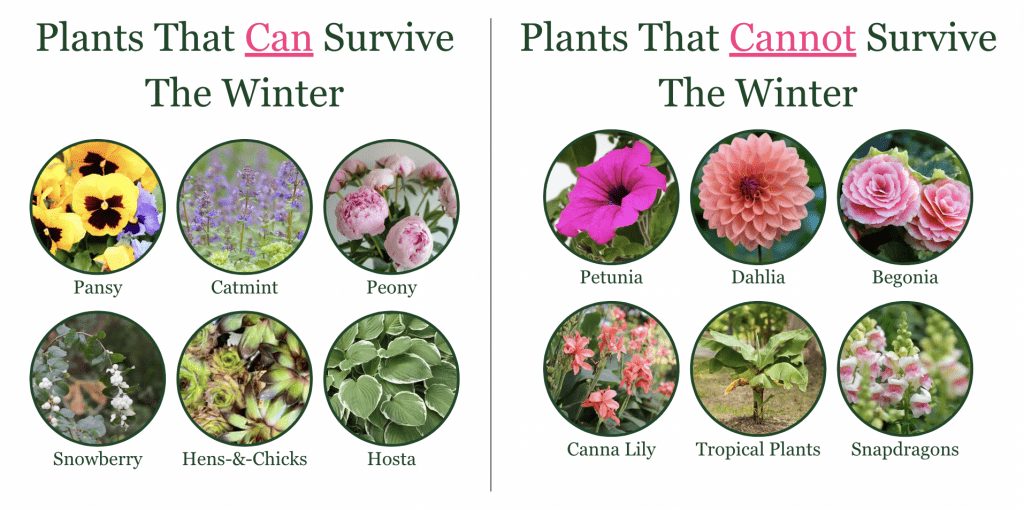
What Plants Can Survive in Cold Weather: Top Hardy Greens Revealed
Ever gazed out at your frost-covered garden and wondered what plants can brave the cold? You’re not alone.
As temperatures drop, many of us face the challenge of maintaining a vibrant garden. But here’s the good news: there are resilient plants that thrive even in the chilliest conditions. Imagine stepping into your winter garden and being greeted by greenery and blossoms, defying the frost.
Intrigued? This guide is your ticket to discovering the hardy plants that can transform your winter garden into a lush oasis. Read on to uncover which plants can withstand the cold, ensuring your garden stays alive and beautiful all year round.
Cold-hardy Greens
Cold-hardy greens grow well in chilly weather. They can survive frost and light freezes. These plants add fresh greens to your winter garden.
Many varieties stay tasty and healthy even when temperatures drop. Growing these greens helps extend your harvest season.
Kale Varieties
Kale is one of the toughest greens. It can survive cold and snow. Different types offer various flavors and textures.
- Curly kale: classic, ruffled leaves, slightly bitter taste
- Lacinato kale: dark blue-green leaves, sweeter flavor
- Red Russian kale: tender leaves with red stems, mild taste
Spinach Types
Spinach grows fast in cold weather. It can handle frost and still produce tender leaves. Some types do better in winter than others.
| Spinach Type | Cold Hardiness | Flavor |
| Savoy | High | Strong, crinkled leaves |
| Flat-leaf | Medium | Smooth leaves, mild taste |
| Baby spinach | High | Tender, sweet leaves |
Collard Greens
Collards are very cold-tolerant. They grow best in cool weather and improve after frost. Their large leaves are great for cooking.
Swiss Chard
Swiss chard can survive mild cold. It grows colorful stems and large leaves. It is less hardy than kale or collards but still good for cool gardens.
Mustard Greens
Mustard greens tolerate cold well. They add a spicy flavor to salads and cooked dishes. Frost makes their taste milder and sweeter.

Credit: gardenerspath.com
Root Vegetables That Endure Frost
Root vegetables can survive cold weather and frost. They grow underground and stay protected from freezing temperatures.
Many gardeners prefer these vegetables for late fall and winter harvests. They add nutrition and flavor to cold-season meals.
Carrots
Carrots are hardy and can handle frost well. The cold makes them sweeter as they convert starch to sugar.
Plant carrots in loose soil to help roots grow deep and avoid freezing. Cover with mulch for extra protection.
Turnips
Turnips can survive freezing temperatures easily. Their leaves may die back, but roots stay firm and edible.
- Plant turnips in late summer for fall harvest.
- Mulch to keep soil temperature steady.
- Harvest after first frost for sweeter taste.
Beets
Beets resist frost well and can stay in the ground over winter. Their roots store sugars that prevent freezing.
| Care Tip | Details |
| Soil | Well-drained and loose |
| Planting Time | Late summer or early fall |
| Protection | Mulch with straw or leaves |
| Harvest | After first frost for best flavor |
Parsnips
Parsnips are very frost-tolerant. They need a long growing season but taste better after frost.
Tips for growing parsnips in cold weather:
- Plant early in spring for a long season.
- Keep soil moist but not waterlogged.
- Harvest after frost to enjoy sweeter roots.
Cruciferous Vegetables For Cold Climates
Cruciferous vegetables grow well in cold weather. They can survive frost and low temperatures. These vegetables are great for winter gardens.
They include Brussels sprouts, cabbage, broccoli, and cauliflower. Each has unique qualities that help them thrive in cold climates.
Brussels Sprouts
Brussels sprouts grow best in cool weather. They need a long growing season with frost to improve their flavor. The sprouts are small and grow along a tall stalk.
Cabbage
Cabbage is very hardy and can handle freezing temperatures. It forms dense heads that stay fresh longer in cold weather. This vegetable is easy to store after harvest.
Broccoli
Broccoli grows best in cool seasons. It stops growing if the weather gets too hot. Cold weather helps broccoli produce tight, healthy heads.
- Plant broccoli in early spring or fall
- Keep soil moist and well-drained
- Harvest when heads are firm and tight
- Protect from heavy frost with mulch
Cauliflower
Cauliflower needs cool temperatures to form heads. Warm weather can cause the heads to become loose or discolored. It is sensitive but does well in cold climates.
| Vegetable | Cold Tolerance | Best Planting Time |
| Brussels Sprouts | High | Early Spring, Late Summer |
| Cabbage | Very High | Early Spring, Fall |
| Broccoli | High | Early Spring, Fall |
| Cauliflower | Moderate | Early Spring, Fall |
Credit: www.familyhandyman.com
Tips For Growing In Cold Weather
Growing plants in cold weather can be a challenge. Some plants survive well if you prepare properly.
This guide offers tips to help your plants stay healthy and strong in cold climates.
Soil Preparation
Good soil helps plants grow better in cold weather. Loose soil warms up faster in spring.
Add compost or organic matter to improve soil texture and nutrients. This helps roots stay healthy.
- Mix compost into the soil before planting
- Test soil pH to match plant needs
- Remove weeds to reduce competition
Frost Protection Techniques
Frost can damage or kill plants. Protect them with covers or barriers during cold nights.
Use mulch to keep soil warmer. Move potted plants indoors or to sheltered spots.
- Cover plants with cloth or frost blankets
- Use straw or leaves as mulch around plants
- Place cold frames or cloches over seedlings
Optimal Planting Times
Planting at the right time helps plants avoid the worst cold. Follow local frost dates for guidance.
Early spring or late summer can be good times for cold-tolerant plants. Avoid planting right before a freeze.
- Check last frost date for your area
- Plant hardy crops early in spring
- Start seeds indoors to protect from cold
Watering Strategies
Water plants well before a freeze. Moist soil holds heat better than dry soil.
Avoid overwatering in cold weather. Too much water can cause root problems or freezing damage.
- Water plants early in the day to allow drying
- Keep soil moist but not soggy
- Reduce watering during very cold or frozen periods
Benefits Of Cold-weather Gardening
Cold-weather gardening lets you grow plants that survive chilly temperatures. It helps gardeners enjoy fresh food even in winter.
Many plants can thrive in cold weather and bring unique advantages to your garden. You can grow healthy crops and avoid pests.
Nutrient-rich Crops
Cold weather helps some vegetables become more nutritious. Plants like kale and spinach grow sweeter and richer in vitamins.
These crops often contain more antioxidants and minerals in cold climates. Eating them boosts your health in winter months.
- Kale
- Spinach
- Brussels sprouts
- Carrots
- Beets
Extended Harvest Seasons
Cold-weather gardening can extend your harvest season. You can plant crops that grow well in fall and early spring.
This means fresh vegetables for a longer time. You do not have to stop gardening when the weather gets cold.
- Plant hardy greens like lettuce and chard
- Use cold frames or row covers to protect plants
- Harvest late-season root vegetables
Pest And Disease Resistance
Cold temperatures reduce many garden pests. Bugs and fungi do not grow well in cold weather.
Growing plants in cold weather lowers pest damage and disease risk. This means less need for chemicals.
- Fewer insects like aphids and caterpillars
- Lower chance of mold and mildew
- Healthier plants with natural protection
Credit: www.hgtv.com
Frequently Asked Questions
What Plants Thrive Best In Cold Weather Conditions?
Cold-hardy plants like evergreens, pansies, and kale thrive in cold weather. They resist frost and survive freezing temperatures, making them ideal for winter gardens.
How Do Cold Weather Plants Survive Freezing Temperatures?
These plants have adaptations like antifreeze proteins and tough leaves. They reduce water loss and prevent ice formation inside cells, enabling survival in harsh cold.
Can Vegetables Grow In Cold Weather Climates?
Yes, vegetables such as carrots, spinach, and Brussels sprouts grow well in cold climates. They tolerate frost and even improve in flavor after exposure to cold.
What Are The Best Flowers For Cold Weather Gardening?
Pansies, hellebores, and snowdrops are excellent for cold weather. They bloom early and withstand freezing temperatures, brightening gardens during winter months.
Conclusion
Cold weather does not mean the end of gardening. Many plants can thrive despite low temperatures. Choose hardy plants like evergreens, pansies, or kale. They add life and color through winter. Protect your garden with mulch and proper care. Watch your plants grow strong even in frost.
Gardening in cold weather is possible and rewarding. Keep learning and enjoy your green space year-round.