How Did Humans Survive Hurricanes: Secrets to Enduring Nature’s Fury
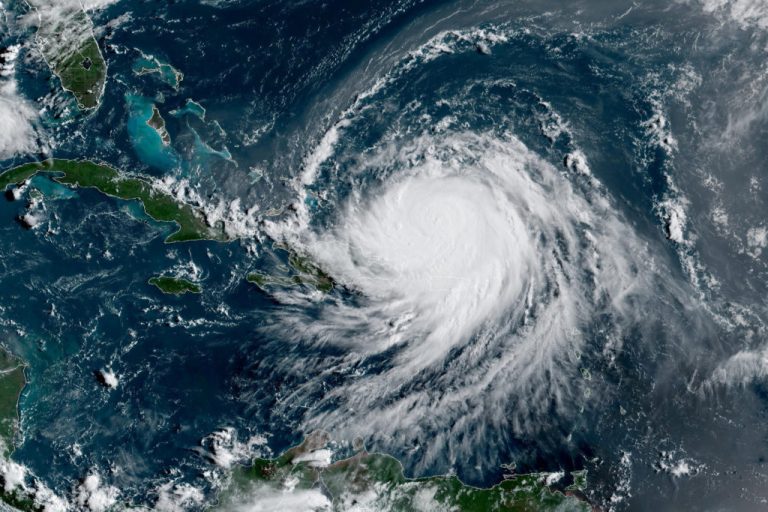
Have you ever wondered how humans have managed to survive the fury of hurricanes throughout history? These natural disasters are known for their destructive power, capable of leveling entire cities and altering landscapes.
Yet, humans have endured and adapted, finding ways to protect themselves against nature’s wrath. You’ll uncover the fascinating strategies and innovations that have allowed people to weather the storm. From ancient techniques to modern technologies, we’ll explore the methods that have kept communities safe and resilient.
This isn’t just a story of survival; it’s a testament to human ingenuity and perseverance. So, if you’re curious about how our ancestors and modern societies have faced these formidable forces of nature, keep reading. The answers may surprise you and change how you view the next storm.

Credit: www.foodengineeringmag.com
Ancient Shelter Techniques
Long ago, people faced strong storms like hurricanes. They had to find ways to stay safe. They used nature and built smart shelters.
These early methods helped them survive fierce winds and heavy rain. Their ideas still teach us about safe building today.
Natural Caves And Rock Formations
People used caves and rock shelters as natural homes. These places protected them from strong winds and rain. Caves were cool and safe during storms.
Rock formations acted like walls against hurricanes. They blocked wind and stopped floods from reaching people inside. These shelters were free and easy to find.
Building With Local Materials
Ancient builders used stones, wood, and leaves from their area. These materials were strong and easy to get. They made homes that fit the weather.
Using local resources helped their houses last longer. They knew which materials could hold up during storms and which could not.
- Stone for strong walls
- Wood for flexible frames
- Leaves and grass for waterproof roofs
Elevated And Wind-resistant Structures
People built homes raised off the ground to avoid flood water. This kept them dry during heavy rain and storm surges. Poles and stilts lifted houses high.
They also shaped roofs and walls to resist strong winds. Sloped roofs let rainwater run off fast. Rounded walls helped wind flow around the house.
- Raised floors to prevent flooding
- Sloped roofs for quick water drainage
- Rounded walls to reduce wind pressure
Credit: www.smithsonianmag.com
Community And Social Strategies
Humans have survived hurricanes by working together as communities. Social strategies helped people stay safe and recover faster.
Sharing resources, passing down knowledge, and strong leadership played key roles in survival during storms.
Shared Resources And Cooperation
Communities often shared food, water, and shelter before and after hurricanes. Cooperation made sure everyone had what they needed.
- Neighbors helped each other build storm-proof homes.
- People shared tools and boats for rescue and repair.
- Communities pooled food and water supplies.
- Groups worked together to clear debris and rebuild.
Oral Traditions And Early Warnings
Before modern technology, people passed storm warnings through stories and signs. Oral traditions helped prepare communities early.
| Warning Method | Description |
| Stories and Songs | Shared past hurricane experiences and advice. |
| Natural Signs | Watching wind, clouds, and animal behavior. |
| Community Messengers | People sent quickly to warn neighbors. |
Role Of Leadership During Storms
Leaders helped organize safety plans and kept calm during hurricanes. Their guidance saved many lives.
- Creating evacuation plans and safe zones.
- Coordinating resource sharing and shelter building.
- Communicating warnings and updates clearly.
- Leading rescue and rebuilding efforts.
Adaptation To Changing Environments
Humans have lived through hurricanes for many years. They learned to change how they live to stay safe. Adapting to the environment helped them survive strong storms.
People observed nature and changed their habits. These changes helped them prepare for hurricanes and reduce damage.
Seasonal Migration Patterns
Some groups moved to safer places before hurricane season. They traveled to higher or more protected areas. This movement helped them avoid the worst storms.
Migration was planned based on weather signs and past experiences. Moving early kept people away from danger and made survival easier.
Crop Selection And Food Storage
People chose crops that could survive strong winds and heavy rain. They picked plants that grew fast and were easy to store. This helped them have food even after storms.
Food storage was key. Drying and smoking food made it last longer. Storing food in safe places protected it from flood damage.
- Grow strong, fast crops like root vegetables
- Dry or smoke food to preserve it
- Keep food in raised or protected areas
Water Management Techniques
Collecting and storing clean water helped people survive when storms hit. They built wells and rain catchers to save water. This ensured fresh water was available during floods.
People also made drainage paths to remove extra water from homes. Managing water reduced diseases and kept living areas safer.
- Use wells and rain catchers to save water
- Build ditches to drain floodwater
- Protect water sources from contamination
Technological Innovations Over Time
Humans have faced hurricanes for centuries. They survived by creating tools and methods to protect themselves. Technology has improved over time to keep people safer.
This article looks at how technology evolved in three key areas: early reinforcement tools, weather prediction, and modern construction.
Early Tools For Reinforcement
Long ago, people used simple tools to strengthen their homes against strong winds. Wood, stones, and ropes helped hold structures together. They learned which materials were best to resist damage.
- Using heavy stones to anchor roofs
- Binding wooden beams with ropes
- Building low and sturdy walls
- Covering windows with wooden shutters
Development Of Weather Prediction
People started to watch the sky and sea to predict storms. They used early tools like barometers and wind vanes. These helped them know when a hurricane was near.
| Tool | Purpose | When Used |
| Barometer | Measures air pressure | Detects storm pressure drops |
| Wind Vane | Shows wind direction | Warns of changing winds |
| Storm Glass | Changes with weather | Predicts rain or storms |
Modern Construction Advances
Today, buildings use strong materials and designs to fight hurricanes. Engineers build houses with special roofs and walls. These reduce damage from high winds and water.
- Impact-resistant windows
- Reinforced concrete walls
- Elevated foundations to avoid flooding
- Roof straps to hold roofs in place
Psychological Resilience And Cultural Beliefs
Humans have survived hurricanes through strong minds and shared beliefs. These help people stay calm and hopeful during storms.
Cultural traditions and community support build mental strength. They guide actions and give meaning to hard times.
Rituals And Spiritual Practices
Many cultures use rituals to face hurricanes. These practices bring comfort and reduce fear before and after storms.
- Prayers and chants for protection
- Lighting candles or fires to guide spirits
- Offerings to nature or gods for safety
- Community ceremonies to share hope
Community Bonding During Crises
People join together in hard times. This support helps reduce stress and speeds recovery after hurricanes.
| Activity | Purpose |
| Sharing food and water | Meet basic needs |
| Helping rebuild homes | Restore safety |
| Storytelling and singing | Lift spirits |
| Organizing group plans | Stay prepared |
Stories And Lessons Passed Down
Older generations share stories about past hurricanes. These teach younger people how to survive and stay safe.
- Recognize signs of an approaching storm
- Know safe places to shelter
- Prepare supplies in advance
- Respect nature’s power and act wisely

Credit: www.reddit.com
Lessons For Future Preparedness
Humans have survived hurricanes for centuries by learning from past events. These lessons help us prepare better for future storms. Understanding how to protect ourselves is key to reducing harm.
We can improve safety by using old wisdom, better technology, and strong communities. Each approach plays a part in facing hurricanes with more confidence.
Integrating Traditional Knowledge
Traditional knowledge offers valuable tips for hurricane survival. People in coastal areas have shared ways to read nature’s signs and prepare for storms. This knowledge often comes from generations of experience.
- Watching animal behavior before storms
- Using natural shelters like caves or strong trees
- Building homes with materials that can withstand wind
- Storing food and water for emergencies
Improving Early Warning Systems
Early warnings help people act fast and stay safe. New technology gives more accurate hurricane forecasts. Alerts reach communities through phones, radios, and sirens.
| Warning Type | Purpose | Example |
| Watch | Possible hurricane in area | Stay alert |
| Warning | Hurricane expected soon | Take action |
| Evacuation Order | Leave area immediately | Move to safety |
Building Sustainable Communities
Strong communities recover faster after hurricanes. Planning and building with nature in mind lowers risks. Using green spaces and strong buildings protects people and the environment.
- Designing homes to resist strong winds
- Planting trees to reduce flooding
- Creating safe public shelters
- Teaching disaster skills to residents
Frequently Asked Questions
How Did Early Humans Prepare For Hurricanes?
Early humans used natural signs like changing winds and animal behavior. They sought shelter in caves or sturdy structures. They also stored food and water to survive after storms. These strategies helped them endure harsh hurricane conditions before modern forecasting.
What Survival Skills Helped Humans During Hurricanes?
Humans relied on strong shelters, resourcefulness, and community support. They secured food and fresh water, avoided flood zones, and stayed informed through nature’s cues. These skills minimized risks and improved their chances of surviving powerful hurricanes.
How Did Communities Rebuild After Hurricanes Historically?
Communities quickly repaired homes and infrastructure using available materials. They shared resources and worked together to restore safety. Traditional knowledge guided rebuilding efforts to withstand future storms, strengthening resilience over time.
Why Is Understanding Hurricane Survival Important Today?
Knowing past survival methods helps improve modern hurricane preparedness. It teaches us resilience, adaptation, and community cooperation. This knowledge reduces damage, saves lives, and guides emergency planning in hurricane-prone areas.
Conclusion
Humans survived hurricanes by learning and adapting over time. They built stronger homes and created warning systems. Communities worked together to prepare and stay safe. Nature’s power is strong, but people’s spirit is stronger. Each storm teaches new ways to protect life and property.
Staying alert and ready saves many lives every year. Survival depends on knowledge, teamwork, and quick action. People will keep improving how they face hurricanes. Safety is always the best choice during these storms.