Can a Condo Survive a Hurricane: Essential Safety Insights
Imagine standing in your beautiful condo, watching the weather reports predict a hurricane heading your way. You might wonder, “Can my condo withstand the fierce winds and heavy rains?”
This question is crucial, not just for your peace of mind but also for your safety and investment. You want to ensure that your home is as secure as possible against nature’s fury. We’ll uncover the facts and debunk myths about condo resilience during a hurricane.
By the end, you’ll have a clearer understanding of how prepared your condo truly is and what steps you can take to enhance its safety. Keep reading to discover the secrets that could make all the difference when a hurricane approaches.
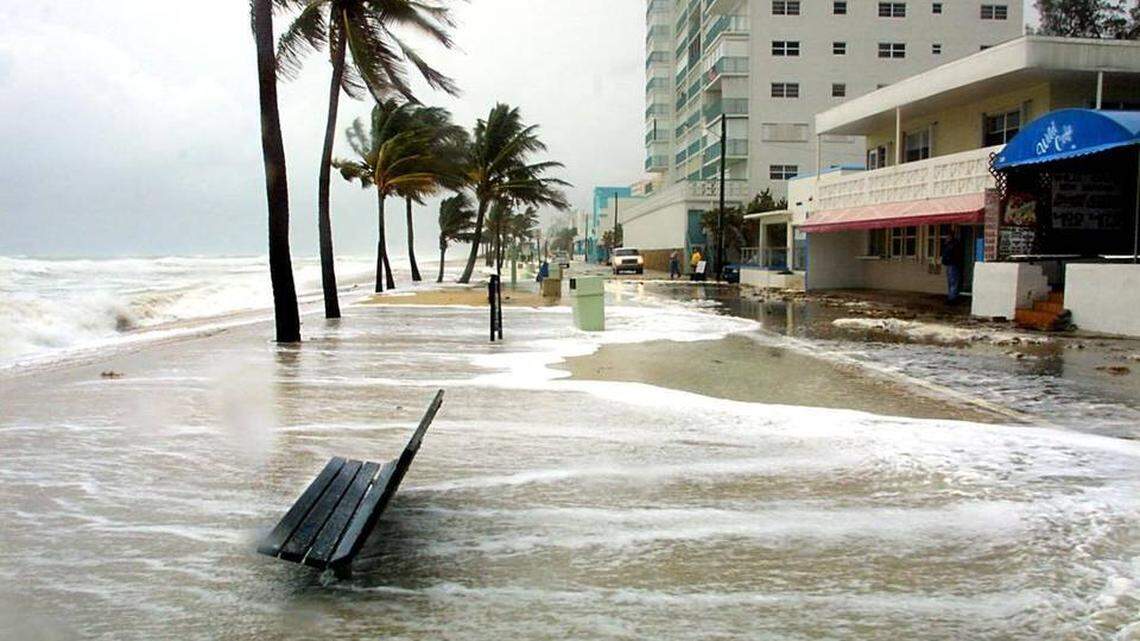
Credit: www.miamiherald.com
Condo Structure And Hurricane Resistance
Condo buildings face many challenges during hurricanes. Strong winds and heavy rain test their strength. Knowing how condos are built helps understand their ability to survive storms.
Different parts of a condo affect its resistance to hurricanes. These include the materials used, the building design, and where it is located.
Building Materials And Design
Condo buildings use strong materials like concrete and steel. These materials hold up well against hurricane winds. The design also matters. Buildings with fewer openings resist wind better.
Some condos have reinforced walls and roofs to prevent damage. Roofs are often sloped to reduce wind pressure. Designs that allow wind to flow around the building reduce stress.
- Concrete walls resist wind and water
- Steel frames add extra strength
- Sloped roofs reduce wind force
- Fewer windows lower risk of breakage
Impact Of Location And Elevation
The location of a condo affects how it handles hurricanes. Condos near the coast face stronger winds and flooding. Elevation helps keep water damage low.
Higher condos on hills or stilts avoid floodwaters. Buildings in open areas get hit by stronger winds. Trees and other buildings nearby can block some wind.
- Coastal condos face more wind and water
- Higher elevation means less flood risk
- Open areas have stronger wind impact
- Nearby structures can reduce wind force
Role Of Window And Door Strength
Windows and doors are weak points in condo buildings. Strong, impact-resistant windows keep wind and debris out. Doors should be sturdy and fit tightly.
Shutters or storm panels add extra protection. Broken windows can let wind inside, causing more damage. Well-built openings improve the condo’s safety.
- Impact-resistant glass stops debris
- Strong doors prevent wind entry
- Shutters add protection
- Sealed openings reduce damage
Common Hurricane Risks For Condos
Condos can face many problems during a hurricane. These risks can harm the building and the people inside.
Understanding these risks helps condo owners prepare better and stay safe.
Wind Damage
Strong winds can break windows and damage roofs. Loose items can become dangerous flying objects.
High winds may also cause structural damage to balconies and exterior walls.
- Shattered glass from broken windows
- Roof shingles torn off
- Damaged balconies and railings
- Flying debris hitting the building
Flooding And Water Intrusion
Heavy rain and storm surges can cause flooding around and inside condos. Water can seep through doors and walls.
Flooding damages floors, furniture, and electrical systems inside units.
- Floodwaters entering ground-floor units
- Water leaks through cracks and windows
- Mold growth from trapped moisture
- Damage to electrical outlets and wiring
Power Outages And Infrastructure
Hurricanes often cause power outages. This can leave condos without lights, elevators, or air conditioning.
Damage to water pumps and sewage systems can also affect the building’s infrastructure.
- Loss of electricity for days or weeks
- Elevators stop working
- Water supply and sewage issues
- Security system failures
Safety Measures For Condo Residents
Living in a condo during a hurricane can be risky. Residents should take steps to stay safe and protect their homes.
Knowing what to do before, during, and after a hurricane helps reduce damage and injury.
Emergency Preparedness Plans
Condo residents need a clear emergency plan. This plan should include how to get information and what to do in different situations.
Residents should know where to find emergency supplies and how to contact building management or emergency services.
- Keep a list of emergency contacts
- Know the location of emergency exits
- Store basic supplies like water and food
- Have a battery-powered radio for updates
Securing Personal Property
Protecting your belongings reduces loss during a storm. Secure furniture and important items inside your condo.
Use storm shutters or board up windows to prevent damage. Move valuables to higher places to avoid water damage.
- Install storm shutters or use plywood
- Bring outdoor furniture inside
- Store important documents in waterproof containers
- Unplug electronics to avoid power surges
Evacuation Procedures
Sometimes, evacuating is the safest choice. Know your condo’s evacuation rules and where to go if you must leave.
Prepare a small emergency kit to take with you. Plan how you will leave and how to stay in touch with family.
- Follow local evacuation orders immediately
- Use planned routes to avoid traffic
- Take important items and emergency kits
- Inform family or friends about your location

Credit: www.sun-sentinel.com
Condo Association Responsibilities
Condo associations play a key role in protecting buildings during hurricanes. They manage tasks that help condos stay safe and strong. These duties affect all residents and the building itself.
Understanding the association’s responsibilities helps residents know what to expect. It also shows how the building can survive storms with proper care and planning.
Maintaining Structural Integrity
The condo association must keep the building’s structure in good shape. This includes regular checks and repairs to walls, roofs, and windows. Strong structures resist hurricane winds and rain better.
They should also follow local building codes designed for hurricane zones. Using quality materials and fixing damage quickly reduces risks during storms.
- Inspect roofs and siding regularly
- Seal windows and doors properly
- Repair cracks in walls and foundations
- Clear drains and gutters to prevent water buildup
Insurance And Liability Coverage
Condo associations must have insurance to cover hurricane damage. This protects the building and shared areas from costly repairs. Insurance also covers liability if someone gets hurt during or after the storm.
Associations should review policies yearly to keep coverage current. They need to understand what is and is not covered to avoid surprises after a hurricane.
- Property damage insurance for the building
- Liability insurance for accidents
- Flood insurance, if required by location
- Loss of use coverage for residents
Communication During Emergencies
Clear communication is vital before, during, and after hurricanes. The condo association should inform residents about safety plans and updates. This helps everyone stay prepared and safe.
Associations can use phone calls, emails, or text messages. They should also share contact info for emergency services and repair crews.
- Send alerts about evacuation orders
- Share instructions for securing units
- Provide updates on damage and repairs
- Offer support resources for residents
Technological Advances In Hurricane Protection
Condominiums face many risks during hurricanes. Technology helps make them safer. New tools protect buildings and residents from strong winds and rain.
From stronger windows to smart systems, these advances improve safety. They reduce damage and help people respond faster to storms.
Impact-resistant Windows
Impact-resistant windows use thick glass and strong frames. They stop flying debris from breaking the glass. These windows keep water and wind out during storms.
- Made with laminated glass layers
- Tested to withstand high wind pressures
- Help keep the building sealed and dry
- Reduce noise from the storm outside
Storm Shutters And Barriers
Storm shutters add an extra layer of protection. They cover windows and doors to block wind and debris. Barriers protect lower floors from flooding.
| Type | Description | Benefits |
| Roll-down shutters | Metal panels that roll down over openings | Quick to close, strong protection |
| Accordion shutters | Foldable metal panels fixed beside windows | Easy to use, durable |
| Flood barriers | Temporary walls to stop water entry | Protect lower levels from water damage |
Smart Home Alerts And Systems
Smart systems warn residents about weather changes. They link to phones and alarms. These systems help people prepare quickly and stay safe.
- Real-time hurricane alerts sent to phones
- Automated window and door locking systems
- Remote control of shutters and barriers
- Power backup monitoring during outages
Real-life Condo Hurricane Case Studies
Condominiums face unique challenges during hurricanes. Many have survived strong storms, teaching us important lessons. These case studies show how condos handle hurricanes in real life.
We will explore success stories, damage lessons, and rebuilding efforts. Each section helps understand how condos can prepare and recover from hurricanes.
Success Stories
Some condos have withstood hurricanes with minimal damage. Strong design, good materials, and planning made a big difference. For example, a Florida condo survived Hurricane Irma with only window damage.
- Use of impact-resistant glass
- Elevated structures to avoid flooding
- Regular maintenance of roofs and walls
- Community emergency plans in place
Lessons From Damage
Damage shows where condos need improvement. Many suffered roof leaks, broken windows, and water intrusion. Poor drainage caused flooding in ground-floor units. These problems slowed recovery.
| Type of Damage | Common Causes | Impact |
| Roof Leaks | Old shingles, loose tiles | Water damage inside units |
| Broken Windows | Strong winds, flying debris | Security risks, water entry |
| Flooding | Poor drainage, low elevation | Damage to electrical systems |
| Structural Cracks | Foundation movement | Long-term safety concerns |
Rebuilding And Recovery
After a hurricane, condos focus on repairs and upgrades. Rebuilding includes fixing damage and adding stronger features. Recovery takes time and teamwork from owners and contractors.
- Replace broken windows with impact glass
- Strengthen roofs with hurricane straps
- Improve drainage systems around the building
- Create better emergency communication plans
- Use flood-resistant materials in common areas

Credit: www.sun-sentinel.com
Frequently Asked Questions
Can A Condo Withstand Hurricane-force Winds?
Yes, condos built with hurricane-resistant materials and modern codes can withstand strong winds. Proper construction and regular maintenance improve durability.
Are Condo Windows Protected During Hurricanes?
Many condos use impact-resistant windows or shutters designed to resist hurricane damage. This protection helps prevent water and wind intrusion.
How Does A Condo’s Structure Affect Hurricane Safety?
Condos with reinforced concrete and steel frameworks offer better hurricane resistance than older wooden structures. Strong foundations reduce risk.
What Should Condo Owners Do Before A Hurricane?
Owners should secure windows, bring outdoor items inside, and review emergency plans. Communication with the condo association is also essential.
Conclusion
A condo can survive a hurricane with the right precautions. Strong building codes and quality construction help protect homes. Residents should prepare by securing windows and doors. Emergency plans and insurance are also important. Damage may still happen, but careful steps reduce risk.
Living in a condo during a storm needs awareness and action. Safety depends on both the building and its people. Stay ready, stay safe.