How Long Do Hurricanes Survive on Land: Shocking Facts Revealed
Ever wondered what happens when a hurricane makes landfall? You’ve probably seen images of swirling winds and torrential rains wreaking havoc along coastlines.
But what about when these storms move inland? How long do hurricanes survive once they hit land? Understanding this can help you better prepare and protect your home and family. You’ll discover the surprising factors that determine a hurricane’s lifespan on land.
Stick around, and you might just find the insights you need to feel more secure during hurricane season. Ready to uncover the secrets behind these powerful storms? Let’s dive in!
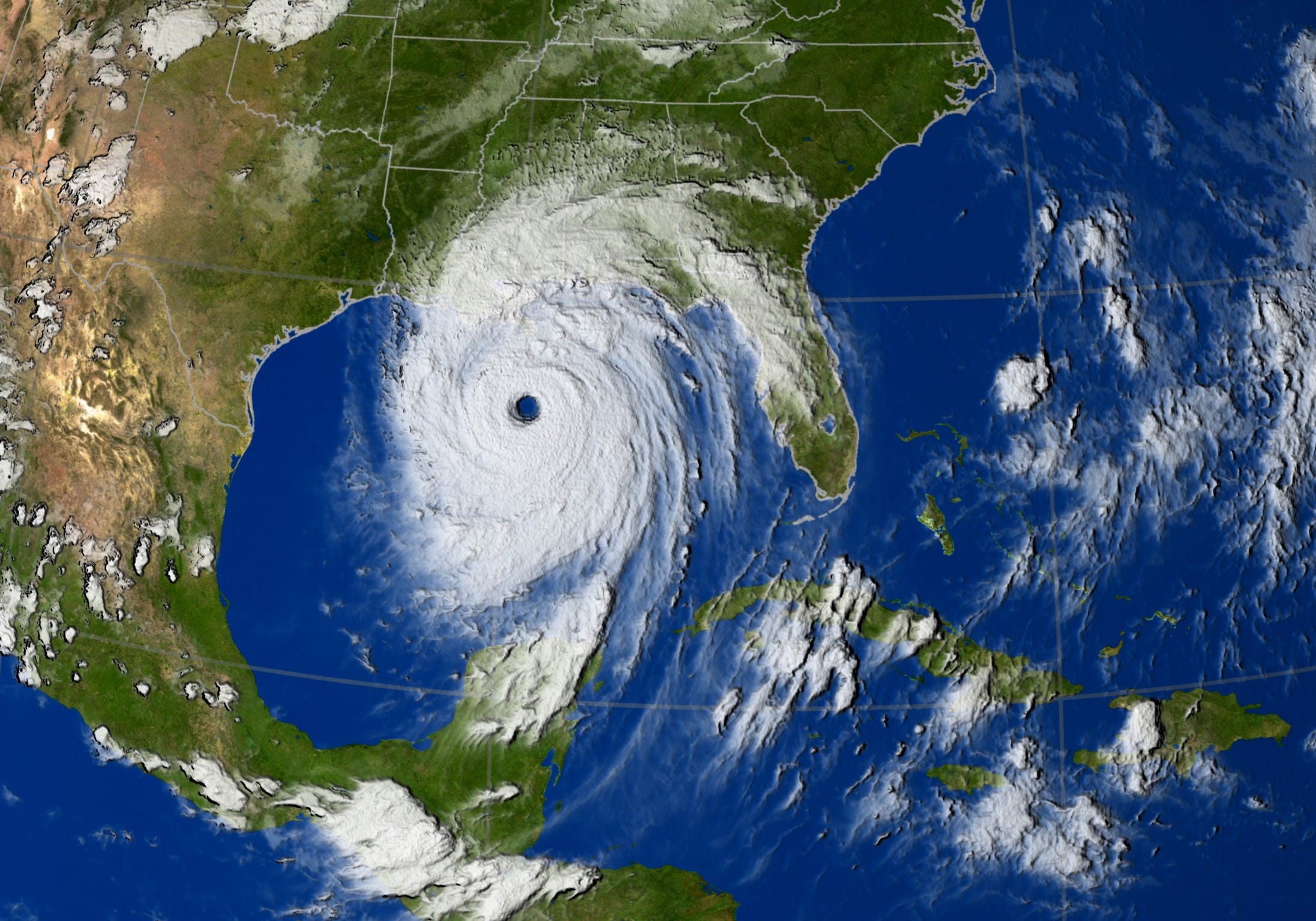
Credit: medium.com
Hurricane Life Cycle
Hurricanes go through several stages during their life. They start over warm ocean waters and end after moving onto land.
Understanding how hurricanes form and change helps us know how long they survive on land.
Formation Over Warm Waters
Hurricanes begin as storms over warm ocean water. The heat and moisture from the water fuel their growth.
- Ocean water needs to be at least 80°F (27°C)
- Warm water causes air to rise and create clouds
- Storms gather energy and start spinning
- Low wind shear allows the storm to grow strong
Energy Source And Growth
Hurricanes get energy from warm ocean water. This energy helps the storm get stronger and bigger.
| Factor | Effect on Hurricane |
| Warm Water | Feeds the storm with heat and moisture |
| Low Wind Shear | Allows steady storm development |
| High Humidity | Supports cloud formation |
| Storm Rotation | Creates the hurricane’s eye and spiral bands |
Transition From Sea To Land
When hurricanes move onto land, they lose their energy source. The storm starts to weaken quickly.
Friction with land and lack of warm water cause the hurricane to slow down and break apart.
- Hurricanes weaken within hours to days after landfall
- Storms may cause heavy rain and flooding inland
- Mountains and rough terrain break up the storm faster
- Cold air over land also reduces storm strength
Factors Affecting Hurricane Survival On Land
Hurricanes lose strength once they move over land. Many things affect how long they last.
Understanding these factors helps predict the storm’s impact and duration inland.
Terrain And Topography
Rough land slows hurricanes down faster than flat land. Mountains break the storm’s wind flow.
- Mountains reduce wind speed quickly.
- Forests and hills absorb some storm energy.
- Flat areas let hurricanes travel further inland.
- Wetlands can help weaken storms by absorbing water.
Atmospheric Conditions
Air temperature and humidity affect how long a hurricane can last on land.
| Condition | Effect on Hurricane |
| Warm, moist air | Helps storm survive longer |
| Dry, cool air | Weakens storm faster |
| High wind shear | Breaks storm structure |
| Stable atmosphere | Stops storm from growing |
Storm Size And Intensity
Bigger and stronger hurricanes keep their power longer on land.
Small storms lose strength quickly. Strong winds and heavy rains last longer in big storms.
- Large storms cover more area and slow down less.
- Intense storms have strong winds that last longer.
- Weak storms break apart soon after landfall.
Typical Duration After Landfall
Hurricanes lose strength once they move onto land. This happens because they no longer get warm water energy. The time they last on land varies a lot.
Understanding how long hurricanes survive on land helps with safety plans. It also helps predict damage and recovery time.
Average Time Hurricanes Remain Active
Most hurricanes stay active for a few hours to a couple of days after landfall. The storm’s strength drops quickly without ocean heat.
Usually, hurricanes weaken into tropical storms or depressions within 12 to 24 hours on land. Some last longer if they move slowly.
- Typical active time: 12 to 24 hours
- Slower storms can last 2 to 3 days
- Faster storms weaken more quickly
Cases Of Rapid Dissipation
Some hurricanes lose power very fast after hitting land. This happens if they hit dry, rough terrain or mountains.
Rapid dissipation means the storm may last only a few hours. It can reduce flooding and wind damage risks quickly.
- Hurricane hits dry, mountainous areas
- Storm speed is high, leaving area fast
- Weak storms with less energy disappear quickly
Examples Of Long-lasting Storms
Some hurricanes survive on land for days. These storms move slowly or enter moist, flat areas that keep them alive.
Long-lasting storms cause prolonged heavy rain and flooding. They can stay active for more than 48 hours inland.
| Storm Name | Duration on Land | Notes |
|---|---|---|
| Hurricane Harvey (2017) | Over 4 days | Slow movement caused heavy flooding |
| Hurricane Florence (2018) | About 3 days | Stayed active due to moist conditions |
| Hurricane Dorian (2019) | 2-3 days | Slow track over flat land |
Impact Of Hurricanes On Land
Hurricanes can cause serious damage when they reach land. Their strength slowly fades, but the effects stay strong.
The damage depends on how long the hurricane lasts on land and its size. It can last from a few hours to several days.
Wind Damage And Storm Surge
Strong winds from hurricanes can break trees, roofs, and power lines. These winds cause the most visible damage.
Storm surge pushes seawater onto the shore. This water can flood homes and roads near the coast.
- Wind speeds can reach over 100 mph
- Storm surge raises water levels by several feet
- Coastal areas are most at risk
Flooding And Rainfall
Hurricanes bring heavy rain that can cause rivers and lakes to overflow. Flooding can cover large areas.
Floodwater damages homes, cars, and crops. It can also make roads unsafe for travel.
- Rainfall can last for hours or days
- Floods can occur far from the coast
- Flooding often causes long-term problems
Secondary Weather Effects
After a hurricane hits land, other weather events can follow. Tornadoes and strong winds may form inside the storm.
These secondary effects add to the damage and danger. They can spread destruction farther inland.
- Tornadoes can form near the hurricane’s edge
- Strong winds can continue after the main storm
- Power outages and debris make recovery hard
Unexpected Hurricane Behavior
Hurricanes usually lose strength quickly after moving on land. The lack of warm ocean water cuts their energy supply. Still, some hurricanes act in surprising ways once on land.
These unusual behaviors can make storms last longer or cause more damage than expected. Understanding them helps us prepare better for these powerful storms.
Re-strengthening Over Land
Sometimes hurricanes grow stronger even after they hit land. This can happen if the storm moves over a warm, wet area like a swamp or a large lake. The storm can use this moisture to keep its power.
- Warm water sources on land can feed the storm
- High humidity helps keep the hurricane alive
- Flat land with little wind can reduce storm weakening
Slow-moving And Stalling Storms
Some hurricanes move very slowly or stop over an area for hours. This can cause heavy rain and flooding. Slow storms can stay alive longer on land because they keep drawing energy from the air.
| Effect | Description |
| Heavy Rainfall | Causes flooding in the stalled area |
| Extended Wind Damage | Storm winds last longer over one place |
| Slow Weakening | Storm keeps strength due to slow movement |
Rare Cases Of Tornado Formation
Hurricanes can create tornadoes after moving on land. These tornadoes are smaller but still dangerous. They form because of changes in wind speed and direction inside the hurricane’s outer bands.
Tornadoes inside hurricanes often:
- Hit quickly and last a short time
- Cause localized damage
- Make tracking harder for forecasters

Credit: www.komu.com
Measuring And Predicting Land Survival
Hurricanes lose strength after moving onto land. Scientists study how long they can last there.
Understanding hurricane survival on land helps predict damage and improve safety plans.
Meteorological Tools And Models
Meteorologists use satellites, radar, and weather stations to watch hurricanes on land.
Computer models simulate hurricane paths and strength after landfall. These help predict survival time.
- Satellites track storm size and cloud patterns
- Radar measures rain and wind speed over land
- Weather stations record ground temperature and pressure
- Models use data to forecast storm weakening
Challenges In Forecasting
Predicting how long hurricanes survive on land is hard. Land features change storm behavior.
Mountains, forests, and cities affect wind and rain. These make forecasts less certain.
- Different land surfaces absorb heat differently
- Storm speed changes after landfall
- Local weather can alter storm weakening
- Limited data over remote areas
Advances In Hurricane Tracking
New technology improves tracking of hurricanes on land. This helps predict survival better.
Improved computer models and better data allow faster, more accurate forecasts.
- Use of drones to collect close-range data
- Higher-resolution satellite images
- Real-time data sharing among agencies
- Machine learning to improve model accuracy
Credit: www.abc.net.au
Frequently Asked Questions
How Long Do Hurricanes Last After Landfall?
Hurricanes typically survive 6 to 12 hours after landfall. Their strength weakens quickly due to lack of warm ocean water. Some storms can last longer if they move slowly or merge with other weather systems.
Why Do Hurricanes Weaken Over Land?
Hurricanes lose power over land because they lack warm water, their main energy source. Friction with land surfaces disrupts wind flow. Without moisture from the ocean, the storm’s intensity drops rapidly.
Can Hurricanes Still Cause Damage Inland?
Yes, hurricanes can cause severe inland damage. Strong winds, heavy rains, and flooding persist after landfall. Tornadoes may also form from the storm’s remnants, extending the hazardous impact far from the coast.
What Factors Affect Hurricane Survival Time On Land?
Hurricane survival depends on storm size, speed, and terrain. Larger, slower storms last longer. Flat, moist land helps maintain strength, while mountains and dry areas weaken storms faster.
Conclusion
Hurricanes lose strength quickly once they reach land. They need warm ocean water to stay strong. On land, they last from a few hours to a couple of days. Mountains and dry areas make them fade faster. Still, they can cause heavy rain and flooding even after weakening.
Knowing how long hurricanes survive helps people prepare better. Stay alert and follow safety advice during hurricane season. Understanding these storms can save lives and reduce damage.