Can Newborn Kittens Survive in Cold Weather: Essential Survival Tips
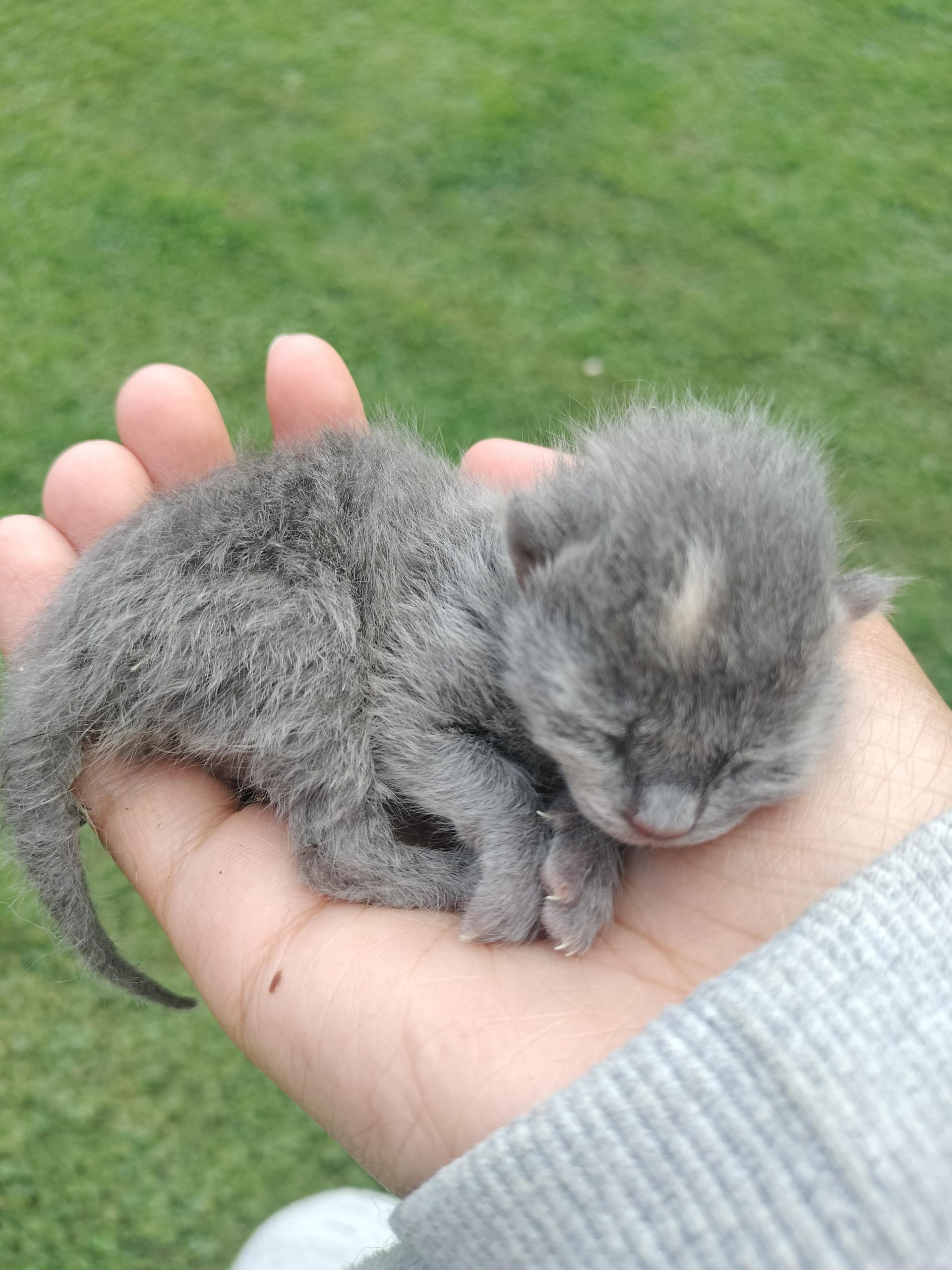
Imagine the heartwarming sight of a litter of newborn kittens, their eyes barely open, nestled together for warmth. But what if the temperature drops?
Can these tiny creatures survive in cold weather? As a kitten owner or an animal lover, you might find yourself worrying about the safety and well-being of these fragile beings. You understand that newborn kittens, with their delicate bodies, are particularly vulnerable to the elements.
You’ll discover crucial insights and expert tips to ensure your furry little friends stay safe and warm, even when the thermometer plunges. Keep reading to learn how you can make a difference in the lives of these precious kittens and become a hero in their survival story.

Credit: www.reddit.com
Risks Of Cold Weather For Newborn Kittens
Newborn kittens are very sensitive to cold. They cannot keep their body warm well. Cold weather can cause serious health problems.
It is important to know the risks cold weather brings. You can protect kittens by understanding these dangers early.
Effects Of Low Temperatures
Low temperatures make newborn kittens lose body heat fast. Their tiny bodies have little fat to keep warm. They can become weak and tired quickly.
Cold can slow their heartbeat and breathing. It can also stop their digestion and make them less active. These effects are very dangerous for survival.
Common Health Issues
- Frostbite on ears, paws, and tail
- Respiratory infections like pneumonia
- Digestive problems and poor feeding
- Weak immune system leading to illness
- Failure to gain weight and grow properly
Signs Of Hypothermia
| Sign | Description |
| Cold Skin | Skin feels cool or cold to touch |
| Weak Cry | Soft or faint meowing |
| Slow Movement | Less active or slow to respond |
| Shivering | Visible shaking of the body |
| Low Body Temperature | Below normal warmth inside body |

Credit: www.reddit.com
Ideal Environment For Newborn Kittens
Newborn kittens need a safe and warm place to grow. They cannot control their body heat well.
Providing the right environment helps them stay healthy and strong in cold weather.
Optimal Temperature Range
The best room temperature for newborn kittens is between 85°F and 90°F for the first week. After that, it can slowly drop to about 80°F.
Keeping the area too cold or too hot can cause serious health problems for kittens.
Safe And Warm Shelter Options
- Use a small box or crate lined with soft towels.
- Place a heating pad under half the bedding to offer warmth.
- Make sure the shelter is away from drafts and direct sunlight.
- Check the temperature regularly to avoid overheating.
Importance Of Bedding
| Bedding Type | Pros | Cons |
|---|---|---|
| Soft Towels | Easy to clean, comfortable | Needs frequent washing |
| Fleece Blankets | Warm and cozy | Can retain moisture |
| Straw | Good insulation | Can harbor pests |
Clean, dry bedding keeps kittens warm and safe. Change it often to prevent illness.
Feeding And Hydration In Cold Conditions
Newborn kittens need special care to survive cold weather. Feeding and hydration become more important. Cold can slow their growth and make them weak.
Proper food and water help keep their body temperature stable. This guide covers feeding frequency, hydration, and heat use during feeding.
Frequency And Type Of Feeding
In cold weather, kittens need more frequent feedings. Their bodies use energy to stay warm. Feeding every two to three hours is best. Use kitten milk replacer, not cow’s milk.
- Feed every 2–3 hours around the clock
- Use warm, not hot, kitten milk replacer
- Feed with a small bottle or syringe
- Check the milk temperature before feeding
- Do not overfeed; watch for signs of fullness
Keeping Kittens Hydrated
Kittens need enough fluids to avoid dehydration. Cold air can dry out their skin and mouth. Hydration keeps their organs working well. Always offer fresh water if they are old enough.
| Age | Hydration Source | Notes |
| 0–3 weeks | Kitten milk replacer only | No water; milk provides hydration |
| 3–4 weeks | Milk replacer + small water amounts | Introduce water slowly |
| 4+ weeks | Water and soft food | Encourage drinking water |
Using Supplemental Heat During Feeding
Warmth helps kittens digest food better. Use a heating pad or warm towel near feeding areas. Avoid direct heat to prevent burns. Heat keeps kittens calm and comfortable during feeding.
- Set heating pad on low temperature
- Place a thick towel between heat source and kittens
- Check warmth regularly to avoid overheating
- Use warm bottles or syringes for feeding
- Keep feeding area draft-free and cozy
Monitoring And Care Practices
Newborn kittens need close watching in cold weather. Their small bodies cannot keep warm well.
Proper care helps them stay safe and healthy during chilly days and nights.
Regular Health Checks
Check the kittens daily for signs of cold stress. Look for shivering, pale gums, or weak movements.
- Feel their body to ensure warmth.
- Watch their breathing for any difficulties.
- Check their weight to track healthy growth.
- Observe their feeding habits closely.
Handling And Socializing
Handle kittens gently to avoid stress and help them get used to people. Keep them cozy during handling.
| Age (weeks) | Handling Tips |
| 0-2 | Limit handling to short periods. Keep kittens warm. |
| 3-4 | Increase handling time gently. Encourage social play. |
| 5-8 | Allow more interaction. Supervise playtime closely. |
When To Seek Veterinary Help
Contact a vet if kittens show signs of illness or cold stress. Early help can save lives.
- Persistent shivering or cold body.
- Refusal to eat or weak sucking.
- Rapid or labored breathing.
- Unusual lethargy or crying.
- Signs of dehydration or pale gums.
Emergency Tips For Extreme Cold
Newborn kittens cannot survive well in cold weather without help. Their bodies are not ready to keep warm on their own. It is important to act fast to protect them from the cold.
Here are some tips to keep your kittens safe and warm during extreme cold weather conditions.
Creating Temporary Warmth
Use blankets and towels to create a warm nest for the kittens. Make sure the area is dry and protected from wind. A small box or carrier lined with soft materials can work well.
- Place several layers of soft towels or blankets inside the box.
- Keep the box away from drafts and cold floors.
- Use a hot water bottle wrapped in a towel to add warmth.
- Check the temperature often to avoid overheating.
Using Heating Pads Safely
Heating pads can help keep kittens warm but must be used carefully. Too much heat can cause burns or dehydration. Always follow safety steps.
| Safety Step | Description |
| Low Setting | Use the lowest heat setting on the pad. |
| Cover Pad | Wrap the heating pad in a thick towel or blanket. |
| Check Often | Monitor kittens often for signs of overheating. |
| Limit Time | Do not leave kittens on the heating pad for too long. |
Transporting Kittens In Cold Weather
When moving kittens in cold weather, keep them warm and safe during the trip. Use a secure carrier with insulation and warmth inside.
- Line the carrier with soft blankets or towels.
- Include a warm water bottle wrapped in cloth for extra heat.
- Keep the carrier covered to block cold air.
- Drive carefully and avoid long exposure outside.
Credit: www.lovemeow.com
Frequently Asked Questions
Can Newborn Kittens Survive Cold Weather Without Help?
Newborn kittens cannot survive cold weather without warmth. They lack body fat and cannot regulate their temperature. Providing a heated shelter and keeping them dry is essential for their survival in cold conditions.
How To Keep Newborn Kittens Warm In Winter?
Use heating pads or warm blankets to keep newborn kittens warm. Place them in a draft-free, insulated box. Regularly check their temperature to ensure they are comfortable but not overheated.
What Are Signs Of Hypothermia In Kittens?
Signs include lethargy, weak sucking reflex, cold ears and paws, and shallow breathing. Immediate warming and veterinary care are necessary to prevent serious health issues.
Is It Safe To Use Heating Pads For Kittens?
Yes, heating pads are safe if used correctly. Always cover the pad with a cloth and monitor the temperature to avoid burns or overheating.
Conclusion
Newborn kittens need warmth to stay alive in cold weather. Their small bodies cannot keep heat on their own. Always provide soft bedding and a warm place for them. Keep their environment cozy and dry to help them grow strong.
Watch them closely for signs of cold stress. Helping kittens stay warm boosts their chances of survival. Small efforts make a big difference in their health. Warmth is key to giving newborn kittens a good start.